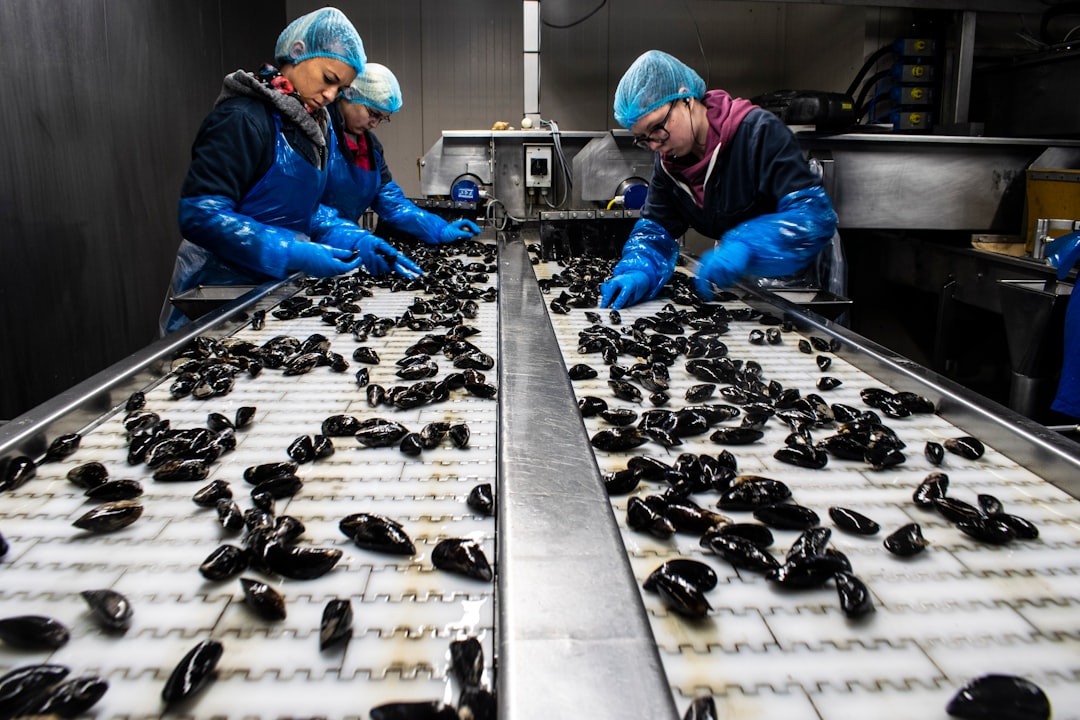
You might not often consider it, but every bite of food you consume has a complex and often invisible journey before it reaches your plate. This journey, from seed to storefront, is fraught with expenses that are far more intricate than the price tag you see. Understanding these expenses isn’t just an academic exercise; it’s a critical lens through which you can better comprehend the global food system, its vulnerabilities, and its opportunities.
When you peer into the initial stages of food production, you’ll uncover a significant portion of the overall cost locked within the fundamental inputs. These are the building blocks you, as a producer, must acquire to even begin the process. Learn more about corporate control by watching this insightful video corporate control.
Land Acquisition and Management
The very ground on which food grows is a primary cost driver. You need land, and land, especially fertile and well-located land, is a finite and costly resource.
- Purchase Price: The outright purchase of agricultural land can be astronomical, particularly in regions with high population density or growing industrialization. You’re not just buying dirt; you’re buying potential.
- Lease Agreements: If you’re not purchasing, you’re likely leasing, and lease rates are subject to market fluctuations, regional demand, and the land’s inherent productivity. These recurring payments form a constant drain on your operating capital.
- Conservation and Improvement: Maintaining soil health, preventing erosion, and enriching the land’s fertility isn’t a one-time investment. Tillage, cover cropping, and nutrient amendments are continuous expenses you must bear to ensure long-term viability. Without these investments, your land becomes less productive, acting as a direct hit to future yields.
Seeds, Fertilizers, and Pesticides
Think of these as the biological and chemical fuel for your operation. Without them, your crops simply would not thrive, or even sprout.
- Seed Costs: Whether you’re purchasing hybrid seeds for maximum yield or heirloom varieties for niche markets, seeds represent a significant initial outlay. The cost often reflects years of research and development by seed companies, embedding intellectual property fees within each tiny kernel.
- Nutrient Management (Fertilizers): Crops are hungry. They extract vital nutrients from the soil, and you must replenish these. Synthetic fertilizers, while effective, are petroleum-intensive to produce, making their prices susceptible to global energy markets. Organic alternatives, while sometimes healthier for the soil, can also carry a premium.
- Pest and Disease Control (Pesticides): Protecting your investment from destructive insects, fungi, and weeds is paramount. Pesticides, herbicides, and fungicides are essential tools, but they represent a substantial recurring expense. Beyond the purchase price, you also face costs associated with their safe application and disposal, and the potential for regulatory fines if not handled correctly.
Water: The Elixir of Life
Water is not free, even if it falls from the sky. The cost of water, especially in arid or semi-arid regions, can be a dominant factor in your budget.
- Irrigation Infrastructure: Building and maintaining irrigation systems—canals, pumps, sprinklers, drip lines—requires substantial capital investment and ongoing maintenance. This infrastructure is your circulatory system, ensuring life-giving water reaches your crops.
- Water Rights and Tariffs: In many regions, you don’t simply “take” water; you must acquire water rights, which can be bought, sold, or leased. Furthermore, you often face direct tariffs for the volume of water you use, transforming a seemingly free resource into a measurable expenditure.
- Energy for Pumping: Moving water, especially from underground aquifers or distant reservoirs, consumes significant amounts of energy. This energy cost is directly intertwined with the price of fuel or electricity, acting as another variable expense you must manage.
To gain a deeper understanding of the high cost of food production, it is beneficial to explore related articles that discuss various economic factors influencing this issue. One such article can be found at this link, which delves into the complexities of agricultural economics and the impact of supply chain dynamics on food prices. By examining these factors, readers can better appreciate the challenges faced by producers and the implications for consumers.
Labor: The Human Element
Beyond the physical resources, the human hands and minds that cultivate, harvest, and process food represent a substantial and often underestimated expense.
Farm Labor Wages and Benefits
The people who physically work the land are perhaps the most vital, yet often the most vulnerable, component of the food production chain.
- Seasonal vs. Permanent Staff: You might employ a core group of permanent staff for year-round operations, but seasonal labor for planting and harvesting is a common necessity, especially for labor-intensive crops. Managing these fluctuating labor demands adds complexity and cost.
- Legally Mandated Wages and Overtime: You are bound by labor laws, minimum wage requirements, and overtime regulations. Ensuring compliance protects your operation from legal repercussions but also adds to your operational expenses.
- Benefits and Insurance: Providing health insurance, workers’ compensation, and other benefits is increasingly common and often legally required. These benefits, while crucial for your employees’ well-being, contribute significantly to your overall labor cost. Think of them as a safety net for your most valuable asset: your workforce.
Specialized Skills and Management
Modern agriculture is far from a simple endeavor. It requires specialized knowledge and effective management to operate efficiently.
- Agronomists and Consultants: Optimizing yields, diagnosing crop diseases, and managing soil health often requires the expertise of agronomists, soil scientists, and other consultants. Their insights can save you money in the long run but come at an upfront cost.
- Equipment Operators and Mechanics: Operating and maintaining sophisticated agricultural machinery requires skilled individuals. These aren’t just drivers; they are technicians who understand complex systems. Their wages reflect their specialized training.
- Administrative and Marketing Staff: Beyond the fields, you also need people to manage finances, handle logistics, and market your products. These administrative overheads, while not directly touching the soil, are essential for your business’s survival.
Infrastructure and Equipment: The Tools of the Trade
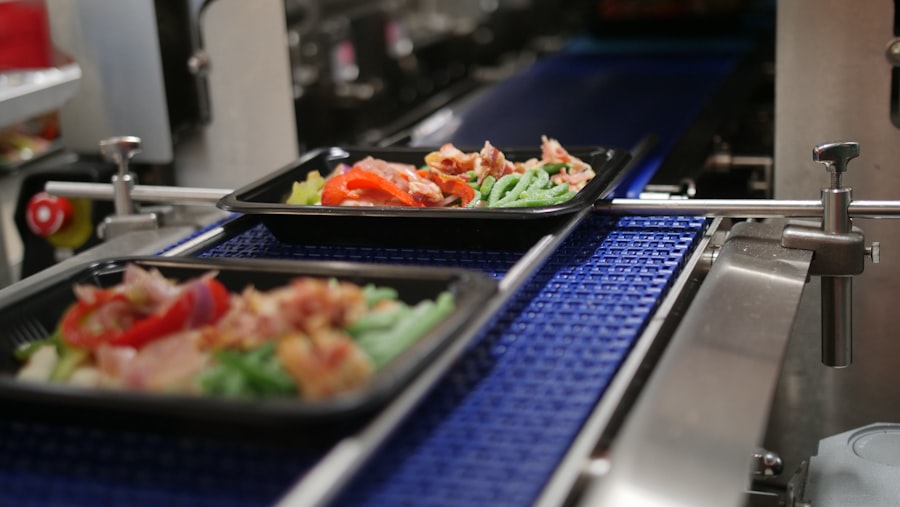
Imagine constructing a building without tools. Impossible, right? The same applies to food production. You need a myriad of machinery and structures to facilitate the process.
Agricultural Machinery
From tilling the soil to harvesting the crops, machinery is indispensable for modern, large-scale agriculture.
- Purchase and Depreciation: Tractors, combines, planters, sprayers – these are substantial capital investments. You not only pay the initial purchase price but also account for their depreciation over time, treating them as assets that slowly lose value.
- Fuel and Maintenance: Machines, like living beings, need fuel and regular care. Diesel, gasoline, oil changes, tire replacements, and periodic repairs all contribute to the ongoing cost of operating your equipment. A breakdown during harvest can be catastrophic, emphasizing the importance of proactive maintenance.
- Technological Upgrades: Agricultural technology is constantly evolving. GPS-guided precision farming equipment, autonomous tractors, and advanced sensors can significantly improve efficiency and yield, but they also come with hefty price tags and necessitate continuous investment to stay competitive.
Storage and Processing Facilities
Once harvested, raw agricultural products need to be stored and often processed before they reach the consumer.
- Barns, Silos, and Cold Storage: Maintaining optimal conditions for perishable goods requires specialized facilities. Cold storage, for example, is energy-intensive, and the cost of refrigeration, heating, ventilation, and structural maintenance must be accounted for.
- Processing Plants: For many food products, raw ingredients undergo transformation. This might involve washing, cutting, packaging, or more complex manufacturing processes. These plants require significant investment in specialized machinery, hygiene protocols, and trained personnel.
- Food Safety Compliance: Adhering to stringent food safety regulations (e.g., HACCP, USDA standards) is non-negotiable. This often involves specific facility designs, monitoring equipment, and meticulous record-keeping, all of which add to your overhead. Think of it as an invisible shield protecting both your product and your customers.
Logistics and Distribution: The Journey to Your Table
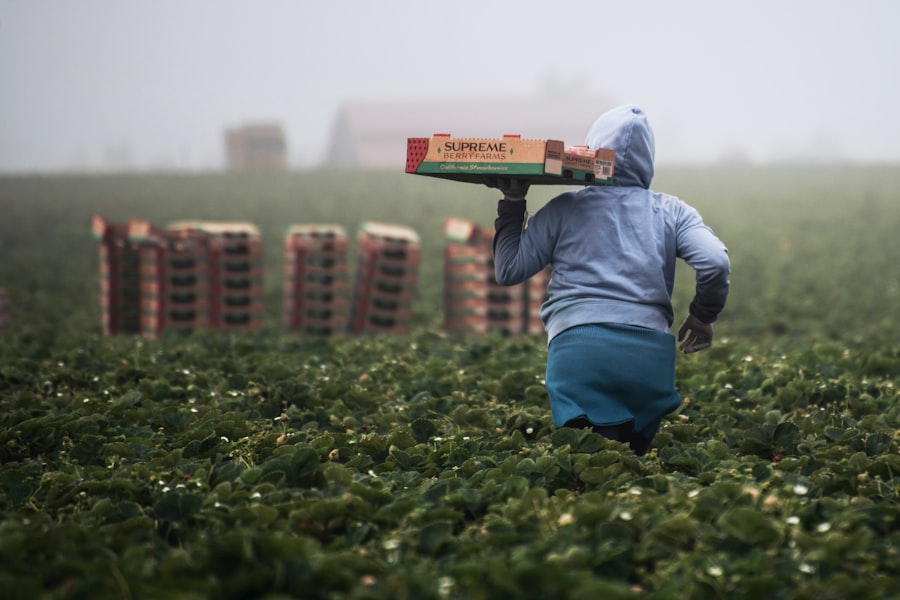
Even after your food is harvested and processed, it’s a long way from the consumer. The journey it takes is another layer of cost you must account for.
Transportation
Moving food from farm to processor, and then from processor to retail, requires an extensive network of transportation.
- Fuel Costs: Trucks, trains, ships, and sometimes even planes are used to transport food over varying distances. The price of fuel is a volatile global commodity, directly impacting your transportation expenses.
- Driver Wages and Regulations: Professional drivers, like farm laborers, command wages, and their working hours are often subject to strict regulations, adding to your operational costs. The demand for qualified drivers can also influence salary structures.
- Packaging and Handling: Protecting food during transit is crucial to prevent spoilage and damage. Packaging materials, whether cardboard boxes, plastic crates, or specialized containers, add to the cost per unit. Careful handling at each stage also requires trained personnel and appropriate equipment.
Supply Chain Management
Coordinating the movement of goods across multiple stages and geographical locations is a complex logistical puzzle.
- Warehousing and Inventory: Storing finished products before distribution incurs costs for warehouse space, climate control (if necessary), and inventory management systems. You need to know what you have, where it is, and where it’s going.
- Wholesale and Retail Markups: Each intermediary in the supply chain – wholesalers, distributors, and retailers – adds their profit margin to the product. These markups are a necessary part of their business model but contribute to the final price you, the consumer, pay.
- Spoilage and Waste: Despite best efforts, a certain percentage of food is lost or spoiled during transportation and distribution due to mishandling, temperature fluctuations, or simply the inherent perishability of some products. This waste represents a direct financial loss that must be absorbed into the overall cost structure.
Understanding the high cost of food production is essential for consumers and policymakers alike, as it impacts everything from grocery bills to agricultural sustainability. A related article that delves into the complexities of this issue can be found at How Wealth Grows, where various factors influencing food prices are explored. By examining these elements, we can gain valuable insights into the economic forces at play and their implications for our daily lives.
Regulatory and Environmental Compliance: The Invisible Hand of Governance
| Factor | Description | Impact on Cost | Example Metrics |
|---|---|---|---|
| Labor Costs | Wages paid to farm workers, processing staff, and distribution personnel | High labor costs increase overall production expenses | Average hourly wage: 15-25 per hour; Labor hours per ton of produce: 10-20 |
| Input Costs | Expenses for seeds, fertilizers, pesticides, and water | Rising input prices directly raise production costs | Fertilizer cost per acre: 100-200; Water usage per acre: 500-1000 gallons |
| Energy Costs | Fuel and electricity used in machinery, irrigation, and processing | Fluctuating energy prices can significantly affect costs | Fuel consumption per hectare: 20-50 liters; Electricity per ton processed: 50-100 kWh |
| Land Costs | Price or rent of agricultural land | High land prices increase fixed costs for producers | Land rent per acre: 200-500; Land purchase price per acre: 3000-10000 |
| Transportation | Costs to move food from farm to market | Long distances and fuel prices increase costs | Cost per mile per ton: 0.5-1.5; Average transport distance: 100-500 miles |
| Regulatory Compliance | Costs related to food safety, environmental, and labor regulations | Compliance can add significant overhead | Compliance cost per farm: 1000-5000 annually |
| Food Waste | Losses during production, storage, and distribution | Waste increases effective cost per unit sold | Post-harvest loss: 10-30%; Storage loss: 5-15% |
Beyond the direct costs of production, you operate within a framework of regulations and societal expectations that impose their own financial burdens. These are like the unwritten rules of the game that you simply must abide by.
Environmental Regulations
Protecting the environment is an increasingly important aspect of modern agriculture, and compliance comes with its own set of expenses.
- Waste Management: Disposing of agricultural waste, from discarded crop residues to animal manure, must be done responsibly and often in compliance with environmental regulations. This can involve composting, specialized treatment, or adherence to strict disposal protocols.
- Pollution Control: Preventing runoff of fertilizers and pesticides into waterways, managing air emissions from livestock operations, and conserving biodiversity all require investments in technology, infrastructure, and adherence to specific practices.
- Certifications for Sustainability: Labels like “organic,” “fair trade,” or “carbon neutral” can open up new markets and command premium prices, but achieving and maintaining these certifications requires rigorous audits, documentation, and adherence to specific production standards, all of which are costly.
Food Safety and Quality Standards
Ensuring the safety and quality of food is paramount, and a multitude of regulations govern how you must produce and handle food.
- Inspections and Audits: Government agencies conduct regular inspections to ensure compliance with food safety laws. These inspections can be time-consuming and may necessitate operational changes, requiring you to make investments to meet standards.
- Traceability Systems: The ability to trace ingredients from farm to fork is becoming increasingly important for consumer safety and trust. Implementing and maintaining robust traceability systems, often involving barcodes, RFID tags, and extensive record-keeping, is a significant financial undertaking.
- Product Liability Insurance: The potential for product recalls or consumer lawsuits due to contamination or other safety issues is a real risk. Product liability insurance protects you from potentially ruinous financial damages, and its premiums are an essential operating expense. Think of it as an insurance policy against the unpredictable.
When you weigh these various components, it becomes clear that the sticker price of your food is merely the tip of a colossal iceberg. The true cost of food production encompasses a vast array of expenditures, from the fertile earth beneath your feet to the complex logistics that bring it to your plate. Understanding these high expenses isn’t just about appreciating the journey of your meal; it’s about recognizing the intricate web of economic, environmental, and social factors that define our global food system. And armed with this knowledge, you are better equipped to comprehend the challenges faced by producers, the drivers of food prices, and the critical importance of sustainable and efficient food production practices for the future.
FAQs
Why is food production so expensive?
Food production involves numerous costs including raw materials, labor, machinery, transportation, and compliance with safety and environmental regulations. Additionally, factors like climate change, resource scarcity, and supply chain disruptions can increase expenses.
How do labor costs affect the price of food?
Labor costs are a significant part of food production expenses. Wages for farmworkers, factory employees, and transportation staff contribute to the overall cost. Increases in minimum wage or labor shortages can drive prices higher.
What role do raw materials play in food production costs?
Raw materials such as seeds, fertilizers, animal feed, and water are essential inputs. Fluctuations in the prices of these materials, often influenced by global markets and environmental conditions, directly impact production costs.
How does technology influence food production expenses?
While technology can improve efficiency and reduce some costs, the initial investment in machinery, equipment, and research can be high. Maintenance and upgrades also add to ongoing expenses.
Why do transportation and logistics add to food costs?
Food products often need to be transported over long distances under specific conditions to maintain freshness and safety. Fuel prices, infrastructure quality, and logistical complexities contribute to higher costs.
What impact do environmental regulations have on food production costs?
Compliance with environmental laws, such as waste management and emissions controls, requires investment in equipment and processes. These measures, while beneficial for sustainability, can increase production expenses.
How does climate change affect the cost of producing food?
Climate change can lead to unpredictable weather patterns, droughts, and floods, which reduce crop yields and increase the need for irrigation and pest control. These challenges raise the cost of production.
Are there differences in food production costs between countries?
Yes, factors such as labor wages, land prices, technology access, and regulatory environments vary by country, leading to differences in the cost of producing food globally.
Can economies of scale reduce the cost of food production?
Larger-scale operations can often produce food more efficiently by spreading fixed costs over more units and negotiating better prices for inputs, potentially lowering per-unit costs.
How do supply chain disruptions impact food production costs?
Disruptions such as natural disasters, pandemics, or geopolitical conflicts can delay shipments, increase transportation costs, and cause shortages of inputs, all of which raise production expenses.