You’re a pet owner, and you know the immense joy a furry, feathered, or scaled companion brings into your life. They are more than just animals; they are family. Yet, as you navigate the coming years, a looming financial shadow stretches across your cherished bond: the soaring expense of veterinary care in 2026. It’s not a sudden storm, but a gradual, persistent rise, like the tide inching higher each year, subtly altering the shoreline of what was once affordable. This article aims to dissect the multifaceted reasons behind this escalating cost, empowering you with knowledge to better prepare and advocate for your beloved animal’s well-being without making their necessary care an insurmountable burden.
The veterinary industry, like many businesses, is subject to the immutable laws of economics. The costs associated with running a clinic or hospital are not static; they are dynamic, constantly shifting and, in recent years, predominantly upward. You might feel the pinch in your wallet, but understanding the underlying pressures provides context and clarity.
Inflation’s Silent Grip
The most pervasive factor underpinning rising veterinary expenses is general inflation. This isn’t just about the price of a bag of kibble; it’s a systemic increase in the cost of nearly everything.
The Cost of Goods and Services
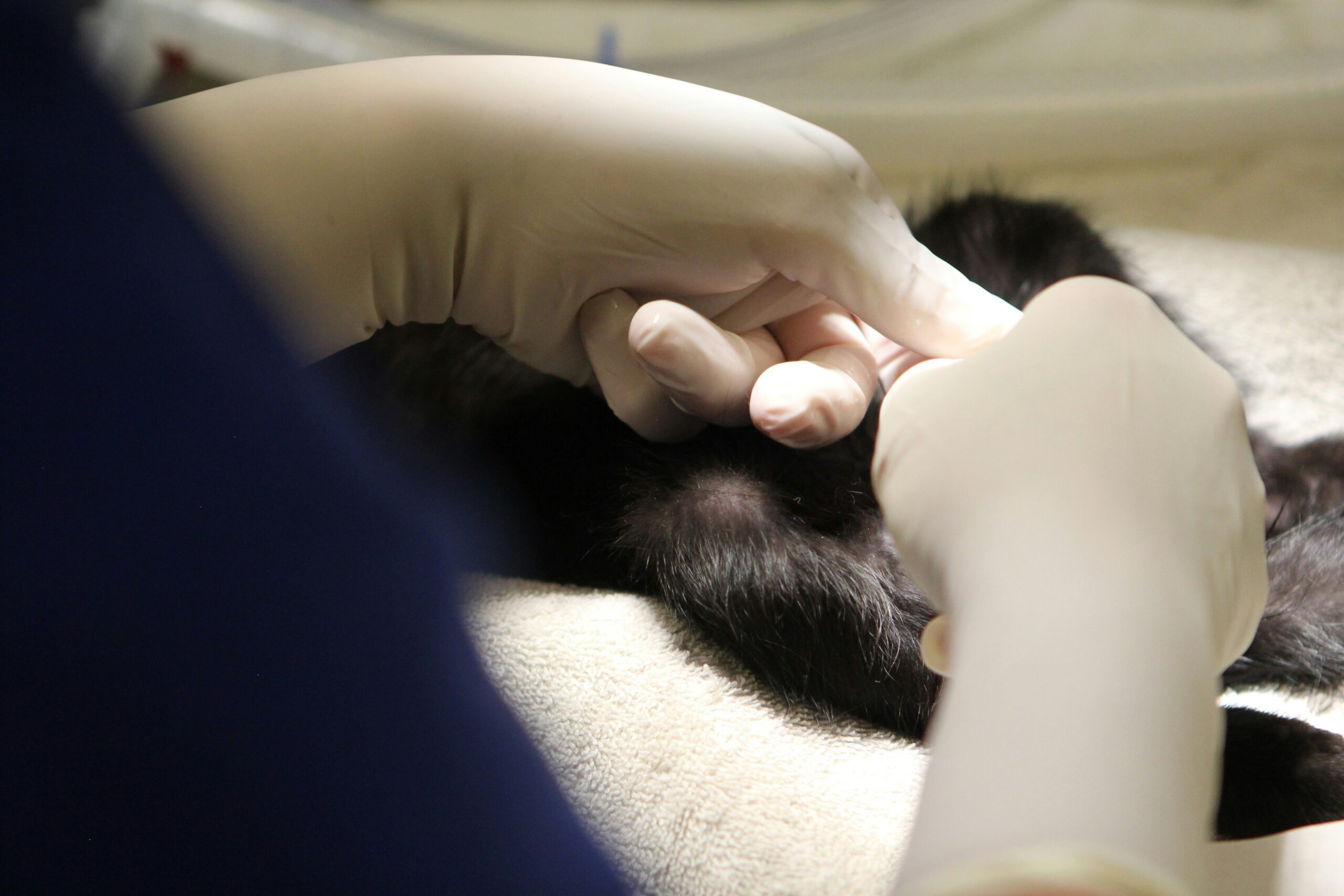
From the sterile gloves you see the vet technicians use to the specialized medications, laboratory supplies, and even the electricity that powers the clinic’s diagnostic equipment, virtually every input has seen its price tag grow. This ripple effect, stemming from global supply chain disruptions, increased energy costs, and broader economic pressures, inevitably translates to higher operational expenses for veterinary practices. Think of it as the cost of doing business itself becoming more expensive, and these costs are then passed down to the end consumer – you.
Labor Market Dynamics and Skilled Professionals
The veterinary field relies heavily on skilled, educated professionals. Veterinarians, veterinary technicians, and support staff undergo extensive training and education.
The Shortage of Veterinary Professionals
Unfortunately, there’s a growing deficit in the number of veterinarians entering the workforce and staying in practice. Burnout, student loan debt, and demanding work conditions are contributing factors. This scarcity drives up wages as practices compete for talent, a cost that directly impacts the fees you pay for their expertise. You’re not just paying for the doctor’s time; you’re paying for years of dedicated study and the retention of highly specialized skills in a competitive market.
The Value of Specialized Knowledge
Veterinary medicine, much like human medicine, has become increasingly specialized. The veterinarian who can perform complex orthopedic surgery or diagnose rare neurological conditions possesses a depth of knowledge that commands a higher value. The investment in continuing education, advanced training, and the certification required for these specialties is substantial, and the fees reflect this specialized expertise.
Technological Advancements: The Double-Edged Scalpel
Advancements in veterinary medicine are a beacon of hope, offering better diagnostics, treatments, and ultimately, improved health outcomes for your pets. However, these innovations come with a significant price tag.
Sophisticated Diagnostic Equipment
Modern veterinary practices now boast equipment that rivals human hospitals. MRI and CT scanners, digital radiography, advanced ultrasound machines, and in-house laboratory analyzers provide unparalleled diagnostic capabilities.
The Purchase and Maintenance of High-Tech Gear
Acquiring these cutting-edge machines represents a massive capital investment for veterinary clinics. Beyond the initial purchase, there are ongoing costs for maintenance, software updates, calibration, and the expensive consumables required to operate them. The practice must amortize these investments over time, and that amortization is factored into the services you receive. It’s akin to buying a sports car; the initial outlay is substantial, and the upkeep, fuel, and specialized parts all contribute to its overall running cost.
The Expertise to Utilize New Technologies
Furthermore, operating and interpreting the results from these complex machines requires highly trained personnel. Veterinarians and technicians need to be proficient in their use, which often involves further specialized training. This investment in human capital to leverage technological advancements also becomes a cost component.
Innovative Treatment Modalities
Beyond diagnostics, treatments have also become more sophisticated. Options like chemotherapy, advanced surgical techniques, laser therapy, and even emerging regenerative medicine are now available.
The Cost of Specialized Medications and Therapies
Many of these advanced treatments involve specialized medications, some of which are proprietary and carry high manufacturing costs. Similarly, the specialized equipment and consumables for therapies like radiation or hyperbaric oxygen therapy are expensive to acquire and maintain. You’re not just paying for the procedure; you’re paying for the unique ingredients, the intricate delivery systems, and the dedicated space required for these advanced interventions.
The Investment in Continuing Education for Emerging Treatments
Keeping abreast of these new treatment modalities requires continuous professional development for veterinarians. Attending conferences, workshops, and completing specialized courses to become proficient in these cutting-edge therapies represents a significant time and financial investment for both the individual practitioner and the practice.
As pet ownership continues to rise, the financial burden of veterinary care has become a growing concern for many families. A related article discusses the implications of the rising cost of veterinary services in 2026 and offers insights into how pet owners can navigate these challenges. For more information on this pressing issue, you can read the full article here: Rising Cost of Veterinary Care in 2026.
The Shadow of Litigation and Regulation: Navigating a Complex Landscape
Beyond the practical realities of running a business and adopting new technologies, external factors are also contributing to the escalating cost of veterinary care.
The Rise of Veterinary Malpractice Insurance
The practice of veterinary medicine, while focused on healing, is not immune to the possibility of unforeseen complications or adverse outcomes. As with any profession involving healthcare, the specter of litigation, however rare, necessitates comprehensive insurance.
Increased Premiums for Veterinary Practices
Veterinary malpractice insurance premiums have been on an upward trajectory. This increase is driven by several factors, including the rising cost of legal defense, the increasing complexity of veterinary procedures, and a greater awareness among pet owners of their legal recourse. These higher insurance costs are a direct overhead expense that veterinary practices must absorb. The premium you pay for a routine check-up might be a small fraction reflecting this hidden cost, a necessary safeguard in a profession where outcomes can be unpredictable.
Legal Fees and Defense Costs
The cost of defending against a malpractice claim, even if it is ultimately unfounded, can be substantial. This includes legal representation, expert witness fees, and court costs. Practices must factor in the potential for these significant expenses into their overall financial planning. To mitigate risk, practices may implement more stringent protocols and documentation, which, while beneficial for patient care, can also add to administrative burdens and indirectly influence operational costs.
Evolving Regulatory Requirements
The veterinary profession is subject to a growing web of regulations at local, state, and federal levels. These regulations, while often enacted with good intentions to ensure public health and animal welfare, can impose additional operational burdens and costs.
Enhanced Biosecurity and Infection Control Measures
Following global events and increased awareness of zoonotic diseases (diseases transmissible from animals to humans), veterinary clinics face stricter requirements for biosecurity and infection control. This involves investing in specialized cleaning agents, personal protective equipment, waste disposal protocols, and potentially facility modifications to meet these evolving standards. The invisible walls of enhanced hygiene come at a tangible cost.
Compliance with Prescription Drug Regulations
The regulation of prescription drugs, including those used in veterinary medicine, is becoming more complex. Ensuring compliance with labeling requirements, controlled substance protocols, and dispensing regulations adds administrative and operational overhead for veterinary pharmacies within practices. Navigating this labyrinth of rules requires dedicated staff time and potentially specialized software.
The Increasing Personalization of Pet Care: A Demand for Higher Standards

You view your pet not as an anonymous animal, but as an individual with unique needs and deserving of the best possible care. This shift in perception, while wonderful for animal welfare, is also a significant driver of increased veterinary expenses.
The Humanization of Pets
The trend of “pet parents” viewing their animals as children has profoundly changed how people approach pet healthcare. This emotional investment naturally leads to a desire for the highest quality of care, mirroring the standards expected for human family members.
Expectation of Advanced Medical Interventions
As a result, you are more likely to seek out advanced diagnostics and treatments, even for conditions that might have been considered untreatable or managed more conservatively in the past. This heightened expectation from consumers is a powerful force shaping the services offered and, consequently, the prices charged. The desire to give your pet every chance, even for serious ailments, is a testament to your love, but it also acknowledges the escalating costs of specialized interventions.
Increased Demand for Preventative and Wellness Care
Beyond treating illness, there’s a growing demand for comprehensive preventative care. This includes routine check-ups, vaccinations, parasite control, dental cleanings, and even specialized wellness plans. While crucial for long-term health and potentially avoiding more costly issues down the line, these services represent ongoing expenses. You are investing in a proactive approach, which, while prudent, adds to the annual veterinary budget.
The Rise of Niche and Specialty Services
The specialization observed in human medicine is now a prominent feature of veterinary care. This offers incredible benefits but also contributes to higher costs.
Emergence of Specialized Veterinary Hospitals
You now have access to a growing number of specialized veterinary hospitals focusing on areas like cardiology, oncology, neurology, dermatology, and emergency and critical care. These facilities often house state-of-the-art equipment and employ highly skilled specialists.
The Cost of Specialized Expertise and Facilities
The operational costs of these specialized centers are significantly higher than those of general practices. The salaries for board-certified specialists are higher, the equipment is more advanced and expensive to acquire and maintain, and the dedicated facilities require specialized infrastructure. These are not your local neighborhood vet; they are highly sophisticated medical centers for animals.
The Price of Cutting-Edge Treatment Options
These specialty hospitals offer treatments that were once only available in human medicine, such as advanced surgical procedures, radiation therapy, and complex internal medicine interventions. The resources, expertise, and technology required for these cutting-edge treatments come with a commensurate price tag.
The Economic Realities of the Veterinary Profession: Balancing Passion with Profitability

While many enter the veterinary field driven by a profound love for animals, it is crucial to acknowledge that veterinary practices are businesses operating within a capitalist framework. The financial realities of keeping a practice open and sustainable can no longer be overlooked.
The Challenge of Student Loan Debt
The significant financial burden of veterinary school education is a major factor contributing to the financial strain on individual veterinarians and, consequently, the profession as a whole.
The Weight of Student Loans
Graduating veterinarians often carry substantial student loan debt, sometimes hundreds of thousands of dollars. This debt significantly impacts their earning potential and financial decisions, influencing their career choices and salary expectations. Practices must offer competitive compensation to attract and retain these highly qualified individuals, and that compensation is ultimately reflected in service fees.
The Need for Competitive Compensation to Attract Talent
To attract and retain skilled veterinarians, practices must offer competitive salaries and benefits packages. The pressure to make their professional lives financially viable can lead to higher service fees. It’s a necessary function of the market; without competitive compensation, the services you rely on might become scarce.
The Profitability Squeeze: Margin Erosion
Despite the rising prices you perceive, many veterinary practices are facing a profit squeeze. The increasing costs of operations are not always fully offset by price increases.
Rising Overhead Costs Outpacing Revenue Growth
As previously discussed, the escalating costs of supplies, equipment, labor, and technology are often growing at a faster rate than the revenue a practice can generate through service fees. This creates a situation where practices are struggling to maintain profitability. Think of it like a boat navigating choppy waters; the waves of rising costs are constantly threatening to swamp the vessel, and keeping it afloat requires careful maneuvering and, at times, a slightly higher fare.
The Limited Elasticity of Demand for Essential Services
While some veterinary services may be viewed as discretionary, many are essential for an animal’s well-being. This means that even as prices increase, demand for these crucial services may not decrease significantly, a phenomenon known as inelastic demand. However, this doesn’t mean practices have unlimited pricing power; there’s a point where affordability becomes a major barrier for pet owners.
As pet ownership continues to rise, many are becoming increasingly concerned about the escalating costs associated with veterinary care. A recent article highlights the challenges pet owners face in 2026, as prices for routine check-ups and emergency services soar. For those looking to understand the financial implications of these rising costs, the article provides valuable insights and tips on managing pet healthcare expenses. To learn more about this pressing issue, you can read the full article here.
Preparing for the Financial Future: Strategies for Pet Owners
| Year | Average Veterinary Visit Cost | Annual Pet Healthcare Inflation Rate | Percentage Increase Since 2022 | Common Cost Drivers |
|---|---|---|---|---|
| 2022 | 120 | 5% | — | Basic exams, vaccinations |
| 2023 | 126 | 5.5% | 5% | Advanced diagnostics, medication |
| 2024 | 133 | 6% | 10.8% | Specialist consultations, surgery |
| 2025 | 141 | 6.5% | 17.5% | New technology, increased labor costs |
| 2026 (Projected) | 150 | 7% | 25% | Inflation, supply chain issues, advanced treatments |
The reality of escalating veterinary costs is undeniable. However, you are not without agency. By adopting strategic approaches, you can better manage these expenses and ensure your beloved pet receives the care they need.
Proactive Financial Planning and Saving
The most effective way to mitigate the impact of high veterinary costs is to prepare in advance.
Establishing a Dedicated Pet Health Savings Fund
Consider setting up a separate savings account specifically for your pet’s healthcare needs. Regularly contribute a set amount, no matter how small, to build a financial cushion for routine care, unexpected illnesses, or emergencies. This fund acts as a personal insurance policy, allowing you to tap into it without derailing your household budget.
Budgeting for Routine and Preventative Care
Incorporate routine veterinary visits, vaccinations, and preventative treatments into your overall household budget. Treating these as essential recurring expenses rather than optional add-ons can help prevent sticker shock when the bill arrives. By front-loading these costs, you are investing in your pet’s long-term health and potentially avoiding larger, more emergent expenses later.
Exploring Pet Insurance Options Carefully
Pet insurance can be a valuable tool for managing unexpected veterinary costs, but it requires careful consideration.
Understanding Policy Coverage and Limitations
Thoroughly research different pet insurance providers and their policies. Pay close attention to coverage limits, deductibles, co-pays, waiting periods, and exclusions. What conditions are covered? Does it cover pre-existing conditions? Is there an annual or lifetime maximum? Read the fine print as diligently as you would read a contract for a significant life decision.
Comparing Premiums and Benefits of Various Plans
The cost of pet insurance premiums varies widely based on your pet’s age, breed, species, and the level of coverage you choose. Compare several plans to find one that offers the best balance of cost and benefits for your specific circumstances and your pet’s health profile. Don’t just opt for the cheapest; consider what you’re actually getting for your money.
Advocating for Your Pet and Your Wallet
As a consumer, you have a voice. Understanding your options and advocating for your pet’s well-being can lead to better outcomes both medically and financially.
Discussing Treatment Options and Costs Transparently with Your Veterinarian
Don’t hesitate to have open and honest conversations with your veterinarian about treatment options, potential costs, and alternative approaches. Discuss the prognosis associated with different interventions and the financial implications of each. Your veterinarian is your partner in your pet’s care and should be able to guide you through these decisions. Asking “What are my options, and what are the associated costs for each?” is a pivotal question.
Researching Emergency and Specialty Clinics in Advance
For unforeseen emergencies, knowing where to go can reduce stress and potentially cost. Research local emergency veterinary hospitals and specialty clinics in advance. Understand their operating hours, services offered, and general fee structures. This proactive step can save valuable time and prevent you from making a rushed decision in a crisis.
The soaring expense of veterinary care in 2026 is not a simple problem with a single solution. It is a complex interplay of economic forces, technological advancements, evolving regulations, and a deeply ingrained human-animal bond. By understanding these drivers, you can approach the future of your pet’s healthcare with greater preparedness and a clearer perspective. Your commitment to your pet’s well-being is a profound expression of love, and by navigating these financial realities with diligence and foresight, you can continue to provide them with the healthy and happy lives they deserve.
FAQs
What factors are contributing to the rising cost of veterinary care in 2026?
Several factors contribute to the rising cost of veterinary care, including advancements in medical technology, increased prices for medications and supplies, higher operational costs for veterinary clinics, and a growing demand for specialized treatments.
How much has the cost of veterinary care increased in recent years?
The cost of veterinary care has steadily increased over the past decade, with some estimates showing an average annual increase of 5-7%. By 2026, these costs are expected to be significantly higher compared to previous years due to inflation and enhanced medical services.
Are there specific types of veterinary services that have become more expensive?
Yes, specialized services such as advanced diagnostics, surgical procedures, and treatments for chronic conditions have seen notable price increases. Additionally, emergency care and hospitalization costs have also risen due to the need for more sophisticated equipment and round-the-clock staffing.
What impact does the rising cost of veterinary care have on pet owners?
Rising veterinary costs can lead to financial strain for pet owners, potentially causing delays in seeking care or opting for less comprehensive treatments. This may affect the overall health and well-being of pets, emphasizing the importance of pet insurance and preventive care.
Are there ways to manage or reduce veterinary care expenses in 2026?
Pet owners can manage costs by investing in pet insurance, maintaining regular preventive care, seeking veterinary clinics that offer payment plans or discounts, and discussing treatment options with their veterinarians to find cost-effective solutions without compromising care quality.