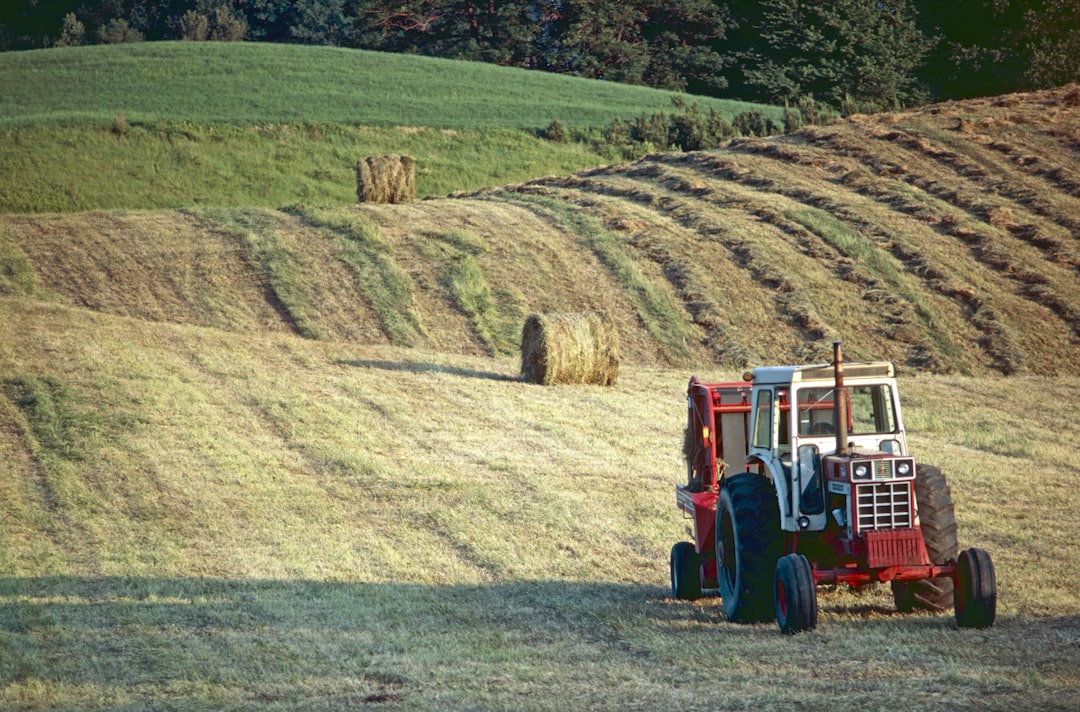
Farmland investment has become an increasingly popular option for investors looking to diversify their portfolios. With global population growth driving increased demand for food and agricultural products, farmland represents a potentially valuable asset class. Investors often view farmland as a hedge against inflation and market volatility, while also offering the opportunity to support sustainable food production and environmental conservation.
Farmland investment, however, involves specific risks and challenges that require careful consideration. Prospective investors must understand these potential obstacles to make sound investment decisions and protect their capital. This article examines the key risks associated with farmland investment, including market fluctuations and environmental factors, and outlines strategies for effective risk management.
Investing in farmland investment can provide sustainable returns and long-term growth opportunities.
Key Takeaways
- Farmland investment carries diverse risks including market volatility, environmental challenges, and regulatory changes.
- Climate change and environmental factors significantly impact farmland productivity and value.
- Legal, ownership, and geopolitical issues can complicate farmland investment security.
- Access to capital and liquidity constraints affect the ability to manage and grow farmland assets.
- Effective risk mitigation requires understanding operational, technological, and market demand dynamics.
Market Volatility and Price Fluctuations
One of the most significant risks you face when investing in farmland is market volatility. Agricultural markets can be highly unpredictable, influenced by a myriad of factors such as weather conditions, commodity prices, and global demand. For instance, a sudden drought or flood can drastically affect crop yields, leading to fluctuations in prices that can impact your investment’s value.
You may find that understanding these market dynamics is essential for navigating the complexities of farmland investment. Price fluctuations can also be driven by changes in government policies, trade agreements, and international relations. For example, tariffs imposed on agricultural products can lead to sudden shifts in market prices, affecting your returns.
As an investor, you should stay informed about these developments and consider how they might impact your farmland investment. By doing so, you can better position yourself to respond to market changes and protect your investment from potential downturns.
Environmental Risks and Climate Change
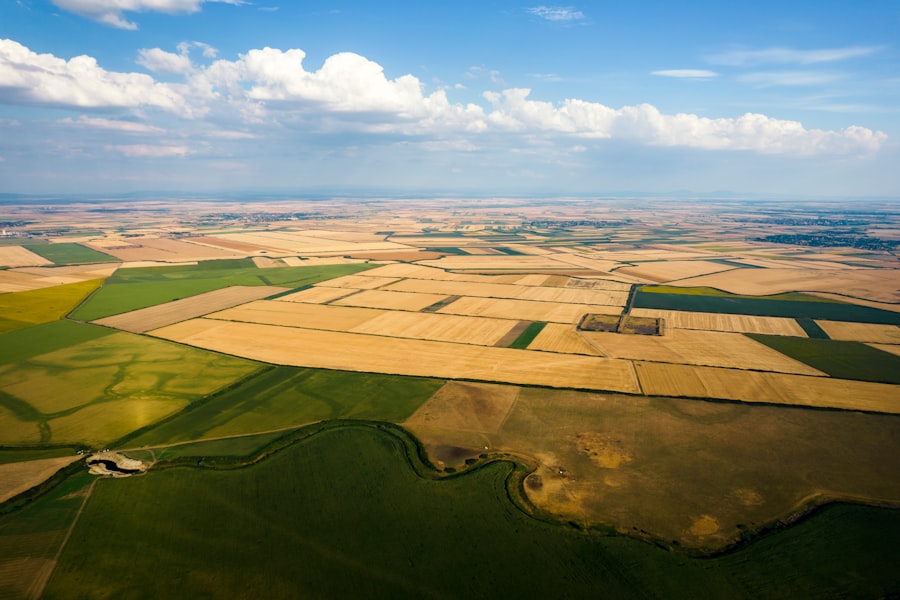
Environmental risks are another critical consideration when investing in farmland. Climate change poses significant challenges to agricultural production, with rising temperatures, changing precipitation patterns, and increased frequency of extreme weather events all impacting crop yields. You may find that understanding the specific environmental conditions of the land you are considering for investment is vital for assessing its long-term viability.
Moreover, environmental regulations are becoming increasingly stringent as governments worldwide seek to address climate change and promote sustainable practices. These regulations can affect land use, water rights, and farming practices, potentially impacting your investment’s profitability. As an investor, it is essential to evaluate the environmental sustainability of the farmland you are considering and ensure that it aligns with both regulatory requirements and market expectations.
Regulatory and Policy Risks
Regulatory and policy risks are inherent in any investment, but they can be particularly pronounced in the agricultural sector. Government policies regarding land use, subsidies, and agricultural practices can significantly influence the profitability of your farmland investment. You may encounter changes in regulations that could affect your ability to farm the land or sell your produce at a competitive price.
Additionally, zoning laws and land-use regulations can vary widely by region, impacting your investment’s potential returns. It is crucial to conduct thorough due diligence on the regulatory environment surrounding any farmland you are considering. By staying informed about potential policy changes and understanding how they may affect your investment, you can better navigate the complexities of farmland ownership.
Land Management and Operational Risks
| Risk Factor | Description | Potential Impact | Mitigation Strategies |
|---|---|---|---|
| Market Volatility | Fluctuations in commodity prices and land values | Reduced returns or losses on investment | Diversify crops and regions; long-term investment horizon |
| Climate Change | Unpredictable weather patterns affecting crop yields | Lower productivity and increased operational costs | Invest in resilient crop varieties; implement sustainable practices |
| Regulatory Risks | Changes in land use policies, taxes, or subsidies | Increased costs or restrictions on land use | Stay informed on policy changes; engage with local authorities |
| Liquidity Risk | Difficulty in quickly selling farmland assets | Inability to access capital when needed | Maintain diversified portfolio; plan exit strategies in advance |
| Operational Risks | Management challenges, labor shortages, or equipment failure | Reduced efficiency and increased expenses | Hire experienced managers; invest in training and maintenance |
| Environmental Risks | Soil degradation, pests, and water scarcity | Decline in land productivity and value | Adopt conservation practices; monitor soil and water health |
Effective land management is essential for maximizing the productivity of your farmland investment. However, operational risks can arise from various factors, including poor management practices, labor shortages, and equipment failures. You may find that investing in farmland requires not only capital but also a commitment to ongoing management and operational oversight.
Labor availability is a significant concern in agriculture, particularly during peak planting and harvesting seasons. A shortage of skilled labor can hinder your ability to manage the land effectively and maximize yields. Additionally, equipment breakdowns or failures can lead to costly delays and reduced productivity.
As an investor, it is essential to develop a robust management plan that addresses these operational risks and ensures that your farmland remains productive over the long term.
Access to Capital and Liquidity Risks
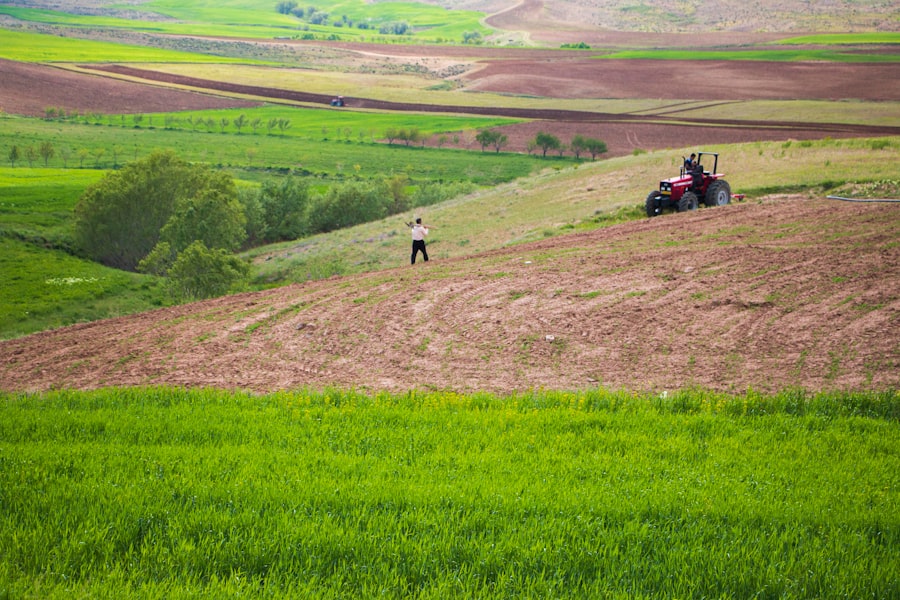
Access to capital is a critical factor in farmland investment, as it often requires significant upfront costs for purchasing land and equipment.
Understanding your financing options and developing a solid financial plan is essential for mitigating this risk.
Liquidity risks also come into play when investing in farmland. Unlike stocks or bonds, farmland is not a liquid asset; selling it quickly may not be feasible without incurring significant losses. You should consider your long-term investment strategy carefully and ensure that you have sufficient liquidity to cover any unexpected expenses or downturns in the market.
By planning ahead and maintaining a diversified portfolio, you can better manage these financial risks associated with farmland investment.
Legal and Ownership Risks
Legal risks are another important consideration when investing in farmland. Issues related to land ownership, title disputes, and easements can complicate your investment and potentially lead to costly legal battles. You may find that conducting thorough title searches and obtaining legal advice before purchasing farmland is essential for protecting your interests.
Additionally, understanding local laws regarding land use and agricultural practices is crucial for ensuring compliance and avoiding potential legal issues down the line. Zoning regulations may restrict how you can use the land or what types of crops you can grow. By familiarizing yourself with these legal considerations, you can minimize the risk of encountering legal challenges that could jeopardize your investment.
Geopolitical and International Trade Risks
Geopolitical factors can significantly impact agricultural markets and farmland investments. Trade agreements, tariffs, and international relations all play a role in determining the demand for agricultural products and the prices you can expect to receive for your crops. You may find that staying informed about global political developments is essential for understanding how they might affect your investment.
For instance, tensions between countries can lead to trade restrictions or sanctions that impact agricultural exports. Changes in international trade policies can also create opportunities or challenges for farmers depending on their location and crop types. As an investor in farmland, it is crucial to consider these geopolitical factors when assessing potential investments and developing strategies for navigating an ever-changing global landscape.
Technology and Innovation Risks
The agricultural sector is undergoing rapid technological advancements that can both benefit and challenge investors in farmland. Innovations such as precision agriculture, biotechnology, and automation have the potential to increase yields and reduce costs significantly. However, you may also face risks associated with adopting new technologies or failing to keep pace with industry advancements.
Investing in outdated farming practices or technologies can hinder your competitiveness in the market. Additionally, there may be regulatory hurdles associated with new technologies that could impact their adoption or implementation on your farmland. As an investor, it is essential to stay informed about emerging technologies in agriculture and consider how they might enhance your investment’s productivity while also being mindful of potential risks.
Market Demand and Consumer Behavior Risks
Understanding market demand and consumer behavior is crucial for successful farmland investment. Changes in consumer preferences can significantly impact the types of crops that are profitable to grow. For example, a growing trend toward organic produce or plant-based diets may influence what you choose to cultivate on your land.
You may find that staying attuned to these trends is essential for maximizing your returns. Additionally, fluctuations in demand due to economic conditions or shifts in consumer behavior can affect crop prices and overall profitability. As an investor, it is vital to conduct thorough market research and stay informed about consumer trends that could impact your farmland investment.
By aligning your farming practices with market demand, you can better position yourself for success in an ever-evolving agricultural landscape.
Conclusion and Risk Mitigation Strategies
In conclusion, while investing in farmland presents numerous opportunities for growth and diversification, it also comes with a range of risks that require careful consideration. From market volatility to environmental challenges and regulatory hurdles, understanding these risks is essential for making informed investment decisions. As you navigate the complexities of farmland investment, consider implementing risk mitigation strategies such as diversifying your portfolio, conducting thorough due diligence on potential investments, and staying informed about market trends.
By proactively addressing these risks and developing a comprehensive investment strategy, you can enhance your chances of success in the dynamic world of farmland investment. Remember that knowledge is power; staying informed about industry developments will empower you to make strategic decisions that align with your financial goals while contributing positively to sustainable agriculture practices.
Investing in farmland can be a lucrative opportunity, but it also comes with its own set of dangers that potential investors should be aware of. For a deeper understanding of these risks, you can read the article on farmland investment strategies at