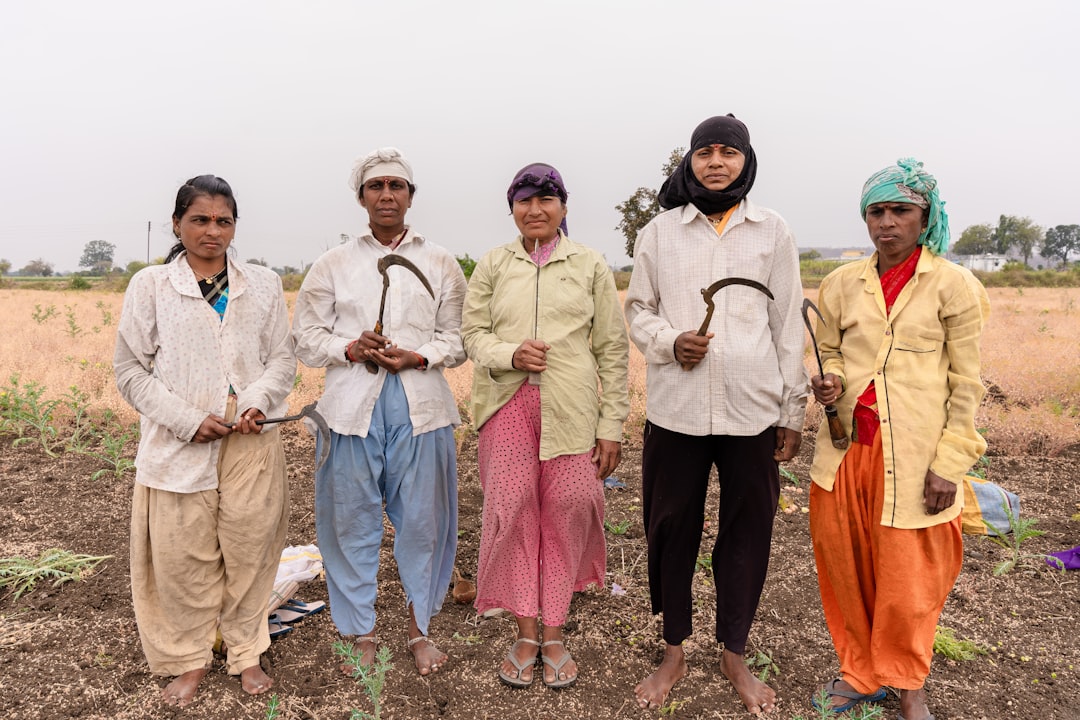
The dream of owning and working your own piece of earth, of nurturing crops and livestock, is a powerful one. It’s a dream that fuels a vital industry, one that feeds you, your community, and beyond. Yet, for a growing number of aspiring agriculturalists, this dream is becoming increasingly unattainable. You see it, you feel it – the relentless ascent of land prices is erecting a formidable barrier, pushing young farmers further away from the very foundation of their profession.
The agricultural landscape is changing, not just in terms of technology and methods, but in its fundamental economics. Land, the ultimate asset for any farmer, has transformed from a tangible resource to an increasingly speculative commodity. This shift has profound implications for the next generation of farmers, those who possess the passion, the knowledge, and the drive, but lack the significant capital required to enter the market.
The Escalating Price Tag: A Growing Chasm
The most immediate and glaring obstacle is, undeniably, the sheer cost of acquiring land. What was once a manageable, albeit significant, investment is now a Herculean financial undertaking. This isn’t a minor fluctuation; it’s a sustained, upward trajectory that seems to have no ceiling in sight.
Historical Trends and Current Realities
For decades, land ownership has been the cornerstone of a farmer’s viability. However, the past twenty to thirty years have witnessed an unprecedented surge in agricultural land values. This isn’t a phenomenon confined to a single region or country; it’s a global trend with local manifestations. You might recall stories from previous generations about purchasing farmland for a fraction of today’s prices, a stark reminder of how much the economic landscape has shifted. The inflation-adjusted figures paint a sobering picture, revealing that the real cost of land has outpaced general inflation by a considerable margin. This makes it exceptionally difficult for young farmers without inherited wealth or substantial prior savings to even contemplate a purchase.
Factors Driving Land Price Inflation
Multiple forces are at play, coalescing to create this increasingly prohibitive market. It’s not a simple case of supply and demand, though that plays a role.
Investment and Speculative Buying
You’ve likely heard about non-farming entities and individuals investing in agricultural land. These investors, often driven by perceived stability and potential returns, view farmland not just as a source of agricultural production, but as a financial asset. This influx of capital, not necessarily tied to active farming practices, can artificially inflate prices, pushing them beyond what a working farmer can afford or justify on agricultural returns alone. They are buying land for its potential future value, not necessarily for what it can produce today for a family-run operation.
Urban Sprawl and Development Pressure
As urban and suburban populations expand, the pressure on surrounding agricultural land intensifies. Developers eye fertile tracts for housing, commercial complexes, and infrastructure projects. This competition drives up the price of land, even for those sections that remain in agricultural use, as their proximity to development makes them more valuable to a wider array of buyers. You see the encroaching subdivisions and infrastructure projects, and you know that the land adjacent to them is also seeing its value, and thus its price, climb.
Government Policies and Subsidies
While intended to support agriculture, certain government policies and subsidies can, inadvertently, contribute to land price increases. Subsidies tied to acreage can make it more attractive for larger operations to expand, and when combined with investment capital, can further increase demand and thus prices. The focus of some policies might be on production volume rather than on supporting the entry of new, smaller-scale farmers.
In 2026, the challenges faced by young farmers in affording land have become increasingly pronounced, as highlighted in a related article that delves into the economic barriers and rising land prices. The article discusses how factors such as student debt, limited access to financial resources, and the consolidation of agricultural land into larger operations contribute to the struggle of new entrants in the farming industry. For more insights on this pressing issue, you can read the full article [here](https://www.howwealthgrows.com/sample-page/).
The Capital Conundrum: Bridging the Funding Gap
Beyond the sticker price, the ability to secure financing for land purchases presents another significant hurdle for young farmers. Banks and lending institutions often require substantial down payments, a significant portion of which is now the land itself.
Loan Requirements and Down Payment Expectations
Traditional agricultural loans, while available, typically require a considerable down payment. For land costing several hundreds of thousands or even millions of dollars, a 10-20% down payment represents a truly enormous sum. It’s a figure that many young farmers, fresh out of agricultural college or taking over family operations, simply cannot amass. This leaves them in a Catch-22: they need land to farm and generate income, but they need income and capital to acquire the land.
Creditworthiness and Risk Assessment
Lenders assess risk, and for nascent agricultural businesses, especially those without a long track record or significant existing assets, the perception of risk can be higher. This can translate into less favorable loan terms, higher interest rates, or outright rejections. Proving creditworthiness without substantial collateral or a proven history of profitable farming becomes a major challenge. You might have the best business plan, the most innovative ideas, but if you don’t have a history of large financial transactions or significant assets to pledge, securing that loan can feel like an uphill battle.
Alternative Financing and Their Limitations
While various alternative financing options exist, such as private loans, crowdfunding, or specialized agricultural funds, they often come with their own sets of challenges. These might involve higher interest rates, shorter repayment periods, or the dilution of ownership. They are not always a perfect substitute for conventional, accessible financing.
The Challenge of Succession: Passing the Torch
The demographic reality of farming is that many farmers are aging, and the planned succession of farms to the next generation is a critical issue. However, even when family land is available, the transfer process can be fraught with financial and logistical complexities.
Inherited Wealth and Existing Operations
A significant portion of land that does enter the market or become available for transfer often does so within existing farming families. This means that young farmers who don’t have such family ties are at a significant disadvantage from the outset. Even within families, the terms of inheritance or transfer can be complex, involving estate taxes, the needs of other heirs, or the cost of modernization for the farm to be viable for the next generation.
The Burden of Debt When Taking Over
Young farmers who inherit or take over a family farm might also inherit existing farm debt, further compounding their financial burden. The land might be physically present, but the financial liabilities associated with it can be a heavy weight to bear from day one. This can restrict their ability to invest in new equipment or practices, hindering their long-term success.
The Viability Question: Can Young Farmers Compete?
Even if a young farmer manages to secure land, the question of economic viability looms large. The high cost of land, coupled with other increasing operational expenses, creates a tight margin for profitability.
High Overhead Costs Beyond Land
Land is just one part of the equation. You also have to contend with the rising costs of inputs like fertilizers, seeds, fuel, and equipment. Furthermore, the cost of labor, utilities, and compliance with regulations all add to the financial pressure. When your initial investment in land is so massive, every other rising cost becomes amplified.
Market Volatility and Price Fluctuations
Agriculture is inherently subject to market volatility. Weather events, global economic shifts, and changes in consumer demand can all impact crop and livestock prices. For a young farmer with a significant debt burden tied to land, these fluctuations can be particularly devastating, making it difficult to meet loan repayments and maintain operational stability. A single bad season can have repercussions that extend for years.
Economies of Scale and the Competitive Landscape
Larger, established farms often benefit from economies of scale, allowing them to produce at a lower cost per unit. This puts immense pressure on smaller, newer operations to compete. The high cost of land exacerbates this, as young farmers may be forced to acquire less contiguous or less productive land, further hindering their ability to achieve competitive production costs.
In 2026, the challenges faced by young farmers in affording land have become increasingly pronounced, as highlighted in a recent article discussing the rising costs of agricultural real estate. Factors such as inflation, competition from large agribusinesses, and limited access to financing are making it difficult for new entrants to establish themselves in the industry. For a deeper understanding of the financial landscape affecting young farmers, you can read more in this insightful piece on how wealth is growing in the agricultural sector. To explore this further, visit this article.
Solutions and the Path Forward: Reimagining Agricultural Access
Addressing this crisis requires a multi-pronged approach, involving policy changes, innovative financial models, and a societal recognition of the importance of supporting new farmers.
Government Support and Policy Reform
Governments at all levels have a critical role to play. This could include:
Land Access Programs and Initiatives
Developing and expanding programs that facilitate land access for new farmers. This might involve:
- Land Trusts and Incubator Farms: Programs that acquire land and lease it to new farmers at affordable rates, often with mentorship and training components.
- Subsidized Land Purchases or Leases: Government-backed initiatives that offer financial assistance for land acquisition or provide long-term, low-cost lease agreements.
- Incentives for Landowners: Encouraging established farmers to sell or lease land to young farmers through tax breaks or other incentives.
Reforming Inheritance and Succession Laws
Reviewing and potentially reforming inheritance and estate tax laws to reduce the financial burden on young farmers taking over family operations. This could involve smoothing the transfer of assets without forcing a sale of productive land to cover tax liabilities.
Strengthening Agricultural Education and Mentorship
Investing in accessible, high-quality agricultural education and robust mentorship programs that equip new farmers with the skills and knowledge to navigate the challenges of the industry, including financial planning and land management.
Innovative Financial Instruments and Support
Beyond traditional banking, new financial models are crucial:
Community Investment and Cooperatives
Exploring models where communities can invest in local agriculture through cooperatives or community-supported agriculture (CSA) schemes that can help finance land acquisition and provide a stable market for produce.
“Farm J-Curve” Financing
Developing financing models that recognize the initial financial challenges faced by new farmers and offer more flexible repayment structures in the early years, aligning loan repayment with the farm’s growth trajectory.
Accessible Micro-Financing and Grant Programs
Expanding access to micro-financing and targeted grant programs specifically designed to help with the initial capital outlay for land and equipment for beginning farmers.
Shifting Societal Perceptions and Support
Ultimately, the future of farming depends on public understanding and support:
Valuing Local Food Systems and Agriculture
Promoting a greater public appreciation for the role of farmers in their communities and the importance of sustainable food production. This can translate into increased consumer demand for locally sourced products and a willingness to support policies that benefit agricultural producers.
Encouraging Collaboration and Knowledge Sharing
Fostering a culture of collaboration among farmers, where experienced individuals can mentor and support new entrants. This network effect can be invaluable in sharing best practices, equipment, and even land resources.
The dream of farming remains a powerful one, representing a connection to the land and a contribution to society. However, you can see it all around you – the rising costs of land are presenting a significant hurdle. Without proactive intervention and a collective commitment to supporting the next generation of farmers, this dream, and the future of our agricultural landscape, will continue to be under threat. It’s a complex problem, but one that demands our attention and innovative solutions if we are to ensure that the fields remain tended by those who are passionate about their stewardship.
FAQs
1. What are the main reasons why young farmers cannot afford land in 2026?
The main reasons why young farmers cannot afford land in 2026 include rising land prices, increasing competition from large corporate farms, and limited access to financing and credit.
2. How have land prices impacted young farmers’ ability to purchase land?
Land prices have significantly increased, making it difficult for young farmers to afford purchasing land. This has created a barrier to entry for many aspiring farmers who are unable to compete with the high prices.
3. What role do large corporate farms play in the challenges faced by young farmers?
Large corporate farms often have greater financial resources and purchasing power, allowing them to outbid young farmers for available land. This competition has made it increasingly difficult for young farmers to acquire land for their operations.
4. How has limited access to financing and credit affected young farmers?
Limited access to financing and credit has made it challenging for young farmers to secure the necessary funds to purchase land. Without access to affordable financing options, many young farmers are unable to overcome the financial barriers associated with land acquisition.
5. What are potential solutions to help young farmers afford land in 2026?
Potential solutions to help young farmers afford land in 2026 include government programs that provide financial assistance, initiatives to promote land access and affordability, and partnerships with organizations that support young farmers in acquiring land. Additionally, addressing the underlying factors contributing to high land prices and limited access to financing can help create a more favorable environment for young farmers.