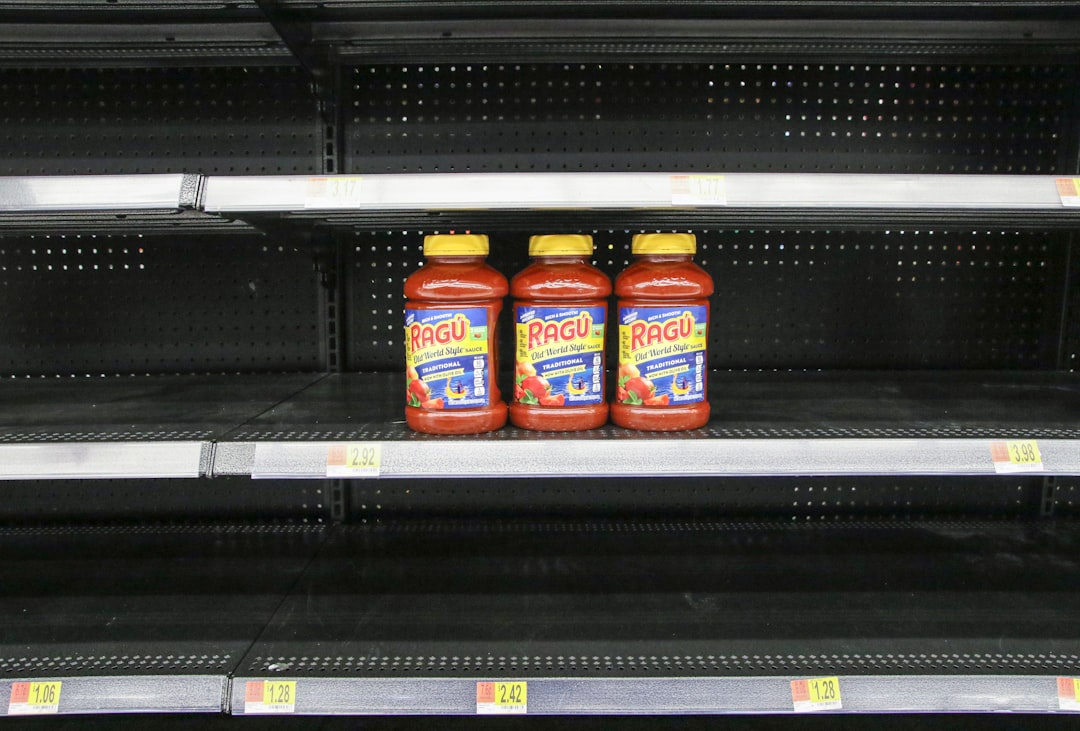
Grocery store prices have increased noticeably in recent years. Multiple interconnected factors influence food production and pricing, making it essential for consumers to understand the market conditions affecting their purchasing decisions and meal budgeting. The food supply chain, which encompasses production, distribution, and retail, has become increasingly complex.
This complexity directly impacts the final cost of groceries. Several key factors currently affect food prices: rising production costs, changing consumer demand patterns, and environmental pressures. Climate change, global economic conditions, and supply chain disruptions are primary drivers of price increases.
These elements interact with one another to shape food availability and affordability. By understanding these dynamics, consumers can make more informed purchasing decisions that account for both their budget constraints and personal priorities.
Key Takeaways
- Rising food costs are driven by climate change, increased demand for specialty foods, and higher transportation expenses.
- Global economic factors and government policies significantly influence food pricing dynamics.
- Technological advancements offer potential to improve food production efficiency and reduce costs.
- Consumers can adopt strategies to lessen the impact of rising food prices on their budgets.
- Future solutions require coordinated efforts to address environmental, economic, and regulatory challenges in the food industry.
Factors contributing to the rising cost of food
One of the primary factors driving up food prices is the increasing cost of raw materials. As you may have noticed, the prices of grains, meats, and dairy products have surged in recent years. This rise can be attributed to various elements, including supply chain disruptions, labor shortages, and increased demand for certain commodities.
For instance, when there are disruptions in production due to natural disasters or geopolitical tensions, the supply of these essential goods diminishes, leading to higher prices at the checkout counter. Additionally, inflation plays a significant role in the rising cost of food. As the economy fluctuates, so do the prices of goods and services.
You might find that your dollar doesn’t stretch as far as it used to, which can be particularly frustrating when it comes to purchasing food. The cumulative effect of these factors means that you may need to adjust your shopping habits and meal planning strategies to accommodate the changing landscape of food pricing. Investing in
Climate change is another critical factor influencing food production and pricing. As temperatures rise and weather patterns become increasingly erratic, agricultural yields are affected. You may have noticed that certain fruits and vegetables are more expensive or less available during specific seasons.
This fluctuation can be traced back to climate-related issues such as droughts, floods, and changing growing seasons. These environmental challenges not only impact the quantity of food produced but also its quality, which can further drive up prices. Moreover, as farmers face these challenges, they may need to invest in new technologies or practices to adapt to changing conditions.
This transition often comes with increased costs that are ultimately passed on to consumers like you. The ripple effect of climate change on food production is profound; it not only affects what you pay at the store but also raises questions about food security and sustainability in the long term.
Increased demand for organic and specialty foods
In recent years, there has been a noticeable shift in consumer preferences towards organic and specialty foods. As you become more health-conscious and environmentally aware, you may find yourself gravitating towards products that align with your values. However, this increased demand has also contributed to rising food prices.
Organic farming practices often require more labor and resources than conventional methods, which can lead to higher costs for producers. Consequently, these costs are reflected in the prices you see on the shelves. Additionally, specialty foods—such as gluten-free or plant-based options—are becoming more mainstream.
While this is great news for those with dietary restrictions or preferences, it also means that producers must scale up their operations to meet demand. This scaling process can be costly and time-consuming, further impacting prices. As you navigate your grocery shopping experience, it’s essential to consider how these trends affect your budget while still prioritizing your health and values.
Effects of transportation and distribution costs on food prices
| Factor | Description | Impact on Grocery Bill | Example Metric |
|---|---|---|---|
| Inflation | General increase in prices of goods and services | 10-15% increase in food prices annually | Food price index up 12% year-over-year |
| Supply Chain Disruptions | Delays and shortages due to transportation or production issues | 5-8% price increase on affected items | Shipping delays causing 7% rise in produce costs |
| Increased Demand | Higher consumer demand for certain products | 3-6% price increase on popular items | Surge in demand for organic foods raising prices by 5% |
| Energy Costs | Higher fuel and electricity costs affecting production and transport | 4-7% increase in overall grocery prices | Fuel price hikes adding 6% to delivery costs |
| Labor Shortages | Fewer workers leading to higher wages and operational costs | 2-4% increase in grocery prices | Wage increases contributing to 3% price rise |
| Food Waste | Loss of food due to spoilage or over-purchasing | Indirectly increases costs by 1-3% | Household food waste estimated at 30% of purchases |
| Changes in Consumer Habits | Shift towards premium or convenience products | 5-10% increase in average grocery spend | More purchases of ready-to-eat meals increasing costs |
Transportation and distribution costs are another significant factor influencing food prices. As you may know, food doesn’t just magically appear on store shelves; it undergoes a complex journey from farms to warehouses to retailers. Rising fuel prices can significantly impact transportation costs, which in turn affects the final price you pay for groceries.
When fuel prices increase, shipping companies often pass those costs onto producers, who then pass them onto consumers. Moreover, supply chain disruptions—whether due to natural disasters or global events—can exacerbate these issues. If transportation routes are compromised or if there are delays in shipping, the availability of certain products may dwindle, leading to price hikes.
As a consumer, being aware of these dynamics can help you make more informed choices about where and how you shop for food.
Influence of global economic factors on food costs
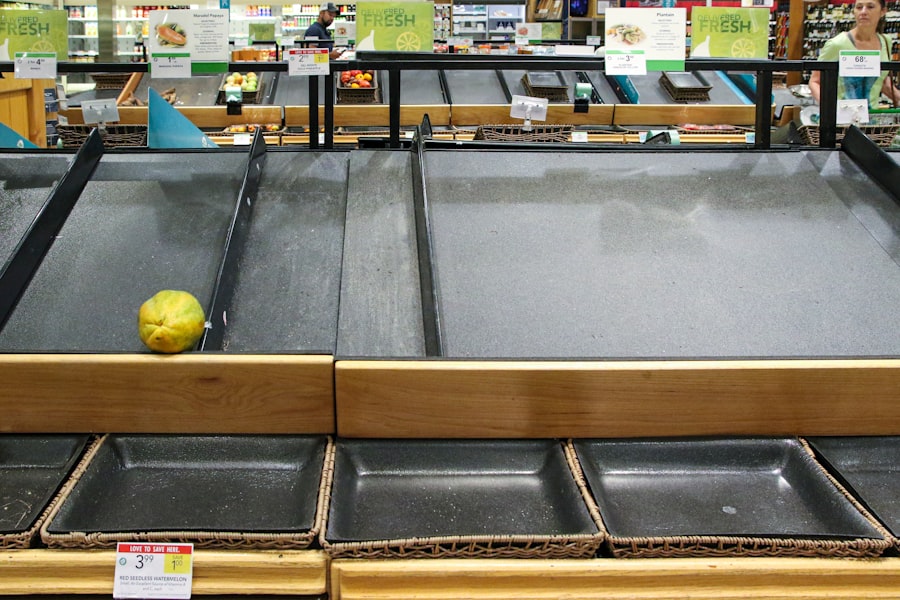
The global economy plays a crucial role in determining food prices as well. Economic fluctuations in one part of the world can have ripple effects that reach your local grocery store. For instance, trade policies and tariffs can impact the cost of imported goods.
If a country imposes tariffs on agricultural products from another nation, those costs may be passed down to consumers like you in the form of higher prices. Additionally, currency fluctuations can affect how much you pay for imported foods. If your country’s currency weakens against others, it can make foreign goods more expensive.
This interconnectedness means that even if you’re shopping locally, global economic factors can influence what you pay at checkout. Staying informed about these trends can help you anticipate changes in food pricing and adjust your shopping habits accordingly.
The role of government policies and regulations in food pricing
Government policies and regulations also play a significant role in shaping food prices. As a consumer, you may not always be aware of how legislation impacts what you pay for groceries. Subsidies for certain crops can lead to lower prices for those products while making others more expensive by comparison.
For example, if corn is heavily subsidized by the government, it may lead to lower prices for corn-based products but could also distort market dynamics for other crops. Moreover, regulations regarding food safety and quality can influence production costs as well. While these regulations are essential for ensuring consumer safety, they can also lead to increased expenses for producers who must comply with stringent standards.
These costs often trickle down to consumers like you in the form of higher prices at the store. Understanding how government policies affect food pricing can empower you as a consumer to advocate for changes that align with your values.
Technological advancements and their impact on food production and pricing
Technological advancements have revolutionized the food industry in many ways, impacting both production methods and pricing structures. Innovations such as precision agriculture allow farmers to optimize their yields while minimizing resource use. As a consumer, this means that some products may become more affordable as efficiency increases in farming practices.
The initial investment required for new technologies can be substantial, which may result in higher costs for consumers until those investments pay off over time. Additionally, as new technologies emerge—such as lab-grown meats or vertical farming—there may be a period of adjustment where prices fluctuate as producers adapt to new methods.
Staying informed about these advancements can help you understand their potential impact on your grocery bills.
Strategies for consumers to mitigate the impact of rising food costs
As food prices continue to rise, it’s essential for you as a consumer to develop strategies that can help mitigate these impacts on your budget. One effective approach is meal planning; by planning your meals for the week ahead, you can make more intentional choices about what ingredients you’ll need and avoid impulse purchases at the store. This practice not only helps reduce waste but also allows you to take advantage of sales and seasonal produce.
Another strategy is to consider buying in bulk or shopping at local farmers’ markets. Purchasing items in larger quantities can often lead to cost savings over time, especially for non-perishable goods or staples like grains and legumes. Additionally, supporting local farmers can provide access to fresh produce at competitive prices while also fostering community connections.
By being proactive about your shopping habits, you can navigate rising food costs more effectively.
The future outlook for food prices and potential solutions
Looking ahead, the future outlook for food prices remains uncertain but is likely influenced by several ongoing trends. Climate change will continue to pose challenges for agricultural production, potentially leading to further price increases if adaptation measures are not implemented effectively. However, there is also hope; advancements in technology and sustainable farming practices could help mitigate some of these impacts over time.
Potential solutions include advocating for policies that support sustainable agriculture and investing in local food systems that prioritize resilience against global market fluctuations. As a consumer, your voice matters; by supporting initiatives that promote sustainability and equity within the food system, you can contribute to positive change that benefits both your wallet and the environment.
Navigating the challenges of rising food prices
In conclusion, navigating the challenges posed by rising food prices requires awareness and adaptability on your part as a consumer. By understanding the various factors influencing food costs—from climate change to government policies—you can make informed decisions that align with your values while managing your budget effectively. Embracing strategies such as meal planning and supporting local producers can empower you to take control of your grocery shopping experience amidst an ever-changing landscape.
As you move forward in this complex environment, remember that every choice you make has an impact—not just on your wallet but also on the broader food system. By staying informed and engaged with these issues, you can contribute to a more sustainable future while ensuring that your family has access to nutritious foods at reasonable prices.
If you’ve noticed that your grocery bill is exploding lately, you’re not alone. Many consumers are feeling the pinch as food prices continue to rise due to various factors such as supply chain disruptions and inflation. For a deeper understanding of the economic forces at play, you can read a related article on this topic at How Wealth Grows. This resource provides insights into how these changes in the economy are impacting everyday expenses, including groceries.
WATCH THIS! The Gold Rush is Over. Now, the Dirt Rush is ON. 🚜💰
FAQs
Why are grocery bills increasing so rapidly?
Grocery bills are rising due to a combination of factors including inflation, supply chain disruptions, increased transportation costs, labor shortages, and higher prices for raw materials and commodities.
How does inflation affect grocery prices?
Inflation reduces the purchasing power of money, causing the cost of goods and services, including groceries, to increase. This means consumers pay more for the same items over time.
What role do supply chain issues play in grocery price increases?
Supply chain disruptions, such as delays in shipping, shortages of packaging materials, and limited availability of labor, can reduce the supply of food products, leading to higher prices at the store.
Are transportation costs impacting grocery bills?
Yes, rising fuel prices and transportation expenses increase the cost of moving goods from producers to retailers, which is often passed on to consumers through higher grocery prices.
How do labor shortages contribute to higher grocery prices?
Labor shortages in farming, processing, and retail sectors can reduce productivity and increase wages, both of which can lead to higher costs for grocery stores and, consequently, higher prices for consumers.
Can changes in consumer demand affect grocery prices?
Yes, shifts in consumer preferences or increased demand for certain products can strain supply and drive prices up, especially if supply cannot quickly adjust to meet demand.
Are there specific food items more affected by price increases?
Perishable goods like fresh produce, meat, and dairy often experience more significant price fluctuations due to their sensitivity to supply chain issues and seasonal factors.
What can consumers do to manage rising grocery costs?
Consumers can manage costs by budgeting, buying in bulk, choosing store brands, shopping sales, using coupons, and planning meals to reduce food waste.
Is the increase in grocery bills expected to continue?
While some factors causing price increases may stabilize over time, ongoing economic conditions, weather events, and global market trends can continue to influence grocery prices in the near future.