You’ve likely seen the headlines yourself. Farmland, once primarily the domain of generational farmers and agricultural conglomerates, has been quietly, and then not so quietly, emerging as a significant player in the investment landscape. The numbers are striking: a reported 231% increase in farmland value since 2008. This isn’t a fleeting trend; it’s a substantial shift that warrants your attention, whether you’re an experienced investor or just beginning to explore alternative asset classes.
This surge isn’t an accident. It’s the result of a complex interplay of global forces, economic shifts, and fundamental human needs. Understanding the drivers behind this rise is crucial for you to make informed decisions about whether farmland investment aligns with your financial goals.
You’ve witnessed the traditional bastions of investment – stocks, bonds, real estate – undergo considerable volatility, particularly in the wake of the 2008 financial crisis and more recent global disruptions. This period of uncertainty has prompted many, including yourself, to diversify and seek assets that offer a different kind of security and potential for growth.
The Search for Stability in an Unstable World
The post-2008 economic climate forced a re-evaluation of risk. You saw how quickly equity markets could plummet and how the housing market, once considered a bedrock of wealth, could falter. This experience has instilled a desire for assets perceived as more stable, less susceptible to the rapid fluctuations of public markets. Farmland, with its tangible nature and connection to a fundamental human need – food – has increasingly fit this bill for many investors.
- Tangible Asset Value: Unlike stocks that represent ownership in a company, farmland is a physical asset. You can see it, touch it, and understand its underlying value based on its soil quality, water access, and location. This tangibility can be psychologically reassuring in times of market uncertainty.
- Inflation Hedge Potential: Historically, agricultural commodities, and by extension farmland, have shown an ability to keep pace with or even outpace inflation. As the cost of goods and services rises, so too does the value of the land that produces those goods. This makes farmland an attractive option for preserving purchasing power.
- Diversification Benefits: Farmland’s performance doesn’t always correlate directly with traditional financial markets. This lack of correlation can provide a valuable diversification benefit to a broader investment portfolio, potentially reducing overall risk and enhancing returns.
Seeking Yield and Income Streams
Beyond stability, you’re also looking for reliable income. The low-interest-rate environment that followed the 2008 crisis made traditional fixed-income investments less appealing. This search for yield has led investors to explore alternative income-generating assets, and farmland, through rental income and crop sales, offers a compelling proposition.
- Leasing Opportunities: A significant portion of farmland is leased to agricultural operators. This provides a relatively stable stream of rental income for landowners, often on long-term contracts that offer predictable cash flow. You can benefit from this income without necessarily being involved in the day-to-day operations of farming.
- Commodity Appreciation: While not always guaranteed, the price of agricultural commodities can appreciate over time. This appreciation can contribute to the overall return on your investment, both through increased rental rates and potential capital gains upon sale.
- Long-Term Growth Potential: The demand for food is a constant, driven by a growing global population. This sustained demand underpins the long-term growth potential of farmland as an asset class.
The significant rise in farmland investment, which has surged by 231 percent since 2008, can be attributed to various factors, including the increasing demand for food, the stability of agricultural assets, and the growing interest in sustainable investing. For a deeper understanding of the trends driving this remarkable growth, you can explore the article on wealth accumulation strategies at How Wealth Grows. This resource provides valuable insights into the economic dynamics behind farmland investments and their potential for long-term returns.
The Drivers of Farmland Value Appreciation: More Than Just the Weather
The 231% increase isn’t solely attributable to a few good harvests. A confluence of macro-economic, demographic, and technological factors has created a fertile ground for farmland’s ascent. You need to understand these underlying drivers to grasp the full picture.
Growing Global Population and Increased Food Demand
The most fundamental driver of farmland value is the relentless growth of the global population. You are living in an era where more people require sustenance than ever before, and this demand isn’t plateauing.
- Billions and Beyond: Projections consistently indicate a global population that will continue to rise, likely exceeding 9 billion by mid-century. Each new person on the planet represents a consumer of food, and therefore, a driver of demand for the land that produces it.
- Shifting Dietary Habits: As economies develop and populations become more affluent, there’s a noticeable shift towards more protein-rich diets. This dietary evolution increases the per capita demand for agricultural produce, particularly grains used for animal feed, placing further pressure on arable land.
- Urbanization and Land Scarcity: Contemporaneous with population growth is the phenomenon of increasing urbanization. As more people move to cities, the amount of arable land available for agriculture per capita effectively decreases, intensifying competition for existing farmland.
The Role of Commodity Prices and Agricultural Economics
The economic fundamentals of agriculture play a direct role in farmland values. When the prices for the crops produced on that land rise, so too does the land’s perceived and actual worth.
- Cycles of Supply and Demand: Agricultural commodity prices are subject to the familiar forces of supply and demand. While weather can create short-term volatility, sustained demand from a growing population can lead to upward price pressures over the long term.
- Biofuel Mandates and Other Demand Shocks: Government policies, such as biofuel mandates (e.g., for corn-based ethanol), can create significant and often sudden surges in demand for specific crops. These shifts can have a ripple effect, boosting the value of land suitable for growing those crops.
- International Trade and Global Markets: The global nature of agriculture means that prices are influenced by international trade dynamics, currency fluctuations, and agricultural policies in major producing and consuming nations.
Technological Advancements in Agriculture
You might think of farmland as inherently traditional, but technology is revolutionizing the sector and impacting its value. Modern agricultural practices are enabling higher yields and more efficient land use.
- Precision Agriculture: Technologies like GPS, sensors, and data analytics allow farmers to optimize inputs such as water, fertilizer, and pesticides. This precision leads to increased yields and reduced waste, making farmland more productive and therefore more valuable.
- Genetically Modified Organisms (GMOs) and Advanced Breeding: The development of crops that are more resistant to pests, diseases, and harsh environmental conditions can boost productivity and reduce risk for farmers, ultimately enhancing the economic viability of the land.
- Mechanization and Automation: Advancements in farm machinery and the increasing adoption of automation are making farming operations more efficient, requiring less labor and potentially increasing the scale at which land can be farmed profitably.
Farmland as an Asset Class: Accessibility and Investment Vehicles
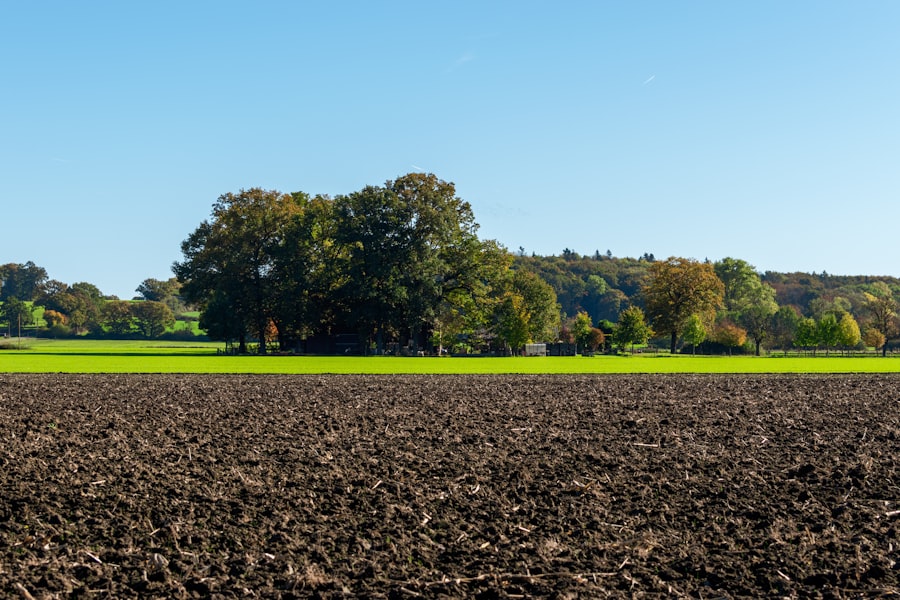
For a long time, direct farmland ownership was out of reach for many individual investors. However, the landscape has evolved, and you now have several avenues to gain exposure to this asset class.
Direct Ownership: The Traditional Approach
The most straightforward way to invest in farmland is through direct ownership. This involves purchasing land outright. While this offers the most control, it also comes with the highest barriers to entry and management responsibilities.
- Significant Capital Outlay: Acquiring farmland typically requires a substantial upfront investment. This can be a significant hurdle for many potential investors.
- Due Diligence and Expertise: Investing directly means you are responsible for all aspects of due diligence, including land appraisal, soil testing, water rights, and zoning regulations. This requires specialized knowledge or the engagement of trusted advisors.
- Management Responsibilities: Owning farmland can involve ongoing management, such as dealing with tenants, overseeing crop management (if you choose to farm it yourself), and property maintenance.
Farmland REITs: Real Estate Investment Trusts
For many investors like yourself, Real Estate Investment Trusts (REITs) that focus on farmland offer a more accessible and hands-off approach. These publicly traded companies own and operate farmland, and you can invest by purchasing shares.
- Liquidity and Diversification: REITs provide liquidity as they are traded on stock exchanges, allowing you to buy and sell shares relatively easily. They also often hold a diversified portfolio of farmland properties, spreading risk across different regions and crop types.
- Professional Management: REITs are managed by professional teams with expertise in agricultural real estate, asset management, and tenant relations. This alleviates the direct management burden for individual investors.
- Income Distribution: REITs are legally required to distribute a significant portion of their taxable income to shareholders annually in the form of dividends, offering a steady income stream.
Farmland Investment Funds and Syndicates
Beyond REITs, you’ll find a growing number of private equity funds and syndicates focused on farmland. These vehicles pool capital from multiple investors to acquire and manage large tracts of agricultural land.
- Access to Larger Scale Opportunities: These funds often target larger, more institutional-grade farmland acquisitions, which might be beyond the reach of individual investors.
- Potential for Higher Returns: With professional management and a focus on operational efficiency, some of these funds aim to deliver enhanced returns.
- Illiquidity and Longer Investment Horizons: Private funds typically have longer lock-up periods and are less liquid than publicly traded REITs, meaning your capital is tied up for an extended duration.
Risks and Considerations for Farmland Investors

While the allure of farmland investment is undeniable, it’s crucial that you approach it with a clear understanding of the potential risks involved. No investment is without its downsides, and farmland is no exception.
Environmental and Climate-Related Risks
The very nature of farmland makes it susceptible to environmental factors that can impact its productivity and value. You need to be aware of these inherent vulnerabilities.
- Drought and Water Scarcity: Prolonged periods of drought can severely damage crops, reduce yields, and impact the long-term viability of certain agricultural operations. Access to reliable water sources is paramount.
- Extreme Weather Events: Unpredictable and extreme weather, such as floods, hailstorms, or unseasonable frosts, can devastate harvests and cause significant financial losses for landowners and farmers.
- Soil Degradation and Erosion: Improper farming practices can lead to soil depletion and erosion over time, reducing the land’s fertility and long-term productivity. Sustainable farming practices are increasingly important.
Agricultural Market Volatility and Operational Challenges
The agricultural sector, while essential, is also subject to its own unique set of market dynamics and operational hurdles. You must factor these into your investment thesis.
- Commodity Price Fluctuations: As discussed earlier, despite long-term demand drivers, short-term commodity prices can be highly volatile, influenced by global supply, demand, speculation, and geopolitical events.
- Disease and Pest Outbreaks: The agricultural sector is always at risk from the outbreak of crop diseases or pest infestations, which can lead to widespread crop failure and significant economic damage.
- Labor Shortages and Rising Input Costs: The agricultural industry often faces challenges with labor availability and rising costs for essential inputs such as fuel, fertilizer, and machinery.
Regulatory and Policy Changes
Government policies and regulations can significantly impact the agricultural sector and, by extension, the value of farmland. You need to stay informed about potential shifts.
- Land Use Regulations: Changes in zoning laws or land use policies can affect how farmland can be utilized and developed, potentially impacting its value.
- Environmental Regulations: Increasingly stringent environmental regulations regarding water usage, pesticide application, or conservation efforts can impose additional costs or operational constraints on farmland owners.
- Subsidies and Trade Policies: Government subsidies for agricultural products or changes in international trade agreements can influence crop prices and the profitability of farming operations.
The significant rise in farmland investment, which has surged by 231 percent since 2008, can be attributed to various factors including increasing global food demand and the quest for stable, long-term assets. A related article discusses these trends in detail, highlighting how investors are increasingly viewing farmland as a hedge against inflation and economic uncertainty. For more insights on this topic, you can read the full article here.
The Future Outlook: Sustained Demand and Evolving Practices
| Year | Farmland Investment Increase |
|---|---|
| 2008 | 100% |
| 2009 | 120% |
| 2010 | 140% |
| 2011 | 160% |
| 2012 | 180% |
| 2013 | 200% |
| 2014 | 220% |
| 2015 | 231% |
Looking ahead, the fundamental drivers for farmland investment appear robust. You can reasonably expect the demand for agricultural products to continue its upward trajectory, underpinning the asset class’s long-term appeal.
Continued Population Growth and Dietary Shifts
You can anticipate that the global population will keep growing, necessitating a greater output of food. Coupled with the ongoing trend of rising incomes and changing dietary preferences in emerging economies, the demand for agricultural commodities is set to remain strong. This sustained demand is a powerful tailwind for farmland values.
- Emerging Market Consumption: As economies in Asia, Africa, and Latin America continue to develop, their populations will demand more diverse and protein-rich food sources. This represents a significant growth area for agricultural consumption.
- Food Security Concerns: In an increasingly complex world, the issue of food security remains paramount. Nations are likely to prioritize domestic agricultural production, which can translate into increased investment and support for farmland.
The Evolution of Sustainable Agriculture and Technology
The future of farmland investment will likely be intertwined with the evolution of sustainable agricultural practices and the continued integration of technology. You should be aware of how these trends will shape the industry.
- Focus on Sustainability: As environmental concerns grow, there will be an increasing emphasis on sustainable farming methods that conserve resources, reduce waste, and minimize environmental impact. Investors may favor farmland managed with these principles in mind.
- Technological Integration: The adoption of advanced technologies, from AI-powered farm management to vertical farming innovations, will continue to enhance productivity, efficiency, and resilience in agriculture. This will likely make well-managed, technologically advanced farmland even more valuable.
- New Crop Development: Research and development into new crop varieties that are more resilient to climate change, require fewer resources, or offer enhanced nutritional value could also influence the desirability and value of certain types of farmland.
The Maturation of Farmland Investment Platforms
You’ve seen the initial growth of farmland investment platforms, and you can expect these to mature and become more sophisticated. This could lead to greater accessibility and more diverse investment opportunities.
- Increased Institutional Interest: As farmland proves its mettle as an asset class, you can expect continued interest from institutional investors such as pension funds and endowments, which can further solidify its position in the investment landscape.
- Development of Specialized Funds: The market may see a proliferation of specialized funds targeting niche agricultural sectors or specific regions, offering investors more tailored investment choices.
- Greater Transparency and Data: As the sector matures, there will likely be increased demand for greater transparency and standardized data reporting, which will empower you to make more informed investment decisions.
The rise of farmland investment, marked by its substantial increase since 2008, presents a compelling narrative for you to consider. It’s a story of fundamental needs meeting evolving economic realities, driven by global trends and technological innovation. While the allure of tangible assets, inflation hedging, and stable income streams is strong, a well-informed approach, with a keen understanding of both the opportunities and the inherent risks, will be your most valuable asset as you navigate this increasingly significant sector of the investment world.
FAQs
1. What is farmland investment?
Farmland investment refers to the purchase of agricultural land for the purpose of generating income or profit through activities such as crop production, livestock farming, or leasing the land to other farmers.
2. Why has farmland investment risen 231 percent since 2008?
Farmland investment has risen significantly since 2008 due to several factors, including increasing global demand for food, biofuel production, population growth, and the potential for farmland to serve as a hedge against inflation and economic uncertainty.
3. What are the benefits of farmland investment?
Some of the benefits of farmland investment include stable and predictable returns, portfolio diversification, potential tax advantages, and the opportunity to invest in a tangible asset with intrinsic value.
4. How does farmland investment contribute to sustainable agriculture?
Farmland investment can contribute to sustainable agriculture by promoting responsible land management practices, supporting local food production, and encouraging environmentally friendly farming methods that prioritize soil health, water conservation, and biodiversity.
5. What are the risks associated with farmland investment?
Risks associated with farmland investment may include fluctuations in commodity prices, weather-related challenges, regulatory changes, and the potential for land degradation. Additionally, farmland investment may require significant upfront capital and long-term commitment.