
In recent years, agricultural land ownership has increasingly concentrated among large corporations. This trend has generated significant discussion regarding its effects on food production systems, rural economies, and environmental sustainability. Corporate farmland acquisition involves complex factors, including historical precedents, economic drivers, and measurable impacts on small-scale farming operations and ecosystems.
Analyzing these elements is essential for informed discussion about agricultural futures and food security. Corporate farmland ownership reflects a structural shift in agricultural land management and use. Large corporations now control substantial portions of agricultural land, often emphasizing financial returns over conventional farming methods.
This development raises substantive concerns about long-term sustainability, effects on rural communities, and the viability of smaller farming enterprises. Examining corporate farmland ownership requires understanding its diverse dimensions and broader societal consequences.
Key Takeaways
- Corporate farmland ownership has increased due to economic, technological, and policy factors.
- This trend poses challenges for small farmers, including reduced land access and market competition.
- Environmental and social impacts include changes in land use, biodiversity, and rural community dynamics.
- Government policies and regulations vary globally, influencing the extent and effects of corporate ownership.
- Sustainable farmland management requires balancing corporate interests with environmental stewardship and support for small-scale farmers.
Historical Background of Farmland Ownership
To fully grasp the current state of corporate farmland ownership, it is essential to look back at its historical context. Traditionally, farmland was owned by individual farmers or families who cultivated the land for generations. This model fostered a deep connection between people and their land, promoting sustainable practices that were often passed down through family traditions.
However, as industrialization took hold in the 19th and 20th centuries, the dynamics of land ownership began to shift. The post-World War II era marked a significant turning point in agriculture. The introduction of mechanization and chemical fertilizers led to increased productivity but also encouraged larger-scale farming operations.
As you reflect on this period, consider how these changes paved the way for corporate entities to enter the agricultural sector. The consolidation of farms into larger operations made it easier for corporations to acquire vast tracts of land, leading to a gradual decline in family-owned farms. This historical backdrop sets the stage for understanding the current prevalence of corporate farmland ownership. Investing in farmland investment can provide sustainable returns and long-term growth opportunities.
Factors Contributing to the Rise of Corporate Farmland Ownership
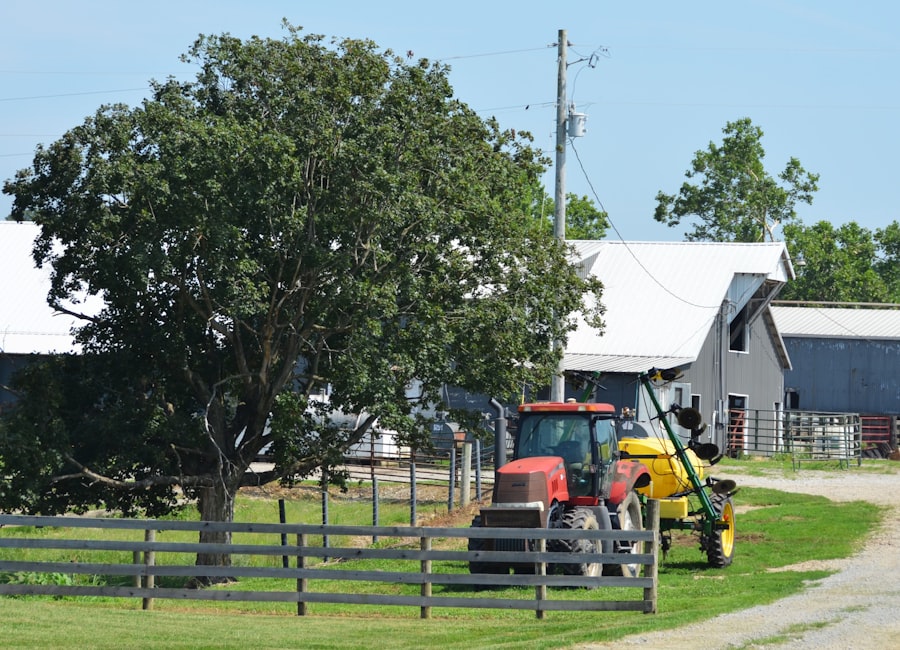
Several factors have contributed to the rise of corporate farmland ownership in recent decades. One significant driver is the increasing demand for food due to a growing global population. As you think about this issue, consider how corporations have positioned themselves to meet this demand by investing in large-scale agricultural operations.
The promise of higher yields and efficiency has attracted corporate interest, leading to a surge in farmland acquisitions. Additionally, economic factors play a crucial role in this trend. The rising costs of land and inputs have made it challenging for small farmers to compete.
Corporations often have access to greater financial resources, allowing them to outbid individual farmers for prime agricultural land.
As you explore these factors, you will see how they intertwine to create a complex web that supports corporate farmland ownership.
Impact of Corporate Farmland Ownership on Small Farmers
The rise of corporate farmland ownership has profound implications for small farmers, many of whom find themselves struggling to survive in an increasingly competitive market. As you consider the challenges faced by these farmers, think about how corporate entities often dominate local markets, driving down prices and making it difficult for small-scale operations to thrive. This dynamic can lead to a cycle of debt and financial instability for family farms.
Moreover, the consolidation of farmland into corporate hands can erode community ties and local economies. Small farmers often contribute to their communities not just through food production but also by supporting local businesses and maintaining rural culture. When corporations take over farmland, these connections can weaken, leading to a loss of community identity and economic diversity.
As you reflect on these impacts, consider how they shape the future of rural areas and the agricultural landscape as a whole.
Environmental and Social Implications of Corporate Farmland Ownership
| Country | Percentage of Farmland Owned by Corporations | Largest Corporate Landowner | Estimated Corporate Farmland Area (million hectares) | Year of Data |
|---|---|---|---|---|
| United States | 30% | Archer Daniels Midland | 45 | 2023 |
| Brazil | 25% | JBS S.A. | 35 | 2022 |
| Australia | 20% | GrainCorp | 15 | 2023 |
| Canada | 18% | Maple Leaf Foods | 10 | 2022 |
| Argentina | 22% | Molinos Río de la Plata | 12 | 2023 |
The environmental implications of corporate farmland ownership are significant and warrant careful consideration. Large-scale farming operations often prioritize short-term profits over long-term sustainability, leading to practices that can harm ecosystems. As you think about this issue, consider how monoculture farming—where a single crop is grown over vast areas—can deplete soil nutrients and reduce biodiversity.
The reliance on chemical fertilizers and pesticides can also lead to soil degradation and water pollution. Socially, corporate farmland ownership can exacerbate inequalities within rural communities. The displacement of small farmers can lead to increased unemployment and social unrest as traditional livelihoods are threatened.
Additionally, corporate entities may prioritize shareholder interests over community welfare, leading to decisions that do not align with local needs or values. As you explore these environmental and social implications, reflect on how they intersect with broader issues of sustainability and social justice.
Government Policies and Regulations on Corporate Farmland Ownership

Government policies play a crucial role in shaping the landscape of farmland ownership. As you examine this aspect, consider how regulations can either support or hinder corporate ownership of agricultural land. In some countries, policies may favor large-scale operations through subsidies or tax incentives, making it easier for corporations to acquire farmland.
Conversely, other regions may implement restrictions on foreign ownership or promote land reform initiatives aimed at supporting small farmers. The effectiveness of these policies often depends on political will and public sentiment regarding corporate influence in agriculture. As you think about this dynamic, consider how advocacy groups and grassroots movements have emerged to challenge corporate dominance in farmland ownership.
These efforts highlight the importance of balancing economic interests with social equity and environmental sustainability in agricultural policy-making.
Global Trends in Corporate Farmland Ownership
The trend of corporate farmland ownership is not confined to one region; it is a global phenomenon with varying implications across different countries. In emerging economies, foreign investment in agriculture has surged as corporations seek new markets and resources. As you explore this global perspective, think about how local communities are affected by these investments—sometimes benefiting from job creation but often facing challenges related to land rights and environmental degradation.
In developed nations, the trend may manifest differently, with corporations consolidating existing farmland rather than acquiring new tracts. This consolidation can lead to increased efficiency but also raises concerns about food sovereignty and local control over agricultural practices. As you reflect on these global trends, consider how they highlight the interconnectedness of agricultural systems and the need for collaborative solutions that address both local and global challenges.
Challenges Faced by Corporate Farmland Owners
While corporate farmland ownership may seem advantageous due to economies of scale and access to resources, it is not without its challenges. One significant hurdle is navigating public perception and community relations. As you think about this issue, consider how corporations must balance profit motives with social responsibility—failure to do so can lead to backlash from local communities and advocacy groups.
Additionally, corporate owners face operational challenges related to sustainability and environmental stewardship. The pressure to maximize yields can conflict with responsible land management practices, leading to long-term consequences for soil health and biodiversity. As you explore these challenges, reflect on how they shape corporate strategies and influence their role in the agricultural sector.
The Role of Technology in Corporate Farmland Ownership
Technology plays a pivotal role in modern agriculture, particularly for corporate farmland owners seeking efficiency and productivity gains. Innovations such as precision agriculture, data analytics, and automation have transformed farming practices, allowing corporations to optimize resource use and increase yields. As you consider this technological landscape, think about how it enables corporations to operate on a larger scale while potentially sidelining traditional farming methods.
However, reliance on technology also raises questions about accessibility and equity within the agricultural sector. Small farmers may struggle to adopt advanced technologies due to financial constraints or lack of training opportunities. This disparity can further entrench inequalities between corporate entities and small-scale operations.
As you reflect on the role of technology in corporate farmland ownership, consider how it shapes not only productivity but also the future landscape of agriculture.
Future Outlook for Corporate Farmland Ownership
Looking ahead, the future of corporate farmland ownership remains uncertain yet full of potential for transformation. As consumer preferences shift towards sustainable and locally sourced food options, corporations may need to adapt their practices to remain competitive. This shift could lead to increased collaboration between corporate entities and small farmers as they seek common ground in addressing consumer demands for transparency and sustainability.
Moreover, ongoing discussions around food security and climate change will likely influence policies related to farmland ownership. As governments grapple with these pressing issues, there may be opportunities for reform that prioritize equitable access to land and resources for all farmers—regardless of size or scale. As you contemplate this future outlook, consider how collective action among stakeholders can shape a more sustainable agricultural landscape.
Conclusion and Recommendations for Sustainable Farmland Management
In conclusion, corporate farmland ownership presents both opportunities and challenges that require careful consideration from all stakeholders involved in agriculture. While corporations can bring efficiency and innovation to farming practices, their dominance can also threaten small farmers’ livelihoods and environmental sustainability. To navigate this complex landscape effectively, it is essential to prioritize sustainable farmland management practices that balance economic interests with social equity.
Encouraging collaboration between different types of farmers can foster resilience within rural communities while promoting sustainable practices that benefit both people and the planet. Ultimately, your engagement with these issues can contribute to shaping a more equitable future for agriculture—one that honors both tradition and innovation in the pursuit of food security for all.
The increasing trend of farmland ownership by corporations has raised concerns about food security and the impact on local farming communities. For a deeper understanding of this issue, you can read the article on the implications of corporate ownership of agricultural land at