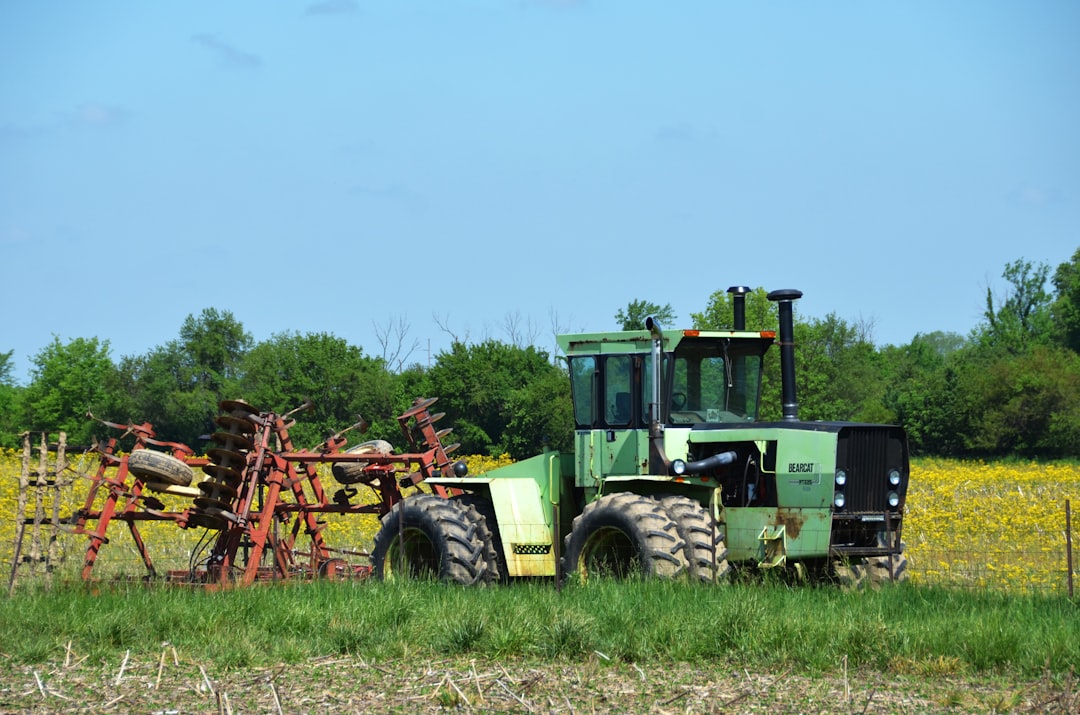
You’ve likely noticed a shift, a quiet yet profound reshaping of the agricultural landscape around you. The idyllic image of the family farm, passed down through generations, is increasingly giving way to something far larger, more industrialized, and arguably, more impersonal. This isn’t a sudden revolution, but a methodical transformation – a “takeover” in all but name, driven by economic forces, technological advancements, and a redefinition of what it means to produce food. This article aims to explain the rise of corporate farming, dissecting its mechanisms and implications, so you can better understand the changing world of food production.
The motivations behind this corporate expansion into farming are multifaceted, but at their core, they are economic. You see a confluence of factors that made agriculture an attractive, and indeed a necessary, frontier for large-scale enterprise. Learn more about the financialization of American agriculture and its impact on the economy.
Scaling Up for Profitability
Traditional farming, particularly in developed nations, often faces thin profit margins. When you look at the economics, individual farmers are often at the mercy of fluctuating commodity prices, unpredictable weather, and rising input costs. Corporations, however, operate on a different scale. They achieve economies of scale that are simply unattainable for smaller operations. Imagine a single family farm negotiating for fertilizer compared to a multinational corporation buying in bulk for hundreds of thousands of acres. The cost advantage is immense. This allows corporations to absorb smaller price fluctuations and secure better deals for their inputs, ultimately leading to higher profitability per unit of production. It’s a classic business strategy: grow big, buy cheap, sell potentially for more.
Vertical Integration and Supply Chain Control
For corporations already involved in food processing, distribution, or retail, entering primary food production was a logical next step. This strategy, known as vertical integration, allows them to control more links in the supply chain, from the seed to your plate. When you examine the benefits, you’ll find greater control over quality, consistency, and ultimately, cost. A food processing company that owns its own farms can dictate specific varieties of crops to be grown, ensuring they meet their processing standards. This reduces variability and waste, optimizing their entire operation. It’s like a conductor having control over every section of an orchestra, ensuring a harmonious and predictable performance. Food safety concerns, often a significant cost and reputational risk, can also be better managed when the entire chain is under one umbrella.
Access to Capital and Investment
Farming is capital-intensive. You need land, machinery, seeds, fertilizers, and labor. Small farmers often struggle to secure the financing needed for expansion or modernization. Corporations, with their access to vast pools of capital through stock markets, bonds, and bank loans, face no such limitations. They can invest heavily in new technologies, expand operations rapidly, and weather financial downturns that would cripple independent farmers. This advantage allows them to outcompete smaller operations, often by simply being able to afford more efficient, albeit expensive, equipment and larger land purchases. Think of it as a small boat competing against an ocean liner; one has significantly more resources to navigate the same waters.
The corporate takeover of farming has become a pressing issue in recent years, as large agribusinesses increasingly acquire smaller farms, impacting local economies and food systems. For a deeper understanding of this phenomenon and its implications, you can read a related article that explores the dynamics of wealth accumulation in agriculture and its effects on rural communities. To learn more, visit this article.
Technological Advancements: The Engine of Industrial Agriculture
The rise of corporate farming would be impossible without parallel advancements in technology. You might not always see it directly on your plate, but technology has become the bedrock of modern agricultural production.
Precision Agriculture and Data Analytics
Modern corporate farms are not just growing crops; they are analyzing vast amounts of data. Precision agriculture uses GPS, sensors, drones, and satellite imagery to monitor every square inch of a field. You can track soil moisture, nutrient levels, crop health, and even individual plant stress. This data allows for highly targeted application of water, fertilizers, and pesticides, reducing waste and maximizing yields. Imagine a doctor prescribing medication only to the exact cells that need it, minimizing side effects. This data-driven approach transforms farming from an art to a science, making it more predictable and efficient, qualities highly valued by corporations.
Genetic Engineering and Biotechnology
The development of genetically modified organisms (GMOs) has played a crucial role in enabling large-scale, monoculture farming. Drought-resistant, pest-resistant, and herbicide-tolerant crops allow for greater yields, reduced crop losses, and simplified pest management. While controversial, these technologies provide significant economic advantages for corporations seeking to maximize production with minimal labor and input costs. They allow farmers to plant vast acreage of a single crop variety, often with a predictable outcome, which is precisely what large corporations seek.
Mechanization and Automation
The shift from manual labor to advanced machinery has been ongoing for decades, but corporate farming takes this to an unprecedented level. Large-scale machinery, guided by GPS and sometimes even operating autonomously, can plant, cultivate, and harvest vast fields with minimal human intervention. Robotics are increasingly being explored for tasks like fruit picking and weeding. This reduces labor costs, a significant expense for any farm, and increases efficiency, allowing fewer people to manage larger operations. You’re witnessing the assembly line concept applied to the farm, with crops being processed with industrial efficiency.
Policy and Regulatory Landscape: Paving the Way
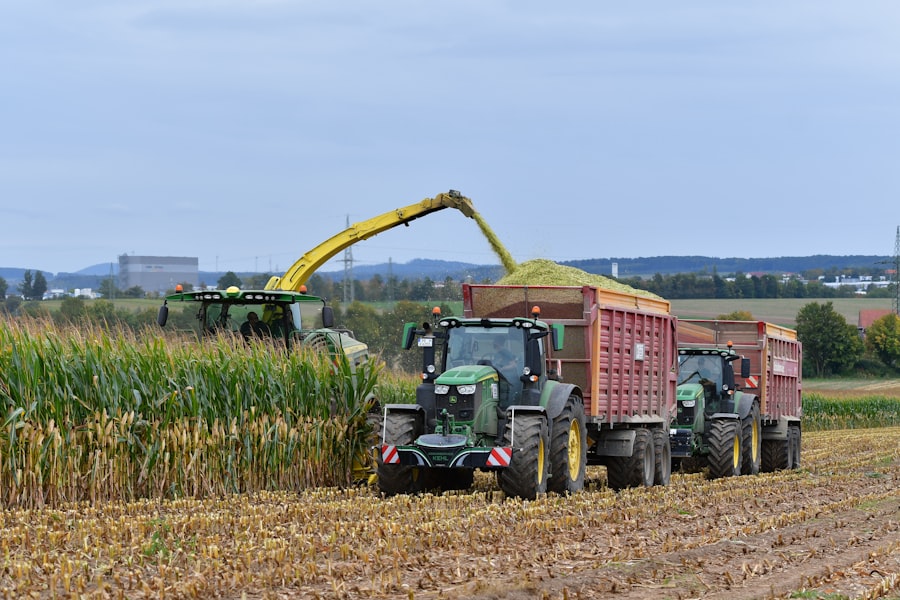
Government policies and regulatory frameworks, often influenced by lobbying efforts, have also played a significant role in facilitating the rise of corporate farming. You’ll find that these policies often favor scale and industrial methods.
Commodity Subsidies and Price Supports
Historically, many agricultural policies, particularly in the United States and the European Union, have favored large-scale commodity production. Subsidies often reward producers based on acreage or volume, inherently benefiting larger farms that can produce more. These policies often incentivize the cultivation of a few staple crops, leading to monoculture and market saturation for individual farmers. While intended to stabilize food supply and support farmers, these subsidies have often disproportionately benefited larger entities, inadvertently contributing to the shrinking number of small and medium-sized farms.
Deregulation and Consolidation
In many sectors, there has been a trend towards deregulation, and agriculture is no exception. Relaxed anti-trust enforcement and policies allowing for greater corporate consolidation have led to fewer, larger players dominating the input, processing, and retail sectors of the food industry. This concentration of power means that fewer companies control more of the market, giving them immense leverage over individual farmers. When you have only a few buyers for your produce or only a few suppliers for your seeds, your negotiating power diminishes significantly. It’s a game of Goliath versus David, where Goliath has all the best equipment.
Trade Agreements and Globalization
International trade agreements, while promoting global commerce, have also contributed to the consolidation of food production. These agreements often favor large-scale, standardized agricultural products that can be efficiently transported and traded across borders. This creates a global marketplace where smaller, diversified farms often struggle to compete with the sheer volume and low cost of corporate operations in other regions. You are essentially competing against farms across the world, many of which can operate at scales few independent farmers could dream of.
The Impact on Rural Communities and the Environment

The consequences of this corporate takeover extend far beyond the farm gate, touching rural economies, environmental health, and even public well-being. This is where you really start to feel the ripple effects.
Decline of Family Farms and Rural Exodus
The most immediate and visible impact is the decline of the traditional family farm. As corporate farms expand, smaller operations find it increasingly difficult to compete on price or access markets. Many are forced to sell their land, often to larger corporate entities, leading to a loss of independent agricultural livelihoods. This leads to a rural exodus, as jobs in farming diminish and younger generations seek opportunities elsewhere. You see communities that once thrived on independent agriculture now struggling, with businesses closing and populations declining. The fabric of these communities is fraying under the strain.
Environmental Concerns: Monoculture and Input Usage
Corporate farming, with its emphasis on efficiency and scale, often relies heavily on monoculture – the practice of growing a single crop over a large area. While efficient, this approach can lead to a decrease in biodiversity, making crops more susceptible to pests and diseases, requiring greater reliance on pesticides. The intensive use of fertilizers can lead to nutrient runoff, polluting waterways and creating “dead zones.” You are witnessing a simplification of ecosystems, where natural checks and balances are replaced by chemical interventions. The environmental footprint of large-scale industrial agriculture is substantial, impacting soil health, water quality, and biodiversity.
Labor Practices and Food Quality
The drive for efficiency and cost reduction in corporate farming can sometimes lead to questions about labor practices. Migrant workers, often employed for seasonal tasks, can face poor working conditions, low wages, and limited protections. Additionally, the focus on uniformity and shelf-life in food production can sometimes come at the expense of taste and nutritional value. While food safety regulations are in place, the sheer scale of production means that a single contamination event can affect vast quantities of food across multiple regions. You might begin to wonder if the food on your table, though affordable, is truly nourishing in all senses of the word.
The increasing trend of corporate takeovers in the farming sector has raised significant concerns about the future of agriculture and food security. As large corporations acquire farmland, the implications for small farmers and local communities become more pronounced. For a deeper understanding of this phenomenon and its impact on rural economies, you can read a related article that explores these dynamics in detail. This insightful piece can be found here.
The Future Landscape: What You Can Expect
| Metric | Description | Impact | Example |
|---|---|---|---|
| Percentage of Farmland Owned by Corporations | Proportion of agricultural land controlled by large agribusiness firms | Consolidation reduces small farmer ownership and control | In the US, approx. 40% of farmland is corporate-owned |
| Number of Small Farms Lost Annually | Count of family or small-scale farms that cease operations each year | Decline in rural livelihoods and diversity of farming practices | About 10,000 small farms lost per year in some regions |
| Market Share of Top Agribusiness Firms | Percentage of seed, fertilizer, and equipment markets controlled by top companies | Limits farmer choices and increases dependency on corporations | Top 4 seed companies control over 60% of global market |
| Average Farm Size Increase | Growth in average acreage per farm due to corporate consolidation | Shift towards industrial-scale farming and monocultures | Average US farm size increased from 418 to 444 acres (2012-2017) |
| Corporate Investment in Agricultural Technology | Amount invested in biotech, automation, and data-driven farming | Enhances efficiency but may marginalize traditional practices | Billions invested annually by companies like Bayer and John Deere |
As you look ahead, the trajectory of corporate farming suggests continued expansion and evolution. This isn’t a trend that’s likely to reverse entirely, but its future will be shaped by ongoing debates and adaptations.
Continued Consolidation and Innovation
Expect to see further consolidation in the agricultural sector, with larger corporations acquiring smaller ones and leveraging their financial and technological advantages. Innovation will continue to drive efficiency, with advancements in artificial intelligence, robotics, and biotechnology further transforming how food is grown. You will see smarter farms, more autonomous operations, and an even greater reliance on data. The push for efficiency and cost reduction will remain a primary driver.
Emerging Debates: Sustainability and Ethical Production
As awareness of environmental and social impacts grows, you’ll likely witness increasing pressure on corporate farms to adopt more sustainable and ethical practices. Consumer demand for organic, locally sourced, and ethically produced food is rising, creating niche markets and pushing larger players to adapt. Regulations around climate change and environmental protection will also play a crucial role in shaping future farming practices. The conversation will shift from purely yield-driven to include factors like carbon footprint, water usage, and animal welfare.
The Role of the Consumer: Your Power to Influence
Ultimately, you, the consumer, hold significant power in shaping the future of food. By making informed choices about where your food comes from, supporting sustainable practices, and advocating for policies that promote fair labor and environmental stewardship, you can influence the direction of agricultural development. While the
WATCH THIS! ⚠️💰🌾 Why Wall Street Is Buying Up America’s Farmland (And Why It Should Terrify You)
FAQs
What is a corporate takeover of farming?
A corporate takeover of farming refers to the process where large corporations acquire or control agricultural land, farms, or farming operations, often leading to a shift from small-scale, family-owned farms to large-scale, industrial farming enterprises.
Why are corporations interested in taking over farms?
Corporations are interested in farming because agriculture is a critical industry that provides food and raw materials. Large-scale farming can offer economies of scale, increased efficiency, and higher profits. Additionally, control over agricultural production can influence food supply chains and markets.
How does a corporate takeover impact small farmers?
Corporate takeovers can lead to the displacement of small farmers, loss of local control over land, and changes in farming practices. Small farmers may struggle to compete with large corporations that have more resources, technology, and access to markets.
What are the potential benefits of corporate farming?
Potential benefits include increased production efficiency, access to advanced technology, improved supply chain management, and the ability to meet large-scale food demand. Corporate farming can also lead to investment in infrastructure and innovation.
What are the concerns associated with corporate takeovers in farming?
Concerns include reduced biodiversity, environmental degradation, loss of rural livelihoods, decreased food sovereignty, and the concentration of market power in the hands of a few corporations, which can affect prices and food security.
How do corporate takeovers affect food prices and availability?
Corporate control can lead to more standardized and large-scale production, potentially lowering costs. However, market concentration may also lead to price manipulation or reduced competition, which can negatively impact food prices and availability for consumers.
Are there regulations governing corporate takeovers in agriculture?
Yes, many countries have regulations related to land ownership, antitrust laws, and agricultural policies designed to prevent monopolies and protect small farmers. The effectiveness and enforcement of these regulations vary by region.
What role do governments play in corporate farming takeovers?
Governments can influence corporate takeovers through land policies, subsidies, trade agreements, and regulations. They may support small farmers or encourage large-scale agriculture depending on economic and political priorities.
Can corporate farming be sustainable?
Corporate farming can adopt sustainable practices, such as precision agriculture, resource-efficient technologies, and environmental stewardship. However, sustainability depends on corporate policies, regulatory frameworks, and market incentives.
How can small farmers compete with corporate farming?
Small farmers can compete by focusing on niche markets, organic or specialty products, cooperative models, direct-to-consumer sales, and adopting innovative farming techniques. Support from governments and communities also plays a crucial role.