
You stand at the threshold of a significant economic shift, a seismic event reverberating through the fast-food industry. The clamor for a $20 minimum wage is no longer a distant echo; it’s a tangible reality in many jurisdictions, and its implications extend far beyond the pay stub of an individual worker. To truly grasp the gravity of this change, you must peel back the layers of popular rhetoric and delve into the economic mechanics at play. This isn’t merely about higher wages; it’s about a restructuring of an entire sector, and its effects will cascade through your daily life in ways you may not yet anticipate.
The notion of a $20 fast food wage often evokes immediate and strong reactions. For some, it represents a beacon of economic justice, a necessary step to lift workers out of poverty. For others, it’s a harbinger of doom, portending widespread job losses and escalating prices. To dissect this complex issue, you must first acknowledge the motivations behind such policies and the economic principles they engage. Learn more about the California fast food minimum wage law and its impact on workers and businesses.
The Rationale for a Living Wage
Proponents of a $20 minimum wage argue that it transforms precarious jobs into sustainable careers. You would likely agree that the current minimum wage in many areas struggles to cover the basic costs of living – rent, food, healthcare. A higher wage, they contend, provides a safety net, reduces reliance on public assistance, and injects much-needed purchasing power into local economies. Imagine the direct impact on a worker’s ability to afford stable housing or pursue educational opportunities. This isn’t just about financial security; it’s about social mobility and a fairer distribution of economic prosperity.
The Economic Theory of Labor Costs
From an economic perspective, a substantial wage increase, particularly in a low-margin industry like fast food, alters the delicate balance of production costs. Labor is often a significant expenditure for these businesses. When this cost rises dramatically, you as a business owner face a stark choice: absorb the cost, pass it on to consumers, or reduce other expenses, including staffing levels. This is where the theoretical debates diverge, with each side presenting compelling arguments based on economic models and historical precedents. You must recognize that these are not abstract discussions; they represent tangible pressures on businesses you frequent.
The discussion surrounding the potential implementation of a $20 minimum wage for fast food workers has significant implications for the economy and society as a whole. As highlighted in a related article on the real-world impact of such wage increases, the move could lead to improved living standards for workers, but it may also result in higher prices for consumers and changes in employment dynamics within the industry. For a deeper understanding of these effects, you can read more in this article: How Wealth Grows.
The Immediate Repercussions: A Jigsaw Puzzle of Adjustments
Once a $20 minimum wage is implemented, the industry doesn’t simply absorb it. Instead, a series of adjustments – some subtle, some overt – begin to interlock, creating a new operational landscape. You will observe these changes as a consumer, and perhaps experience them as a worker or business owner.
Price Adjustments: The Consumer’s Burden
One of the most direct and predictable outcomes you will encounter is an increase in menu prices. Fast food restaurants operate on notoriously thin profit margins. When labor costs escalate significantly, passing a portion of that increase onto the consumer becomes an almost unavoidable strategy to maintain profitability. You might see a $5 burger become a $7 burger, or a $10 meal deal shift to $12. This isn’t a punitive measure; it’s a vital economic adjustment. For you, this means a higher cost of convenience, a subtle erosion of your disposable income for discretionary purchases.
Automation Acceleration: The Robotics Revolution
The rise in labor costs acts as a powerful catalyst for automation. When human labor becomes more expensive, the economic viability of investing in machines that can perform similar tasks increases dramatically. You are already accustomed to self-ordering kiosks in many fast-food establishments. Prepare to see a further acceleration of this trend, with automated fry stations, robotic burger flippers, and even AI-powered customer service systems becoming more commonplace. This isn’t science fiction; it’s an economic imperative. For the worker, this may mean a shift in required skills, from manual labor to machine operation and maintenance.
Staffing Level Reductions: A Leaner Workforce
While some economists argue that higher wages can lead to increased productivity and reduced turnover, others predict a direct correlation between increased labor costs and a reduction in staffing levels. You might observe fewer employees working during off-peak hours, or a single employee covering multiple stations. This isn’t necessarily about malice; it’s about efficient allocation of resources. Businesses will strive to optimize their workforce to produce the same output with fewer, more highly compensated employees. For those seeking entry-level employment, the competition for these fewer positions may intensify, making the entry barrier higher.
Shifting Business Models: The Entrepreneurial Calculus

The impact of a $20 fast food wage extends beyond immediate price and staffing adjustments. It forces businesses to re-evaluate their fundamental operating models, leading to innovations and, in some cases, existential challenges. You, as an observer of the economic landscape, will witness a fascinating evolution.
Menu Streamlining and Simplification
To counteract rising costs, you may find fast-food menus becoming more focused and less expansive. Complex menu items requiring specialized preparation or more labor-intensive steps might be phased out in favor of simpler, more easily automatable, and higher-margin options. This isn’t about limiting your choices for the sake of it; it’s about optimizing operational efficiency. Imagine a restaurant that reduces the number of sauces or customized options to speed up service and reduce labor hours.
Operational Efficiencies and Technology Adoption
Beyond automation, businesses will invest heavily in other operational efficiencies. This could include improved inventory management systems, more sophisticated scheduling software to minimize labor waste, and even redesigned kitchen layouts to enhance workflow. You might not see these changes directly, but you will experience their effects through faster service or more consistent product quality. It’s a continuous quest to squeeze every ounce of efficiency from the production process.
Franchisee Challenges and Consolidation
For many fast-food brands, the majority of their locations are operated by franchisees. These independent business owners often operate on even tighter margins than the corporate entity. A significant wage hike can place immense pressure on these franchisees, potentially leading to some selling their businesses or, in unfortunate circumstances, closing their doors. You might see a trend towards consolidation, with larger, more financially robust franchisees acquiring smaller, less resilient operations. This could lead to a less diverse ownership structure within the industry.
The Broader Economic Ripple: A Stone in a Pond
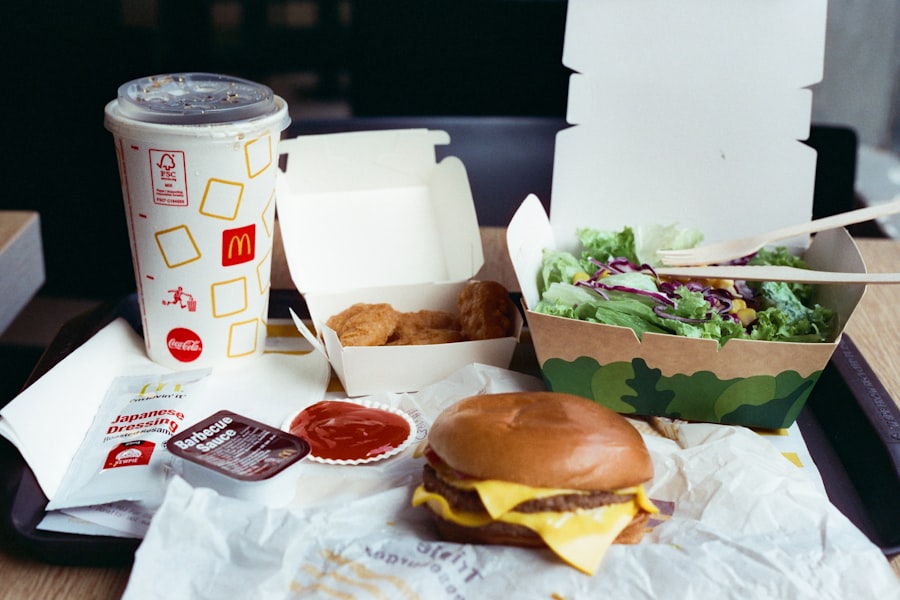
The consequences of a $20 fast food wage don’t remain confined to the fast food sector. Like a stone dropped into a pond, the ripples of its impact will spread outwards, affecting other industries, the labor market, and even the fabric of your society.
Impact on Other Low-Wage Industries
When fast-food workers earn $20 an hour, it creates a powerful upward pressure on wages in other low-wage sectors. Consider retail, hospitality, or entry-level service jobs. If you can earn $20 flipping burgers, why would you take a retail job paying $15? This compels other industries to raise their wages to remain competitive for labor, potentially leading to a broader increase in the minimum wage across various sectors. You will observe this “spillover effect” as different industries adjust to the new wage floor.
Demand for Skilled Labor: A Market Correction
As automation increases and the labor pool for low-skilled positions contracts due to higher wages, the demand for skilled labor to operate and maintain these new technologies will inevitably rise. You might see a greater emphasis on technical training programs and certifications. This isn’t a devaluation of human labor, but rather a re-evaluation of the types of human labor that are most valuable in a rapidly evolving economic landscape. For aspiring workers, this underscores the importance of acquiring specialized skills to remain competitive.
Inflationary Pressures: The Purchasing Power Predicament
A widespread increase in wages, when not accompanied by a proportional increase in productivity, can contribute to inflationary pressures. As businesses pass on higher labor costs to consumers through elevated prices, the purchasing power of your money may diminish. While higher wages put more money in the pockets of some, if the cost of everything else rises proportionally, the net gain in real purchasing power can be negated. You will observe this dynamic as a delicate balancing act, with governments and central banks carefully monitoring inflation rates.
The discussion around raising fast food wages to $20 an hour has significant implications for both workers and the economy. A related article explores how such a pay increase could impact local communities and the overall job market. By examining the potential benefits and challenges, it sheds light on the broader effects of wage adjustments in the fast food industry. For more insights on this topic, you can read the article here.
Navigating the New Landscape: Your Role as Consumer and Citizen
| Metric | Before 20 Fast Food Pay | After 20 Fast Food Pay | Impact Description |
|---|---|---|---|
| Average Hourly Wage | 11.50 | 20.00 | Wage increase for fast food workers |
| Employee Turnover Rate | 70% | 45% | Reduction in staff turnover due to better pay |
| Average Weekly Hours Worked | 30 | 35 | Increase in hours worked due to higher wages |
| Employee Job Satisfaction | 55% | 80% | Improved morale and job satisfaction |
| Fast Food Prices (Average Meal) | 7.50 | 8.50 | Moderate price increase to offset wage costs |
| Customer Wait Time (Minutes) | 5.5 | 6.0 | Slight increase in wait time due to staffing changes |
| Local Economic Impact (Annual) | Baseline | +1.2 million | Increased spending power in community |
You are not a passive observer in this economic transformation. Your choices, your understanding, and your engagement shape the ultimate outcomes. To navigate this new landscape effectively, you must be informed and adaptable.
The Consumer’s Dilemma: Value vs. Ethics
As a consumer, you will be faced with a choice: pay higher prices for fast food, or seek alternatives. These alternatives might include cooking more at home, opting for different types of restaurants, or simply reducing your consumption of fast food. You will also be confronted with an ethical dilemma: do you support businesses that pay higher wages, even if it means paying more, or do you prioritize the lowest possible price, potentially supporting models with lower labor costs? Your purchasing decisions, collectively, send clear signals to the market.
The Policy Debate: Finding the Equilibrium
The implementation of a $20 fast food wage is not the final word. It sparks an ongoing policy debate about the appropriate level of the minimum wage, the role of government intervention in labor markets, and the balance between worker welfare and business viability. You, as a citizen, have a voice in this discussion. Understanding the multifaceted impacts allows you to participate in these conversations with a more nuanced perspective, advocating for policies that promote both economic justice and sustainable growth.
Adapting to Change: The Future of Work
Ultimately, the advent of a $20 fast food wage is a microcosm of a larger trend: the evolving nature of work in a globalized, technologically advanced economy. It compels you to consider the skills that will be in demand, the industries that will thrive, and the societal structures that will need to adapt. This isn’t a problem to be solved once, but a continuous journey of adjustment and innovation. By understanding the forces at play, you can better prepare yourself and your communities for the opportunities and challenges that lie ahead. The future of fast food, and indeed the broader economy, is being reshaped before your very eyes, and your understanding is the key to navigating its complexities.
WATCH THIS! 🍔💰 California’s $20 Fast Food Wage: Big Paychecks or Big Layoffs?
FAQs
What is the $20 fast food pay initiative?
The $20 fast food pay initiative refers to efforts or proposals aimed at increasing the hourly wage of fast food workers to $20. This is intended to improve the standard of living for employees in the fast food industry.
Why is there a push for $20 per hour in fast food jobs?
Advocates argue that fast food workers often earn low wages that do not meet living costs. Raising pay to $20 per hour is seen as a way to reduce poverty, improve worker retention, and promote economic equity.
What are some real-world impacts observed from increasing fast food wages?
In areas where fast food wages have increased, studies have noted improvements in worker satisfaction, reduced employee turnover, and sometimes higher prices for consumers. There can also be broader economic effects such as increased consumer spending.
Have any cities or states implemented a $20 minimum wage for fast food workers?
As of now, no city or state has fully implemented a $20 minimum wage specifically for fast food workers. However, some regions have raised minimum wages significantly, approaching or exceeding $15 per hour, which serves as a benchmark for ongoing discussions.
How do higher wages affect fast food businesses?
Higher wages can increase labor costs for businesses, which may lead to adjustments such as raising menu prices, reducing employee hours, or investing in automation. The overall impact varies depending on the business model and local economic conditions.
Does increasing fast food wages lead to job losses?
Research on this topic is mixed. Some studies suggest minimal impact on employment levels, while others indicate potential reductions in hours or staffing. The effect often depends on the scale of the wage increase and the economic environment.
What are the arguments against raising fast food wages to $20 per hour?
Opponents argue that such a high wage increase could lead to higher consumer prices, reduced employment opportunities, and increased automation. They also contend that it may be unsustainable for small businesses.
How does raising fast food wages impact consumers?
Consumers may experience higher prices on menu items as businesses adjust to increased labor costs. However, some argue that better-paid workers contribute to stronger local economies, which can benefit consumers indirectly.
Are there alternative approaches to improving fast food workers’ livelihoods besides raising wages?
Yes, alternatives include offering better benefits, providing training and career advancement opportunities, improving working conditions, and implementing profit-sharing or tip programs.
Where can I find more information about the effects of fast food wage increases?
Reliable information can be found through government labor departments, academic research studies, economic think tanks, and reports from labor organizations and industry groups.