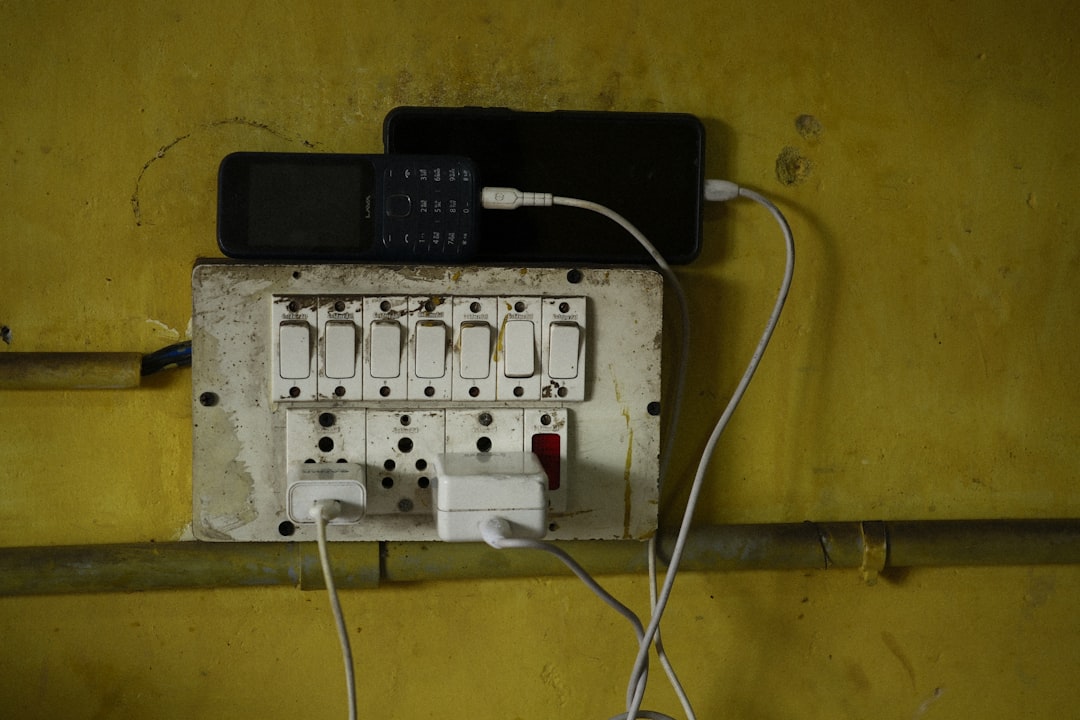
You’re standing at the precipice of a decision regarding your electricity supply, and the term “prepay electric meters” has landed on your radar. Perhaps you’ve received a notice, or you’ve seen advertisements, or a neighbor has mentioned them. These meters, also known as pay-as-you-go electricity, are an alternative to the traditional billing system where you consume power and then receive a bill for your usage. Instead, prepay meters operate on a different principle: you pay for your electricity in advance, and your supply is maintained as long as you have credit. This article aims to demystify the world of prepay electric meters, laying out the advantages and disadvantages in a factual, informative manner, so you can make an informed choice that suits your needs.
To truly weigh the pros and cons, you must first grasp how these meters function. Think of it as a sophisticated vending machine for your electricity. You purchase credit, either online, via a mobile app, through a designated retail outlet, or by phone, and this credit is then applied to your meter. The meter actively tracks your electricity consumption in real-time, deducting units from your prepaid balance. When your credit dwindles, the system provides you with warnings, typically through audible beeps from the meter itself or digital notifications. If your balance reaches a critical low, the supply can be automatically disconnected until you add more credit.
The Technology Behind the Meter
Modern prepay meters are far removed from the clunky, analog devices of the past. They are often smart meters, equipped with digital displays and communication capabilities. This technology allows for precise tracking of your energy usage, providing you with granular data that you might not have access to with a traditional meter. This data can be a powerful tool for understanding your consumption patterns and identifying areas where you can potentially save energy. The smart capabilities also facilitate remote monitoring by your utility provider, allowing for quicker fault detection and meter readings.
Payment Pathways: How You Add Credit
The convenience of adding credit is a significant factor in the prepay system. The methods typically offered are designed to be accessible, although the specific options may vary depending on your utility provider and location.
Online and Mobile App Payments
This is often the most streamlined method. Through your utility’s website or a dedicated mobile application, you can log in, view your current balance, and purchase credit with just a few clicks. Many platforms allow for the setup of automatic Top-Ups, ensuring you don’t run out of credit unexpectedly, especially if you’re prone to forgetting.
In-Person Payment Locations
For those who prefer or rely on physical transactions, most prepay electricity providers partner with a network of shops, post offices, or other retail outlets. You present your meter card or account details, pay with cash or card, and the credit is instantly applied to your meter remotely. This option caters to individuals who may not have consistent internet access or are less comfortable with digital transactions.
Telephone Payments
While perhaps less common in the digital age, some providers still offer the option to purchase credit over the phone. This can be a lifeline for individuals who face significant barriers to online or in-person payments. However, it can sometimes involve longer wait times and potentially higher transaction fees.
Prepay electric meters have become a topic of discussion for many households considering their energy management options. While these meters offer the advantage of allowing users to pay for electricity in advance, thereby helping to avoid unexpected bills, they also come with potential downsides, such as the risk of running out of power unexpectedly. For a deeper exploration of the pros and cons associated with prepay electric meters, you can read a related article at How Wealth Grows. This resource provides valuable insights into how these systems work and their impact on consumer behavior.
The Allure of Control: Pros of Prepay Electric Meters
The primary draw of prepay electric meters for many consumers is the enhanced control they offer. This is not just about managing your finances; it’s about having a tangible grip on your energy expenditure.
Pro 1: Enhanced Budgeting and Financial Management
This is the cornerstone of the prepay model. By paying for electricity upfront, you eliminate the uncertainty of unpredictable monthly bills. You know exactly how much you’re spending on electricity at any given time. This can be a tremendous boon for individuals and households with tight budgets, those who are self-employed with fluctuating incomes, or anyone who finds managing large, infrequent bills challenging. It’s like putting a strict budget on your spending; when the money runs out, the spending stops.
Avoiding Bill Shock
Few things can jolt a homeowner quite like an unexpectedly high electricity bill. Prepay meters act as a continuous shock absorber, preventing these unwelcome financial surprises. You are always aware of your expenditure, and the system’s gradual warnings allow you to adjust your consumption before you face an unmanageable charge.
Proactive Spending Habits
The constant visibility of your credit balance encourages more mindful energy consumption. You become more acutely aware of turning off lights, unplugging appliances, and utilizing energy-saving strategies. This can lead to a more sustainable and economical approach to your energy use over time.
Pro 2: No Security Deposits or Credit Checks
For individuals with a less-than-stellar credit history, or those who are new to renting a property, traditional utility providers often require a security deposit to mitigate their risk. This can be a significant upfront cost. Prepay meters, by their very nature, eliminate this requirement. Since you’re paying for your power before you use it, the utility provider bears no risk of non-payment. This makes them an accessible option for a wider demographic, including students, recent immigrants, and those rebuilding their credit.
A Gateway to Essential Services
For individuals who have historically struggled to secure utility services due to past financial difficulties, prepay meters can be a crucial stepping stone. They offer a way to access electricity without the traditional barriers, allowing them to establish a reliable account and a positive payment history that could pave the way for more traditional contracts in the future.
Pro 3: Potential for Reduced Energy Consumption
The direct correlation between spending and consumption fostered by the prepay system can naturally lead to a reduction in overall energy usage. When you see your credit diminishing with every kilowatt-hour consumed, you are more likely to:
Conscious Appliance Usage
You might think twice before running the washing machine during peak hours or leaving the television on in an empty room. The immediate feedback loop between usage and cost encourages a more deliberate approach to using energy-intensive appliances.
Embracing Energy-Saving Measures
The awareness generated by prepay meters can spur you to actively seek out and implement energy-saving measures. This could include investing in energy-efficient light bulbs, improving home insulation, or utilizing programmable thermostats. The proactive approach to managing your energy is a significant long-term benefit.
The Flip Side of the Coin: Cons of Prepay Electric Meters
While the control offered by prepay meters is appealing, it’s crucial to acknowledge the potential drawbacks. These are not minor inconveniences but factors that could significantly impact your daily life and financial well-being.
Con 1: The Risk of Disconnection and Its Consequences
This is the most significant and often the most worrying con associated with prepay meters. If you fail to maintain a sufficient credit balance, your electricity supply can be disconnected. This isn’t a mere inconvenience; it can have cascading negative effects.
Disruption of Daily Life
Imagine being in the middle of cooking a meal, working from home, or needing to charge your medical equipment, only for the power to go out because your credit has run dry. The disruption can be profound, impacting not only your comfort but also essential tasks.
Social and Economic Disparities
The risk of disconnection disproportionately affects vulnerable populations. Households struggling to make ends meet may find themselves in a perpetual cycle of running out of credit, leading to repeated disconnections. This can hinder children’s ability to complete homework, impact the ability to store perishable food, and create a general state of unease and insecurity.
Reconnection Fees and Hassles
In many cases, reconnecting after a disconnection incurs a fee. Depending on the utility provider and the time of day or week you need reconnection, this fee can vary. Furthermore, the process of getting reconnected can sometimes involve delays, adding to the stress and inconvenience.
Con 2: Potential for Higher Overall Costs
While prepay meters offer control, they don’t necessarily guarantee lower overall electricity bills. In fact, for some consumers, they can be more expensive.
Standing Charges and Fixed Fees
Many prepay meters still incorporate standing charges or fixed daily fees, which are charged regardless of your consumption. If you are a low-energy user, these fixed charges can represent a larger proportion of your total bill compared to a traditional meter where they might be absorbed more easily over higher usage.
Unit Price Differences
It’s not uncommon for utility providers to charge a slightly higher price per unit of electricity for prepay customers compared to those on traditional post-pay tariffs. This is sometimes cited as a way to offset the administrative costs and the risk associated with managing a high volume of small transactions.
Convenience Fees for Top-Ups
While not universal, some payment methods for topping up credit may incur small transaction fees. Over time, these seemingly minor fees can add up, chipping away at any savings you might have achieved through careful energy management.
Con 3: Limited Flexibility and the “Always On” Mentality
The prepay model inherently forces a conscious management of your energy usage. While this can be a positive for some, it can be a source of stress and constraint for others.
Reduced Spontaneity in Use
If you’re someone who enjoys a spontaneously warm bath on a cold evening or likes to leave some ambient lighting on throughout the house, the constant need to monitor your credit can dampen that spontaneity. You might find yourself hesitating before using appliances, even when you can technically afford it.
The Burden of Constant Monitoring
For individuals who are already managing multiple financial responsibilities or have demanding work schedules, the added burden of constantly monitoring an electricity balance can be an unwelcome addition. It requires a level of vigilance that not everyone is equipped or willing to provide.
Con 4: Potential for Meter Tampering and Inaccurate Readings
While modern smart meters are designed to be tamper-proof, any meter can be susceptible to issues. In the context of prepay meters, these issues can be compounded.
Inaccurate Charges
Although rare with modern technology, faulty meters can lead to inaccurate readings, meaning you could be paying for electricity you haven’t consumed or not getting credited correctly. This can be particularly frustrating when you are diligently trying to manage your balance.
The Temptation of Tampering
In extreme cases of financial hardship, the fear of disconnection might unfortunately lead some individuals to consider tampering with their meters. This is illegal, dangerous, and can result in significant penalties, further exacerbating their financial and legal problems.
Alternatives and Considerations
Before you commit to a prepay electric meter, it’s wise to explore all your options.
Traditional Metering
This is your standard electricity account where you consume electricity, and then receive a bill based on your usage, typically on a monthly or quarterly basis. You might be required to provide meter readings or the utility provider might do that remotely.
Fixed Tariffs
Regardless of whether you’re on a prepay or post-pay system, you can often choose between different tariff structures. Fixed tariffs offer a set price per unit of electricity that remains constant for a specific period, providing predictability.
Smart Meters with Smart Billing
Many modern utility providers are rolling out smart meters that offer more detailed usage data and a wider range of billing options, including flexible payment plans that might offer a middle ground between traditional billing and prepay.
Energy Efficiency Programs
Before you even consider a specific metering system, investigate energy efficiency programs offered by your utility provider or local government. These programs can help you reduce your overall energy consumption, saving you money regardless of your billing method.
Prepay electric meters have gained popularity in recent years, offering both advantages and disadvantages for consumers. One of the key benefits is the ability to manage energy consumption more effectively, as users can monitor their usage in real time and avoid unexpected bills. However, some critics argue that these systems can lead to higher costs for low-income households who may struggle to keep their meters topped up. For a deeper understanding of the implications of prepay electric meters, you can explore a related article that discusses the pros and cons in detail. Check it out here.
Making Your Decision: A Personal Calculation
| Aspect | Pros | Cons |
|---|---|---|
| Cost Control | Allows users to monitor and control electricity usage closely | May lead to underuse of essential appliances to save credit |
| Payment Flexibility | Pay-as-you-go system helps avoid large bills and debt accumulation | Requires frequent top-ups which can be inconvenient |
| Energy Awareness | Encourages energy conservation and reduces wastage | Users may experience anxiety over running out of credit unexpectedly |
| Disconnection Risk | Immediate disconnection when credit runs out helps prevent unpaid bills | Risk of sudden power loss, especially for vulnerable households |
| Installation & Maintenance | Modern meters provide accurate readings and remote monitoring | Initial installation cost can be high; technical issues may require expert repair |
| Accessibility | Useful for renters or those with irregular income | May be less accessible for elderly or disabled users unfamiliar with technology |
Ultimately, the decision of whether or not to opt for a prepay electric meter is a personal one. It’s a calculation that balances the allure of immediate control against the potential for disconnection and the possibility of higher costs.
Who Might Benefit Most?
- Budget-conscious individuals: Those who thrive on strict budgeting and want to avoid unpredictable bills.
- Renters: Prepay meters can be a good option for those who do not want to commit to long-term contracts or face credit checks.
- Individuals seeking to curb overspending: If you find yourself consistently overspending on utilities due to impulsive use, prepay can force a more disciplined approach.
Who Might Want to Reconsider?
- Families with young children or elderly dependents: The risk of disconnection can be particularly disruptive and stressful for these households.
- Individuals with fluctuating incomes or unexpected expenses: If your income is highly unpredictable, or you frequently face unforeseen financial demands, the risk of running out of credit becomes higher.
- Those who prioritize convenience and flexibility over strict budgeting: If the idea of constantly monitoring your credit and potentially rationing energy use feels restrictive, traditional billing might be a better fit.
You are the most qualified person to assess your own financial situation, your spending habits, and your tolerance for risk. By understanding the mechanics, weighing the pros and cons, and considering your alternatives, you can navigate the landscape of prepay electric meters and choose the path that best illuminates your home and your finances.
WATCH NOW ▶️ Why Wall Street Is Shorting The American Power Grid
FAQs
What is a prepay electric meter?
A prepay electric meter is a type of electricity meter that requires users to pay for their electricity in advance. Consumers purchase credit, which is then loaded onto the meter, allowing them to use electricity until the credit runs out.
What are the main advantages of using prepay electric meters?
The main advantages include better control over electricity spending, no unexpected bills, and the ability to monitor usage closely. They can help users manage their budget and avoid debt accumulation on electricity bills.
What are some common disadvantages of prepay electric meters?
Disadvantages include the risk of running out of credit and losing power unexpectedly, potentially higher costs per unit of electricity, and the inconvenience of having to regularly top up the meter.
Are prepay electric meters suitable for all households?
Prepay meters may not be suitable for all households, especially those who prefer predictable monthly billing or have difficulty accessing top-up points. They are often recommended for people who want to closely monitor and control their energy usage.
Can prepay electric meters help reduce energy consumption?
Yes, prepay meters can encourage energy conservation by making users more aware of their consumption and costs, which can lead to more mindful usage and potentially lower electricity bills.