
You stand at the edge of a field, the rich scent of turned earth filling your nostrils. This is the bedrock of your family’s legacy, a legacy stretching back generations. But as you gaze out, you instinctively understand that the forces shaping this landscape extend far beyond the horizon, reaching into the distant canyons of Wall Street. You, a family farmer, are inextricably linked to a complex web of financial decisions made by individuals you will likely never meet, in institutions you may never fully comprehend. This article will expose you to the multifaceted ways in which the financial machinery of Wall Street, often perceived as an abstract entity, directly impacts your daily life, your decisions, and ultimately, the survival of your family farm.
You’ve always understood farming as a tangible endeavor: planting seeds, nurturing crops, tending to livestock. However, a significant shift has occurred, transforming agriculture into an asset class, a commodity to be traded and speculated upon. This is the financialization of agriculture, a process where your livelihood becomes increasingly intertwined with the whims and strategies of the global financial market.
Commoditization of Agricultural Products
For generations, your local market determined the price of your corn, your soybeans, your milk. Now, those prices are often set on exchanges like the Chicago Mercantile Exchange (CME), where traders, many of whom have never touched a sheaf of wheat, buy and sell futures contracts.
- Price Volatility: You’ve experienced the unpredictable swings in commodity prices. One season, bumper crops promise prosperity; the next, an unexpected global event or a speculative frenzy on Wall Street can send prices plummeting, leaving you with little to show for your hard work. This volatility makes long-term planning a dangerous gamble.
- Futures Markets and Hedging: While futures markets can offer opportunities for hedging against price drops, they also present a learning curve and require a certain level of financial sophistication that many small and medium-sized farmers, focused on the boots-on-the-ground reality of farming, may lack. You are often at a disadvantage against large corporations with dedicated trading desks.
- Impact on Input Costs: The price of your inputs – fertilizer, fuel, seeds – is also subject to global market forces, often influenced by energy prices and the speculative actions of investors. You might find yourself caught in a squeeze, with low commodity prices for your output and high prices for your inputs.
Land as an Investment Vehicle
Your land is more than just soil; it’s your home, your heritage, your future. But to Wall Street, it’s increasingly seen as a safe-haven asset, an inflation hedge, or a blank canvas for large-scale agricultural operations.
- Institutional Investment in Farmland: You’ve likely observed the rising trend of institutional investors – pension funds, hedge funds, and private equity firms – acquiring vast tracts of farmland. These investors often prioritize returns over community ties or sustainable farming practices.
- Rising Land Prices: This influx of capital drives up land prices, making it incredibly difficult for younger generations of farmers, including your own children, to afford agricultural land. The dream of expanding your family farm or passing it on becomes a financial tightrope walk.
- Shift from Ownership to Tenancy: As land becomes more expensive, you might see an increase in farmers leasing land rather than owning it. While offering some flexibility, this also diminishes your long-term control and equity in the land.
The decline of the family farm has been a significant issue in the context of Wall Street’s influence on agriculture, as large corporations increasingly dominate the market. This shift not only affects the livelihoods of small farmers but also impacts the overall landscape of rural America. For a deeper understanding of how these economic forces intertwine, you can read a related article that explores the implications of financial markets on traditional farming practices and the challenges faced by family-owned farms. Check it out here: How Wealth Grows.
The Debt Trap: Borrowing from the Oracle
To run your farm, you need capital. Whether it’s for new equipment, a barn expansion, or simply bridging the gap between planting and harvest, you frequently rely on loans. Wall Street, through its sprawling network of banks and financial institutions, is often the ultimate source of that capital, acting as a seemingly benevolent oracle dispensing funds, but with strings attached.
Agricultural Lending and Interest Rates
Your local bank, a familiar face in the community, might be your direct lender. But even they are subject to the broader financial policies and interest rate decisions that emanate from financial centers.
- Federal Reserve Policy: Every time the Federal Reserve adjusts interest rates, you feel the ripple effect. Higher rates mean higher borrowing costs for you, impacting your ability to invest in your farm or even meet your operational expenses.
- Consolidation in Agricultural Banking: You may have noticed fewer independent local banks and more large regional or national banks. This consolidation can lead to less flexible lending practices and a more impersonal approach to your individual farm’s needs.
- Risk Assessment and Collateral: To Wall Street, your farm is a collection of assets and a series of financial statements. Your personal history, your deep understanding of the land, and your commitment to your community may carry less weight than your credit score and the value of your collateral.
Financial Products and Their Perils
The financial markets offer a bewildering array of products, some designed to help, others to profit from your precarious position. You must navigate this labyrinth carefully.
- Derivatives and Structured Finance: While complex derivatives are often associated with large corporations, their downstream effects can impact the availability and cost of capital for agricultural loans. You may not directly engage with them, but their invisible hand can shape your financial environment.
- Crop Insurance and Risk Transfer: You rely on crop insurance to mitigate the risks of bad weather or unforeseen events. While often government-subsidized, the underwriting and management of these policies often involve large insurance companies and reinsurers, themselves deeply embedded in the financial markets.
- Foreclosures and Farm Bankruptcies: When the debt burden becomes too heavy, and commodity prices fail to cooperate, you face the devastating prospect of foreclosure. These events, reported in dry statistics in financial reports, represent the shattering of a family’s legacy. You understand the very real human cost behind these numbers.
Consolidation and Corporate Power: The Squeeze
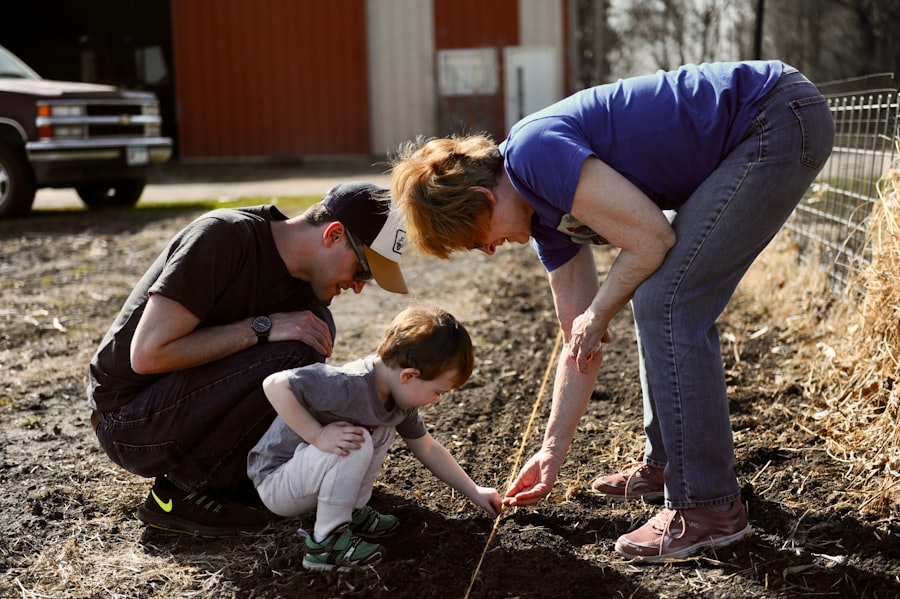
You’ve witnessed the landscape of agriculture change dramatically. Where once numerous small and medium-sized farms thrived, you now see fewer, larger operations. This consolidation is not accidental; it is driven by powerful economic forces, often amplified by Wall Street’s pursuit of efficiency and scale.
Vertical and Horizontal Integration
Large corporations are increasingly swallowing up various parts of the agricultural supply chain, from seed companies and chemical producers to processing plants and retail outlets. This creates a chokehold that directly impacts your bargaining power.
- Seed and Chemical Monopolies: You remember a time when you had more choices for seeds and pesticides. Now, a handful of multinational corporations, often backed by significant Wall Street investment, dominate the market, dictating prices and options. This leaves you with fewer alternatives and less leverage.
- Processor Dominance: Whether it’s meatpacking or grain processing, a few major players often control the market, leaving you with limited buyers for your products. This lack of competition weakens your negotiating position and can depress the prices you receive.
- Retailer Power: Large supermarket chains, often publicly traded and beholden to shareholder demands for profit, exert immense pressure on their suppliers, including farmers. You might find yourself caught between the low prices retailers demand and the high costs of production.
Pressure on Small and Medium Farms
This drive for efficiency and scale, so beloved by investors, often comes at the expense of independent family farms like yours.
- Economies of Scale: Larger farms, with their access to greater capital and machinery, can often produce at a lower per-unit cost. This puts immense competitive pressure on you to expand or find niche markets.
- Access to Technology and Information: While technology can boost productivity, cutting-edge agricultural tech often requires substantial investment. Wall Street-backed enterprises can more easily acquire this, widening the gap between large and small operations.
- Policy Influence: Corporations with significant financial backing also have greater resources to lobby for policies that favor their interests, sometimes at the expense of smaller, independent producers. You might feel like the rules of the game are being written by someone else.
The Global Food System: Your Farm on the World Stage

Your farm, rooted in its specific plot of land, is nevertheless a cog in a vast global food system. Wall Street acts as a kind of global conductor, orchestrating the movement of food, capital, and influence across international borders.
International Trade and Agreements
When trade agreements are negotiated, or when global economic shifts occur, you feel the tremors on your farm. These events are often driven by the pursuit of new markets and greater profits, a pursuit that Wall Street champions.
- Import/Export Dynamics: Changes in tariffs or trade relationships can dramatically alter the demand for your products or flood your market with cheaper imports, making your produce less competitive.
- Currency Fluctuations: The strength or weakness of the dollar, heavily influenced by global financial markets, affects the competitiveness of your exports and the cost of imported inputs. This is a variable largely beyond your control.
- Global Supply Chains: The interconnectedness of global supply chains means disruptions anywhere in the world, whether political upheaval or a natural disaster, can have a ripple effect that eventually reaches your farm.
Speculation and Food Security
The financial markets, while ostensibly facilitating trade, also create avenues for speculation, where financial participants bet on future price movements of agricultural commodities. This can have profound implications for global food security.
- Commodity Indices: Funds that track agricultural commodity indices allow investors to gain exposure to agriculture without ever owning a farm or a single bushel of grain. This influx of speculative capital can detach commodity prices from the underlying fundamentals of supply and demand.
- Ethical Concerns: You might question the ethics of betting on the price of food, especially when such speculation can contribute to price spikes that impact food affordability for vulnerable populations around the world.
- Impact on Developing Nations: Price volatility in global food markets, often amplified by speculation, can destabilize economies in developing nations, leading to food riots and political unrest. Your local grain silo is connected, in ways you might not fully grasp, to food security on a global scale.
The decline of the family farm has been a significant issue in the United States, often overshadowed by the bustling activities of Wall Street. As agricultural lands are increasingly bought up by large corporations, many small farmers struggle to compete, leading to a loss of traditional farming practices and community ties. For a deeper understanding of how wealth concentration impacts various sectors, including agriculture, you can read more in this insightful article on wealth dynamics. The interplay between financial markets and rural economies is complex, and examining these connections can shed light on the broader implications for society. To explore this topic further, check out the article here: wealth dynamics.
Resilience and Resistance: Navigating the Financial Labyrinth
| Metric | Value | Year | Notes |
|---|---|---|---|
| Number of Family Farms | 2.02 million | 2020 | USDA Census of Agriculture |
| Percentage of Farms Owned by Institutional Investors | 5% | 2023 | Estimated increase due to Wall Street investments |
| Average Farm Size (Family Farms) | 444 acres | 2020 | USDA data |
| Average Farm Size (Institutional Owned) | 1,200 acres | 2023 | Typically larger scale operations |
| Farm Debt Held by Institutional Investors | 15 billion | 2023 | Includes farmland mortgages and loans |
| Decline in Number of Family Farms (Last 20 Years) | 25% | 2003-2023 | Attributed to market pressures and buyouts |
| Percentage of Farmland Owned by Non-Farming Investors | 20% | 2023 | Includes Wall Street and private equity firms |
Given this complex and often challenging landscape, you might feel like a small boat in a vast, unpredictable ocean. However, there are strategies you can employ, and movements you can support, to enhance your resilience and advocate for a more equitable agricultural system.
Diversification and Niche Markets
You can reduce your reliance on conventional commodity markets by exploring alternative approaches.
- Direct-to-Consumer Sales: By selling directly to consumers through farmers’ markets, Community Supported Agriculture (CSA) programs, or online platforms, you can capture more of the retail price and build stronger relationships with your customers. This bypasses many of the intermediaries influenced by Wall Street.
- Value-Added Products: Transforming your raw produce into processed goods – cheeses, jams, baked goods, prepared meals – allows you to increase your profit margins and create new income streams. This moves you up the value chain, away from the raw commodity.
- Sustainable and Organic Farming: As consumer demand for sustainably and organically grown food increases, you can tap into these premium markets, which often command higher prices and cater to a more discerning clientele.
Financial Literacy and Strategic Planning
Understanding the financial forces at play is crucial for your survival. You must become a more astute financial actor.
- Understanding Financial Instruments: Educate yourself on futures contracts, hedging strategies, and various loan products. While you may not become a full-time trader, a basic understanding empowers you to make informed decisions and question your lenders.
- Robust Business Planning: Develop comprehensive business plans that include detailed financial projections, risk assessments, and contingency strategies. Treat your farm as the complex business it is.
- Building Financial Reserves: In times of good harvests and favorable prices, prioritize building financial reserves to weather periods of low prices, increased input costs, or unexpected emergencies. This financial buffer can be your lifeline.
Collective Action and Policy Advocacy
You are not alone in this struggle. By joining forces with other farmers and advocating for change, you can amplify your voice and influence policy.
- Farmer Cooperatives: By forming or joining cooperatives, you can achieve greater bargaining power when buying inputs or selling your products, effectively creating your own economies of scale and reducing your reliance on large corporations.
- Advocacy for Fair Agricultural Policies: Support organizations that lobby for policies promoting competition in agricultural markets, regulating speculative financial activities, and providing direct support to family farms. You need a voice in the halls of power where so many decisions affecting your life are made.
- Support for Local Food Systems: By actively promoting and participating in local food movements, you contribute to building resilient regional economies that are less susceptible to the distant tremors of Wall Street. You are, in essence, shortening the supply chain and reasserting local control.
You, the family farmer, stand at the nexus of tradition and innovation, soil and finance. The impact of Wall Street on your family farm is undeniable, a constant undercurrent that shapes your decisions, dictates your challenges, and often defines your successes and failures. By understanding these complex interconnections, adapting your strategies, and engaging in collective action, you can better navigate this financial labyrinth, protecting your legacy and ensuring a future for the land you cherish.
FAQs
What is the main issue discussed in “Wall Street and the death of the family farm”?
The article discusses how financial institutions and Wall Street investors have increasingly influenced and impacted family-owned farms, often leading to the decline or loss of these farms.
How has Wall Street involvement affected family farms?
Wall Street involvement has led to increased land prices, higher debt levels, and pressure to prioritize profit over traditional farming practices, making it difficult for family farmers to sustain their operations.
Why are family farms struggling in the current economic environment?
Family farms struggle due to rising operational costs, competition from large agribusinesses, fluctuating commodity prices, and financial pressures from investors and lenders seeking returns on farmland investments.
What role do financial institutions play in the decline of family farms?
Financial institutions often provide loans and buy farmland as investments, which can lead to increased land prices and debt burdens for family farmers, sometimes resulting in foreclosure or forced sales.
Are there any solutions proposed to support family farms against Wall Street pressures?
Proposed solutions include policy reforms to protect farmland ownership, support for local and sustainable farming practices, access to affordable credit for family farmers, and regulations to limit speculative investment in agricultural land.