
You stand on the precipice of a technological revolution, and its tremors are shaking the very foundations of the fast-food industry. This isn’t just about faster service; it’s a fundamental reshaping of roles, skills, and even identity for the millions of individuals who form the backbone of this global economic engine. As you navigate your work environment, you are increasingly interacting with a sophisticated ecosystem of machines, algorithms, and data streams that are simultaneously tools, colleagues, and sometimes, even overseers. This article delves into the profound impact these advancements are having on your work life, exploring both the benefits and the significant challenges you face daily.
You might have noticed the subtle, or not-so-subtle, creep of automation into your daily tasks. This isn’t a future prediction; it’s your present reality. From order-taking kiosks to automated fry machines, technology is steadily absorbing tasks once performed exclusively by human hands. Learn more about the California fast food minimum wage law and its impact on workers and businesses.
Kiosks and Mobile Ordering: The New Customer Interface
You’ve probably seen them. Touchscreen kiosks, gleaming with their bright interfaces, are increasingly becoming the first point of contact for customers. You no longer necessarily greet every customer, take their order, and punch it into a register. Instead, you’re observing customers interact with a machine, often stepping in only when they encounter a technological hiccup.
Reduced Direct Customer Interaction
For you, this often means a shift from frequent, brief interactions to more focused problem-solving. While some might lament the loss of constant human engagement, others find it provides a welcome respite from the relentless pace of a bustling lunch rush. You might find yourself freed from the repetitive script of “Welcome to [Restaurant Name], what can I get for you?” allowing you to focus on other aspects of your role.
Increased Need for Technical Savvy
However, this doesn’t mean your job is becoming simpler. You now need to be adept at troubleshooting these technological marvels. A frozen screen injects a sudden jolt of urgency into your day as you attempt to rectify the issue while a line of hungry customers grows. You are, in essence, becoming a frontline IT technician, expected to understand enough about these systems to keep the operation flowing smoothly.
Robotic Fryers and Prep Machines: The Back-of-House Brigade
Beyond the front counter, the hum of machinery is growing louder. You might find yourself working alongside robotic fryers that precisely cook your french fries to perfection, or automated systems that assemble sandwiches with uncanny speed and consistency. These machines are not just replacing tasks; they are setting new benchmarks for efficiency.
Enhanced Consistency and Speed
Imagine the relief of knowing the fries will always be perfectly golden, or that the sauce dispenser will always apply the exact right amount. For you, this means a reduction in the variability of manual tasks. No more questioning if you’ve overcooked an item or under-PORTIONED a ingredient. This consistency directly contributes to customer satisfaction and reduces food waste, making your job, in some aspects, more predictable.
Shifting Skill Sets
Nevertheless, this also means you are no longer solely responsible for the dexterity and precision of repetitive manual labor. Your role evolves into one of surveillance, maintenance, and monitoring. You become the conductor of an automated orchestra, ensuring each instrument plays its part harmoniously. You need to understand how to operate, clean, and perform basic maintenance on these machines, transforming your former culinary skills into something closer to engineering aptitude.
The rise of automation in the fast food industry has led to significant concerns regarding worker displacement, as many positions are increasingly being filled by technology. A related article that explores the economic implications of this trend can be found at How Wealth Grows. This piece delves into the broader effects of automation on employment and the potential for job loss in various sectors, highlighting the urgent need for strategies to support displaced workers in adapting to a changing job landscape.
The Data Deluge: Understanding Your Performance and the Customer
You are no longer just a pair of hands. You are a data point. Every order, every interaction, every delay is meticulously recorded and analyzed. This vast ocean of data is being used to understand your performance, predict customer behavior, and optimize every facet of the fast-food experience.
Performance Monitoring and Evaluation
The days of purely subjective evaluations are waning. Your efficiency, speed, and accuracy are now often quantified by algorithms. From the time it takes you to assemble an order to your average transaction time, every metric is scrutinized.
Algorithmic Oversight
You might feel like you’re under a perpetual digital gaze. This isn’t necessarily malevolent; it’s a drive for operational excellence. However, it can create a sense of pressure. You are no longer just judged by your manager; you are judged by a tireless, impartial algorithm that identifies even the slightest deviation from the established norm. This necessitates a heightened awareness of your workflow and an understanding of the metrics that define your success. It’s like running a race while a live ticker displays your pace and distance, constantly urging you to maintain or improve your speed.
Personalized Training and Feedback
On the flip side, this data can be a powerful tool for your growth. When specific areas of improvement are identified by the system, training can be tailored to address these exact deficiencies. You might receive targeted feedback on how to shave seconds off your order preparation time or improve your accuracy in using the POS system. This data-driven approach moves away from a one-size-fits-all training model to one that is highly personalized to your individual needs.
Predicting Customer Behavior and Optimizing Operations
Retail is a chess match, and technology is giving fast-food companies an almost omniscient view of the board. They’re predicting your next move, and the customer’s next craving. This information translates into a highly optimized work environment for you.
Dynamic Staffing Schedules
Have you ever wondered why your schedule fluctuates so much? It’s often not arbitrary. Algorithms analyze historical sales data, weather patterns, local events, and even social media sentiment to predict peak hours and adjust staffing accordingly. This means you might find yourself working fewer, more intense hours, or conversely, having your shifts perfectly align with anticipated lulls. You are a cog in a highly efficient, perpetually adjusting machine, and your schedule is a direct reflection of this optimization.
Targeted Menu Offerings
The suggestions you see on kiosks or mobile apps aren’t random. They’re informed by data about past purchases, time of day, and even the weather. This means you might find yourself preparing a higher volume of certain promotional items or encountering a customer base that has been nudged towards specific menu choices. You become a participant in a digitally guided sales strategy, where subtle nudges lead to significant shifts in demand on the front lines.
The Upskilling Imperative: Adapting to Your Evolving Role
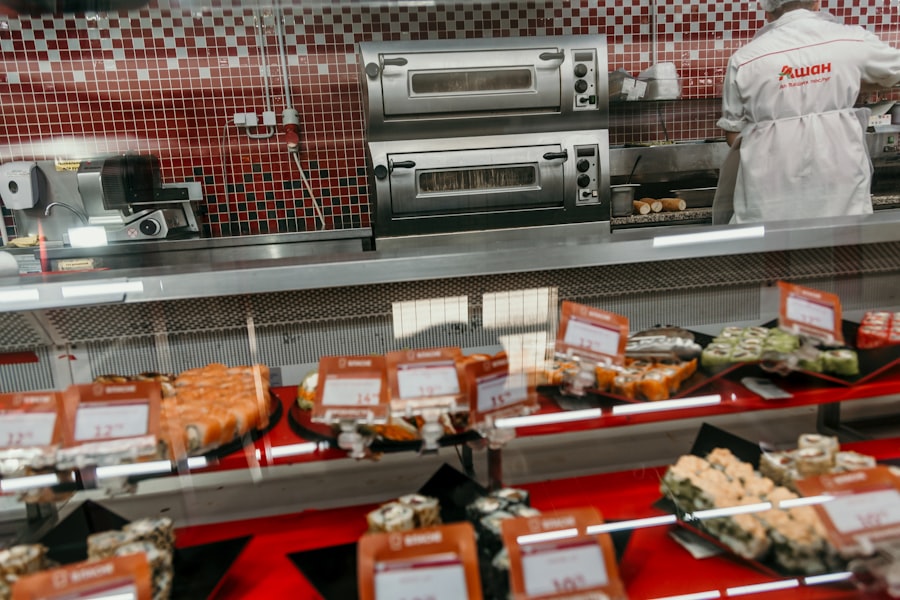
You can no longer afford to stand still. The ground beneath your feet is shifting, and with it, the skills required to thrive in this new technological landscape. You are not just operating machines; you are learning to manage a symphony of digital tools.
Mastering New Technologies
The most immediate impact is the necessity to become proficient with a wide array of new technologies. This goes beyond simply turning a machine on or off; it involves understanding its intricacies.
Point-of-Sale (POS) System Evolution
The simple cash register of yesteryear has been replaced by sophisticated POS systems that integrate with inventory, loyalty programs, and kitchen display systems. You are now expected to navigate these complex interfaces with speed and accuracy, troubleshooting minor glitches and processing intricate orders with ease. This demands a higher level of cognitive engagement than simply pressing a cash key.
Kitchen Display Systems (KDS) and Order Flow Management
Instead of paper tickets, you’re likely working with digital kitchen display systems that prioritize orders, manage cook times, and track order progress. You become a maestro of the digital kitchen, responding to visual cues and understanding the flow of orders as they progress through different preparation stations. This requires not only technical understanding but also an ability to adapt to a dynamic, screen-driven workflow.
Developing Soft Skills for a Tech-Centric Environment
While machines handle many routine tasks, the human element becomes even more critical in specialized areas. Your innate human qualities, those that technology cannot replicate, are highlighted.
Enhanced Problem-Solving and Critical Thinking
When a kiosk malfunctions or a robotic arm jams, it’s you who must diagnose the issue and find a solution. This moves beyond rote memorization into the realm of critical thinking. You are the emergency responder, the first line of defense against technological hiccups that could disrupt the entire operation. This demands quick assessment, logical deduction, and the ability to improvise.
Empathy and Exceptional Customer Service
When customers encounter difficulties with technology, or when they simply seek a human connection, you are the crucial bridge. Your ability to empathize, reassure, and efficiently resolve their issues becomes paramount. In a world of increasing automation, your human warmth, understanding, and personal touch become even more valued, a stark contrast to the cold efficiency of a machine. You are the emotional anchor in a digitally driven environment.
The Socioeconomic Ripple Effect: Wider Implications for Your Industry
The changes you experience daily are not isolated incidents; they are part of a broader socioeconomic shift. Your workplace is a microcosm of larger trends impacting labor markets globally.
Job Displacement and Creation
The specter of job displacement is a significant concern. While some roles may be automated away, new ones are also emerging, requiring different skills.
Automation-Induced Job Losses
Let’s be frank: some tasks you currently perform are susceptible to full automation. The repetitive nature of flipping burgers or taking simple orders makes them prime candidates for robotic intervention. This may mean that certain entry-level positions, which historically served as a stepping stone for many, could become scarcer. You might see a reduction in the sheer volume of identical roles, with the remaining human roles requiring a more advanced skillset.
New Roles in Tech Support and Oversight
However, this isn’t a zero-sum game. As machines proliferate, the demand for individuals to install, maintain, program, and supervise these technologies grows. You might, with appropriate training, transition into roles that focus on machine up-time, troubleshooting, and even data analysis for the robots. Think of it as evolving from a farmhand to an agricultural engineer, working with the advanced machinery rather than simply as it.
Wage Stagnation and the Skills Gap
You might also observe complex dynamics impacting wages and the overall value of your labor. The supply and demand for your evolving skillset are critical factors.
Downward Pressure on Wages for Unskilled Labor
If technology primarily replaces low-skill, repetitive tasks, the market value of those tasks diminishes. This can exert downward pressure on wages for those who haven’t acquired the new skills demanded by the tech-enabled fast-food environment. It’s like a rising tide that lifts some boats but leaves others stranded on the dry land of obsolescence. To stay afloat, you must navigate the currents of skill acquisition.
Increased Demand for Tech-Literate Workers
Conversely, those who master the new technologies and develop advanced problem-solving skills will likely find themselves in higher demand, potentially commanding better wages. The investment you make in learning new systems and adapting your mental toolkit becomes an investment in your future earning potential. You move from being a generalist to a specialist, carving out a more valuable niche in the new ecosystem.
The rise of automation in the fast food industry has sparked significant discussions about worker displacement, highlighting the challenges faced by employees as technology continues to evolve. A related article explores the implications of this trend and offers insights into how workers can adapt to the changing landscape. For more information on this topic, you can read the article here. As fast food chains increasingly implement self-service kiosks and AI-driven solutions, the need for a skilled workforce that can thrive alongside these advancements becomes more crucial than ever.
Navigating the Future: Your Path Forward in a Tech-Driven World
| Year | Estimated Number of Fast Food Workers | Percentage Displaced by Technology | Primary Technology Causing Displacement | Average Job Loss per Restaurant |
|---|---|---|---|---|
| 2015 | 3,500,000 | 2% | Self-service Kiosks | 1 |
| 2018 | 3,400,000 | 5% | Self-service Kiosks, Mobile Ordering | 3 |
| 2021 | 3,200,000 | 10% | Automated Cooking Equipment, AI Ordering | 5 |
| 2024 | 3,000,000 | 15% | Robotic Food Preparation, AI Customer Service | 7 |
You are not merely a passive observer in this transformation; you are an active participant with the agency to shape your own future. Understanding the landscape is the first step towards adapting and thriving.
Embrace Continuous Learning
The most crucial advice for you is to view learning not as a one-time event, but as an ongoing journey. The pace of technological change dictates a perpetual state of adaptation.
Skill Development and Training Opportunities
Seek out opportunities for skill development. If your employer offers training on new POS systems, robotic fryers, or inventory management software, seize those chances. If external certifications or online courses are available, explore those avenues. You are your own best advocate in this evolving environment, and proactively acquiring new skills is your most powerful tool.
Cross-Training and Versatility
Aim to become as versatile as possible. The more roles you can competently perform, the more valuable you become to your employer. If you can manage the front counter technology, troubleshoot kitchen issues, and assist with inventory, you are a far more indispensable asset than someone confined to a single, easily automated task. Think of yourself as a multi-tool, capable of tackling diverse challenges.
Advocate for Fair Labor Practices
As technology reshapes your work, it’s vital to ensure that your rights and well-being are not overlooked. You are an essential part of the industry’s success.
Addressing Automation’s Ethical Implications
As automation increases efficiency, it also raises ethical questions about job security, fair wages, and the human cost of progress. Advocating for policies that provide retraining, severance packages, or opportunities for new roles can safeguard your interests and the interests of your colleagues. Your voice, when amplified, can ensure that the transition to a more automated future is handled equitably.
The Importance of Human Connection
Ultimately, technology is a tool, not an end in itself. The fast-food industry still thrives on human connection, albeit in new forms. Your ability to provide empathy, resolve issues with a personal touch, and create a positive experience for customers remains irreplaceable. While machines handle the repetitive, your human touch adds the invaluable “secret sauce” that keeps customers coming back. You are the ultimate differentiator, proving that even in a digitized world, the human element remains paramount.
As you gaze at the blinking lights of the latest equipment, remember that you are living through a pivotal moment. The impact of technology on fast-food workers is a multifaceted narrative, brimming with both challenges and opportunities. By understanding these dynamics, continuously adapting your skillset, and advocating for your worth, you can not only navigate this revolution but also emerge a more skilled, resilient, and indispensable member of the fast-food workforce. Your future in this industry will be defined not by the machines themselves, but by your willingness to master them and redefine your role alongside them.
WATCH THIS! 🍔💰 California’s $20 Fast Food Wage: Big Paychecks or Big Layoffs?
FAQs
What is fast food worker displacement by technology?
Fast food worker displacement by technology refers to the reduction or replacement of human jobs in the fast food industry due to the introduction of automated systems, robots, and other technological innovations.
What types of technology are causing displacement in fast food jobs?
Technologies such as self-service kiosks, automated cooking and food preparation machines, robotic fryers, and AI-powered order-taking systems are commonly contributing to worker displacement in fast food establishments.
Which fast food jobs are most affected by technological displacement?
Positions involving repetitive tasks such as cashiers, cooks, food preparers, and order takers are most susceptible to displacement by automation and robotics.
Is technology completely replacing fast food workers?
While technology is automating certain tasks, it is not entirely replacing all fast food workers. Many roles still require human interaction, supervision, maintenance of machines, and customer service.
What are the potential benefits of using technology in fast food?
Benefits include increased efficiency, faster service, reduced labor costs, improved order accuracy, and the ability to operate with fewer staff during peak hours.
What are the challenges or downsides of technology-driven displacement?
Challenges include job loss for low-skilled workers, the need for retraining, potential reduction in customer service quality, and the initial cost of implementing new technologies.
How are fast food companies addressing worker displacement?
Some companies are investing in employee retraining programs, creating new roles focused on technology management, and balancing automation with human staff to maintain service quality.
Is worker displacement by technology unique to the fast food industry?
No, worker displacement due to automation is occurring across various industries, including manufacturing, retail, and transportation, but fast food is one of the sectors experiencing rapid technological adoption.
What is the future outlook for fast food jobs with advancing technology?
The future likely involves a hybrid model where technology handles routine tasks, and human workers focus on customer service, quality control, and technology oversight, potentially requiring new skills and training.
Are there any regulations regarding automation and worker displacement in fast food?
Currently, regulations vary by country and region, with some labor laws addressing worker rights and retraining, but there are no widespread laws specifically limiting automation in fast food.