
You stand on the precipice of adulthood, a generation inheriting a world shaped by forces you may not always fully comprehend. Among these, the pervasive influence of institutional real estate grabs is a particularly sharp rock in the path of your future. This isn’t about a few wealthy individuals buying vacation homes; these are large-scale acquisitions by corporations, investment funds, and private equity firms, turning housing and land into commodities rather than homes. The impact on your generation, Gen Z, is profound and multifaceted, influencing your financial stability, your ability to build community, and even your fundamental sense of belonging.
For your parents and grandparents, homeownership often represented a bedrock of financial security, a tangible asset that grew in value over time. It was part of the dream, a ladder to individual prosperity. However, this rung on the ladder is steadily being pulled further out of reach. Institutional investors, armed with vast capital, can outbid individual buyers, purchasing entire neighborhoods, apartment complexes, and even single-family homes in bulk. This creates an artificial scarcity, pushing prices upward at a velocity that outpaces wage growth.
The Rental Trap
You are increasingly finding yourselves caught in a perpetual rental cycle. This isn’t just about paying rent; it’s about the erosion of wealth-building opportunities. When a significant portion of your income is dedicated to rent, saving for a down payment on a property becomes an uphill battle, akin to trying to fill a leaky bucket with a thimble.
- Rent Burden: The percentage of income consumed by rent continues to climb, leaving less disposable income for savings, investments, or even life’s basic necessities.
- Lack of Equity Accumulation: Unlike a mortgage payment, rent payments do not contribute to building your own net worth. You are effectively subsidizing someone else’s investment.
- Increased Vulnerability to Rent Hikes: As institutional landlords consolidate ownership, they gain more leverage to increase rents annually, often without significant improvements to the properties. This can feel like a constant tightening of the noose.
The Decline of the First-Time Homebuyer Market
The traditional demographic of the first-time homebuyer – young professionals and families – is being systematically excluded. Your generation is witnessing the dream of owning your own piece of earth evaporate before your eyes. This exclusion isn’t just an inconvenience; it has long-term economic and social ramifications, preventing the intergenerational wealth transfer that has historically been a cornerstone of upward mobility.
The impact of institutional real estate grabs on Generation Z is a growing concern, as young individuals face increasing challenges in accessing affordable housing. A related article that delves into this issue is available at How Wealth Grows, which explores how large investment firms are purchasing significant amounts of residential properties, driving up prices and limiting options for first-time homebuyers. This trend not only affects housing availability but also has broader implications for wealth accumulation among younger generations.
Erosion of Community Spaces and Affordability
Beyond individual homes, institutional grabs are reshaping the very fabric of your neighborhoods. Large investment firms often acquire commercial properties, from retail spaces to office buildings, with the primary goal of maximizing profit. This can lead to the displacement of local businesses, the conversion of vibrant community hubs into sterile, corporate-run entities, and a general decline in the unique character of your urban and suburban landscapes.
The Ghost of High Streets Past
Once bustling high streets, humming with independent shops and local cafes, are increasingly becoming hollowed out. Institutions buy up these properties, aiming for higher rental yields, which can force out the small businesses that formed the heart of the community. You might find yourself shopping in identical chain stores, lacking the personal connection and local flavor that once defined your town.
- Domination of Chain Stores: Independent businesses, often the lifeblood of local economies and community identity, struggle to compete with the rental demands imposed by institutional landlords.
- Loss of Unique Character: Neighborhoods can become homogenized, losing their distinctiveness and sense of place as local businesses are replaced by a sea of similar, nationally branded establishments.
- Reduced Local Employment Opportunities: The decline of small businesses can also mean a reduction in local job creation, particularly for entry-level positions that often serve as a starting point for young workers.
The “Manhattanization” of Everyday Spaces
Even spaces that were never intended to be prime real estate are being eyed for their profit potential. This includes the conversion of affordable housing into luxury units, the development of student housing that prioritizes profit over student well-being, and the acquisition of land for large-scale, often impersonal, developments that disregard existing community needs. It’s like watching your childhood playground being paved over for a parking lot.
The Psychological Toll of Insecurity
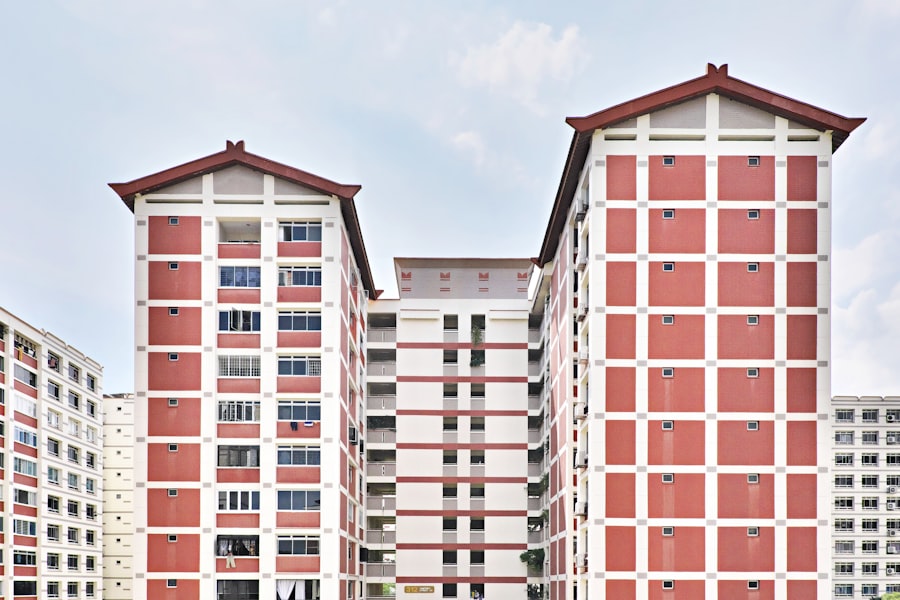
The constant pressure of housing instability and the diminishing prospects of affordable living are not just abstract economic issues; they have a significant psychological impact on your generation. The underlying insecurity can sow seeds of anxiety, uncertainty, and a sense of being perpetually on shaky ground.
Anxiety in the Face of Uncertainty
The inability to plan for the future with any degree of certainty is a significant source of stress. Unlike previous generations who could envision a stable future with homeownership, you are often left navigating a landscape where your living situation can change with little notice. This can manifest as chronic stress, impacting mental health and overall well-being.
- Fear of Eviction and Displacement: The constant threat of rent increases or lease terminations looms large, creating a pervasive sense of vulnerability.
- Difficulty in Long-Term Planning: Planning for major life events like starting a family or starting a business becomes significantly more challenging when the fundamental need for shelter is in constant flux.
- Increased Mental Health Burden: The prolonged stress associated with housing insecurity can exacerbate existing mental health conditions and contribute to the development of new ones.
The “Renters’ Remorse” Phenomenon
Even when you are able to rent, there can be a lingering sense of “renters’ remorse.” You are investing your hard-earned money, but you don’t own the asset. This can lead to feelings of frustration and dissatisfaction, knowing that you are contributing to someone else’s wealth while your own financial future remains precarious.
The Future of Urban and Rural Landscapes
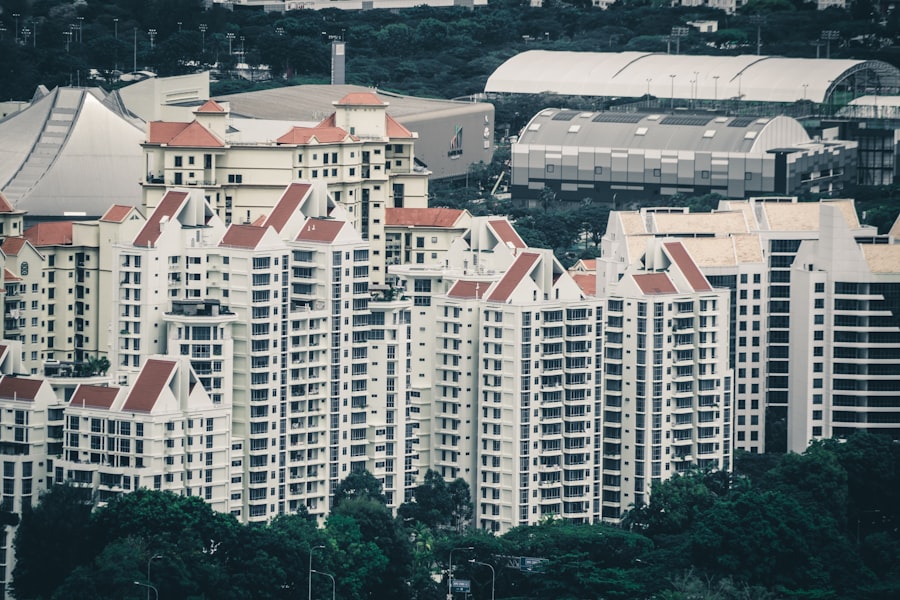
The impact of institutional real estate grabs extends beyond individual housing and community spaces. It is actively reshaping the future of both urban and rural landscapes, influencing where people can live, work, and thrive.
The Rise of the “Investor City”
Cities are increasingly being viewed not just as places for people to live and work, but as lucrative investment opportunities. This can lead to rapid gentrification, displacement of long-term residents, and a focus on attracting high-net-worth individuals and corporations over the needs of the existing populace. The soul of the city is being auctioned off, piece by piece.
- Gentrification and Displacement: Areas with historically affordable housing are often targeted for redevelopment, driving up rents and prices and forcing out lower-income residents.
- Focus on Luxury Development: New construction often prioritizes luxury apartments and high-end commercial spaces, catering to a wealthier demographic and exacerbating housing shortages for those with more moderate incomes.
- Loss of Diverse Communities: The influx of wealthier residents and the displacement of existing populations can lead to a significant loss of socio-economic and cultural diversity within urban areas.
The Rural Drain
The narrative isn’t confined to cities. In rural areas, institutional investors are increasingly acquiring vast tracts of agricultural land, sometimes for speculative purposes or to consolidate into massive agribusiness operations. This can displace small farmers, reduce local food production, and alter the traditional landscape and economy of rural communities. The verdant fields of your ancestors could become another investor’s spreadsheet.
- Consolidation of Farmland: Large investment firms can acquire agricultural land, often outbidding local farmers, leading to consolidation and a reduction in independent agricultural operations.
- Impact on Rural Economies: The displacement of local farmers and the shift towards large-scale agribusiness can negatively impact local economies and the traditional livelihoods of rural communities.
- Environmental Concerns: Large-scale industrial farming practices, often employed by institutional landowners, can have significant environmental consequences, including soil degradation and increased reliance on chemicals.
The increasing trend of institutional real estate investments is significantly affecting Generation Z, as they face challenges in accessing affordable housing. A recent article discusses how these large-scale acquisitions can drive up rental prices and limit homeownership opportunities for younger generations. For more insights on this topic, you can read the article here: How Wealth Grows. Understanding these dynamics is crucial for Gen Z as they navigate their financial futures in a rapidly changing real estate landscape.
Navigating the Landscape: Resistance and Resilience
| Metric | Description | Impact on Gen Z | Data/Value | Source |
|---|---|---|---|---|
| Homeownership Rate | Percentage of Gen Z owning homes | Decreased due to limited affordable housing | 28% (2023) | National Association of Realtors |
| Rental Price Increase | Year-over-year increase in rental costs | Increased financial burden on Gen Z renters | 7.5% (2023) | U.S. Bureau of Labor Statistics |
| Institutional Ownership of Residential Properties | Share of single-family homes owned by institutional investors | Reduced availability of homes for Gen Z buyers | 18% (2023) | CoreLogic |
| Average Time to Save for Down Payment | Months required for Gen Z to save 20% down payment | Increased due to rising home prices and rents | 72 months (6 years) | Urban Institute |
| Housing Affordability Index | Index measuring affordability of homes for median income | Declined, making homeownership less accessible | 85 (2023, base 100 = affordable) | National Association of Home Builders |
While the picture may seem bleak, your generation possesses a unique capacity for adaptation, innovation, and collective action. The impact of institutional real estate grabs is a formidable challenge, but it is not an insurmountable one. Understanding these dynamics is the first step towards finding solutions and building a more equitable future.
Collective Action and Advocacy
Your generation is already demonstrating a powerful collective voice. Through social media, grassroots organizing, and political advocacy, you can amplify your concerns and demand policy changes. This might involve advocating for stricter regulations on institutional investors, supporting affordable housing initiatives, and electing representatives who prioritize community well-being over corporate profits.
- Digital Organizing and Awareness Campaigns: Social media platforms are powerful tools for raising awareness, mobilizing support, and sharing information about the impact of institutional real estate grabs.
- Lobbying for Policy Change: Engaging with elected officials and advocating for policies that curb speculative real estate practices and prioritize affordable housing is crucial.
- Support for Community Land Trusts and Co-Housing Models: Exploring and supporting alternative housing models that prioritize community ownership and affordability can offer a viable path forward.
Rethinking the Definition of “Home”
Perhaps the most profound impact is the necessity for you to rethink what “home” truly means. If traditional homeownership is becoming an unattainable dream, you will need to forge new pathways to stability, security, and belonging. This might involve embracing co-living arrangements, prioritizing community over individual ownership, or advocating for a redefinition of housing as a human right rather than solely an investment vehicle. The future of your housing security and your sense of place depends on your ability to navigate these evolving landscapes with intelligence, tenacity, and a commitment to collective well-being.
▶️ WARNING: How Private Equity Is Liquidating Your Home Equity
FAQs
What is meant by institutional real estate grabs?
Institutional real estate grabs refer to large-scale purchases of residential or commercial properties by institutional investors such as private equity firms, real estate investment trusts (REITs), and pension funds. These entities acquire significant amounts of real estate, often leading to changes in market dynamics.
How do institutional real estate grabs affect housing affordability for Gen Z?
Institutional investors often buy properties to rent them out at higher rates, which can drive up rental prices and reduce affordable housing options. This trend can make it more difficult for Gen Z individuals, many of whom are entering the housing market for the first time, to find affordable homes or apartments.
What impact do these real estate acquisitions have on homeownership opportunities for Gen Z?
By purchasing large numbers of homes, institutional investors can limit the availability of properties for individual buyers. This competition can increase home prices, making it harder for Gen Z to purchase homes and build equity compared to previous generations.
Are there any social consequences of institutional real estate grabs on Gen Z communities?
Yes, institutional ownership can lead to less community stability as rental properties may have higher tenant turnover. Additionally, increased rents and housing scarcity can contribute to economic stress and reduced social mobility for young adults in affected areas.
What measures are being considered to mitigate the impact of institutional real estate grabs on Gen Z?
Some policymakers and advocacy groups are proposing regulations such as rent controls, restrictions on bulk property purchases, and incentives for affordable housing development. These measures aim to protect housing affordability and accessibility for younger generations like Gen Z.