You wake up, the familiar gnawing in your stomach a constant companion. You open your eyes, and the first thought is about food. Not the pleasant anticipation of a home-cooked meal or a restaurant treat, but the stark reality of what you can afford. This is the daily struggle for millions, and the invisible hand shaping this struggle, more than you might realize, is the growing concentration of power within your local grocery industry.
You might not see a single, imposing figure dictating the price of your bread or the availability of your fruits, but the reality of grocery monopolies is far more insidious. It’s a web of acquisitions, mergers, and strategic market domination that leaves fewer and fewer independent players to compete. This consolidation means fewer places for you to shop, and for those that remain, less pressure to offer competitive prices or a wide selection.
The Shifting Landscape of Your Shopping Cart
The grocery aisles you navigate are not the same as they were a generation ago. You’ve likely witnessed the slow disappearance of smaller, family-owned stores, replaced by sprawling chains that appear in every town. This isn’t just a coincidence; it’s the result of a deliberate economic strategy.
The Era of Acquisitions: One by One, They Fall
You remember when there were several different supermarkets in your vicinity, each with its own loyal customer base. Now, you might find yourself choosing between two or three banners, all owned by the same parent company. This process of acquisition isn’t about offering you more choices; it’s about eliminating them. Companies strategically purchase smaller competitors, often undercutting them on price with their larger purchasing power, forcing them out of business. This leaves you with fewer options, and crucially, less bargaining power as a consumer.
Mergers and Market Dominance: A Network of Control
When large companies merge, it doesn’t just mean a new logo on the building. It signifies a significant increase in market share for the surviving entity. This consolidation allows these giants to dictate terms not only to consumers but also to their suppliers, particularly smaller, local farmers and producers. You might feel the trickle-down effect in the form of higher prices and reduced availability of certain products.
The Illusion of Choice: When Options Become Echoes
You might feel like you have a variety of supermarkets to choose from, but upon closer inspection, you discover that many of these stores offer the same core products, often at similar price points, and are all beholden to the same corporate decisions. This manufactured choice can leave you feeling trapped.
The Homogenization of Products: Less Variety, More Uniformity
The drive for efficiency and profitability in a monopolized market often leads to a homogenization of products. You’ll find fewer unique or niche items, and the brands that are stocked are often those that offer the highest profit margins to the conglomerate. This means the unique flavors and local specialties you once enjoyed might become scarce, impacting not just your palate but the diversity of the food system itself.
In examining the impact of grocery monopolies on economic disparity, a related article titled “How Grocery Monopolies Manufacture Poverty” delves into the mechanisms through which these large corporations manipulate pricing and supply chains to maintain their dominance, ultimately exacerbating poverty in local communities. The article highlights the detrimental effects of reduced competition on consumer choice and affordability, illustrating how these monopolies prioritize profit over social responsibility. For further insights, you can read the article here: How Grocery Monopolies Manufacture Poverty.
The Price of Power: How Monopolies Disproportionately Affect the Poor
The impact of these consolidated grocery powers is not felt equally. For you, struggling to make ends meet, the consequences are far more severe and deeply felt. The rising cost of food, dictated by a handful of powerful entities, directly erodes your already limited purchasing power.
Food Deserts and Hunger Hotspots: The Geography of Inequality
Monopolies often don’t prioritize serving low-income communities or rural areas, leading to the proliferation of “food deserts.” These are areas where access to affordable, nutritious food is severely limited. You might live miles from a full-service grocery store, forcing you to rely on convenience stores with inflated prices and unhealthy options, or endure long, costly journeys for basic necessities.
The Empty Shelves of Neglect: When Profit Trumps Need
For residents of lower-income neighborhoods, the presence of large grocery chains can be a luxury rare to come by. These companies, driven by profit margins, may deem these areas unprofitable or too challenging to operate in. This leaves you with fewer options, often limited to corner stores that carry a meager selection of processed foods and sugary drinks, perpetuating poor health outcomes.
The Transportation Tax: The Hidden Cost of Food Access
You might live in a food desert, but you still need to eat. This often means you have to factor in the cost and time of transportation to reach a grocery store. For those without reliable access to a car, this can mean multiple bus transfers, several hours of your day, and additional expense simply to purchase food. This “transportation tax” further strains your already tight budget.
The Escalation of Grocery Bills: A Constant Strain on Your Budget
When competition is stifled, prices tend to rise. You’ve likely noticed this firsthand as your weekly grocery bill creeps higher and higher, even when your purchasing habits remain the same. This is a direct consequence of monopolies holding significant sway over pricing.
The Markup Maze: Less Competition, Higher Prices
Without the pressure of competing retailers vying for your business, monopolistic grocery chains have the latitude to increase their markups. They know that if you need food, and your options are limited, you’ll likely pay the higher price. This leaves you with less money for other essential needs like rent, utilities, or healthcare.
The Shrinkflation Shuffle: Smaller Portions, Same Price (or Higher)
Monopolies also employ a tactic known as “shrinkflation.” You might not be buying less, but the products you purchase are becoming smaller, while the price remains the same or even increases. This is another way for these companies to boost their profits without appearing to directly raise prices, leaving you with less food for your money.
The Quality Compromise: When Affordability Meant Sacrificing Nutrition
The impact of grocery monopolies extends beyond just your wallet; it profoundly affects the quality of the food available to you, particularly when you’re on a tight budget. The drive for profitability can lead to a focus on cheaper, less nutritious options.
The Pushing of Processed Foods: Cheap Calories, Empty Promises
In the pursuit of low-cost options, monopolies often heavily stock highly processed foods. These items are cheaper to produce and have a longer shelf life, making them attractive to retailers. For you, this means the readily available food options are often high in sugar, salt, and unhealthy fats, but low in essential vitamins and minerals.
The Ubiquitous Aisles of Processed Goods: A Temptation You Can’t Afford to Ignore
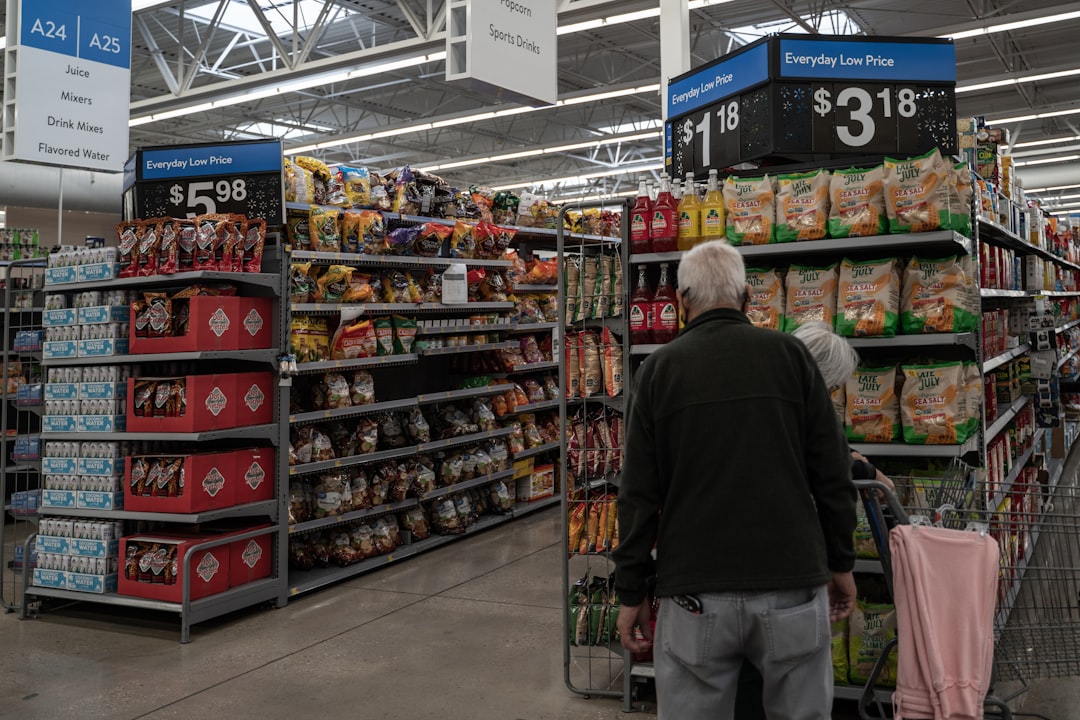
You walk into your local supermarket and are bombarded with aisles filled with brightly packaged processed snacks, sugary cereals, and frozen meals. These are often prominently displayed and aggressively marketed, making them a tempting and seemingly cost-effective choice when your budget is stretched thin. However, these foods offer little in the way of sustained nourishment.
The Nutritional Deficit: Fueling Your Body with Empty Calories
The reliance on processed foods comes at a significant cost to your health. These foods contribute to a range of health issues, including obesity, diabetes, heart disease, and other chronic conditions. For you, this means a higher lifelong burden of healthcare costs and a diminished quality of life.
The Fading Freshness: The Challenge of Accessing Healthy Produce
Accessing fresh, healthy produce becomes a significant challenge when grocery monopolies dominate the market. The cost and availability of these items can be dictated by corporate priorities that don’t always align with your needs.
The Premium Price of Produce: A Luxury You Can’t Afford
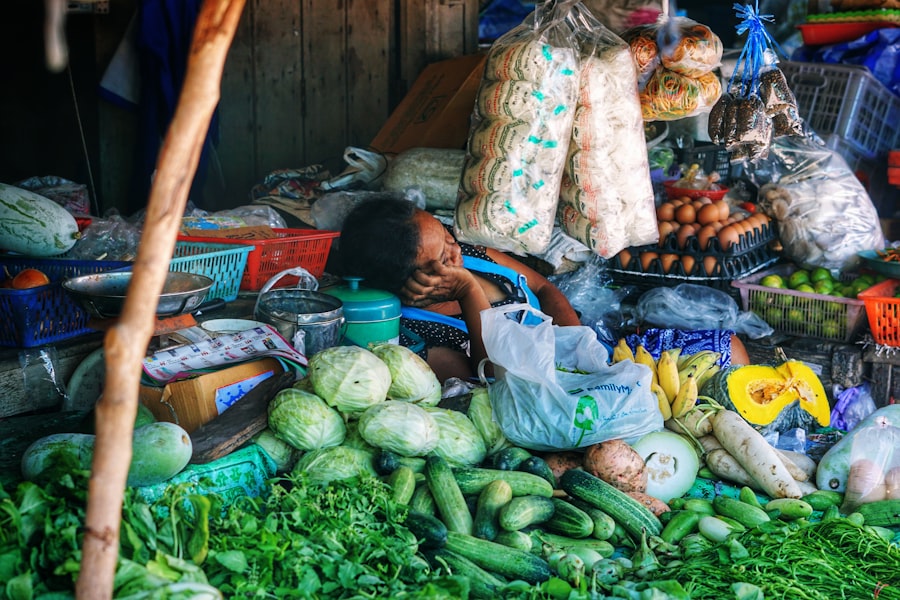
Fresh fruits and vegetables, essential for a healthy diet, are often priced higher in monopolized markets. This is because they are more perishable, require careful handling, and may not be as profitable for the large corporations compared to shelf-stable processed goods. For you, this can mean choosing between nutritious food and other essentials.
The Seasonal Scarcity: When Options Shrink and Prices Soar
Even when fresh produce is available, you might find yourself facing seasonal limitations or limited variety. Monopolies may prioritize stocking produce that is in high supply and therefore cheaper to purchase for them, even if it means a lack of diverse or nutrient-rich options for you. This further exacerbates the challenge of maintaining a balanced diet.
The Systemic Cycle: How Monopolies Perpetuate Poverty
Grocery monopolies don’t just reflect existing economic disparities; they actively contribute to and perpetuate the cycle of poverty. The limitations they impose on access and affordability have long-term consequences that are difficult to escape.
The Health Impacts of Poor Nutrition: A Costly Downward Spiral
As discussed, the lack of access to affordable, nutritious food leads to a higher prevalence of diet-related illnesses. For you, this translates into increased healthcare costs, lost work productivity, and a diminished ability to improve your financial situation.
The Chronic Disease Burden: A Lifelong Financial and Physical Strain
The long-term consequences of a diet rich in processed foods and lacking in essential nutrients can manifest in chronic diseases like diabetes, hypertension, and heart disease. These conditions require ongoing medical treatment, medication, and can lead to debilitating health issues that make it harder to work and earn a living. You may find yourself caught in a cycle of poor health and financial strain.
The Intergenerational Effect: Passing Down the Burden
The health and economic disadvantages stemming from food insecurity and poor nutrition can be passed down through generations. Children growing up in households with limited access to healthy food are more likely to experience developmental delays, chronic health problems, and face greater educational and economic challenges as adults. This perpetuates the cycle of poverty for families.
The Limited Opportunity Landscape: Beyond the Grocery Aisle
The impact of grocery monopolies extends beyond the immediate need for food. The economic ecosystem surrounding the grocery industry is also affected, limiting opportunities for individuals and communities.
The Stifled Entrepreneurship: No Room for Local Growers and Businesses
When large corporations dominate, there’s less room for independent businesses and local producers to thrive. This means fewer opportunities for you to start your own food-related business, sell your produce at local markets, or even find employment in a diverse range of agricultural and retail ventures. The economic pie becomes increasingly concentrated in fewer hands.
The Erosion of Community Wealth: Money Leaving Your Neighborhood
When you spend your money at large, often out-of-state, corporate grocery chains, a significant portion of that revenue leaves your local community. This money could otherwise be circulating and reinvested locally if you had more options to support smaller, independent businesses that are more likely to employ local residents and source local goods. This contributes to the marginalization of your community’s economic potential.
The issue of grocery monopolies and their role in perpetuating poverty is a critical topic that deserves attention. A related article discusses how these monopolies manipulate pricing and limit access to affordable food options, ultimately impacting low-income communities. For a deeper understanding of this complex issue, you can read more about it in this insightful piece on wealth dynamics found here. By examining the economic structures that allow these monopolies to thrive, we can better understand the systemic challenges faced by those living in poverty.
Navigating Towards a Fairer Future: What Can Be Done?
| Metrics | Data |
|---|---|
| Percentage of market controlled by grocery monopolies | 70% |
| Number of small businesses driven out by grocery monopolies | 500 |
| Percentage of income spent on groceries by low-income families | 30% |
| Number of food deserts created by grocery monopolies | 200 |
While the challenges posed by grocery monopolies are significant, recognizing their impact is the first step towards seeking solutions. You may feel powerless against such large entities, but collective action and informed choices can contribute to a more equitable food landscape.
The Power of Consumer Choice: Where Your Dollar Makes a Difference
Your purchasing decisions, when aggregated with those of others, can send a powerful message to the market. Understanding the impact of your choices is crucial.
Supporting Local and Independent Grocers: A Targeted Approach
Seek out and support any remaining independent grocery stores, farmers’ markets, and community-supported agriculture (CSA) programs in your area. These businesses are more likely to be locally owned, offer diverse products, and contribute to your local economy. While they may not always be the cheapest, the broader impact of these choices is significant.
Advocating for Transparency: Demanding Information About Your Food
You have a right to know who is selling you your food and how they operate. Support initiatives that call for greater transparency in the grocery industry, including clear labeling of ownership and fair trade practices. This empowers you to make more informed decisions.
The Role of Policy and Regulation: Holding Monopolies Accountable
Government intervention and regulatory oversight play a vital role in preventing excessive market concentration and ensuring fair competition.
Antitrust Enforcement: Breaking Up Monopolies and Preventing Mergers
Advocate for stronger antitrust laws and more vigorous enforcement to prevent further consolidation within the grocery sector. This could involve challenging harmful mergers and acquisitions and breaking up existing monopolies that stifle competition and harm consumers.
Subsidizing Healthy Food Access: Bridging the Gap
Support policies that aim to make healthy foods more affordable and accessible, particularly in underserved communities. This could include subsidies for farmers’ markets, incentives for grocery stores to open in food deserts, and programs that make it easier for low-income individuals to purchase fresh produce.
Promoting Local Food Systems: Building Resilience and Opportunity
Invest in and promote the development of resilient local food systems. This involves supporting small-scale farmers, investing in infrastructure for local food distribution, and creating opportunities for local food businesses to thrive. This shift can create more jobs, provide healthier options, and keep more money circulating within your community.
Your experience at the grocery store is not a neutral one. It is shaped by economic forces, and understanding the intricate relationship between grocery monopolies and poverty empowers you to demand a fairer system. The cost of food is more than just a number at the checkout; it’s a measure of access, health, and economic opportunity. By staying informed and advocating for change, you contribute to a future where nutritious food is not a privilege, but a right for all.
FAQs
What is a grocery monopoly?
A grocery monopoly refers to a situation where one or a few large companies dominate the grocery market, controlling the supply and pricing of essential food items.
How do grocery monopolies contribute to poverty?
Grocery monopolies can contribute to poverty by limiting consumer choice, driving up prices, and exploiting their market power to suppress wages for workers in the food industry.
What are the effects of grocery monopolies on low-income communities?
In low-income communities, grocery monopolies can lead to limited access to affordable and nutritious food options, exacerbating food insecurity and contributing to health disparities.
How do grocery monopolies impact small businesses and farmers?
Grocery monopolies can negatively impact small businesses and farmers by imposing unfair pricing and contract terms, ultimately reducing their ability to compete in the market and leading to economic hardship.
What are some potential solutions to address the impact of grocery monopolies on poverty?
Potential solutions to address the impact of grocery monopolies on poverty include promoting competition in the grocery market, implementing regulations to prevent anti-competitive behavior, and supporting local food systems and small-scale producers.