The Invisible Hand Gripping Your Grocery Cart: Financialization and Rising Food Prices
You’ve noticed it. The quiet shock at the checkout, the mental arithmetic that doesn’t quite add up anymore. Your weekly grocery bill, once a predictable expense, has become a source of growing anxiety. You might blame inflation, supply chain issues, or the weather, and while those factors certainly play a role, there’s a deeper, more pervasive force at play: financialization. This isn’t just about farmers or grocers anymore; it’s about the increasing influence of financial markets and investors on the very food you put on your table.
For generations, the primary concern for those in agriculture was the cultivation of crops and the raising of livestock. Profitability was linked to yields, market demand for produce, and efficient farming practices. The value of food was largely tied to its tangible qualities and the labor involved in its creation. However, over the past few decades, the landscape has transformed dramatically. The concept of food has begun to diverge from its purely agricultural roots and has increasingly become an object of financial speculation.
Commodities and Contracts: The New Agricultural Frontier
Consider the humble soybean, the wheat berry, or the corn kernel. Once, their value was intrinsically linked to how much they could be harvested, stored, and consumed. Today, their prices are heavily influenced by futures contracts traded on global exchanges. These contracts represent an agreement to buy or sell a commodity at a certain price on a future date. While hedging against price volatility is the stated purpose for some participants, the vast majority of these contracts are held by financial institutions – hedge funds, pension funds, and other investment vehicles – looking to profit from price movements. Your decision to buy a loaf of bread or a bag of chips is now indirectly tied to the outcomes of complex financial bets placed by individuals and entities who may never have set foot on a farm.
The Rise of Agribusiness Giants and Their Financial Arms
Large agricultural corporations, driven by shareholder value, have increasingly integrated financial strategies into their operations. Research and development might still be important, but so is optimizing land acquisition, managing commodity price exposure through financial derivatives, and engaging in mergers and acquisitions driven by financial synergies rather than purely operational ones. This creates a feedback loop where the financial performance of these giants can influence their investment decisions in production, potentially leading to shifts in what is grown, where it is grown, and at what cost.
Beyond the Farm Gate: The Financialization of the Entire Food Chain
The impact of financialization extends far beyond the farm. Every step in the food supply chain – from processing and transportation to retail and distribution – has become a potential site for financial investment and optimization. Companies that provide these services are no longer just providing a service; they are also financial entities managing assets and seeking returns for their investors. This can create a disconnect between the cost of producing and delivering food and the price you ultimately pay.
The rising trend of financialization is significantly impacting grocery bills, as outlined in a related article on the topic. This phenomenon, where financial motives and markets increasingly influence everyday commodities, has led to higher prices for essential goods. As consumers face escalating costs at the checkout, understanding the underlying factors becomes crucial. For a deeper insight into how financialization is reshaping our economy and affecting grocery prices, you can read more in this article: How Wealth Grows.
The Speculative Surge: How Investors Influence Your Produce’s Price Tag
You see the price of a head of lettuce jump. It’s easy to attribute this to a drought or a shipping delay. But the invisible hand of financial speculation often plays a more insidious role, driving up prices beyond what the physical realities of supply and demand would dictate.
Futures Markets and Price Discovery: A Murky Landscape
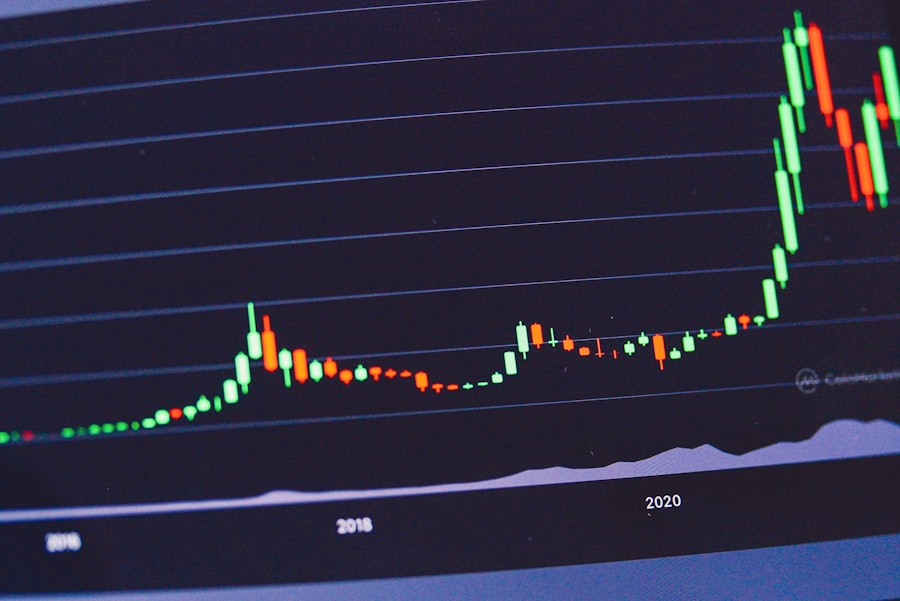
The core of speculative influence lies in commodity futures markets. When you hear about “food prices” in the news, it’s often referring to the prices on these exchanges, which are then used as benchmarks for actual physical goods. However, the volume of trading in these futures markets far outstrips the actual physical movement of goods. This means that prices can be driven by the actions of investors whose primary interest is in profiting from price swings, rather than the fundamental need for food. When a large number of investors anticipate a price increase (perhaps due to geopolitical instability or anticipated weather events), they buy futures contracts. This increased demand for the contracts artificially inflates their price, which then signals to producers and traders that prices will rise. This can create a self-fulfilling prophecy, pushing up the cost of raw agricultural commodities, which then trickles down to the grocery store.
Algorithmic Trading and High-Frequency Speculation
Modern financial markets are increasingly dominated by algorithms and high-frequency trading. These sophisticated programs can execute thousands of trades in fractions of a second, reacting to market signals and news with lightning speed. When it comes to agricultural commodities, these algorithms can amplify price movements based on even minor fluctuations or perceived trends. This rapid, automated buying and selling can create volatility that bears little relation to the actual availability or demand for food. You become an unwitting participant in a high-stakes financial game where your ability to afford basic sustenance is influenced by lines of code.
The “Investor Class” and its Motivations
The individuals and institutions involved in commodity speculation are part of what can be termed the “investor class.” Their primary motivation is capital appreciation – making more money from their money. This is a fundamental principle of capitalism, but when applied to essential goods like food, it raises serious ethical questions. The decisions made by these investors are not guided by altruism or a desire to ensure everyone has access to affordable nutrition; they are guided by profit maximization. If speculating on rising food prices offers a lucrative opportunity, they will pursue it, regardless of the consequences for consumers.
The Corporate Consolidation: When Fewer Hands Control More Harvests
The financialization of agriculture also fuels a relentless drive towards consolidation. The logic of maximizing shareholder value often leads to mergers and acquisitions, creating ever-larger entities that exert significant control over the food system. This concentration of power has profound implications for prices and market dynamics.
Mergers, Acquistions, and Market Dominance
You’ve likely seen familiar brand names disappear from store shelves or become part of larger conglomerates. This isn’t just a matter of convenience or changing consumer preferences. It’s a strategic move by financially driven corporations to increase their market share, reduce competition, and gain greater leverage over suppliers and consumers. When a few companies dominate the production and distribution of key agricultural products, they have more power to set prices, influence agricultural practices, and dictate terms to farmers.
Reduced Competition and Price Setting Power
In a highly consolidated market, the vibrant competition that typically drives down prices for consumers is significantly diminished. With fewer players, dominant companies can maintain higher prices, knowing that consumers have limited alternatives. This can lead to situations where food is more profitable to produce and sell at higher price points, even if the underlying production costs haven’t risen commensurately. The consumer is left with fewer choices and often higher bills.
The Influence of Agribusiness Giants on Policy
The sheer economic power of these consolidated agribusiness giants translates into significant political influence. They can lobby governments, fund think tanks, and exert pressure on policymakers to create a regulatory environment that favors their business models. This can include advocating for policies that protect their profit margins, discourage regulations that might impose costs, or create subsidies that benefit large-scale operations. This influence can further entrench their market dominance and contribute to the upward pressure on food prices.
The Financialization of Risk: Passing the Buck to Your Budget
Financialization doesn’t just involve speculation; it also involves the sophisticated management and often the externalization of risk. Companies are increasingly using financial instruments to shield themselves from potential losses, and the cost of this risk management is often passed on to you.
Derivatives and Hedging Strategies: A Shield for Corporations
Agribusinesses and food retailers employ a complex array of financial derivatives – options, futures, and swaps – to hedge against price volatility of inputs like grain, fuel, and even currency. While this can be a legitimate business practice to ensure stable operations, it also means that the cost of these hedging activities is factored into the final price you pay. When the hedged scenarios don’t play out as expected, or when the hedging itself proves expensive, those costs don’t disappear; they are often absorbed by increasing the prices of the goods you purchase.
“Insurance” Policies for Profits, Not Necessarily for Affordability
Think of these financial instruments as insurance policies for corporations. They are designed to protect profits and ensure predictable returns for investors. However, the premiums paid for this “insurance” are ultimately borne by the end consumer. If a company can guarantee a certain profit margin by hedging against price fluctuations, it has less incentive to find operational efficiencies that would directly reduce costs for the consumer. Instead, the cost of that stability is simply added to the price tag.
The “Externalization” of Costs: Your Grocery Bill Bears the Brunt
This concept of “externalizing costs” is central to understanding the impact of financialization. Instead of fully bearing the costs associated with market volatility or operational challenges, companies use financial mechanisms to offload that burden onto the broader economy, and ultimately, onto consumers. When crop yields are lower than anticipated, or when transportation costs surge, the burden of these unpredictable events is often amortized across all your purchases, rather than being absorbed solely by the company responsible or its investors.
The rising trend of financialization has significantly impacted everyday expenses, particularly in the grocery sector, leading to increased bills for consumers. This phenomenon, where financial motives overshadow traditional business practices, has resulted in higher prices for basic food items. For a deeper understanding of how these economic shifts are affecting household budgets, you can read more in this insightful article on the topic. To explore further, check out this related article that delves into the implications of financialization on grocery costs.
The Consumer’s Dilemma: Navigating an Increasingly Complex Food System
| Metrics | Data |
|---|---|
| Percentage Increase in Food Prices | 10% |
| Impact on Household Budgets | 5-7% |
| Financialization of Food Commodities | 30% |
| Corporate Profits from Food Sector | 20% |
You are at the end of this complex, financially driven food chain. The decisions made in distant trading floors and corporate boardrooms ripple outwards, affecting the contents of your shopping cart and the size of your grocery bill. Understanding these forces is the first step towards navigating them.
The Disconnect Between Production Cost and Retail Price
The most significant impact you witness is the growing disconnect between the cost of producing food and the price you pay. While farmers might be receiving a relatively static or even declining price for their produce, by the time it reaches your table, the price has often multiplied. This massive markup is not solely due to transportation or retail overhead. A substantial portion is attributable to the financial layers that have been added throughout the supply chain.
The Illusion of Choice: When Brands are Owned by Fewer Entities
The shelves in your local supermarket might appear to offer a wide array of choices, but this can be an illusion. As mentioned earlier, many of the brands you see are owned by just a handful of massive corporations. This consolidation means that even if you choose a different brand, you are likely still supporting a business with the same underlying financial motivations and market power. This limits your ability to vote with your wallet and force change through consumer behavior alone.
The Urgent Need for Transparency and Regulation
The opacity of the financialized food system makes it difficult for consumers to understand why prices are what they are. There is a growing need for greater transparency in commodity markets, in corporate ownership structures, and in the financial dealings of agribusinesses. Furthermore, thoughtful regulation is essential to curb excessive speculation, prevent predatory market practices, and ensure that food remains accessible and affordable for everyone. Without these interventions, the invisible hand of financialization will continue to tighten its grip on your grocery cart, making it harder and harder to feed yourself and your family. You have the power to demand more, to support initiatives that promote local and sustainable food systems, and to advocate for policies that prioritize nourished communities over speculative profits.
FAQs
What is financialization?
Financialization refers to the increasing influence of financial markets, financial motives, financial institutions, and financial elites on the operations of the economy and its impact on society.
How does financialization affect grocery bills?
Financialization can lead to increased speculation in commodity markets, which can drive up the prices of essential goods such as food. This can result in higher grocery bills for consumers.
What are some examples of financialization impacting food prices?
Examples of financialization impacting food prices include the increased trading of agricultural commodities on financial markets, the influence of hedge funds and other financial institutions on food prices, and the use of financial instruments such as futures contracts to bet on the future prices of food.
What are the consequences of financialization on grocery bills?
The consequences of financialization on grocery bills can include higher prices for essential food items, increased volatility in food prices, and potential challenges for low-income households to afford an adequate diet.
What can be done to address the impact of financialization on grocery bills?
Addressing the impact of financialization on grocery bills may involve regulatory measures to limit speculation in commodity markets, increased transparency in food pricing, and efforts to support local and sustainable food systems.