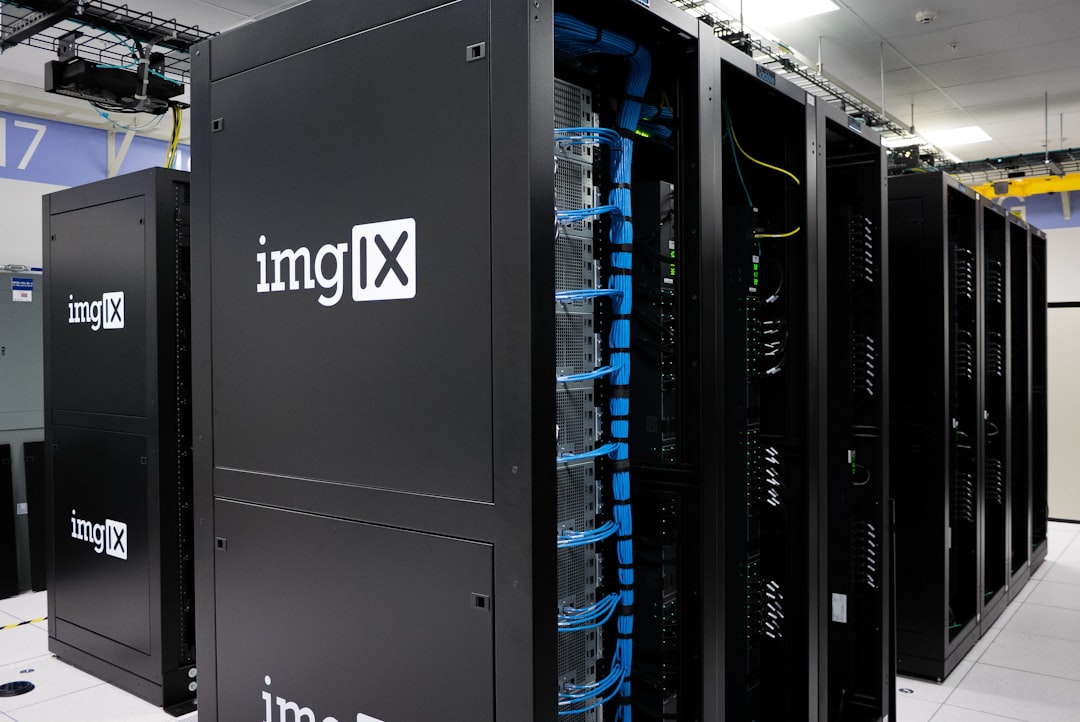
You’re likely aware that the digital world you navigate, from streaming your favorite shows to conducting critical business, is powered by massive facilities known as data centers. These colossal complexes, humming with servers and cooling systems, are the unseen engines of our connected lives. But have you considered how these digital titans might be influencing the electricity bill that arrives at your doorstep? The impact of data centers on local electric rates is a complex, multifaceted issue, a intricate dance between soaring demand, infrastructure demands, and the economic realities of energy provision in your community.
Data centers are not just buildings; they are power-hungry behemoths. Their primary function – to process, store, and transmit vast quantities of data – requires a constant, reliable, and substantial flow of electricity. Imagine a single server as a tiny, tireless worker, and a data center as a bustling city where millions of these workers labor 24/7. Each worker needs a constant supply of energy to perform their function, and the collective energy demand of such a city is immense.
Server Farms: The Core Consumers
At the heart of every data center lie the servers. These are not your average home computers; they are optimized for performance and uptime, running continuously. This constant operation translates into a significant and unyielding electricity draw. The sheer density of servers packed into these facilities means that even a small footprint can house an energy demand equivalent to a small town.
Processing Power and Heat Generation
The computational power required to run the internet as we know it is staggering. Every search query, every video stream, every cloud-based application, demands processing. This processing generates heat, a significant byproduct that must be managed. The more processing power, the more heat, and the more power is needed to expel that heat.
Storage Demands: The Silent Eaters
Beyond processing, data centers also house colossal amounts of data storage. Think of it as a digital library, holding an ever-expanding collection of information. The hardware that stores this data, while perhaps less power-hungry per unit than a high-performance server, is present in such vast quantities that its collective energy consumption is substantial. These magnetic and solid-state drives need power to maintain their state and ensure data integrity.
Ancillary Systems: Orchestrating the Power Flow
The servers are not the only components drawing power. A complex web of ancillary systems ensures the data center operates efficiently and without interruption, each with its own significant energy footprint.
Cooling Systems: The Lifeline of the Digital Brain
The heat generated by servers is the Achilles’ heel of the data center. Without robust and energy-intensive cooling systems, these machines would overheat and fail, a catastrophic scenario for the services they support. This can involve anything from massive air conditioning units to sophisticated liquid cooling solutions. The cooling system often represents a substantial portion of a data center’s total energy consumption, sometimes rivaling, if not exceeding, the power drawn by the servers themselves.
Power Distribution and Backup: The Unsung Heroes
Ensuring a stable and uninterrupted power supply is paramount. This involves intricate power distribution networks within the facility, along with backup generators and uninterruptible power supplies (UPS). While these systems are designed for efficiency, their cumulative power draw, especially during testing or in the event of an outage, adds to the overall demand.
The growing presence of data centers in various regions has raised concerns about their impact on local electric rates, as these facilities consume significant amounts of energy. A related article discusses how the influx of data centers can lead to increased demand for electricity, potentially driving up costs for local residents and businesses. For more insights on this topic, you can read the article here: Impact of Data Centers on Local Electric Rates.
The Grid Under Pressure: Capacity and Infrastructure Challenges
The sudden and often concentrated surge in electricity demand from a new data center can place considerable strain on the existing local power grid. It’s as if a new industrial giant has moved into a quiet residential neighborhood, demanding more resources than the existing infrastructure was designed to provide.
Increased Load on Existing Infrastructure
Existing power lines, substations, and transformers are designed to serve the needs of a community at a certain level. The addition of a data center, with its constant and high-demand profile, can push these components beyond their intended capacity. This is akin to filling a narrow pipe with a firehose; the pressure builds, and the system is stressed.
Transformer Overload and Aging Components
Transformers are the workhorses of the electrical grid, stepping down voltage for distribution. A massive increase in demand can lead to transformers operating at their maximum capacity, generating excessive heat and potentially leading to premature failure. Older or less robust components within the grid are particularly vulnerable to these increased loads.
Transmission Line Capacity
The lines that carry electricity from generating plants to your community also have limitations. If the demand from a data center, coupled with the existing demand, exceeds the capacity of these transmission lines, it can lead to voltage drops and power quality issues throughout the wider network.
The Need for Grid Upgrades: A Costly Undertaking
To accommodate the substantial energy needs of data centers, significant investments in upgrading and expanding the local power grid are often necessary. These are not minor adjustments; they are major infrastructure projects with considerable price tags.
Substation Expansion and Modernization
New substations or expansions to existing ones may be required to handle the increased power flow into the data center. This involves substantial civil engineering, electrical work, and the installation of new, high-capacity equipment.
New Transmission Lines and Distribution Networks
In some cases, entirely new transmission lines may need to be constructed to bring sufficient power to the data center’s location. Within the community, the distribution network may also need to be augmented to ensure reliable delivery, adding further layers of cost.
The Financial Ripple Effect: Who Pays for the Power Surge?

The substantial capital expenditure required for grid upgrades inevitably finds its way into the cost of electricity. This is where the impact on local electric rates becomes most palpable for you, the consumer.
Capital Recovery and Rate Increases
The costs associated with building new substations, upgrading transmission lines, and installing new transformers are not absorbed by the utility companies alone. These investments are typically financed, and the costs of financing and repayment are factored into the electricity rates that all customers pay. This is the principle of capital recovery – those who benefit, directly or indirectly, contribute to the cost of providing the service.
Utility Investment and Rate Filings
Utility companies must seek approval from regulatory bodies for rate increases. When significant infrastructure investments are made to accommodate new, large-scale power consumers like data centers, their rate filings will often reflect these costs. This creates a direct link between data center growth and changes in your electricity bill.
The “Data Center Premium”
In some regions, the impact of data centers has led to what can be effectively termed a “data center premium” on electricity rates. This doesn’t mean there’s a separate line item explicitly labeled as such on your bill, but rather that the overall rate structure has been adjusted to account for the increased costs of generation, transmission, and distribution necessitated by these facilities.
Economic Benefits vs. Consumer Costs: A Balancing Act
The presence of data centers can bring economic benefits to a community, such as job creation and tax revenue. However, these benefits must be weighed against the financial burden placed on local electricity consumers through potentially higher rates. It’s a complex economic equation, and the desired outcome is often a balance that fosters economic growth without unduly penalizing existing residents and businesses.
Job Creation and Local Investment
Data centers do create jobs, both during their construction phase and for ongoing operations and maintenance. They also contribute to the local tax base, which can fund public services. These are tangible economic advantages.
The Question of Fairness in Cost Allocation
A key point of contention is the fairness of how these costs are allocated. Should the general electricity consumer bear the brunt of the infrastructure costs necessitated by a sector with such a uniquely high and concentrated demand? Or should there be more direct mechanisms for data centers to contribute to these necessary upgrades?
Regulatory Frameworks and Policy Interventions

The impact of data centers on local electric rates is not solely a matter of market forces; it is also shaped by the regulatory environment and policy decisions made at various levels of government. These frameworks can either exacerbate or mitigate the financial implications for consumers.
Utility Regulation and Rate Design
The way electricity rates are designed – the structure of fixed charges versus per-kilowatt-hour consumption charges, for instance – can influence how the costs of data center-related infrastructure are distributed. Regulatory bodies play a crucial role in approving or rejecting these rate designs.
Incentives for Renewable Energy and Efficiency
Some regulatory frameworks encourage utilities to invest in renewable energy sources and energy efficiency programs. While these initiatives aim to reduce overall energy costs in the long run, their integration with the demands of data centers presents a complex challenge.
Local Zoning and Permitting: Influencing Location and Scale
Local governments have the power to influence where and how data centers are built through zoning ordinances and permitting processes. These decisions can impact the accessibility of suitable locations with adequate power infrastructure, potentially influencing the overall cost of development and, consequently, electricity rates.
Community Input and Impact Assessments
Engaging the community in the permitting process allows for concerns about energy impact to be raised and potentially addressed. Thorough impact assessments are vital to understanding the potential strain on the local grid before a project is approved.
State and Federal Energy Policies
Broader state and federal energy policies can also play a role. Mandates for increased renewable energy penetration, for example, can influence the cost and availability of electricity for all consumers, including data centers, and indirectly affect local rates.
The growing demand for data centers has raised concerns about their impact on local electric rates, as these facilities consume vast amounts of energy. A recent article explores how the influx of data centers can strain local power grids and potentially lead to higher electricity costs for residents. For more insights on this topic, you can read the full article here. Understanding the balance between technological advancement and energy consumption is crucial for communities facing these challenges.
Strategies for Mitigation and a Sustainable Future
| Metric | Description | Typical Range / Value | Impact on Local Electric Rates |
|---|---|---|---|
| Data Center Power Demand (MW) | Amount of electricity consumed by data centers in a region | 10 – 200 MW per large facility | Increases overall demand, potentially raising rates if supply is constrained |
| Peak Load Contribution (%) | Percentage of local peak electricity load attributed to data centers | 5% – 20% | Higher peak load can lead to increased infrastructure costs, affecting rates |
| Electricity Rate Increase (%) | Estimated rise in local electric rates due to data center demand | 0.5% – 5% | Varies by region and grid capacity; some areas see minimal impact |
| Grid Infrastructure Investment ( million) | Capital spent to upgrade local grid to support data center loads | 10 – 500 million | Costs often passed to consumers, influencing electric rates |
| Renewable Energy Integration (%) | Share of data center energy sourced from renewables | 20% – 100% | Higher renewable use can mitigate rate increases and environmental impact |
| Load Management Programs | Initiatives to shift data center energy use to off-peak hours | Implemented in some regions | Helps reduce peak demand and limit rate increases |
Addressing the impact of data centers on local electric rates requires a proactive and multifaceted approach, aiming to ensure both the continued growth of the digital economy and the affordability of electricity for communities.
Grid Modernization and Smart Grid Technologies
Investing in a “smarter” grid can enhance efficiency and reliability, potentially offsetting some of the increased costs. Smart grid technologies allow for better monitoring, control, and optimization of energy flow.
Demand-Side Management and Load Balancing
Implementing demand-side management strategies can encourage data centers to shift their energy consumption to off-peak hours, reducing strain on the grid during peak demand periods. This is like smoothing out the traffic flow in a city to avoid gridlock.
Distributed Energy Resources and Microgrids
The integration of distributed energy resources, such as on-site solar or battery storage, can help data centers reduce their reliance on the main grid, thereby lessening the demand placed upon it and potentially leading to lower overall costs.
Innovative Power Purchase Agreements (PPAs)
Data centers are increasingly exploring innovative power purchase agreements, including those that directly support renewable energy projects. These agreements can provide long-term price stability and directly contribute to building new energy infrastructure.
Green Power Procurement
By committing to purchasing a significant portion of their electricity from renewable sources, data centers can drive investment in new green energy projects. This can increase the overall supply of cleaner energy for the grid, potentially leading to more stable and lower long-term costs for everyone.
Direct Investment in Energy Infrastructure
In some instances, large data center operators are willing to invest directly in grid upgrades or renewable energy generation, acting as partners in developing the necessary infrastructure. This can significantly reduce the burden on general ratepayers.
Policy Reforms for Fair Cost Allocation
Revisiting and reforming utility rate structures and regulatory policies can ensure a more equitable distribution of costs. This involves ensuring that the benefits and burdens of data center development are fairly shared.
Rate Case Reforms and Cost-of-Service Analyses
Regulatory bodies can implement reforms to rate cases that specifically account for the unique demands of large industrial consumers like data centers. Detailed cost-of-service analyses are crucial to accurately pinpoint where costs are being incurred and who should bear them.
Performance-Based Regulation
Moving towards performance-based regulation can incentivize utilities to manage costs effectively and innovate in their service delivery, ultimately benefiting all consumers by keeping rates in check.
The digital age you inhabit is powered by an invisible, yet immense, force: data centers. As these operations expand, their energy demands become a significant factor in the economics of your local electricity supply. Understanding the intricate relationship between data center growth, grid infrastructure, and ultimately, your electricity bill, is crucial for navigating the evolving landscape of energy consumption and ensuring a sustainable and affordable future for all.
WATCH NOW ▶️ Why Wall Street Is Shorting The American Power Grid
FAQs
What is the relationship between data centers and local electric rates?
Data centers consume large amounts of electricity to power and cool their servers. This increased demand can affect local electric rates by putting pressure on the power grid, potentially leading to higher prices for all consumers in the area.
Do data centers cause electricity prices to rise for residential customers?
In some cases, yes. When data centers significantly increase electricity demand, utilities may need to invest in infrastructure upgrades or purchase additional power, costs that can be passed on to residential customers through higher rates.
How do utilities manage the increased electricity demand from data centers?
Utilities may implement demand response programs, invest in grid upgrades, or negotiate special rate agreements with data centers to manage load and minimize impacts on other customers. They also plan capacity expansions to accommodate new large consumers.
Are there any benefits to local communities from data centers’ electricity use?
Yes. Data centers can bring economic benefits such as job creation and increased tax revenues. Additionally, some data centers invest in renewable energy or energy efficiency measures, which can help mitigate environmental impacts.
Can data centers use renewable energy to reduce their impact on local electric rates?
Many data centers are increasingly adopting renewable energy sources like solar or wind to power their operations. This can reduce reliance on the local grid and help stabilize or lower electric rates by decreasing demand for fossil-fuel-generated electricity.