
You stand in the grocery store aisle, contemplating a gleaming red apple. You might pick it up, turn it over, and then place it in your cart, confident in your choice. But have you ever paused to consider the journey that apple took to reach your hand? More profoundly, have you considered the impact of the agricultural system that produced it – an increasingly dominant force known as corporate farming – on your own body? This article aims to pull back the curtain on this complex relationship, examining how the industrialization of food production, driven by large corporations, shapes not only the food on your plate but also your personal well-being.
The landscape of agriculture has undergone a profound transformation over the last century. Small, diversified family farms, once the backbone of food production, have largely been supplanted by vast, highly specialized operations. These are the engines of corporate farming, characterized by massive economies of scale, extensive use of technology, and often, a singular focus on optimizing yield and profit. Learn more about corporate control and its impact on global markets.
Monoculture: A Vulnerable Foundation
Imagine a sprawling monoculture field – a single crop stretching to the horizon, unbroken by other plant species. This uniformity, while efficient for mechanized harvesting and pesticide application, is akin to a single chord played repeatedly; it lacks the resilience and complexity of an entire symphony. For you, the consumer, this simplification of ecological systems translates into a food supply that is inherently more fragile and less nutritionally diverse. Diseases can sweep through monocultures with devastating speed, necessitating increased chemical interventions that eventually find their way into your food chain.
Concentrated Animal Feeding Operations (CAFOs): The Factory Farm Model
Consider the journey of a chicken from chick to dinner plate. In a corporate farming model, this often involves a CAFO: a facility designed to house thousands of animals in confined spaces. These operations are not simply large farms; they are industrial production lines. The high density of animals necessitates the routine administration of antibiotics, a practice that has direct implications for your health.
Chemical Inputs: The Unseen Ingredients
Pesticides, herbicides, and synthetic fertilizers are integral to the corporate farming model. They are the tools used to maintain the monocultures and maximize yields. While initially designed to protect crops, their wide-scale application has created a complex web of environmental and health concerns. You are, in essence, consuming not just the plant or animal itself, but also the residual traces of the substances used in their cultivation.
Corporate farming has significant implications for public health, particularly in terms of the quality and safety of the food we consume. The practices employed by large agribusinesses often prioritize profit over the well-being of consumers, leading to concerns about pesticide use, antibiotic resistance, and the nutritional value of processed foods. For a deeper understanding of how these farming practices can impact your health, you can read more in this related article: How Corporate Farming Affects Your Health. This resource provides valuable insights into the connection between agricultural practices and health outcomes, highlighting the importance of making informed food choices.
Nutritional Erosion and Your Well-being
The shift towards corporate farming practices has had a demonstrably quantifiable impact on the nutritional content of the food you consume. The emphasis on yield, appearance, and shelf-life often eclipses the intricate biochemical processes that contribute to nutrient density.
Depletion of Soil Nutrients: A Foundation Undermined
Think of soil as the bedrock of your nutritional intake. Continuous monocropping, without adequate replenishment of organic matter, acts like repeatedly drawing from a bank account without making deposits. The result is depleted soil, which in turn leads to crops with lower concentrations of essential vitamins and minerals. You may be eating a piece of fruit that looks perfect, but its fundamental nutritional value can be a shadow of what it once was.
Altered Breeding for “Marketability”: Trading Taste for Transport
Corporate farming often prioritizes traits that benefit mass production and distribution: uniform size, extended shelf life, and resistance to bruising during transport. These traits, however, are frequently inversely correlated with nutritional density and flavor. You might find yourself searching for the intense flavor of a heirloom tomato, only to be met with the bland uniformity of a commercially bred variety – a direct consequence of selective breeding for marketability over nutritional robustness.
The Rise of Processed Foods: A Consequence of Industrial Agriculture
The abundance of cheaply produced commodities from corporate farms fuels the processed food industry. Take corn, for example. Vast swathes of land are dedicated to growing corn for animal feed, ethanol, and high-fructose corn syrup – a common ingredient in countless processed snacks and beverages. This proliferation of highly processed, calorie-dense but nutrient-poor foods directly contributes to the rising rates of chronic diseases that affect you.
The Microbiome: A Silent Casualty

Your gut microbiome, a complex ecosystem of trillions of microorganisms, plays a pivotal role in your digestion, immune system, and even your mood. Corporate farming practices, however, present a unique set of challenges to the delicate balance of this internal environment.
Antibiotics in Animal Agriculture: A Threat to Your Gut Flora
When you eat meat or dairy products from animals routinely given antibiotics to prevent disease in crowded conditions or promote growth, you are indirectly exposed to these antimicrobial agents. This exposure, even in residual amounts, can contribute to the development of antibiotic-resistant bacteria within your own gut, making future infections harder to treat. Moreover, it can disrupt the beneficial bacteria in your microbiome, potentially leading to digestive issues and weakened immunity.
Pesticide Residues: Unintended Gardeners of Your Gut
Pesticides are designed to kill pests. While their primary target is insects or weeds, many have broad-spectrum effects that can impact non-target organisms, including the beneficial bacteria in your gut. When you consume produce with pesticide residues, you are, in essence, exposing your internal ecosystem to these chemicals, potentially altering the composition and function of your microbiome. This disruption can manifest as inflammation, digestive discomfort, and a host of other health issues.
Lack of Dietary Fiber and Diversity: Starving Your Internal Garden
Corporate farming’s emphasis on monocultures and refined grains often leads to a diet that is deficient in diverse plant fibers. These fibers are the essential fuel for your beneficial gut bacteria. Without a rich and varied supply of prebiotics, your microbiome can become less diverse and resilient, leaving you more susceptible to various health problems. Imagine a garden receiving only one type of fertilizer; it might grow, but it won’t flourish with the same vibrancy as a diverse, well-nourished ecosystem.
Chronic Disease and Corporate Farming: A Troubling Connection
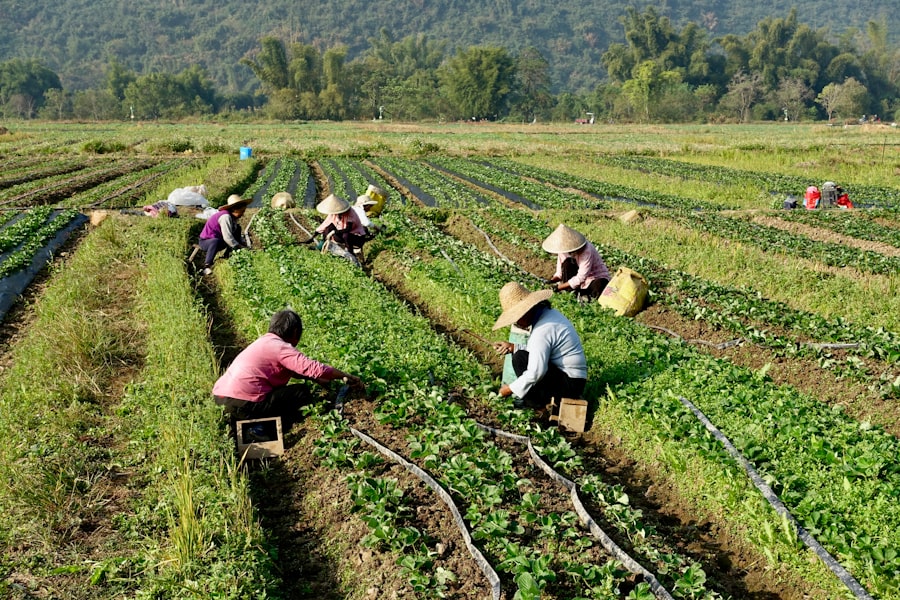
The long-term impact of corporate farming practices on your health extends beyond immediate nutritional deficits, contributing significantly to the prevalence of chronic diseases that plague modern society.
Increased Exposure to Environmental Toxins: A Cumulative Burden
The sheer volume of chemical inputs used in corporate farming – pesticides, herbicides, and synthetic fertilizers – means that you are subjected to a constant, low-level exposure to a cocktail of environmental toxins through your diet. While individual exposures might be small, the cumulative effect over a lifetime can contribute to cellular damage, hormonal disruption, and an increased risk of various chronic conditions, including certain cancers and neurodegenerative diseases.
Contribution to Antibiotic Resistance: A Looming Public Health Crisis
The routine use of antibiotics in animal agriculture is arguably one of the most critical public health concerns linked to corporate farming. You are witnessing, in real-time, the accelerating evolution of antibiotic-resistant bacteria, often referred to as “superbugs.” When you contract an infection from such a resistant strain, common antibiotics may become ineffective, making treatment incredibly difficult and potentially life-threatening. This isn’t just an abstract concern; it is a direct threat to your ability to recover from even routine infections.
The Link to Inflammatory Conditions: Fueling the Fire
Many corporate farming practices, from the omega-6 heavy diets fed to factory-farmed animals to the processing of grains into refined carbohydrates, contribute to a pro-inflammatory environment within your body. Chronic inflammation is increasingly recognized as a root cause of numerous chronic diseases, including heart disease, type 2 diabetes, autoimmune disorders, and even some forms of cancer. Your diet, heavily influenced by the products of corporate farming, can either stoke or quell this inflammatory response.
Corporate farming has become a significant concern for many consumers, particularly regarding its impact on health and nutrition. The methods employed by large agricultural enterprises often prioritize efficiency and profit over the quality of food produced, leading to potential health risks associated with pesticide use and genetically modified organisms. For a deeper understanding of how these practices can affect your well-being, you can explore this insightful article on the subject. It sheds light on the implications of corporate farming on our diets and overall health, which is crucial for making informed choices about the food we consume. To read more, visit this article.
Your Power as a Consumer: Shaping the Future of Food
| Health Metric | Impact of Corporate Farming | Explanation | Potential Health Outcome |
|---|---|---|---|
| Pesticide Exposure | Increased use of synthetic pesticides | Corporate farms often rely on chemical pesticides to maximize yield | Higher risk of respiratory issues, neurological problems, and certain cancers |
| Antibiotic Resistance | Widespread use of antibiotics in livestock | Antibiotics used to promote growth and prevent disease in crowded conditions | Development of antibiotic-resistant bacteria affecting human health |
| Nutrition Quality | Monoculture and fast-growing crop varieties | Focus on yield over nutrient density reduces vitamin and mineral content | Potential nutrient deficiencies and reduced dietary quality |
| Food Contamination | Large-scale processing and handling | Higher risk of contamination with pathogens like E. coli and Salmonella | Increased incidence of foodborne illnesses |
| Environmental Pollution | Runoff of fertilizers and waste into water supplies | Leads to contamination of drinking water with nitrates and chemicals | Health issues such as methemoglobinemia and other chronic diseases |
Given the profound impact of corporate farming, you might feel overwhelmed and perhaps a little helpless. However, you possess a powerful tool: your purchasing decisions. Every time you choose what to buy, you are casting a vote for the kind of food system you want to support.
Understanding Labels: Decoding the Marketing Jargon
Navigating the dizzying array of food labels can feel like deciphering an ancient script. However, educating yourself about terms like “organic,” “grass-fed,” “pasture-raised,” “GMO-free,” and “fair trade” empowers you to make more informed choices. These labels, while sometimes imperfect, provide valuable insights into the production practices behind your food. Don’t be swayed by vague claims; look for certifications from trusted third parties.
Supporting Local and Sustainable Agriculture: A Direct Investment in Your Health
Seek out farmers’ markets, community-supported agriculture (CSA) programs, and local grocers that prioritize sourcing from smaller, sustainable farms. By directly supporting these alternatives, you are not only gaining access to fresher, often more nutrient-dense food, but you are also actively divesting from the corporate farming model and investing in practices that prioritize soil health, animal welfare, and environmental stewardship – all of which ultimately benefit your health.
Reducing Your Consumption of Industrially Produced Meat and Dairy: A Dietary Shift
Consider reducing your intake of meat and dairy products sourced from CAFOs. This doesn’t necessarily mean becoming a vegetarian or vegan, but rather making conscious choices to consume less and prioritize higher-quality, ethically raised animal products when you do. This shift can lessen your exposure to antibiotics, hormones, and environmental toxins, while also reducing the ecological footprint of your diet.
Advocating for Policy Changes: A Collective Voice
Your power extends beyond personal purchasing. Engaging with advocacy groups and supporting policies that promote sustainable agriculture, tighten regulations on antibiotic use in animal farming, and incentivize diversified farming practices can create systemic change. Your voice, joined with others, can be a powerful force in shaping a food system that prioritizes public health and environmental integrity over corporate profits. Just as individual drops form a river, your collective actions can carve out new pathways for a healthier future.
In conclusion, the apple you hold in your hand is more than just a fruit; it is a testament to an intricate agricultural system. Corporate farming, while offering apparent efficiencies and low costs, carries significant and often unseen costs to your health. By understanding these impacts and making conscious, informed choices, you can reclaim agency over your diet and, in turn, over your personal well-being. The choice, ultimately, is yours.
FAQs
What is corporate farming?
Corporate farming refers to large-scale agricultural operations owned and managed by corporations rather than individual farmers. These farms often use industrial methods to produce food on a massive scale.
How does corporate farming impact the quality of food?
Corporate farming often relies on monoculture, synthetic fertilizers, pesticides, and genetically modified organisms (GMOs), which can affect the nutritional content and safety of food. Some studies suggest that these practices may reduce nutrient density and increase chemical residues in food.
Are pesticides used in corporate farming harmful to human health?
Pesticides used in corporate farming can pose health risks if residues remain on food or contaminate water supplies. Long-term exposure to certain pesticides has been linked to health issues such as respiratory problems, hormonal disruptions, and increased cancer risk.
Does corporate farming contribute to antibiotic resistance?
Yes, corporate farming often uses antibiotics in livestock to promote growth and prevent disease. This widespread use can contribute to the development of antibiotic-resistant bacteria, which is a significant public health concern.
How does corporate farming affect food safety?
Large-scale operations may increase the risk of foodborne illnesses due to the rapid production and distribution processes. However, they also implement strict safety protocols. The overall impact on food safety depends on management practices and regulatory oversight.
Can corporate farming influence environmental health?
Corporate farming can lead to environmental issues such as soil degradation, water pollution, and loss of biodiversity. These environmental changes can indirectly affect human health by contaminating air, water, and food sources.
Is organic food healthier than food from corporate farms?
Organic food is grown without synthetic pesticides, fertilizers, or GMOs, which may reduce exposure to harmful chemicals. Some studies suggest organic foods can have higher levels of certain nutrients, but overall health benefits depend on various factors including diet diversity.
What can consumers do to reduce health risks associated with corporate farming?
Consumers can reduce risks by washing fruits and vegetables thoroughly, choosing organic or locally sourced foods when possible, and supporting sustainable farming practices. Staying informed about food origins and production methods also helps make healthier choices.