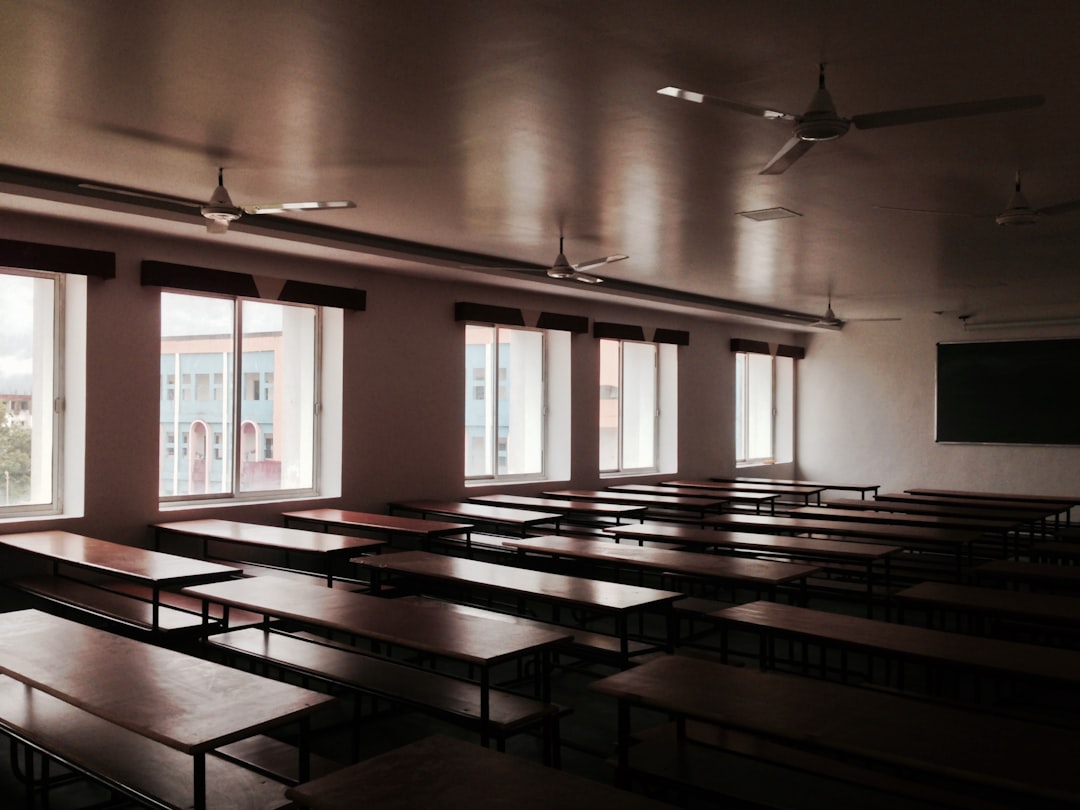
Class sizes and student-teacher ratios significantly impact educational quality and learning environments. Research demonstrates that smaller class sizes typically result in increased individualized instruction, higher student engagement levels, and improved academic performance. In contrast, larger classes present challenges for educators attempting to address individual student needs and provide adequate attention to each learner.
The effects of class size extend beyond academic metrics to include social and emotional development. Students in smaller classes demonstrate higher rates of teacher-student interaction and peer collaboration, contributing to stronger classroom communities. These enhanced relationships correlate with increased student participation, improved classroom behavior, and greater academic motivation.
Studies indicate that optimal class sizes vary by grade level and subject matter, with early elementary grades showing the most significant benefits from reduced class sizes. The Tennessee STAR study and similar research projects have documented measurable improvements in student achievement when class sizes are reduced from typical levels to 13-17 students per teacher. These benefits appear most pronounced for students from disadvantaged backgrounds and persist into later academic years.
Student-teacher ratios also influence instructional methods and classroom management strategies. Lower ratios enable teachers to implement more interactive teaching approaches, provide timely feedback, and identify learning difficulties earlier in the educational process. Higher ratios often necessitate more lecture-based instruction and standardized assessment methods, potentially limiting opportunities for differentiated learning approaches.
Key Takeaways
- Budget cuts in education lead to increased class sizes and higher student-teacher ratios.
- Larger class sizes negatively affect student learning outcomes and social development.
- Teachers face greater workload, stress, and burnout due to managing more students.
- Technology and creative strategies can help mitigate challenges of bigger classes.
- Prioritizing education funding is essential to maintain optimal class sizes and support student achievement.
The effects of budget cuts on education: How funding reductions are impacting schools
Budget cuts in education have become a pressing issue in recent years, leading to significant challenges for schools across the country. When funding is reduced, schools often face difficult decisions regarding resource allocation, which can directly impact the quality of education provided. You may have noticed that many schools are forced to make sacrifices, such as cutting extracurricular programs, reducing staff, or even increasing class sizes.
These changes can create an environment where both teachers and students struggle to thrive. The ramifications of budget cuts extend beyond immediate financial constraints; they can also affect the long-term sustainability of educational institutions. With fewer resources available, schools may find it increasingly difficult to attract and retain qualified teachers.
This can lead to a cycle of instability that ultimately harms student learning outcomes. As you consider the broader implications of these funding reductions, it becomes clear that investing in education is not merely a financial decision but a moral imperative that affects future generations.
The correlation between budget cuts and increased class sizes: Exploring the connection
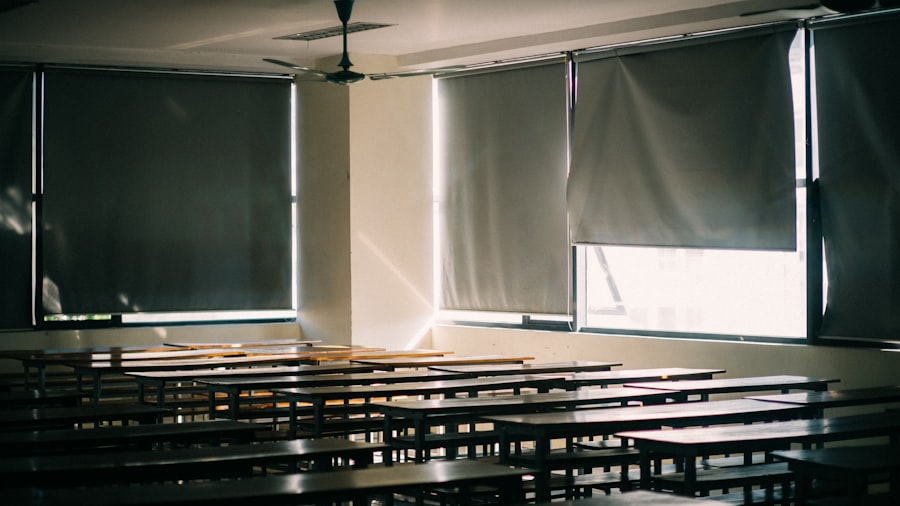
The connection between budget cuts and increased class sizes is both direct and profound. When schools experience funding reductions, one of the most common responses is to increase the number of students assigned to each classroom. This decision is often made in an attempt to maintain essential programs and services while managing limited resources.
As you think about this correlation, it’s important to recognize how these larger class sizes can exacerbate existing challenges within the educational system. Increased class sizes can lead to a cascade of negative effects that ripple through the entire school community. Teachers may find themselves overwhelmed by the sheer number of students they are responsible for, making it difficult to provide individualized support.
This can result in a less effective learning environment where students may feel lost or disengaged. As you reflect on your own educational experiences, consider how class size impacted your ability to connect with your teacher and receive the guidance you needed to succeed.
The impact of larger class sizes on student learning: Academic and social consequences
Larger class sizes can have significant academic and social consequences for students. From an academic perspective, when you are part of a larger group, it becomes increasingly challenging for teachers to address individual learning needs. This can lead to gaps in understanding and hinder overall academic progress.
You may have experienced moments where you felt overlooked or unable to ask questions in a crowded classroom setting, which can stifle your curiosity and enthusiasm for learning. Socially, larger class sizes can create barriers to building relationships with peers and teachers. In smaller classes, students often have more opportunities to engage in discussions, collaborate on projects, and form friendships.
However, in larger settings, these interactions may be limited, leading to feelings of isolation or disconnection. As you consider your own social experiences in school, think about how class size influenced your ability to connect with others and develop essential interpersonal skills.
Teacher workload and student-teacher interaction: How budget cuts affect the classroom dynamic
| Factor | Description | Impact on Class Size |
|---|---|---|
| Population Growth | Increase in the number of school-age children in a region. | More students per classroom due to higher enrollment. |
| Budget Constraints | Limited funding for hiring additional teachers and expanding facilities. | Schools unable to add more classes, leading to larger class sizes. |
| Teacher Shortages | Insufficient number of qualified teachers available for hire. | Fewer classes offered, increasing the number of students per class. |
| School Infrastructure Limits | Physical space constraints in existing school buildings. | Inability to create more classrooms, resulting in bigger classes. |
| Policy Changes | Adjustments in education policies affecting class size limits. | Relaxed regulations can lead to increased class sizes. |
| Increased Enrollment in Popular Programs | More students enrolling in specific courses or programs. | Class sizes grow in those particular subjects or programs. |
The impact of budget cuts on teacher workload is another critical aspect of the discussion surrounding class sizes. When funding is reduced, teachers often find themselves juggling multiple responsibilities with fewer resources at their disposal. This increased workload can lead to burnout and decreased job satisfaction, ultimately affecting their ability to engage with students effectively.
You may have noticed that when teachers are stretched thin, their capacity to provide meaningful feedback and support diminishes. Moreover, the dynamics of student-teacher interaction are significantly altered in larger classrooms. With more students to manage, teachers may struggle to create an inclusive environment where every student feels valued and heard.
This can lead to a disconnect between teachers and students, making it difficult for educators to identify those who may be struggling or need additional assistance.
The challenges of managing larger class sizes: Teacher stress and burnout

Managing larger class sizes presents numerous challenges for educators that can contribute to stress and burnout. When faced with an overwhelming number of students, teachers often feel pressured to maintain control while delivering effective instruction. This pressure can lead to feelings of inadequacy and frustration as they strive to meet the diverse needs of their students within a limited timeframe.
You may have observed how this stress manifests in various ways, from decreased enthusiasm for teaching to increased absenteeism among educators. The consequences of teacher burnout extend beyond individual educators; they can also impact student learning outcomes. When teachers are overwhelmed and disengaged, their ability to inspire and motivate students diminishes.
This creates a cycle where both teachers and students suffer from a lack of engagement and enthusiasm for learning. As you consider the broader implications of teacher stress, think about how fostering a supportive environment for educators can ultimately benefit students as well.
Strategies for coping with increased student-teacher ratios: Creative solutions for educators
Despite the challenges posed by increased student-teacher ratios, there are creative strategies that educators can employ to cope with larger class sizes effectively. One approach is implementing collaborative learning techniques that encourage peer-to-peer interaction and support. By fostering a sense of community within the classroom, you can help create an environment where students learn from one another while alleviating some pressure from the teacher.
Additionally, utilizing technology can be a powerful tool in managing larger classes. Digital platforms can facilitate personalized learning experiences that cater to individual student needs while allowing teachers to monitor progress more efficiently. As you explore these strategies, consider how innovative approaches can transform the classroom dynamic and enhance learning outcomes even in challenging circumstances.
The role of technology in addressing larger class sizes: Leveraging digital tools for personalized learning
Technology has emerged as a vital ally in addressing the challenges posed by larger class sizes. By leveraging digital tools, educators can create personalized learning experiences that cater to diverse student needs while maximizing engagement. For instance, online platforms can provide access to resources that allow students to work at their own pace, enabling them to grasp concepts more thoroughly without feeling rushed or overwhelmed.
Moreover, technology can facilitate communication between teachers and students outside of traditional classroom hours. This accessibility allows for ongoing support and feedback that may not be possible in larger settings where individual attention is limited. As you consider the role of technology in education, think about how these tools can enhance your learning experience by providing additional resources and opportunities for collaboration.
Advocating for smaller class sizes: The importance of investing in education
Advocating for smaller class sizes is essential for ensuring that all students receive the quality education they deserve. As you engage with your community or school board, consider emphasizing the numerous benefits associated with smaller classes—such as improved academic performance, enhanced social interactions, and increased teacher satisfaction. By raising awareness about these advantages, you can help foster a collective commitment to investing in education.
Moreover, advocating for smaller class sizes is not just about numbers; it’s about prioritizing the well-being of both students and teachers alike. When you champion this cause, you contribute to creating an educational environment where everyone has the opportunity to thrive. Your voice matters in this conversation; by speaking up for smaller class sizes, you play a crucial role in shaping the future of education.
The long-term implications of budget cuts on student achievement: Examining the lasting effects
The long-term implications of budget cuts on student achievement are profound and far-reaching. When schools are forced to operate with limited resources, it often leads to a decline in educational quality that can have lasting effects on students’ futures. You may have encountered stories or statistics highlighting how budget cuts correlate with lower graduation rates or decreased college readiness among students.
These consequences extend beyond individual academic performance; they can also impact broader societal outcomes such as workforce readiness and economic stability. As you reflect on these long-term implications, consider how investing in education today can yield significant returns for both individuals and society as a whole in the years to come.
The need for prioritizing education funding to ensure optimal student-teacher ratios
In conclusion, prioritizing education funding is essential for ensuring optimal student-teacher ratios that foster effective learning environments. As you navigate through your educational journey or engage with others in discussions about education policy, remember the critical role that class sizes play in shaping academic success and social development. By advocating for increased investment in education, you contribute to creating a brighter future for all students.
Ultimately, addressing issues related to budget cuts and class sizes requires collective action from educators, policymakers, parents, and communities alike. Your voice matters in this conversation; by championing the cause of smaller class sizes and advocating for adequate funding, you help pave the way for a more equitable educational landscape where every student has the opportunity to succeed.
Class sizes have been a growing concern in the education sector, often leading to debates about the quality of learning and individual attention students receive. One contributing factor to the increase in class sizes is the allocation of funding and resources, which can be explored further in the article on wealth distribution and its impact on education at com/’>How Wealth Grows.
This article delves into how economic factors influence educational policies, ultimately affecting class sizes and the overall learning environment.
📌WATCH THIS! They Sold Your School Building—Then Made You Rent It Back
FAQs
Why do class sizes increase in schools?
Class sizes often increase due to factors such as rising student enrollment, limited funding for hiring additional teachers, and shortages of classroom space. Population growth in certain areas can also lead to more students attending the same schools.
How does funding affect class size?
School funding directly impacts the ability to hire enough teachers and build or maintain adequate classroom facilities. When budgets are tight, schools may not be able to add more classes or teachers, resulting in larger class sizes.
Does teacher availability influence class size?
Yes, a shortage of qualified teachers can lead to increased class sizes. If schools cannot recruit or retain enough educators, existing teachers may have to manage more students per class.
Can changes in school policies cause class sizes to increase?
Yes, policy changes such as school district rezoning, consolidation of schools, or adjustments in class size limits can affect the number of students per class, sometimes leading to larger class sizes.
What impact does population growth have on class sizes?
Population growth in a community can increase the number of school-age children, which may exceed the capacity of existing schools and classrooms, causing class sizes to rise.
Are there differences in class size trends between urban and rural areas?
Yes, urban areas often experience higher student enrollment growth, which can lead to larger class sizes, while rural areas may face different challenges such as declining enrollment or limited resources affecting class size.
How do class size increases affect student learning?
Larger class sizes can reduce individual attention from teachers, potentially impacting student engagement and learning outcomes. However, the effect varies depending on teaching methods and resources available.
What measures can schools take to manage increasing class sizes?
Schools can address increasing class sizes by hiring more teachers, expanding facilities, implementing multi-grade classrooms, or using technology to support instruction. Policy adjustments and increased funding are also critical.