You stand at a crossroads in the automotive world, a place where innovation and economics collide. The sleek, modern vehicles you drive are not just feats of engineering; they are intricate networks of sensors, constantly monitoring their surroundings to enhance safety and performance. This technological marvel, however, comes with a significant financial corollary, particularly when it comes to auto insurance and the associated repair costs of these sophisticated sensors. As a responsible vehicle owner and insurance policyholder, understanding these dynamics is no longer optional; it is essential for navigating the contemporary automotive landscape.
Your car today is a rolling supercomputer, far more complex than its predecessors. This complexity stems from the proliferation of Advanced Driver-Assistance Systems (ADAS), which rely heavily on an array of sensors. These systems are designed to make your journey safer, reduce the likelihood of accidents, and even improve fuel efficiency.
What are ADAS and Why Do They Matter?
ADAS encompasses a broad spectrum of technologies. Think of it as a vigilant co-pilot, constantly scanning the road. These systems include, but are not limited to, adaptive cruise control, lane-keeping assist, automatic emergency braking, blind-spot monitoring, and parking assistance. Each of these functions relies on precise data interpretation from various sensors. You might have experienced the subtle tug of your steering wheel correcting your lane drift, or the abrupt halt of your vehicle as automatic emergency braking prevents a collision – these are ADAS at work. The integration of ADAS has demonstrably reduced accident rates, a benefit that cascades throughout society, including potentially lowering overall insurance premiums in the long run.
A Symphony of Sensors: Types and Functions
The capabilities of ADAS are underpinned by a diverse orchestra of sensors. You should be familiar with these components, as they are the very parts that drive up repair costs.
- Radar Sensors: These emit radio waves to detect the speed and distance of objects, crucial for adaptive cruise control and forward collision warning systems. Imagine sending out sonar pings; radar works similarly for your car.
- Lidar Sensors: Employing laser pulses, Lidar creates a detailed 3D map of the environment, offering high-resolution object detection, particularly useful for autonomous driving functions. It’s like having a perpetual 3D scanner mapping your surroundings.
- Ultrasonic Sensors: These use sound waves for short-range detection, primarily employed in parking assist systems and blind-spot monitoring. Think of a bat using echolocation – your car uses ultrasonic sensors in a similar fashion.
- Camera Sensors: Strategically placed cameras provide visual data, enabling lane departure warnings, traffic sign recognition, and even pedestrian detection. These are your car’s “eyes” on the road.
- Infrared Sensors: Used for night vision and detecting heat signatures, infrared sensors enhance visibility in low-light conditions.
Each sensor is a precision instrument, finely tuned and calibrated to exacting standards. Their placement on your vehicle is also deliberate, often embedded within bumpers, grilles, windshields, and side mirrors, making them vulnerable to damage during even minor impacts.
The rising costs of auto insurance have prompted many drivers to consider the implications of sensor repair costs on their premiums. A related article that delves into this topic is available at How Wealth Grows, which explores how the integration of advanced sensors in vehicles not only enhances safety but also affects overall repair expenses and insurance rates. Understanding these factors can help drivers make informed decisions about their coverage and vehicle maintenance.
The Mechanics of Sensor Damage and Repair
When your vehicle is involved in a collision, even a seemingly minor one, these delicate sensors are often at the forefront of the impact. The subsequent repair process is where the financial implications truly begin to unfold for you as an insured individual.
Collision Points and Vulnerability
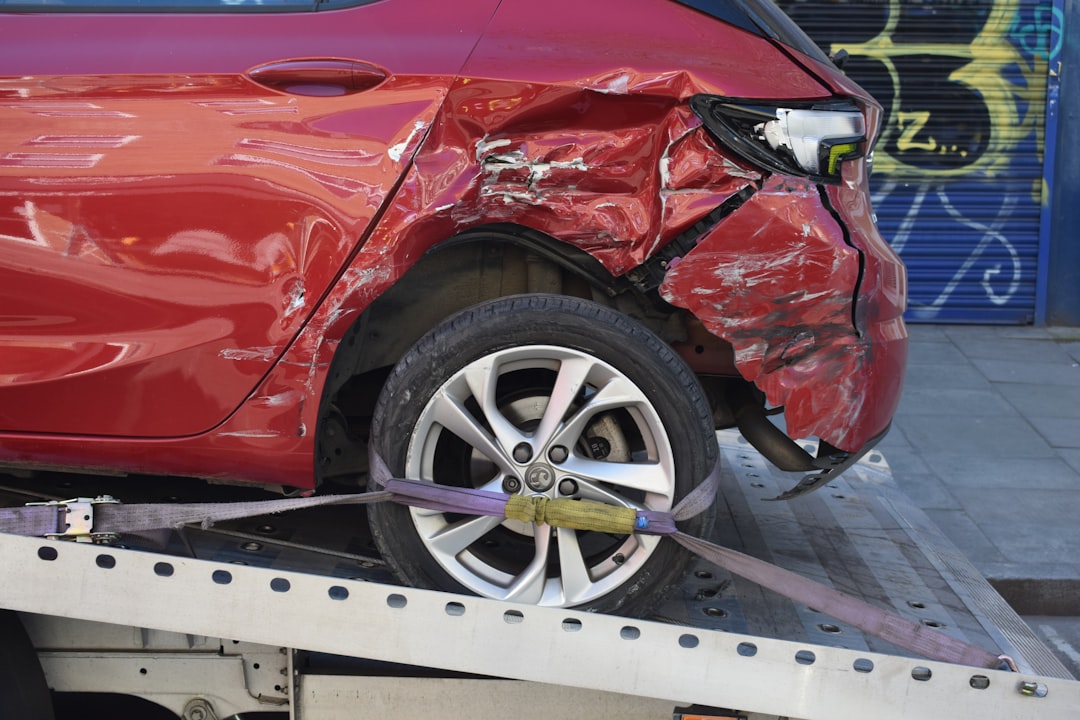
Consider the common areas of minor fender benders. A front-end collision, for instance, frequently damages the bumper, where radar and ultrasonic sensors are often housed. A side swipe can compromise blind-spot monitoring sensors in your side mirrors. A cracked windshield, a surprisingly common occurrence, can necessitate the replacement and recalibration of camera sensors vital for lane-keeping assist and automatic emergency braking. You might assume a simple bumper replacement, only to discover a much more complex and expensive undertaking beneath the surface.
Beyond Replacement: The Criticality of Calibration
Replacing a damaged sensor is only one piece of the puzzle. The most significant and often overlooked aspect is recalibration. Imagine replacing a vital organ in your body; it wouldn’t function correctly without proper integration and calibration to your system. The same principle applies to your car’s sensors.
- Static Calibration: This method requires the vehicle to be stationary in a specialized environment, using precise targets and diagnostic tools to ensure the sensors are aligned correctly. It often involves specific distances, lighting conditions, and even specialized floor mats.
- Dynamic Calibration: Involves driving the vehicle under specific conditions, allowing the sensor systems to “learn” and fine-tune their parameters. This usually entails driving at certain speeds, on particular roads, or for specific durations.
Failure to properly calibrate these sensors can lead to system malfunctions, providing inaccurate data to the ADAS and potentially compromising your safety. A misaligned camera, for example, could lead to incorrect lane departures or even false positives for automatic emergency braking, turning a safety feature into a potential hazard. This recalibration process requires specialized equipment and technicians trained in ADAS diagnostics, adding significantly to the overall repair bill.
The Swelling Tide of Repair Costs

The integration of ADAS and the inherent complexity of sensor repair and calibration have led to a noticeable upward trend in auto repair costs. This directly impacts your insurance premiums and the out-of-pocket expenses you might face.
Component Cost vs. Labor and Calibration
The cost of a sensor itself can be substantial. A single radar unit can easily run into hundreds of dollars, while a Lidar unit can be significantly more. However, the component cost is often overshadowed by the labor and calibration expenses.
- Increased Labor Hours: Technicians require specialized training and more time to diagnose, replace, and recalibrate ADAS components. This isn’t just a matter of swapping parts; it’s a meticulous, multi-step process.
- Specialized Equipment: Auto repair shops need to invest in expensive diagnostic tools and calibration equipment to properly service ADAS-equipped vehicles. This overhead is often factored into labor rates.
- Certification Requirements: Many vehicle manufacturers require shops and technicians to be certified to work on their ADAS systems, further driving up training and compliance costs.
You might be accustomed to paying a certain rate for bodywork, but the addition of ADAS repairs elevates that significantly. The repair of a seemingly minor fender bender on an ADAS-equipped vehicle can easily transform what was once a few hundred dollar job into a multi-thousand dollar affair.
Case Studies: Real-World Examples
To illustrate this, consider a hypothetical scenario: a minor parking lot fender bender.
- Scenario 1: Older, Non-ADAS Vehicle: A damaged front bumper might cost you around $500-$1000 for replacement and painting, with minimal labor for purely cosmetic work. Your deductible likely covers most of it.
- Scenario 2: ADAS-Equipped Vehicle: The same seemingly minor impact on an ADAS-equipped vehicle could damage radar sensors embedded in the bumper, along with ultrasonic sensors. The repair now involves bumper replacement, sensor replacement (potentially multiple sensors), and crucial recalibration. The total cost could easily surge to $2,000-$5,000 or more, a substantial increase due to the technological components.
These real-world differences are what insurance companies are grappling with, and what ultimately affects your premium.
Insurance Implications and Your Financial Outlook
The rising tide of repair costs directly impinges on the auto insurance industry. This financial pressure invariably finds its way back to you, the policyholder, in various forms.
Rising Premiums: The Inevitable Consequence
As the average cost of claims increases, so too do insurance premiums. Insurers are businesses; they must cover their operational costs and claim payouts. When the cost of repairing a vehicle after an accident escalates due to complex sensor systems, the actuarial tables shift. Your annual premium, therefore, becomes a reflection of this broader trend. You might find yourself paying more for the same level of coverage than you did a few years ago, even if your driving record remains impeccable. This isn’t punitive; it’s simply the economic reality of modern vehicle repair.
Deductibles and Out-of-Pocket Expenses
Your deductible, the amount you pay out of pocket before your insurance coverage kicks in, remains a constant for you. However, with higher overall repair costs, the difference between your deductible and the total repair bill, covered by your insurance, becomes larger. More significantly, if you opt for a higher deductible to lower your premium, you expose yourself to a greater out-of-pocket expense in the event of a sensor-related claim. Understanding this balance is crucial for your financial planning.
The Role of Aftermarket Parts and Repair Networks
Insurance companies are constantly seeking ways to mitigate these rising costs. One area of focus is the use of aftermarket parts. While aftermarket body panels have been common for years, sophisticated ADAS sensors from certified third-party manufacturers are still emerging.
- Quality and Compatibility Concerns: You need to be aware that not all aftermarket sensors are created equal. Concerns exist regarding their quality, precision, and compatibility with specific vehicle manufacturer specifications. A poorly designed aftermarket sensor might not integrate seamlessly with your vehicle’s ADAS, potentially compromising safety.
- OEM vs. Aftermarket Preference: While some insurance policies might encourage the use of aftermarket parts to save money, many vehicle manufacturers strongly recommend using Original Equipment Manufacturer (OEM) parts for ADAS repairs to ensure optimal functionality and safety. This can create tension between your desire for a lower repair cost and your vehicle’s manufacturer’s recommendations.
- Approved Repair Networks: Insurance companies often have preferred networks of repair shops. These shops might have undergone specific training or achieved certifications to work on ADAS-equipped vehicles, potentially offering more competitive rates or ensuring higher quality repairs. You should inquire about your insurer’s network and whether shops within it are equipped to handle sensor repairs and calibrations for your specific vehicle.
The rising costs associated with auto insurance sensor repairs have become a significant concern for many drivers, as these advanced safety features are increasingly common in modern vehicles. A related article discusses how these expenses can affect overall insurance premiums and offers insights into managing costs effectively. For more information on this topic, you can read the article here: how wealth grows. Understanding the financial implications of sensor repairs can help drivers make informed decisions about their insurance options.
Mitigation Strategies and Future Outlook
| Sensor Type | Average Repair Cost | Impact on Auto Insurance Premium | Frequency of Damage | Notes |
|---|---|---|---|---|
| Parking Sensors | 150 – 300 | Low to Moderate | High | Commonly damaged in minor collisions |
| Collision Avoidance Sensors | 400 – 800 | Moderate to High | Moderate | Critical for safety features, higher repair costs |
| Lane Departure Sensors | 300 – 600 | Moderate | Low to Moderate | Repairs can affect insurance claims |
| Blind Spot Sensors | 250 – 500 | Moderate | Moderate | Important for accident prevention |
| Adaptive Cruise Control Sensors | 500 – 1000 | High | Low | Expensive to repair, impacts premium significantly |
While the trends point towards increased costs, you are not entirely without agency. There are strategies you can employ to potentially mitigate these impacts, and the industry itself is evolving.
Proactive Vehicle Care and Driver Awareness
Prevention is always better than cure, especially when it comes to expensive sensor repairs.
- Defensive Driving: Practicing defensive driving techniques can reduce the likelihood of accidents, thus protecting your sensors from damage. Remember, these systems are aids, not replacements for attentive driving.
- Awareness of Sensor Locations: Knowing where your vehicle’s sensors are located can help you be more cautious in certain situations. For example, if you know a radar sensor is in your front bumper, you might be extra careful when parking or navigating tight spaces.
- Prompt Repair of Minor Damage: Ignoring minor cosmetic damage can sometimes exacerbate underlying sensor issues. A slightly misaligned bumper, for instance, might cause a sensor to operate incorrectly before it’s completely broken.
Being a proactive driver and understanding your vehicle’s vulnerabilities can genuinely save you money in the long run.
Choosing the Right Insurance Policy
When selecting or reviewing your insurance policy, consider the following points with the impact of sensor repairs in mind.
- Coverage Levels: Ensure your policy provides comprehensive coverage that adequately addresses ADAS component repairs and recalibration. Don’t simply focus on the base premium; delve into the specifics of what’s covered.
- OEM vs. Aftermarket Provisions: Understand your policy’s stance on OEM versus aftermarket parts for ADAS components. If your policy pushes for aftermarket parts, inquire about the quality and compatibility guarantees.
- Rider Options: Some insurers may offer specific riders or endorsements that provide additional coverage for ADAS components, or guarantee OEM parts for safety features. It’s worth exploring these options, even if they add a small amount to your premium.
- Roadside Assistance: While not directly related to repair costs, robust roadside assistance can ensure your damaged vehicle is safely towed to a qualified repair facility, preventing further sensor damage during transport.
You are your best advocate when it comes to understanding your insurance coverage.
The Evolution of the Repair Industry and OEM Partnerships
The automotive repair industry is undergoing a significant transformation to adapt to ADAS technology.
- Specialized Training Programs: Many vocational schools and manufacturers are developing highly specialized training programs for technicians to become proficient in ADAS diagnostics and repair.
- Certified Repair Networks: OEMs are increasingly establishing certified repair networks that meet stringent standards for equipment, training, and repair procedures. These networks aim to ensure the correct repair and calibration of ADAS systems.
- Standardization Efforts: Industry bodies are working towards greater standardization in ADAS components and repair procedures, which could eventually lead to more competitive pricing and wider availability of parts.
As a consumer, you should prioritize repair shops that demonstrate expertise and certification in ADAS repairs, even if it means a higher initial outlay. The peace of mind that comes from knowing your safety systems are functioning correctly is invaluable. The impact of auto insurance sensor repair costs is a complex tapestry woven from technological advancement, economic pressures, and evolving industry standards. By understanding the intricacies of ADAS, the true cost of sensor damage, and your options as a policyholder, you can navigate this landscape with greater confidence and make more informed decisions about your vehicle and its insurance.
FAQs
What is an auto insurance sensor repair?
Auto insurance sensor repair refers to the process of fixing or replacing sensors in a vehicle that are covered under an auto insurance policy. These sensors can include those related to safety systems, such as airbags, parking sensors, or collision detection devices.
How does sensor repair affect auto insurance costs?
Repairing or replacing sensors after an accident can impact auto insurance costs because the insurer may need to cover the repair expenses. Depending on the policy and claim history, this can lead to higher premiums or increased deductibles.
Are sensor repairs typically covered by auto insurance?
Sensor repairs are usually covered if the damage occurred due to a covered event, such as a collision or comprehensive claim. However, coverage depends on the specific terms of the insurance policy and whether the damage is deemed accidental or due to wear and tear.
What factors influence the cost of sensor repairs on a vehicle?
The cost of sensor repairs depends on the type of sensor, the vehicle make and model, labor costs, and whether original equipment manufacturer (OEM) parts or aftermarket parts are used. Advanced sensors in newer vehicles tend to be more expensive to repair or replace.
Can sensor repair costs lead to a total loss declaration by the insurer?
Yes, if the cost to repair sensors and other damages exceeds a certain percentage of the vehicle’s value, the insurer may declare the vehicle a total loss. This threshold varies by insurer and state regulations.