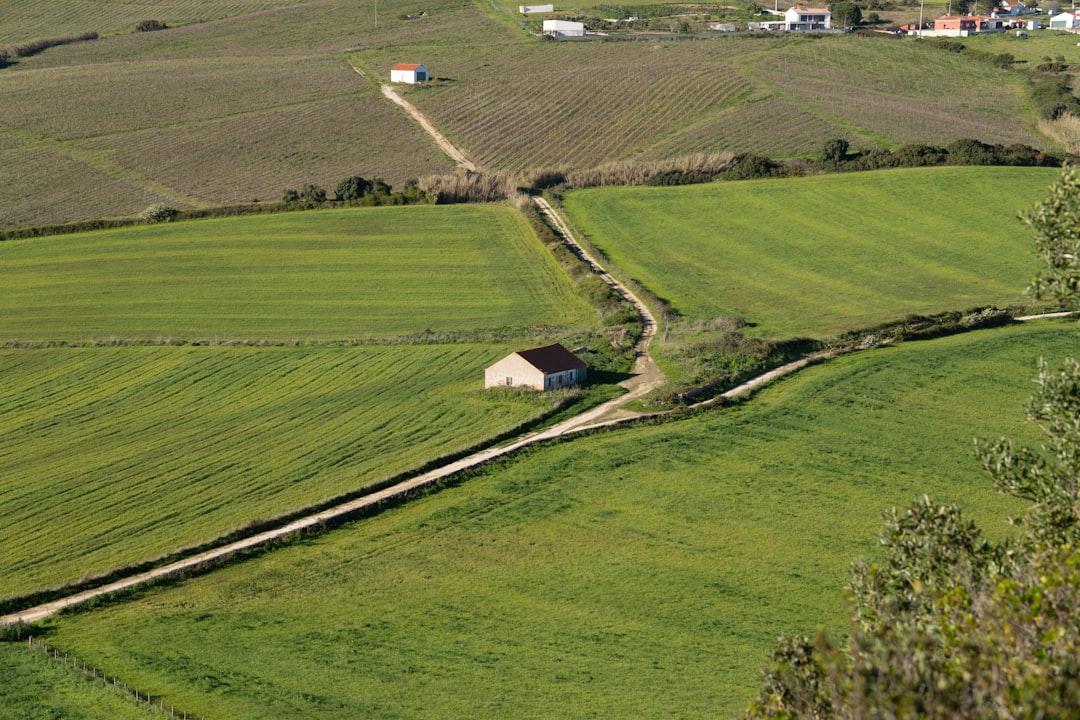
You might believe that the food on your plate comes from a patchwork of independent family farms, diligently tilled by generations of dedicated hands. You might envision sprawling fields, lovingly nurtured, contributing to the tapestry of rural life. However, this bucolic image, while once largely accurate, is increasingly giving way to a more complex and often concerning reality: the rise of institutional farmland. These are not your grandfather’s farms. They are investments, assets, and strategic holdings, often owned by pension funds, sovereign wealth funds, private equity firms, and even universities. This shift fundamentally alters the landscape of agriculture, bringing with it a unique set of challenges that you, as a consumer and citizen, should be aware of.
When you look at a community, you often see its strength reflected in its local businesses, its schools, and the people who live and work there. For centuries, the family farm was the cornerstone of many rural communities, providing not just food but also employment, social cohesion, and a deep-seated connection to the land. The advent of institutional farmland often serves to unravel this very fabric. Learn more about the financialization of American agriculture and its impact on the economy.
Absentee Ownership and Disinvestment
Imagine you own a home, but you’ve never seen it, never touched its walls, never walked its grounds. This is a common scenario with institutional farmland. The actual owners are often faceless entities, thousands of miles away, concerned primarily with their quarterly returns rather than the health of the soil or the well-being of the local community. This absentee ownership creates a disconnect. Decisions about land use, crop choices, and environmental practices are then made not by those who live and breathe the land, but by remote executives answering to shareholders.
- Impact on Local Economies: When land is owned by external entities, the profits often flow out of the community. Local businesses – feed suppliers, equipment repair shops, even small-town grocery stores – suffer as money is repatriated to distant financial centers. You might notice a decrease in localized services as the need for them diminishes.
- Loss of Community Engagement: Local farmers are often deeply involved in school boards, fire departments, and other civic organizations. They have a vested interest in the long-term health of their community. Institutional landowners, by contrast, rarely participate in these local institutions, leading to a void in leadership and community spirit. You might see a decline in volunteerism or local initiatives as this connection weakens.
The Tenant Farmer’s Quandary
With land increasingly concentrated in institutional hands, the traditional path to farm ownership becomes an ever-steeper climb for aspiring farmers. Instead, many find themselves in the role of tenant farmers, leasing land from these large corporations. This arrangement, while seemingly pragmatic, carries its own set of risks for you, the consumer, and for the agricultural system as a whole.
- Short-Term Mindset: When you only lease land for a few years, your incentive to invest in its long-term health diminishes. Why spend money on soil amendments, cover cropping, or infrastructure improvements if you might not be renewing your lease and reaping the benefits? This short-term focus can lead to unsustainable farming practices and a gradual degradation of the land.
- Reduced Bargaining Power: Small tenant farmers often have limited leverage against large institutional landlords. Lease terms can be unfavorable, and the pressure to maximize yields can overshadow concerns about environmental sustainability or even fair labor practices. Your ability to influence these practices becomes significantly diminished.
The hidden dangers of institutional farmland investment are becoming increasingly apparent as more investors flock to this sector. A related article that delves deeper into the complexities and potential pitfalls of such investments can be found at How Wealth Grows. This resource explores the economic implications, environmental concerns, and the impact on local communities, providing a comprehensive overview for those considering entering the institutional farmland market.
Environmental Degradation: A Silent Consequence
The pursuit of profit, when unfettered by considerations of stewardship, can lead to significant environmental damage. Institutional farmland, with its emphasis on efficiency and return on investment, is particularly susceptible to practices that can harm the very resource it relies upon: the land itself.
Monoculture and Biodiversity Loss
Imagine a rich tapestry of colors and textures, then replace it with a single, uniform hue stretching as far as the eye can see. This is the essence of monoculture, a common practice on large institutional farms. While efficient for large-scale operations, it comes at a steep environmental cost that you ultimately bear.
- Increased Pest and Disease Susceptibility: A monoculture acts as an open invitation for pests and diseases specific to that single crop. Without the natural checks and balances provided by diverse ecosystems, farmers are forced to rely heavily on pesticides and herbicides – substances that inevitably find their way into your food chain and water supply.
- Depletion of Soil Nutrients: Each crop draws specific nutrients from the soil. When the same crop is grown repeatedly year after year, these vital nutrients are progressively depleted, requiring increased reliance on synthetic fertilizers. This creates a cycle where the soil becomes less vital, and the need for external inputs only grows. Your long-term food security is subtly undermined by this process.
Water Resource Depletion and Pollution
Water is the lifeblood of agriculture, and the scale of institutional farming often places immense strain on this finite resource. When you consider the vast acreage typically managed by these entities, the aggregate impact on water supplies becomes profoundly clear.
- Over-extraction of Groundwater: Large-scale irrigation, particularly for thirsty commodity crops, can lead to the rapid depletion of aquifers. In some regions, groundwater is being extracted at unsustainable rates, causing water tables to drop precipitously. This not only impacts agricultural viability but also affects drinking water supplies for local communities.
- Agricultural Runoff and Eutrophication: The extensive use of synthetic fertilizers and pesticides on institutional farms often results in runoff into rivers, lakes, and oceans. This runoff, laden with nitrates and phosphates, can cause algal blooms – a process known as eutrophication. These blooms deplete oxygen in the water, creating dead zones that devastate aquatic ecosystems and impact your seafood supply.
The Commodification of Food and Financialization of Farmland
Historically, food was seen as a fundamental necessity, and land as a sacred trust. In the world of institutional farmland, both are increasingly viewed through the lens of financial instruments. This commodification has far-reaching implications for you, the consumer, and the stability of the global food system. You are no longer just buying food; you are participating, perhaps unknowingly, in a global financial transaction.
Volatility and Speculation
Imagine your dinner plate being subject to the whims of global stock markets. This is not far from the reality when farmland becomes primarily an investment vehicle. As institutional investors seek returns, the price of land can become decoupled from its agricultural productivity, leading to speculative bubbles and increased volatility.
- Food Price Inflation: When land prices rise due to investment speculation, this cost is often passed on to tenant farmers and, eventually, to you, the consumer, in the form of higher food prices. Your weekly grocery bill may indirectly reflect the investment strategies of distant financial firms.
- Increased Risk for Farmers: The financialization of farmland can make it even harder for independent farmers to compete or expand. They are forced to contend not only with market forces for their crops but also with global asset valuations for their primary means of production. This creates an unstable environment that can drive smaller, more resilient farms out of business.
Ethical Concerns and Investment Motives
You might wonder about the ultimate goals behind these massive land acquisitions. Are they truly about sustainable food production or something else entirely? The motives of institutional investors are often complex, but a primary driver is typically financial return for their stakeholders.
- Risk Mitigation and Diversification: For large institutional funds, farmland can be seen as a stable, inflation-hedging asset that diversifies their portfolios away from more volatile investments like stocks and bonds. They are seeking predictable returns, which doesn’t always align with the intricacies of agricultural practice.
- The “Land Grab” Phenomenon: In some cases, particularly in developing nations, the acquisition of vast tracts of land by foreign institutions has been dubbed a “land grab.” This can displace local communities, disrupt traditional land tenure systems, and raise significant human rights concerns. While less overt in developed nations, the underlying principle of consolidating land ownership remains. You need to be aware that your food might be linked to ethically questionable land acquisition practices in other parts of the world.
Impact on Food Quality and Variety
You consume food every day, and naturally, you want it to be healthy, delicious, and diverse. The rise of institutional farmland, with its focus on economies of scale and standardized production, can exert a downward pressure on these very qualities.
Focus on Commodity Crops
Picture rows upon rows of the same crop – corn, soy, wheat. While essential, this narrow focus is a hallmark of many institutional operations. The drive for efficiency and ease of mechanized harvesting often means a limited range of high-yield crops suitable for industrial processing.
- Reduced Nutritional Density: Some studies suggest that the continuous cultivation of the same crops in depleted soils can lead to a gradual reduction in the nutritional content of the food you eat. While further research is ongoing, the emphasis on yield over nutrient density is a potential concern.
- Lack of Biodiversity in Your Diet: When agricultural land is dominated by a few major commodity crops, the availability and affordability of more diverse and niche produce often diminish. Your choice at the grocery store might become subtly restricted by the broader agricultural landscape.
Pressure on Small-Scale and Organic Production
Imagine a small, artisan bakery trying to compete with a large, industrial bread factory. The institutional farm often operates in a similar fashion, creating a challenging environment for smaller, more specialized operations that often prioritize quality and sustainability.
- Competitive Disadvantage: Small-scale and organic farmers, who often operate with higher labor costs and smaller economies of scale, often struggle to compete with the sheer volume and lower per-unit costs of large institutional farms. This can lead to a decline in their numbers, reducing your access to locally sourced, specialized, and often healthier produce.
- Homogenization of Food Supply: As institutional farming expands, there is a risk that the food supply will become increasingly homogenized. If the prevailing model prioritizes a handful of easily mechanized, high-yield crops, the unique flavors, varieties, and agricultural traditions that define diverse culinary cultures could slowly fade. You might find a shrinking array of choices in your local market as a consequence.
The hidden dangers of institutional farmland investment are becoming increasingly evident as more individuals and organizations explore this sector. A related article discusses the complexities and potential pitfalls associated with such investments, shedding light on the risks that may not be immediately apparent to investors. For those interested in understanding these challenges better, the article can be found here. It emphasizes the importance of thorough research and due diligence before committing to institutional farmland, ensuring that investors are well-informed about the landscape they are entering.
Challenges to Food Security and Resilience
| Metric | Description | Potential Hidden Danger | Impact |
|---|---|---|---|
| Soil Degradation Rate | Annual percentage loss of soil fertility | Overuse of chemical fertilizers and monoculture practices | Reduced crop yields and long-term land productivity loss |
| Biodiversity Index | Measure of species variety on farmland | Habitat destruction due to large-scale land conversion | Loss of ecosystem services and resilience |
| Water Usage (Liters per hectare) | Amount of water consumed for irrigation | Excessive water extraction leading to aquifer depletion | Water scarcity and negative effects on local communities |
| Greenhouse Gas Emissions (CO2 equivalent) | Emissions from farming activities per hectare | High emissions from machinery and fertilizer use | Contribution to climate change and air pollution |
| Farmer Displacement Rate | Percentage of small farmers displaced annually | Institutional land acquisition and consolidation | Loss of livelihoods and rural community decline |
| Crop Diversity | Number of different crops grown per farm | Preference for monoculture crops by institutions | Increased vulnerability to pests and market fluctuations |
You rely on a stable and secure food supply. However, the consolidation of farmland and the specific practices often associated with institutional ownership introduce new vulnerabilities into the food system that could impact your long-term access to affordable and nutritious food.
Vulnerability to Climate Change
Imagine putting all your eggs in one basket, and then that basket being exposed to extreme weather. The large-scale, monoculture operations common in institutional agriculture are particularly susceptible to the ravages of climate change.
- Lack of Diversification: A vast field of a single crop is highly vulnerable to a specific pest outbreak, disease, or adverse weather event (like a drought or flood) that affects that particular crop. If that one crop fails, the impact on production is immense. More diverse farming systems, often found on smaller farms, offer greater resilience.
- Reliance on External Inputs: The resource-intensive nature of institutional farming often relies heavily on fossil fuels for machinery, transportation, and the production of synthetic fertilizers and pesticides. This makes the entire system vulnerable to disruptions in global energy markets and contributes to the very climate change it is seeking to mitigate. Your food’s journey to your plate is often a long and carbon-intensive one.
Ethical Debates and Social Justice
You live in a society that increasingly values fairness and social justice. The rise of institutional farmland raises important questions about who controls the means of food production and how that impacts the most vulnerable members of society.
- Land Access for New Farmers: The escalating cost of farmland, often driven by institutional investment, creates an insurmountable barrier for new and aspiring farmers, especially those from marginalized communities. This limits generational renewal in agriculture and can perpetuate inequalities.
- Labor Exploitation: While not exclusive to institutional farms, the pressure to maximize profits on large-scale operations can sometimes lead to exploitative labor practices. Workers, often seasonal and migrant, may face low wages, poor working conditions, and limited recourse. Your food choices can inadvertently support these systems if you are not informed.
In conclusion, you are not merely purchasing food; you are engaging with a global agricultural system undergoing profound transformation. The seemingly innocuous shift towards institutional farmland carries with it a series of hidden dangers, from the erosion of local economies and the degradation of our natural resources to the financialization of our food system and potential threats to food security. Understanding these complexities is the first step towards advocating for a more resilient, equitable, and sustainable future for agriculture – a future where the health of the land and the well-being of communities are prioritized over mere quarterly returns.
WATCH THIS! ⚠️💰🌾 Why Wall Street Is Buying Up America’s Farmland (And Why It Should Terrify You)
FAQs
What is institutional farmland?
Institutional farmland refers to agricultural land owned or managed by large organizations such as pension funds, insurance companies, investment firms, or government entities rather than individual farmers or family-owned operations.
Why is institutional farmland considered a hidden danger?
Institutional farmland can pose hidden dangers because large-scale ownership may prioritize profit over sustainable farming practices, potentially leading to environmental degradation, loss of local control, reduced biodiversity, and negative impacts on rural communities.
How does institutional ownership affect local farmers?
Institutional ownership can limit opportunities for local farmers to access land, increase land prices, and reduce the ability of small-scale farmers to compete, which may lead to the decline of family farms and local agricultural traditions.
What environmental risks are associated with institutional farmland?
Environmental risks include overuse of chemical fertilizers and pesticides, monoculture practices, soil degradation, water resource depletion, and reduced habitat diversity, all of which can result from profit-driven management without adequate ecological considerations.
Are there any regulations governing institutional farmland ownership?
Regulations vary by country and region, but many places have limited oversight specifically targeting institutional farmland ownership. Some jurisdictions may have land use policies or agricultural zoning laws, but enforcement and scope can be inconsistent.
Can institutional farmland ownership have any benefits?
Yes, institutional investors can bring capital for modernization, infrastructure improvements, and potentially more efficient farming practices. However, these benefits depend on the management approach and commitment to sustainable agriculture.
How can communities address the challenges posed by institutional farmland?
Communities can advocate for stronger land use regulations, support local and family-owned farms, promote sustainable farming practices, and encourage transparency and accountability from institutional landowners.
What role does transparency play in managing institutional farmland?
Transparency is crucial for ensuring that institutional landowners are accountable for their environmental and social impacts. It allows stakeholders to monitor practices, advocate for responsible management, and make informed decisions about land use policies.
Is institutional farmland ownership a global phenomenon?
Yes, institutional farmland ownership is increasingly common worldwide, especially in regions with high demand for agricultural commodities and investment opportunities, including North America, Europe, South America, and parts of Africa and Asia.
How does institutional farmland impact food security?
Institutional farmland can both positively and negatively impact food security. While it may increase production efficiency, it can also lead to land concentration and reduced access for smallholders, potentially undermining local food systems and resilience.