You may believe that when you select produce from the vibrant displays at your local supermarket, you are simply purchasing food. The reality, however, is far more complex. Beneath the glossy exterior and palatable price tags of conventionally farmed goods lies a web of hidden costs – externalities that are often borne by society, future generations, and the natural world, rather than directly by the producers or consumers. To truly understand the full impact of your dietary choices, you must look beyond the immediate transaction and delve into the intricate ecological, social, and economic landscape shaped by conventional agricultural practices.
Conventional farming, with its reliance on monocultures and synthetic inputs, acts like a blunt instrument on the delicate machinery of ecosystems. While it delivers impressive yields in the short term, the long-term consequences are a heavy burden. Learn more about corporate control by watching this insightful video corporate control.
Soil Degradation: The Eroding Foundation
Think of healthy soil as the skin of the Earth, teeming with life and capable of absorbing and retaining vital nutrients. Conventional farming, however, treats it more like an inert growing medium.
Loss of Topsoil and Erosion
Intensive tilling practices, often necessary for planting large-scale monocultures, leave the soil exposed and vulnerable. You see the immediate effect after a heavy rain: muddy rivers and creeks, a clear indication that precious topsoil, the most fertile layer, is washing away. This loss is irreversible in human timescales and diminishes the land’s inherent productivity, pushing farmers towards even heavier reliance on artificial fertilizers.
Depletion of Organic Matter
The continuous cultivation of single crops, coupled with the minimal return of organic materials to the soil, systematically depletes its organic matter content. You might compare this to extracting the nutritional value from your body without ever replenishing it. The soil loses its structure, its water-holding capacity, and its ability to support a diverse microbial community, becoming a lifeless substrate rather than a vibrant ecosystem.
Chemical Contamination
The repeated application of synthetic fertilizers and pesticides leaves a toxic legacy. These chemicals, designed to enhance growth or kill pests, do not simply disappear. You will find them accumulating in the soil, affecting soil biodiversity, and seeping into groundwater, ultimately contaminating drinking water sources and impacting human health.
Water Pollution: A Tainted Lifeblood
Water is the very essence of life, but conventional farming practices often turn it into a carrier of agricultural waste.
Nutrient Runoff and Eutrophication
Excess synthetic nitrogen and phosphorus, applied to boost crop growth, don’t all get absorbed by plants. A significant portion washes off fields into rivers, lakes, and coastal areas. You see the result as massive algal blooms, akin to a suffocating green blanket, that consume oxygen and create “dead zones” where aquatic life cannot survive. This process, known as eutrophication, devastates aquatic ecosystems and fishery resources.
Pesticide Contamination of Waterways
Pesticides, broad-spectrum chemicals designed to kill, rarely stay within the boundaries of the farm. They drift on the wind during application and leach into groundwater and surface waters, contaminating drinking water supplies and harming non-target organisms, from beneficial insects to fish and amphibians. You are, in essence, drinking diluted fragments of this chemical cocktail.
Excessive Water Consumption
Many conventional crops, particularly in arid and semi-arid regions, are incredibly water-intensive, often grown using inefficient irrigation methods. You may not see the depleting aquifers directly, but you are contributing to the systematic drawdown of ancient groundwater reserves, a finite resource that is essential for future generations.
Conventional farming practices often come with hidden costs that extend beyond the immediate financial implications for farmers. These costs can include environmental degradation, loss of biodiversity, and health impacts on communities due to pesticide use. For a deeper understanding of these issues and their broader economic implications, you can read a related article that explores the complexities of agricultural practices and their long-term effects on both the environment and society. Check it out here: How Wealth Grows.
Biodiversity in Retreat: The Silent Extinction
The relentless pursuit of uniformity in conventional agriculture, driven by economies of scale, comes at a devastating cost to the planet’s intricate web of life.
Habitat Destruction and Fragmentation
Vast monocultures replace diverse natural habitats, eliminating the patchwork of forests, wetlands, and grasslands that support a multitude of species. You are witnessing, often unknowingly, the transformation of rich ecological tapestries into sterile agricultural deserts.
Loss of Native Plant Species
The continuous cultivation of a few high-yielding crop varieties displaces native plant communities, which are essential for supporting local insect populations, birds, and other wildlife. You are replacing biological resilience with agricultural vulnerability.
Decline of Pollinator Populations
Pesticide use, particularly neonicotinoids, and habitat loss are devastating pollinator populations, especially bees and butterflies. You may not consider the tiny insect that pollinates your food, but without them, a significant portion of our food supply would simply vanish. The economic and ecological ramifications of their decline are immense.
Impact on Wildlife Populations
Many species, from ground-nesting birds to large mammals, are directly affected by the destruction of their natural habitats and the use of pesticides. You contribute to the fragmentation of their ranges and increase their exposure to harmful chemicals, pushing many towards the brink of extinction.
Genetic Erosion and Loss of Crop Diversity
Conventional agriculture thrives on standardization, favoring a handful of high-yielding, uniform varieties. This approach, while efficient in the short term, creates a dangerous vulnerability.
Monocultures and Susceptibility to Pests and Diseases
Imagine a single line of defense against an invading army. That’s essentially what a monoculture represents. When an entire region cultivates the same genetic strain of a crop, it becomes highly susceptible to devastating pest outbreaks or diseases, as there is no genetic diversity to confer resistance. You are, in effect, putting all your eggs in one basket.
Abandonment of Traditional Varieties
Farmers are increasingly pressured to adopt commercially viable, high-yield varieties, leading to the abandonment of ancient, locally adapted landraces. These traditional varieties, painstakingly developed over centuries, contain a wealth of genetic information that could be vital for breeding disease resistance and climate resilience into future crops. You are, tragically, discarding a library of biological knowledge.
The Human Toll: Health and Social Implications
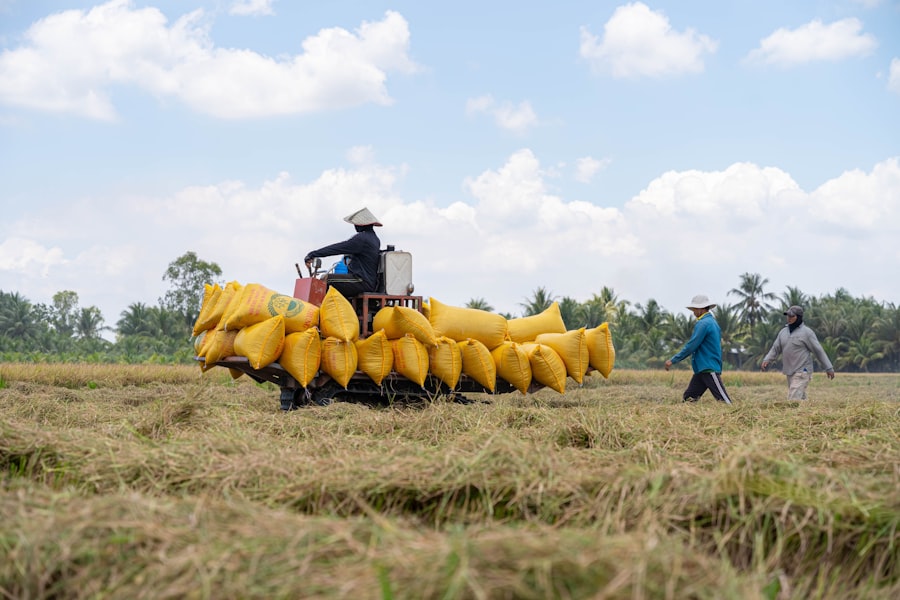
The hidden costs of conventional farming extend beyond the environment, permeating human health and social structures.
Pesticide Exposure and Human Health
Agricultural workers and rural communities are on the front lines of exposure to chemical inputs, but residues on food mean you, too, are regularly consuming small doses.
Direct Exposure for Farmers and Farmworkers
You might not consider the lives of those who grow your food, but farmworkers are disproportionately affected by acute and chronic pesticide exposure. They face increased risks of various cancers, neurological disorders, reproductive issues, and respiratory illnesses. Their health is a direct cost of the food on your plate.
Residues in Food
Even after washing, pesticide residues remain on and in your fruits and vegetables. While regulatory bodies set “safe” limits, the cumulative effect of consuming multiple pesticide traces from various foods, often referred to as a “chemical cocktail,” is not fully understood. You are, unconsciously, participating in a long-term toxicological experiment.
Economic and Social Disparities
The industrial nature of conventional farming fosters economic structures that often disadvantage small farmers and rural communities.
Consolidation of Farmland and Corporate Control
The drive for efficiency and scale often leads to the consolidation of farmland into larger operations, frequently owned by corporate entities. This pushes out small, family-owned farms, leading to rural economic decline and the loss of traditional farming knowledge. You are, by supporting this system, voting for the industrialization of agriculture at the expense of local communities.
Dependence on External Inputs
Farmers become captive consumers of patented seeds, synthetic fertilizers, and pesticides, often from a few large agricultural corporations. This financial dependence can trap them in a cycle of debt and limit their autonomy. You might compare it to a consumer being locked into a subscription service with no alternative.
Economic Externalities: Hidden Subsidies and Future Burdens
The market price of conventionally farmed food often fails to reflect its true cost, due to a system of hidden subsidies and neglected long-term expenses.
Government Subsidies and Price Distortions
Agricultural subsidies, often justified as supporting food security, frequently disproportionately benefit large conventional farms and specific commodity crops.
Artificially Lowered Food Prices
These subsidies, paid through your taxes, keep conventional food prices artificially low, making alternative, more sustainable farming methods seem comparatively expensive. You are, in essence, subsidizing practices that generate the very environmental and health problems previously outlined.
Disincentive for Sustainable Practices
The subsidy system can create a disincentive for farmers to adopt more sustainable, diversified practices, as income from conventional commodity crops is often guaranteed. You are, through your tax dollars, unintentionally encouraging environmental degradation.
Remediation Costs and Public Health Expenses
The environmental damage caused by conventional farming is not simply a tragedy; it results in concrete financial costs that are borne by the public.
Cleaning Up Polluted Waterways
When rivers, lakes, and aquifers are contaminated with agricultural runoff, the public, through municipal taxes and water rates, pays for the extensive and expensive treatment processes required to make water potable again. You are paying to fix a problem that could have been prevented.
Healthcare Costs Related to Pesticide Exposure
The health issues arising from pesticide exposure in farmers, farmworkers, and consumers translate into increased healthcare expenditures, often covered by public health systems or private insurance. You are contributing, through insurance premiums and taxes, to the treatment of illnesses linked to conventional agricultural practices.
Loss of Ecosystem Services
Healthy ecosystems provide invaluable services – pollination, water purification, flood regulation, climate regulation – for free. When these services are degraded by conventional farming, society incurs significant costs, ranging from increased climate change impacts to the need for artificial pollination or water treatment plants. You are losing out on nature’s free services and paying to replace them.
The hidden costs of conventional farming extend beyond just the financial implications, affecting the environment and public health as well. For a deeper understanding of these issues, you might find this article on sustainable practices insightful. It explores how adopting alternative farming methods can mitigate some of the detrimental effects associated with conventional agriculture. To read more about this topic, check out the article here.
The Path Forward: Your Role in the Solution
| Cost Category | Description | Impact Metric | Estimated Annual Impact |
|---|---|---|---|
| Soil Degradation | Loss of soil fertility and structure due to intensive tillage and chemical use | Soil erosion rate | 24 billion tons globally |
| Water Pollution | Runoff of pesticides and fertilizers contaminating water bodies | Percentage of polluted water bodies | 40% of rivers and lakes affected |
| Biodiversity Loss | Decline in species diversity due to habitat destruction and chemical exposure | Decline in pollinator populations | 75% reduction in some regions |
| Greenhouse Gas Emissions | Emissions from fertilizer production and soil management | CO2 equivalent emissions | 1.5 billion tons annually |
| Health Impacts | Exposure to pesticides linked to chronic illnesses | Number of pesticide-related illnesses | Millions of cases worldwide |
| Economic Externalities | Costs borne by society for environmental cleanup and health care | Estimated societal cost | Billions annually |
Understanding these hidden costs places a responsibility on you, the consumer. The choices you make at the grocery store have far-reaching ripple effects, much like a stone dropped into a pond.
Empowering Conscious Consumption
By becoming aware of these issues, you can begin to make more informed decisions about what you choose to eat.
Supporting Sustainable Agriculture
Seek out produce from farms that prioritize ecological health, fair labor practices, and animal welfare. This might mean buying from local farmers’ markets, subscribing to a Community Supported Agriculture (CSA) program, or choosing certified organic or sustainably grown products. You are, through your purchasing power, directly investing in a healthier, more resilient food system.
Advocating for Policy Change
Beyond individual choices, you can advocate for policies that incentivize sustainable farming, support small and medium-sized farms, and hold corporations accountable for environmental damage. You can use your voice to demand a food system that serves all, not just a select few.
By acknowledging the true, full cost of conventional agriculture, you can begin to unravel the threads of this complex tapestry and reweave a healthier, more equitable future for yourself, for future generations, and for the planet. The choice, ultimately, is yours.
FAQs
What are the hidden costs of conventional farming?
Hidden costs of conventional farming include environmental degradation, such as soil erosion, water pollution from chemical runoff, loss of biodiversity, and greenhouse gas emissions. Additionally, there are health risks to farmworkers and consumers due to pesticide exposure, and economic costs related to long-term soil fertility decline.
How does conventional farming impact the environment?
Conventional farming often relies heavily on synthetic fertilizers and pesticides, which can contaminate water sources and harm non-target species. It can lead to soil degradation, reduced biodiversity, and increased greenhouse gas emissions, contributing to climate change.
Are there health risks associated with conventional farming?
Yes, exposure to pesticides and chemicals used in conventional farming can pose health risks to farmworkers and consumers, including respiratory problems, skin conditions, and potential long-term effects such as cancer.
Does conventional farming affect soil quality?
Conventional farming practices can degrade soil quality over time by reducing organic matter, disrupting soil structure, and causing erosion. This can lead to decreased fertility and productivity in the long term.
What economic impacts do hidden costs have on farmers?
While conventional farming may offer short-term financial gains, hidden costs such as soil degradation, increased need for chemical inputs, and health-related expenses can reduce profitability and sustainability over time.
Can conventional farming contribute to climate change?
Yes, conventional farming contributes to climate change through the release of greenhouse gases like nitrous oxide from fertilizers, methane from livestock, and carbon dioxide from soil disturbance and fossil fuel use.
Are there alternatives to conventional farming that reduce hidden costs?
Sustainable farming practices such as organic farming, agroecology, crop rotation, and integrated pest management can reduce environmental and health impacts, improve soil health, and promote long-term economic viability.