You’ve likely noticed it. The grocery landscape around you is shifting, and not always in the way you might expect. While the narrative often focuses on sprawling national chains and the rise of online delivery, a subtler, yet significant, evolution is occurring: the growing concentration of local grocery ownership. This isn’t just about a few new stores opening; it’s about how the very entities that supply your daily bread and produce are consolidating, and what that means for your choices, your wallet, and your community.
The idea that “local” always means independent and community-driven is becoming increasingly nuanced. While many small, family-owned grocers still exist, a growing number of those you perceive as local are, in fact, part of a larger, consolidated entity. This trend is not about a single, monolithic force buying up everything, but rather a series of strategic acquisitions, mergers, and the emergence of regional powerhouses that operate under familiar, locally-tinged banners.
Defining “Local” in Today’s Market
The term “local” itself has become a marketing tool, and its true meaning in the context of grocery ownership needs careful examination.
The Illusion of Independence
You might walk into a store with a charming name, a friendly atmosphere, and products that seem to be sourced from nearby farms, and assume it’s a wholly independent operation. However, the reality can be far more complex. These “local” brands might be owned by a larger corporation that employs savvy branding and marketing to cultivate an image of community connection. This doesn’t necessarily mean the products are inferior, but it does mean the decision-making power, the profit margins, and the ultimate beneficiaries of your purchases might be located far beyond your town’s borders.
Regional Chains as the New “Local”
A significant driver of this trend is the rise of well-established regional grocery chains. These companies, often with decades of history and a strong foothold in a particular geographic area, are increasingly acquiring smaller, independent grocers within their territories. For the acquiring company, it’s a strategic move to expand market share, eliminate competition, and achieve economies of scale. For you, the consumer, it means a familiar “local” store might now be part of a larger, more standardized operation.
The rising concentration of local grocery stores has become a significant topic of discussion among economists and community planners. Factors such as changing consumer preferences, the impact of e-commerce, and the desire for more sustainable shopping options are driving this trend. For a deeper understanding of the dynamics at play, you can explore a related article that discusses these issues in detail. Check out this insightful piece here: Why Local Grocery Concentration is Rising.
The Mechanics of Concentration: How It Happens
Understanding the “how” behind this grocery concentration is crucial to grasping its implications. It’s a multi-faceted process driven by both economic incentives and market dynamics.
Strategic Acquisitions and Mergers
The most visible form of concentration is through direct acquisition or merger. Larger players identify opportunities to absorb smaller ones, often citing reasons of efficiency, expanded product offerings, or securing prime retail locations.
The “Domino Effect” of Buyouts
Once a few key players in a region begin to consolidate, a ripple effect can occur. Smaller grocers, facing increased competition from these larger, more resource-rich entities, might find themselves in a position where selling is their most viable option for survival. This can lead to a gradual but persistent depletion of truly independent options as one acquisition paves the way for another.
Private Equity’s Role
A less visible, but increasingly influential, force in this consolidation is private equity. These investment firms often acquire grocery chains, aiming to streamline operations, cut costs, and increase profitability, with the eventual goal of selling them for a profit. Their involvement can accelerate the pace of consolidation and sometimes lead to significant changes in store management and product selection as they focus on maximizing returns.
Organic Growth and Expansion of Regional Players
Beyond direct acquisitions, existing regional chains also contribute to concentration through their own organic growth. They open new stores in underserved areas, often leveraging their established brand recognition and supply chain advantages to outcompete new, independent entrants.
Gaining Market Dominance Through Scale
The sheer scale of larger regional players allows them to negotiate better prices with suppliers, invest more heavily in marketing and technology, and offer a wider range of products than smaller, independent stores can often match. This creates a competitive advantage that naturally pushes market share towards them.
Standardized Operations and Supply Chains
As regional chains grow, they often standardize their operational procedures and supply chains. This allows for greater efficiency and the ability to control costs more effectively. While this can lead to a more consistent shopping experience for you, it also means less flexibility for individual stores to adapt to hyper-local needs or unique product demands.
The Impact on Your Shopping Basket
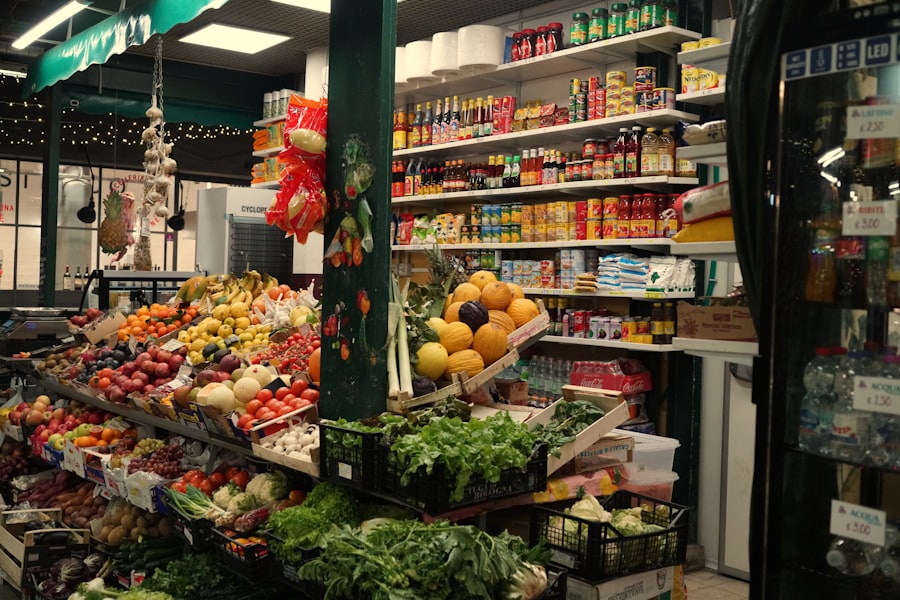
The growing concentration of local grocery ownership has tangible effects on what you find on the shelves, how much you pay, and the overall quality of your shopping experience.
Reduced Consumer Choice and Product Diversity
As fewer entities control a larger portion of the local grocery market, the diversity of products on offer can diminish. This is a natural consequence of consolidation, where overarching brands prioritize popular items and streamline inventory to maximize efficiency.
The “Greatest Common Denominator” Effect
When a few large players dominate, they tend to stock the most popular and widely appealing items, a phenomenon sometimes referred to as serving the “greatest common denominator.” Items that appeal to niche markets or have unique regional appeal might be phased out in favor of items with broader consumer demand. This can leave you with fewer options for specialty items, ethnic foods, or products from smaller, artisanal producers.
The Standardization of Aisles
You might notice a growing sameness across different grocery stores, even those that once offered distinct selections. This standardization extends beyond product offerings to the layout of stores, the types of promotions offered, and even the music played. While this can create a predictable shopping environment, it can also lead to a sense of monotony and a loss of the unique character that independent grocers once provided.
Price Fluctuations and Potential for Higher Costs
While proponents of consolidation often cite economies of scale leading to lower prices, the reality for consumers can be more complex, and occasionally, more expensive.
The Power of Market Dominance
When a few large grocery groups hold significant market share, they gain considerable leverage over suppliers. This can lead to them dictating terms and securing lower prices for themselves. However, this doesn’t always translate to lower prices for you. In some cases, with reduced competition, these dominant players may have the ability to maintain or even increase prices, knowing you have fewer alternatives.
The Cost of Streamlining
The push for efficiency in consolidated operations can sometimes lead to the elimination of less profitable but community-valued services. This could include specialized departments, local sourcing initiatives that might be more expensive than national contracts, or simply a reduced staff presence leading to a less personal shopping experience. These “costs” might not show up directly on the price tag, but they can impact the overall value you receive from your grocery shopping.
Supply Chain Vulnerabilities
While larger supply chains aim for efficiency, they can also become more vulnerable to disruption. A problem at a central distribution hub, a labor dispute affecting a major supplier, or even a significant weather event can have a widespread impact across multiple stores owned by the same entity, potentially leading to shortages and price spikes that you wouldn’t experience as acutely in a more decentralized system.
Community Impact: Beyond the Shelves

The ramifications of grocery concentration extend far beyond your personal shopping experience, impacting the economic health and social fabric of your community.
The Fate of Independent Grocers
The most direct impact is on the independent grocers themselves. As they face increased competition and pressure from larger, consolidated entities, many struggle to survive.
Losing Local Entrepreneurs and Their Vision
Each time an independent grocery store closes or is acquired, you lose more than just a place to buy food. You lose the entrepreneurial spirit, the unique vision, and often the deep community ties of the individuals who ran those businesses. These owners were often deeply invested in their neighborhoods, supporting local charities, sponsoring community events, and employing local residents.
The “Hollowing Out” of Main Streets
The disappearance of independent grocers can contribute to the “hollowing out” of your local main streets or commercial districts. These stores often serve as anchors, drawing foot traffic and supporting other small businesses. When they vanish, it can create a ripple effect, leading to vacant storefronts and a decline in overall economic vibrancy.
Employment and Labor Practices
The shift in ownership can also alter the employment landscape within the grocery sector.
Consolidation and Job Losses
When one company acquires another, there can be an overlap in management and administrative roles, leading to job reductions. While some store-level positions may be maintained, the overall structure of employment can change, potentially leading to fewer high-level management opportunities within the local area.
Standardized Labor Models
Consolidated entities often implement standardized labor models across their operations. This can mean a move towards fewer, more generalized roles, potentially impacting the specialization and artisanal skills that were once valued in smaller grocery settings. It can also influence wage and benefit structures, often aligning with broader industry standards rather than local market conditions.
The Influence of Larger Corporations on Local Labor
As larger corporations gain economic power in a region, their labor practices can set a benchmark for other businesses. This can be positive if they offer competitive wages and benefits, but it can also exert downward pressure on wages and benefits at smaller, independent businesses that are struggling to compete.
The rising concentration of local grocery stores can be attributed to various factors, including changing consumer preferences and the increasing demand for convenience. As more people seek fresh, locally sourced products, smaller grocery chains are finding opportunities to thrive in their communities. This trend is further explored in a related article that discusses the economic implications of local grocery concentration and its impact on community resilience. For more insights, you can read the article here.
Navigating the Evolving Landscape
| Reasons for Rising Local Grocery Concentration |
|---|
| 1. Increased demand for locally sourced and organic products |
| 2. Growing consumer preference for supporting local businesses |
| 3. Expansion of delivery and online ordering options |
| 4. Competitive pricing and promotions |
| 5. Convenience and accessibility for nearby residents |
Understanding this trend is the first step. The next is figuring out how to navigate it as a consumer, and perhaps, as an advocate.
Making Informed Choices at the Checkout
Every purchase you make is a vote. Being aware of who owns the stores you frequent can influence where you choose to spend your money.
Decoding Brand Holdings
It’s becoming increasingly important to understand the corporate ownership of the grocery brands you see. A quick online search can often reveal who ultimately owns a particular chain. This knowledge can help you make more conscious decisions about supporting companies that align with your values, whether those values are tied to local economies, ethical sourcing, or fair labor practices.
Seeking Out Truly Independent Options
While they may be fewer in number, actively seeking out and supporting the remaining independent grocers in your area is crucial. These businesses often offer a unique product selection, a more personal customer service experience, and a direct reinvestment in your local community.
Exploring Alternative Food Systems
Don’t limit your grocery shopping to traditional supermarkets. Exploring alternative food systems can provide you with more choice and support a more diverse economic landscape.
Farmers Markets and CSAs
Farmers markets are direct pipelines to local producers, offering fresh, seasonal produce often at competitive prices. Community Supported Agriculture (CSA) programs allow you to subscribe directly to a farm’s harvest, providing them with upfront capital and you with a regular supply of fresh goods.
Specialty Food Stores and Co-ops
Beyond the large chains, look for smaller, specialty food stores that focus on specific product categories, or explore food cooperatives. These often operate with a different model, prioritizing community needs and often offering a wider range of ethically sourced or artisanal products.
The Role of Consumer Advocacy
Your voice as a consumer can have an impact, even in the face of powerful economic forces.
Supporting Local Food Initiatives
Actively participate in and advocate for local food initiatives. This could involve supporting legislation that promotes local agriculture, attending town hall meetings to discuss food systems, or simply spreading awareness about the importance of supporting local food businesses.
Demanding Transparency
As consumers, you can demand greater transparency from grocery retailers regarding their ownership structures and their impact on local economies. This could involve asking questions in-store, contacting customer service, or engaging with brands on social media.
The Power of Collective Action
When consumers organize and collectively voice their concerns, their impact can be amplified. This could involve signing petitions, participating in consumer boycotts or buy-in campaigns, or engaging with advocacy groups that focus on food system reform.
The growing concentration of local grocery ownership is not a simple phenomenon with easy answers. It’s a complex interplay of economic forces, consumer behavior, and corporate strategy. By understanding the mechanics of this trend and its implications, you are better equipped to make informed decisions that shape not only your own shopping basket but also the future of your community’s food landscape.
FAQs
1. What is local grocery concentration?
Local grocery concentration refers to the increasing dominance of a few major grocery retailers in a specific geographic area. This can lead to a smaller number of grocery options for consumers and potential challenges for smaller, independent grocery stores.
2. Why is local grocery concentration rising?
Local grocery concentration is rising due to factors such as mergers and acquisitions within the grocery industry, the expansion of large grocery chains into new markets, and the closure of smaller, independent grocery stores. These trends contribute to the consolidation of grocery market share among a few major players.
3. What are the potential impacts of rising local grocery concentration?
Rising local grocery concentration can lead to reduced competition, which may result in higher prices for consumers and fewer choices in terms of grocery retailers. It can also impact local economies by reducing opportunities for small businesses and potentially leading to job losses in the grocery sector.
4. How does rising local grocery concentration affect consumers?
Consumers may experience fewer options for grocery shopping, potentially leading to decreased access to specialty or locally-sourced products. Additionally, rising local grocery concentration can impact pricing and promotions, as well as the overall shopping experience for consumers.
5. What are potential solutions to address rising local grocery concentration?
Potential solutions to address rising local grocery concentration may include increased regulatory oversight to prevent anti-competitive behavior, support for small and independent grocery retailers, and initiatives to promote local food systems and community-based grocery options. Additionally, consumer awareness and support for diverse grocery options can also play a role in addressing this issue.