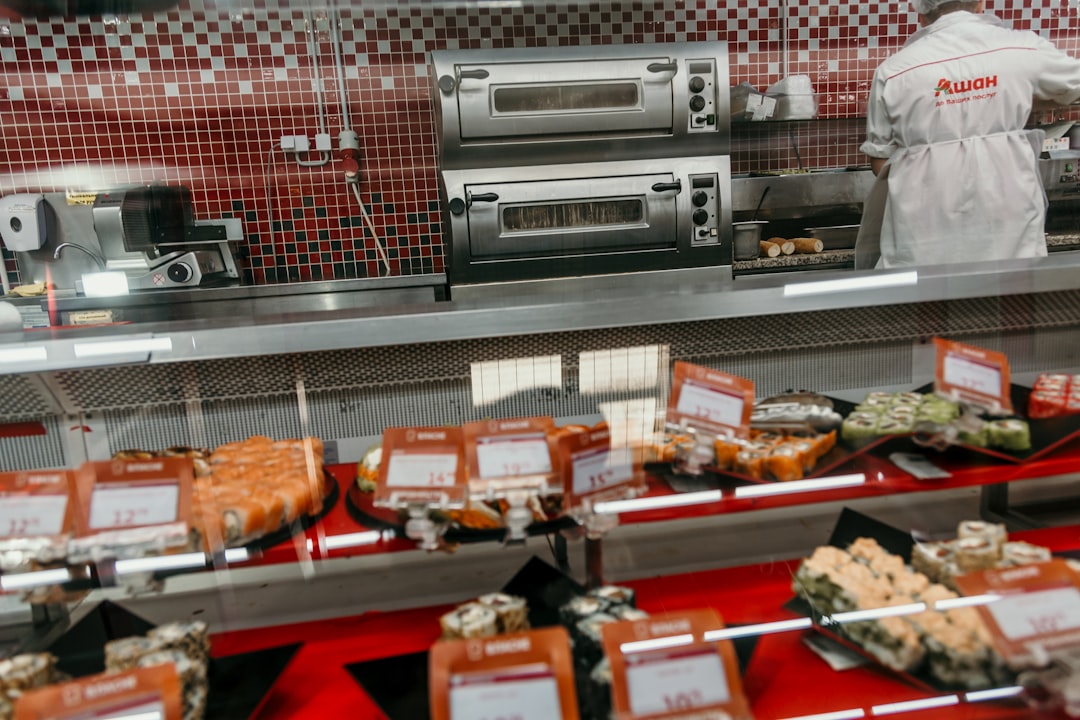
You stand at a crossroads in the culinary landscape, contemplating the future of your work in the fast-food industry. The familiar hum of the fryers, the rhythmic clatter of dishes, and the hurried murmur of orders – these are the sounds of your present. But casting a long shadow over this familiar scene is the relentless march of technological innovation, a force poised to reshape the very fabric of your profession. This article will delve into the multifaceted implications of automation for fast-food jobs, exploring both challenges and potential opportunities.
You’ve witnessed it already, perhaps in subtle ways. Self-order kiosks, once a novelty, are now ubiquitous. Your manager might be experimenting with automated beverage dispensers or even robotic fryers behind the scenes. This isn’t a trickle; it’s a growing stream, threatening to become a flood that will redefine the roles you and your colleagues play. Learn more about the California fast food minimum wage law and its impact on workers and businesses.
The Driving Forces Behind Automation
Several key factors are propelling this technological shift. You, as a fast-food worker, are intimately acquainted with some of them.
Labor Cost Reduction
For businesses, the bottom line is paramount. You represent a wage, benefits, and a potential liability for sick days or turnover. Robots, conversely, offer a one-time investment with minimal ongoing operational costs and no HR headaches. Imagine a future where you are competing not just with other human applicants, but with a highly efficient, perpetually available mechanical workforce.
Consistency and Efficiency
Humans, by their very nature, are prone to variability. A busy day, a momentary distraction, or even a different mood can impact the speed and quality of your work. Robots, however, offer unwavering consistency and tireless efficiency. They can execute repetitive tasks with millimeter precision and at speeds unattainable by human hands, ensuring every burger is cooked exactly the same way, every drink poured to the exact level. This appeals directly to the fast-food industry’s core promise: speed and predictable product.
Addressing Labor Shortages and High Turnover
You know the drill: the constant cycle of hiring and training new employees. The fast-food industry is notoriously plagued by high turnover rates, a bleeding wound for many operators. Automation presents itself as a potential tourniquet, offering a stable and consistent workforce that doesn’t quit, call in sick, or demand raises.
The Pandemic’s Accelerating Effect
The COVID-19 pandemic acted as a powerful accelerant. Suddenly, the need for contactless service and reduced human interaction became paramount. Companies that had been cautiously exploring automation found themselves fast-tracking implementation. You likely saw new safety protocols, plexiglass barriers, and perhaps even early iterations of robot servers during this period, signaling a future where human contact is intentionally minimized.
As the fast food industry continues to evolve, the impact of automation on job opportunities is becoming a critical topic of discussion. A related article that delves into the future of fast food jobs and the role of technology in reshaping the workforce can be found at How Wealth Grows. This insightful piece explores how automation may streamline operations while also raising questions about employment and the skills needed for future roles in the sector.
Disruption in the Workforce: Where Will You Fit In?
The implications of this technological shift for your job security are undeniable. It’s not a question of if but how much and how quickly automation will impact your role. You might feel a pang of anxiety, and that’s a natural response to such a seismic shift.
Routine and Repetitive Tasks: The First Targets
You understand that your job isn’t entirely uniform. Some tasks are highly repetitive, requiring little cognitive effort beyond accurate execution. These are the low-hanging fruit for automation.
Order Taking and Cashiering
Self-service kiosks are already a fixture. Voice recognition technology is improving rapidly, allowing customers to place orders directly with an AI. In this scenario, your role as an order taker or cashier could be significantly diminished, if not entirely eliminated. You might only be called upon for troubleshooting or handling complex payment issues.
Food Preparation and Assembly
This is the front line of automation. Robots are becoming increasingly adept at everything from flipping burgers and frying fries to assembling more complex dishes. Imagine a robotic arm meticulously portioning ingredients and arranging them on a bun with perfect uniformity. Your skills in these areas, once central to your daily routine, are now directly competing with sophisticated machinery.
Cleaning and Maintenance
Even janitorial tasks are susceptible. Automated floor scrubbers and robotic vacuums are becoming more commonplace in various industries and will likely find their way into fast-food establishments, taking over some of the less glamorous but essential duties you currently perform.
The Shifting Skillset: What Will Be Valued?
As machines assume the more routine aspects of your job, the skills that differentiate you as a human become increasingly valuable. You will need to adapt, pivot, and embrace lifelong learning to remain relevant.
Customer Service and Problem Solving
When a customer has a complex issue, a robot can only follow its programming. Your empathy, your ability to de-escalate situations, and your nuanced understanding of human interaction will be irreplaceable. You will transition from transaction facilitator to problem solver and relationship builder.
Oversight and Maintenance of Automated Systems
Someone needs to manage the machines. You might find yourself transitioning into a role where you monitor the automated fryers, ensure the robotic arms are functioning correctly, or troubleshoot minor glitches. This requires a different set of skills: a blend of technical aptitude and critical thinking.
Quality Control and Craftsmanship
While robots excel at consistency, they lack the human touch for nuanced quality control. You might become the ultimate arbiter of freshness, presentation, and adherence to brand standards, a human counterpoint to the machine’s efficiency. This elevates your role from mere assembler to a guardian of brand integrity.
The Restructuring of Fast-Food Operations
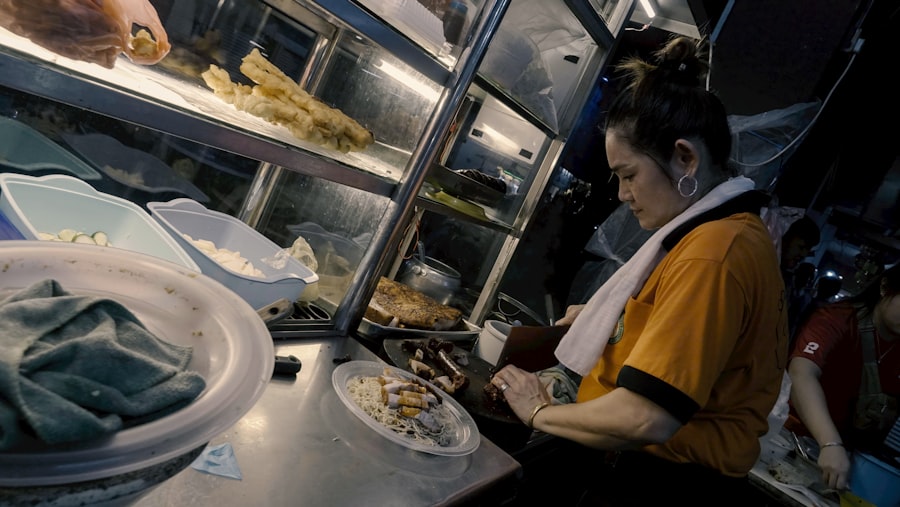
The impact of automation extends beyond individual jobs; it will fundamentally reshape the operational models of fast-food restaurants. You will likely see a move towards greater efficiency, smaller physical footprints, and a different kind of customer interaction.
“Dark Kitchens” and Centralized Production
Imagine a future where your local fast-food outlet is less of a restaurant and more of a fulfillment center. You might see the rise of “dark kitchens” – automated facilities focused solely on food production for delivery or pickup, with no dine-in option. This would severely limit the need for customer-facing staff, impacting roles like yours that rely on direct interaction.
Leaner Front-of-House Operations
Even in traditional restaurants, the front-of-house will become leaner. Your colleagues might be fewer in number, with a greater emphasis on multitasking and handling more complex customer interactions. The friendly face you present will be more crucial than ever in distinguishing a brand from its fully automated competitors.
The Rise of the Technically Proficient Operator
The fast-food manager of the future may not be just a people manager but also a tech manager. You will likely see managers who are adept at understanding data analytics from automated systems, troubleshooting technological issues, and optimizing the interplay between human and robotic workforces.
The Social and Economic Ripple Effects
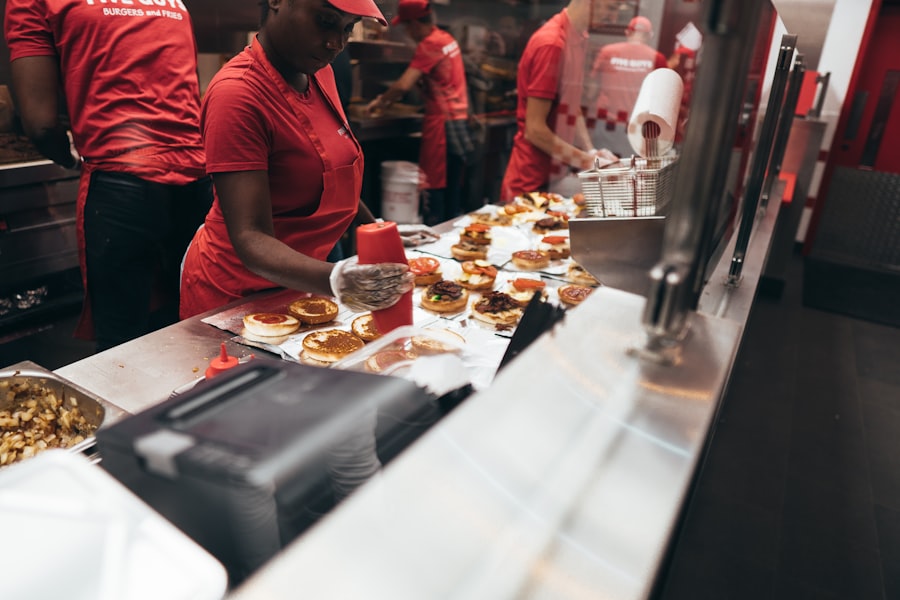
The changes you are witnessing are not confined to the four walls of your workplace. They will send powerful ripple effects throughout society, raising questions about employment, income inequality, and the very definition of work. You are a part of that larger picture.
The Need for Retraining and Upskilling Initiatives
If your current skills become obsolete, what then? There will be an urgent need for widespread retraining and upskilling programs to equip you and your peers for the new jobs that emerge. This could involve learning new software, understanding robotic mechanics, or honing advanced customer service skills.
Debates on Universal Basic Income (UBI)
As automation displaces significant numbers of workers, the societal conversation around universal basic income (UBI) will intensify. If there are fewer traditional jobs available, how will people support themselves and their families? You may find yourself directly impacted by these macro-economic shifts.
The Human-Machine Collaboration Paradigm
It’s not all doom and gloom. The most realistic future likely involves a collaborative model where humans and machines work in concert. You might find yourself working alongside robots, not entirely replaced by them. Think of robots as highly efficient tools, extending your capabilities rather than solely supplanting them. Your role could evolve into a supervisor, a trainer, or a problem-solver for your robotic colleagues. This highlights the importance of adaptability and a willingness to embrace new technologies as partners, not just competitors.
As the fast food industry continues to evolve, the impact of automation on job opportunities is becoming a significant topic of discussion. Many experts believe that the integration of technology could reshape the workforce, leading to both job displacement and the creation of new roles. For a deeper understanding of this issue, you can explore a related article that discusses the future of fast food jobs and automation in detail. This insightful piece can be found here, providing valuable perspectives on how these changes might unfold.
Navigating Your Future: Strategies for Adaptation
| Metric | Current Value | Projected Value (2030) | Notes |
|---|---|---|---|
| Percentage of Fast Food Jobs Automated | 5% | 40% | Significant increase due to robotics and AI integration |
| Number of Fast Food Workers (US) | 3.6 million | 2.5 million | Decline expected due to automation replacing routine tasks |
| Average Hourly Wage (Fast Food Workers) | 12.50 | 15.00 | Wages expected to rise due to labor shortages and skill requirements |
| Robotic Order Taking Adoption Rate | 10% | 70% | Widespread use of kiosks and voice recognition systems |
| Customer Satisfaction with Automated Services | 65% | 80% | Improved accuracy and speed expected to boost satisfaction |
| Fast Food Industry Revenue Growth | 3% annually | 4% annually | Automation expected to improve efficiency and margins |
Given the profound changes ahead, what steps can you take to secure your place in the fast-food landscape of tomorrow? You are not a passive observer; you have agency in shaping your future.
Embrace Lifelong Learning
The days of learning a single skill set and resting on your laurels are over. You must cultivate a mindset of continuous learning. Look for opportunities to learn new software, understand basic mechanics, or refine your interpersonal skills. Think of yourself as a continually evolving organism, adapting to new environmental challenges.
Develop “Human-Centric” Skills
Focus on cultivating skills that machines cannot replicate: empathy, creativity, critical thinking, complex problem-solving, and emotional intelligence. These are your unique selling propositions in an increasingly automated world. These are the soft skills that become hard currencies in the new economy.
Advocate for Training and Support
Don’t wait for change to happen to you. Advocate for your employer to invest in training programs that prepare you for future roles. Join forces with your colleagues to highlight the need for skills development and support during this transition. Your collective voice is a powerful instrument.
Explore Opportunities in Automation Support
Consider roles that directly support automated systems. This could involve maintenance, programming, data analysis, or even designing the customer experience around these new technologies. The skills gap in these areas is growing, presenting a potential avenue for career growth.
You stand on the precipice of a significant transformation, a juncture where the familiar landscape of fast-food employment is being redrawn by the powerful hand of automation. This is not a distant prophecy; it is a present reality unfolding before your eyes. While the challenges are undeniable, particularly for those in routine roles, the future is not solely one of displacement. By understanding the forces at play, proactively developing new skills, and embracing a mindset of continuous adaptation, you can navigate this seismic shift and carve out a meaningful and valuable role for yourself in the evolving culinary world. The key lies in viewing automation not as an adversary, but as a catalyst for your own professional evolution.
WATCH THIS! 🍔💰 California’s $20 Fast Food Wage: Big Paychecks or Big Layoffs?
FAQs
What is the current trend in automation within the fast food industry?
Automation in the fast food industry is increasing, with many restaurants adopting technologies such as self-service kiosks, automated cooking equipment, and robotic food preparation to improve efficiency and reduce labor costs.
How might automation impact fast food jobs in the future?
Automation could lead to a reduction in certain entry-level and repetitive jobs, such as cashiers and food preparers, but it may also create new roles focused on managing and maintaining automated systems.
Will automation completely replace human workers in fast food restaurants?
It is unlikely that automation will fully replace human workers in the near future. Many tasks still require human judgment, customer service skills, and adaptability that machines cannot replicate.
What types of fast food jobs are most at risk due to automation?
Jobs involving routine tasks, such as order taking, food assembly, and basic cooking, are most susceptible to automation, while roles requiring interpersonal skills and complex problem-solving are less at risk.
How can fast food workers prepare for changes brought by automation?
Workers can enhance their skills in technology management, customer service, and problem-solving, and seek training opportunities to adapt to new roles created by automation.
What benefits does automation bring to fast food businesses?
Automation can increase operational efficiency, reduce errors, lower labor costs, improve order accuracy, and enhance the overall customer experience.
Are there any concerns associated with automation in fast food jobs?
Concerns include potential job displacement, reduced human interaction, and the need for workers to acquire new skills to remain employable.
How is the fast food industry balancing automation with employment?
Many fast food companies are implementing automation gradually while investing in employee training and creating new roles to complement automated systems, aiming to balance efficiency with workforce sustainability.