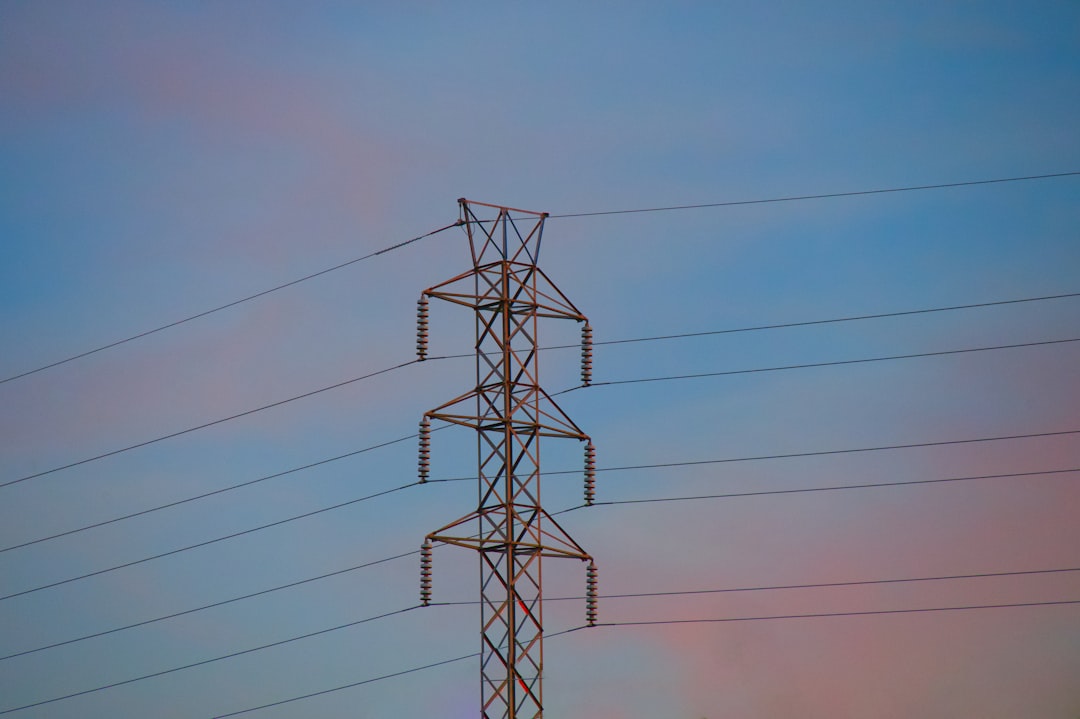
You depend on it every moment of every day, often without a second thought. It is the invisible circulatory system of your modern life, pumping energy to your homes, your businesses, your communication networks, and your transportation. This is the power grid, a monumental feat of engineering that underpins so much of what you consider normal. Yet, beneath its seemingly robust surface lies a profound fragility, a network of vulnerabilities that, if exposed and exploited, could plunge your world into darkness, economic paralysis, and widespread chaos. Understanding these vulnerabilities is not an exercise in alarmism; it is a crucial step towards safeguarding the continued functioning of your society.
Think of your power grid not as a single entity, but as a vast, interconnected web, a spiderweb spun across continents. It’s a delicate balance of generation, transmission, and distribution, all working in symphony to deliver electricity from where it’s produced to where it’s consumed.
Generation: The Heart of the System
The process begins with the generation of electricity at power plants. These can be fueled by a diverse array of sources, each with its own operational characteristics and, consequently, its own potential vulnerabilities.
Fossil Fuels: The Dominant, Yet Finite, Engine
For decades, coal, natural gas, and oil have been the workhorses of electricity generation. Power plants burn these fuels to heat water, creating steam that drives turbines connected to generators.
- Fuel Supply Chain Vulnerabilities: The reliability of these plants hinges on a continuous and uninterrupted supply of fuel. Disruptions to extraction, transportation (pipelines, rail, ships), or even international relations can create significant choke points. A prolonged strike at a coal mine, a major pipeline rupture, or geopolitical instability in oil-producing regions can directly impact electricity output. You are, in essence, tethered to the global supply chains of these commodities.
- Infrastructure Obsolescence and Maintenance: Many existing fossil fuel power plants are aging, requiring significant investment in maintenance and upgrades. Neglecting this can lead to increased inefficiencies and a higher risk of mechanical failure. The long lead times for building new plants mean that relying on existing, aging infrastructure carries inherent risks.
- Emissions and Environmental Regulations: While not a direct vulnerability in terms of immediate power disruption, evolving environmental regulations and the societal shift towards decarbonization can impact the long-term viability and operational costs of fossil fuel plants, potentially leading to premature closures without sufficient replacement capacity.
Nuclear Power: A High-Reward, High-Risk Proposition
Nuclear power plants harness the energy released from nuclear fission to generate heat, which then produces steam to drive turbines.
- Fuel Security and Accessibility: While nuclear fuel is energy-dense, its acquisition and processing are highly regulated and concentrated in a few countries, creating potential geopolitical dependencies and supply chain risks.
- Safety and Security Concerns: The inherent risks associated with nuclear materials, including potential accidents (though rare, highly impactful) and the threat of sabotage or terrorism aimed at exploiting radioactive materials, necessitate extremely robust security measures. The psychological and environmental impact of a major incident can be devastating and long-lasting.
- Waste Management Challenges: The long-term disposal of radioactive waste remains a significant challenge, requiring secure storage for millennia. This ongoing operational cost and public perception can influence the deployment and continued operation of nuclear facilities.
Renewable Energy: The Promise and the Peril of Nature’s Bounty
Solar, wind, hydroelectric, and geothermal power offer cleaner alternatives, but their inherent variability introduces new vulnerabilities.
- Intermittency and Weather Dependence: Solar panels only generate power when the sun shines, and wind turbines only spin when the wind blows. This intermittency means that their output fluctuates and cannot be relied upon as a constant baseload. A prolonged period of cloudy weather or calm winds can significantly reduce power generation, leaving gaps that need to be filled by other sources.
- Geographical Constraints: The optimal locations for renewable energy generation are often far from population centers, requiring extensive transmission infrastructure. A solar farm in a desert or a wind farm offshore necessitates a robust and reliable pathway to deliver that energy where it’s needed.
- Supply Chain Reliance for Components: The manufacturing of solar panels, wind turbines, and batteries relies on complex global supply chains for rare earth minerals and other specialized components. Geopolitical tensions or trade disputes can disrupt the production and availability of these crucial elements, slowing down the expansion and maintenance of renewable energy infrastructure.
- Grid Integration Complexity: Integrating large amounts of variable renewable energy into an already complex grid requires sophisticated control systems and energy storage solutions. Without adequate storage, the grid operator constantly battles to match supply with demand in real-time.
Transmission: The Arteries of Energy Flow
Once generated, electricity must be transported across vast distances to reach consumers. This is the role of the transmission system, characterized by high-voltage power lines and substations.
- Physical Infrastructure Vulnerabilities: The transmission lines themselves are exposed to the elements. Severe weather events like hurricanes, ice storms, and wildfires can bring down towers and snap lines, causing widespread outages. Imagine a vast network of threads; a single strong gust of wind or a stray spark could sever many of them.
- Cybersecurity Threats: The sophisticated control systems that manage the flow of electricity through the transmission network are increasingly digitized and interconnected. This makes them prime targets for cyberattacks, which could remotely disrupt operations, overload equipment, or even cause physical damage. A skilled hacker could, in theory, manipulate the very flow of energy itself.
- Aging Infrastructure and Underinvestment: Like generation facilities, much of the transmission infrastructure is aging and requires significant investment in upgrades and maintenance. Failing to keep pace with technological advancements and increased demand can lead to inefficiencies and an increased risk of failures.
- Geographic Concentration of Substations: Critical substations, which step down voltage for distribution, can be single points of failure. If a key substation is disabled, the power it serves can be cut off.
Distribution: The Capillaries Reaching Every Home
Finally, electricity is delivered from substations to homes and businesses via the distribution network, characterized by lower-voltage power lines and transformers.
- Localised Weather Impacts: While less prone to cascading failures than the transmission system, distribution networks are still susceptible to localized severe weather events, such as downed trees during storms, which can cause widespread power outages within communities.
- Physical Tampering and Vandalism: Distribution equipment, such as transformers located on poles or on the ground, can be targets for theft (of copper wire), vandalism, or even intentional damage, leading to localized power disruptions.
- Aging Equipment and Overload: Older transformers and wiring can become overloaded during peak demand, leading to failures. In densely populated areas with increasing per-capita energy consumption, this can become a significant concern.
The fragility of the power grid is a pressing concern, as it is increasingly vulnerable to various threats, including natural disasters, cyberattacks, and aging infrastructure. For a deeper understanding of the factors contributing to this issue, you can explore a related article that discusses the economic implications of a fragile power grid and potential solutions to enhance its resilience. To read more, visit this article.
The Specter of a Cascading Failure: How One Problem Becomes Many
The interconnected nature of the power grid is both its strength and its most significant vulnerability. The failure of a single component, or a series of seemingly unrelated events, can trigger a domino effect, leading to widespread blackouts.
Interdependence of Systems
The grid’s operation relies on a complex interplay of various systems. A failure in one can pull down others.
The Digital Lifeline: Communication Networks
Modern grid management is heavily reliant on sophisticated communication networks for real-time data, remote control, and coordination.
- Cyberattack Vectors: A successful cyberattack on communication infrastructure could paralyze the grid operator’s ability to monitor and control the system, effectively blinding them and preventing swift responses to emerging problems. This is akin to severing the nerves that control the body’s motor functions.
- Physical Infrastructure Vulnerabilities: Communication lines, like power lines, are also susceptible to physical damage from weather, accidents, or deliberate acts. If the eyes and ears of the grid are silenced, its ability to function is severely hampered.
The Crucial Role of Control Systems
Sophisticated software and hardware systems govern the flow of electricity, balancing supply and demand in real-time.
- Software Glitches and Bugs: Even the most advanced software can contain errors or develop unforeseen glitches, which can lead to incorrect commands being issued, potentially causing instability.
- Hardware Failures: The physical components of these control systems, like any electronic equipment, can fail due to wear and tear, power surges, or environmental factors.
- Malicious Manipulation: As mentioned in the transmission section, these control systems are a prime target for sophisticated cyberattacks designed to manipulate grid operations for nefarious purposes.
The Ripple Effect of an Outage
When a significant disturbance occurs, the system is designed to react and isolate the problem, but this isn’t always successful.
Frequency and Voltage Instability
The grid operates within very narrow parameters for frequency (typically 60 Hz in North America, 50 Hz elsewhere) and voltage. Any deviation can cause equipment damage and instability.
- Load Shedding and Blackouts: If the grid experiences a sudden loss of generation capacity or an unexpected surge in demand, operators may have to implement “load shedding,” intentionally cutting power to certain areas to prevent a complete collapse of the system. This is a controlled shutdown, a last resort to prevent irreparable damage.
- Generator Stall or Shutdown: If the frequency or voltage deviates too far from its operating range, generators can trip offline to protect themselves, further exacerbating the imbalance and increasing the likelihood of wider outages.
Geographic Spread of Failures
A localized failure, if not contained quickly, can propagate across connected systems.
- Transmission Line Tripping: If a transmission line becomes overloaded or experiences damage, protective relays will typically cause it to tripoffline. If this happens in a critical part of the grid, it can reduce the capacity to move power, leading to overloads on other lines and initiating a similar tripping sequence in a cascading fashion. Think of a line of dominoes falling; the initial topple can trigger a whole chain reaction.
- System Synchronization Issues: When different parts of the grid become disconnected and then attempt to resynchronize, improper timing can lead to severe voltage and frequency disturbances that can destabilize the entire network.
The Human Element: Intentional Threats to the Grid
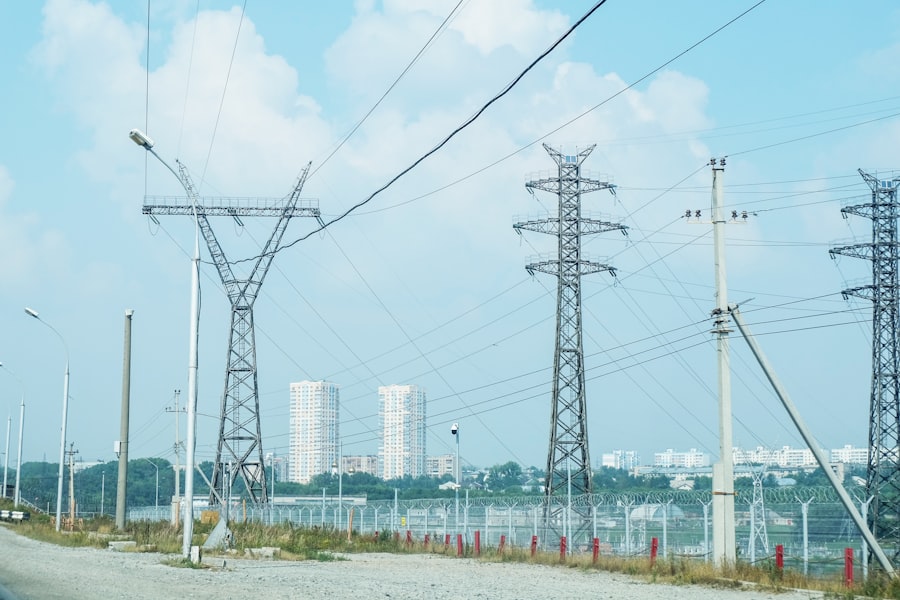
While natural disasters and technical failures represent significant vulnerabilities, the power grid is also a target for deliberate actions designed to cause maximum disruption.
Physical Attacks on Critical Infrastructure
The tangible components of the power grid are susceptible to direct physical assault.
Substations as Prime Targets
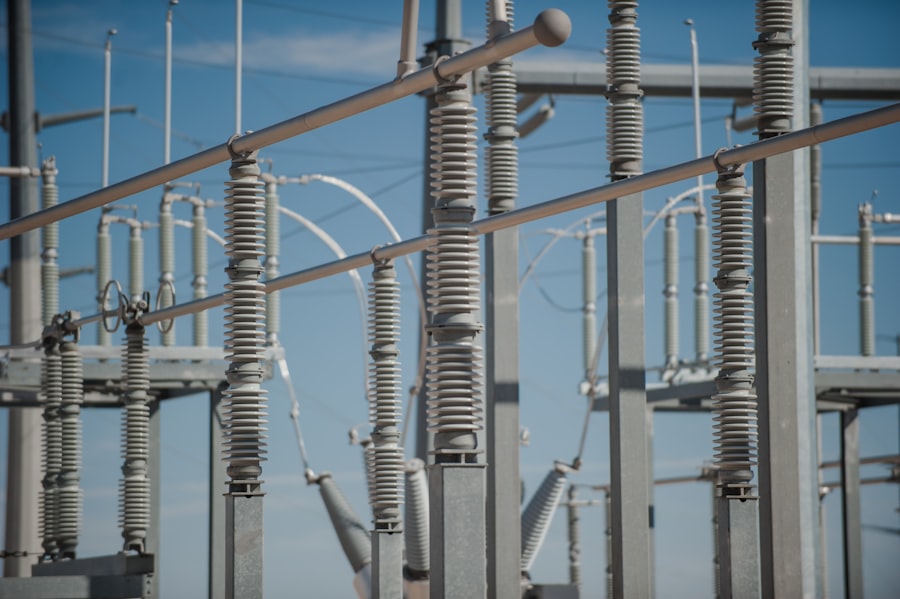
Substations are critical nodes where electricity is transformed and routed. Disrupting a substation can cripple power delivery to a large area.
- Vandalism and Sabotage: Deliberate damage to transformers, circuit breakers, or control cabinets can render a substation inoperable. The copper within transformers is also a target for theft.
- Weaponized Attacks: The potential for coordinated physical attacks, using explosives or other means, on multiple substations simultaneously could overwhelm response capabilities and lead to extensive and prolonged outages.
Power Plant Vulnerabilities
While heavily guarded, power plants themselves can be targets.
- Fuel Storage and Delivery Disruption: Attacks aimed at disrupting fuel supplies or damaging fuel storage facilities could cripple thermal power plants.
- Damage to Generation Equipment: Direct attacks on turbines, generators, or cooling systems could lead to significant downtime and costly repairs.
The Growing Threat of Cyber Warfare
The increasing digitization of grid operations opens up a new frontier of vulnerability: cyberspace.
Exploiting Control System Vulnerabilities
The software and hardware that manage the grid are complex and, like all software, can have vulnerabilities.
- Remote Exploitation: Sophisticated actors can potentially exploit these vulnerabilities remotely to gain unauthorized access to grid control systems. This allows them to manipulate operations, disrupt power flow, or even cause physical damage. Imagine a surgeon operating on a patient’s heart with instruments they don’t fully understand.
- Denial-of-Service Attacks: Overwhelming critical control systems with a flood of data can render them inoperable, preventing grid operators from managing the system effectively.
Targeting Communication Networks
The communication infrastructure that underpins grid operations is also a vulnerable target.
- Disruption of Data Flow: Cutting off or corrupting the data streams essential for grid management can blind operators and prevent them from responding to emergencies.
- Impersonation and Deception: Cyber attackers could potentially impersonate legitimate grid operators or equipment, issuing false commands or misrepresenting system status, leading to critical errors.
The Insider Threat
The risk posed by individuals with authorized access to grid systems cannot be overlooked.
- Malicious Insiders: Disgruntled employees or individuals with access to sensitive systems could intentionally cause damage or disruptions.
- Compromised Credentials: Credentials obtained through phishing, social engineering, or malware can allow unauthorized individuals to access critical systems.
The Climate Change Amplification: Nature’s Increasing Fury
The ongoing and accelerating impacts of climate change are not just an environmental concern; they represent a significant amplifier of existing grid vulnerabilities.
Extreme Weather Events: A New Norm
The frequency and intensity of extreme weather events are on the rise, placing unprecedented stress on grid infrastructure.
Heatwaves and Increased Demand
Prolonged periods of extreme heat lead to soaring electricity demand as people rely more heavily on air conditioning.
- Transformer Overload: High ambient temperatures combined with peak demand can push transformers beyond their thermal limits, leading to failures.
- Reduced Efficiency of Thermal Power Plants: Extreme heat can also reduce the efficiency of thermal power plants, which rely on cooling water, leading to decreased generation capacity when it’s most needed.
Storms, Floods, and High Winds
More powerful hurricanes, more intense rainfall leading to flooding, and stronger winds all pose direct threats to grid infrastructure.
- Transmission and Distribution Line Damage: High winds and falling debris are primary causes of power line failures. Flooding can inundate substations, causing widespread outages.
- Damage to Generation Facilities: Coastal power plants are particularly vulnerable to storm surges and flooding.
Wildfires: A Double Threat
Wildfires, often exacerbated by drought and high winds, pose a dual threat to the power grid.
- Direct Ignition of Vegetation: Sparks from damaged power lines are a frequent cause of wildfires, creating a dangerous feedback loop.
- Destruction of Infrastructure: Wildfires can directly destroy power poles, transmission towers, and substations, causing extensive damage and long-lasting outages in affected areas. They also threaten the integrity of the very infrastructure that could be used for restoration.
Sea Level Rise and Coastal Infrastructure
As sea levels continue to rise, coastal power plants, substations, and transmission lines face increasing risks of inundation and erosion.
- Saline Intrusion: Saltwater ingress can damage electrical components and lead to corrosion.
- Increased Storm Surge Vulnerability: Higher sea levels mean that storm surges during hurricanes and other coastal storms will reach further inland, threatening infrastructure that was previously considered safe.
The fragility of the power grid is a pressing concern that has been highlighted in various discussions about infrastructure resilience. A related article explores the underlying factors contributing to this vulnerability, including aging infrastructure and increasing demand. For a deeper understanding of these issues, you can read more in this insightful piece on the topic. Understanding the complexities of our energy systems is crucial for developing solutions to enhance their reliability and security. You can find the article here: this insightful piece.
The Path Forward: Resilience and Preparedness in an Uncertain Future
| Factor | Description | Impact on Grid Fragility | Example Metrics |
|---|---|---|---|
| Infrastructure Age | Many components of the power grid are decades old and prone to failure. | Increases risk of outages and equipment failure. | Average grid equipment age: 25-50 years |
| Demand Growth | Rising electricity consumption stresses grid capacity. | Leads to overloads and blackouts during peak times. | Annual demand growth rate: 1-3% |
| Extreme Weather | Severe storms, heatwaves, and cold snaps damage infrastructure. | Causes widespread outages and equipment damage. | Number of weather-related outages per year: 50-100+ |
| Intermittent Renewable Energy | Solar and wind power fluctuate with weather and time of day. | Challenges grid stability and requires backup resources. | Renewable penetration: 20-40% of total generation |
| Cybersecurity Threats | Increasing digitalization exposes grid to cyber attacks. | Potential for disruption or manipulation of grid operations. | Number of reported cyber incidents: rising annually |
| Regulatory and Investment Gaps | Insufficient funding and slow policy adaptation hinder upgrades. | Delays modernization and resilience improvements. | Grid modernization investment: below recommended levels |
Recognizing the fragility of the power grid is the first step. Mitigating these vulnerabilities requires a multifaceted approach focused on enhancing resilience and improving preparedness.
Modernizing and Hardening the Grid
Significant investment is needed to upgrade and fortify grid infrastructure.
Investing in Smart Grid Technologies
Smart grid technologies offer greater visibility, control, and automation, enabling quicker detection and response to issues.
- Advanced Monitoring and Sensors: Real-time data from sensors across the grid allows operators to identify problems before they escalate.
- Automated Fault Detection and Isolation: Smart grid systems can automatically detect and isolate faults, minimizing the impact of outages.
- Demand-Side Management: Technologies that allow for better management of electricity demand can help reduce stress on the grid during peak times.
Hardening Infrastructure Against Physical Threats
Protecting critical components from physical damage is paramount.
- Burying Power Lines: While costly, burying power lines in vulnerable areas can protect them from extreme weather and physical attacks.
- Reinforcing Transmission Towers: Strengthening transmission towers against high winds and seismic activity can improve their resilience.
- Fortifying Substations: Implementing physical barriers, intrusion detection systems, and redundant equipment at substations enhances their security.
Enhancing Cybersecurity Measures
Protecting the grid from cyber threats is an ongoing battle that requires constant vigilance and adaptation.
Investing in Robust Cybersecurity Frameworks
Sophisticated cybersecurity defenses are essential to protect grid control systems and communication networks.
- Regular Risk Assessments and Penetration Testing: Proactively identifying vulnerabilities before attackers do.
- Multi-Factor Authentication and Access Controls: Ensuring only authorized personnel have access to critical systems.
- Intrusion Detection and Prevention Systems: Implementing systems that can detect and block malicious activity in real-time.
- Employee Training and Awareness: Educating grid personnel about cybersecurity threats and best practices.
Developing Incident Response Plans
Having clear and well-rehearsed plans for responding to cyber incidents is crucial for minimizing damage and restoring operations quickly.
- Redundancy and Backups: Ensuring that critical data and control systems have secure backups in case of compromise.
- Containment and Eradication Strategies: Developing protocols for isolating affected systems and removing the threat.
- Collaboration with Government Agencies and Industry Partners: Sharing threat intelligence and coordinating response efforts.
Diversifying Energy Sources and Enhancing Storage
Reducing reliance on any single energy source and developing robust energy storage solutions are key to grid stability.
Balancing the Energy Mix
A diverse portfolio of generation sources, including renewables, nuclear, and potentially cleaner fossil fuels with carbon capture, can reduce susceptibility to single-point failures.
- Investing in Dispatchable Renewables and Storage: Developing technologies like advanced battery storage, pumped hydro, and green hydrogen to provide reliable power when intermittent sources are unavailable.
- Promoting Distributed Generation: Encouraging rooftop solar and localized energy generation can reduce reliance on long-distance transmission.
Advancing Energy Storage Technologies
Energy storage is the critical missing piece for a fully resilient and renewable grid.
- Scalable Battery Technologies: Continued research and development into more efficient, cost-effective, and long-duration battery storage solutions.
- Other Storage Mechanisms: Exploring and deploying technologies like compressed air energy storage, flywheels, and thermal energy storage.
Improving Emergency Preparedness and Public Awareness
The human element of grid vulnerability extends to the public’s preparedness and understanding.
Developing Comprehensive Emergency Plans
Grid operators, utilities, and government agencies must work together to develop robust emergency response plans that account for various scenarios.
- Drill and Exercise Programs: Regularly simulating emergency scenarios to test and refine response plans.
- Coordination with First Responders and Emergency Management Agencies: Ensuring seamless collaboration during an outage.
Educating the Public
Informing the public about grid vulnerabilities and encouraging preparedness can mitigate the impact of outages.
- Promoting Emergency Kits and Household Preparedness: Encouraging individuals to have supplies for extended power outages.
- Raising Awareness About Grid Security: Educating the public about the importance of reporting suspicious activity around grid infrastructure.
The power grid, while a testament to human ingenuity, is inherently fragile. Its vulnerabilities are not abstract concepts but tangible threats that could profoundly impact your life. By understanding these weaknesses, from the physical infrastructure to the digital underpinnings, and by committing to robust modernization, enhanced security, and comprehensive preparedness, you can work towards a more resilient energy future, ensuring that the lights stay on for generations to come.
WATCH NOW ▶️ Why Wall Street Is Shorting The American Power Grid
FAQs
1. What factors contribute to the fragility of the power grid?
The power grid is fragile due to aging infrastructure, increasing demand, reliance on centralized power plants, vulnerability to extreme weather events, and cyber threats. These factors can cause outages and make the system less resilient.
2. How does extreme weather impact the power grid’s stability?
Extreme weather such as hurricanes, heatwaves, ice storms, and wildfires can damage power lines, substations, and other critical components, leading to widespread outages and prolonged recovery times.
3. Why is the aging infrastructure a concern for the power grid?
Much of the power grid infrastructure was built decades ago and is reaching the end of its operational life. Aging equipment is more prone to failure, less efficient, and harder to maintain, increasing the risk of blackouts.
4. How do cyberattacks threaten the power grid?
Cyberattacks can target control systems and communication networks within the power grid, potentially disrupting operations, causing outages, or damaging equipment. This makes cybersecurity a critical aspect of grid resilience.
5. What measures are being taken to improve the power grid’s resilience?
Efforts to strengthen the grid include modernizing infrastructure, integrating renewable energy sources, deploying smart grid technologies, enhancing cybersecurity, and implementing better emergency response and grid management practices.