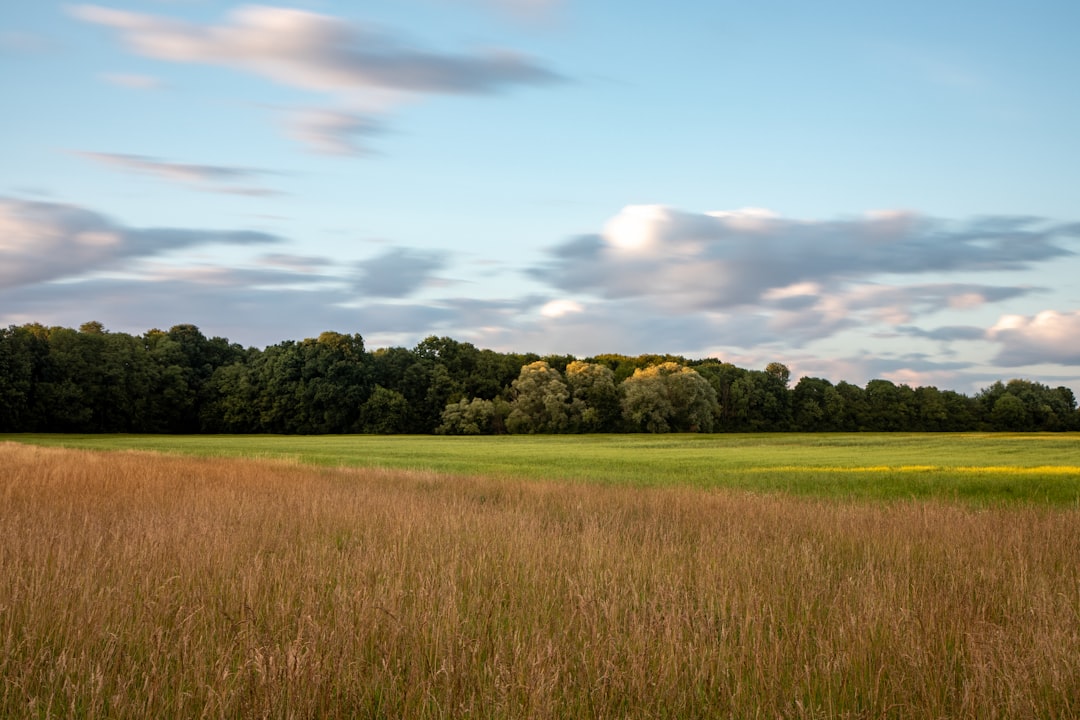
You stand on the precipice of a significant economic phenomenon, one that, while perhaps less theatrical than a stock market crash, carries profound implications for your dinner table and your financial future: the farmland housing bubble. This isn’t a new concept, but its current manifestation is distinct, driven by a convergence of factors that are reshaping the agricultural landscape and, by extension, your well-being. As you delve into this complex issue, you will observe how a seemingly distant market can directly impact the cost of your food, your access to affordable housing, and even the stability of entire communities.
To truly grasp the dynamics of this burgeoning bubble, you must first understand the forces that are inflating it. Imagine a delicate ecosystem, where each element, from global finance to local demographics, plays a crucial role in maintaining its equilibrium. When these elements conspire in a particular way, they can create an unsustainable upward trajectory in an asset’s value.
Financialization of Agriculture: A New Investment Frontier
For centuries, farmland was primarily valued for its productive capacity – its ability to grow crops and support livestock. However, you are now witnessing a fundamental shift. Farmland has become an attractive asset class for investors seeking diversification and a hedge against inflation.
- Institutional Investors: You see large pension funds, university endowments, and private equity firms actively acquiring vast tracts of agricultural land. These entities, with their considerable capital, are less concerned with the yield of a specific crop in a given year and more with the long-term appreciation of the underlying asset. They offer prices that often outstrip what traditional farmers can afford, fundamentally altering the competitive landscape.
- Retail Investors and “Farmland-as-an-Asset” Platforms: The allure of farmland investment isn’t limited to institutional players. You can now participate in fractional ownership schemes, investing in a portion of a farm through specialized platforms. This democratization of investment, while widening access, also introduces more speculative capital into the market, further decoupling land value from its agricultural output.
- The “Safe Haven” Appeal: In times of economic uncertainty, you often observe a flight to tangible assets. Farmland, with its perceived scarcity and essential role in food production, offers a comforting sense of security. This perception, while not entirely unfounded, contributes to increased demand and upward price pressure, even when the underlying agricultural fundamentals don’t fully justify it.
Shifting Demographics and Lifestyle Choices: The Rural-Urban Interface
The concept of a “rural idyll” has always held a certain romantic appeal. Today, however, you see this appeal translating into a tangible demand for land, particularly from those seeking an escape from urban centers.
- Commuter Belt Expansion: As urbanization continues, your desire for more space and a connection to nature often leads you to look beyond city limits. This outward migration transforms agricultural land on the fringes of metropolitan areas into prime real estate for housing development, driving up prices exponentially.
- The “Rural Retreat” Phenomenon: Beyond the commuter belt, you observe a growing trend of individuals purchasing smaller parcels of farmland not for commercial agriculture, but for lifestyle properties, hobby farming, or weekend getaways. These buyers, often with disposable income, are willing to pay a premium for the aesthetics and perceived quality of life that rural property offers, further shrinking the land available for legitimate agricultural production.
- Retirement and Lifestyle Buyers: An aging population, often with accumulated wealth, frequently seeks to relocate to quieter, more spacious environments in retirement. Farmland, particularly smaller, manageable plots, becomes an attractive option, diminishing the supply available for agricultural use.
In exploring the dynamics of the current housing market, the article “Why Farmland is the New Housing Bubble” highlights the increasing trend of investors turning to agricultural land as a viable asset. This shift is not only driven by the rising demand for food but also by the potential for significant returns on investment. For further insights into wealth-building strategies and the implications of this trend, you can read more in the related article at How Wealth Grows.
The Far-Reaching Consequences: Ripples Across the Economy
A rising tide may lift all boats, but an inflated bubble often leaves a trail of debris when it bursts. The farmland housing bubble, although still in an inflationary phase, is already generating discernible negative consequences that you, as a consumer and citizen, will inevitably experience.
Food Security and Affordability: Your Daily Bread Under Threat
The most direct and immediate impact of skyrocketing farmland prices is on your food supply. When the cost of the ground used to grow your food increases, so too does the cost of the food itself.
- Increased Production Costs: Farmers, whether they own or rent land, face higher expenses. If they are purchasing land, the debt burden is heavier. If they are renting, lease rates escalate. These increased costs, like invisible taxes, are ultimately passed on to you at the grocery store checkout.
- Loss of Productive Farmland: The conversion of prime agricultural land to residential or commercial development is a critical consequence. You are witnessing a steady erosion of the very land that feeds you, particularly near urban centers where development pressure is highest. Once paved over, this land is irrevocably lost to agriculture.
- Consolidation and Monopolization: As smaller, family farms struggle to compete with large-scale investors and developers, you observe a trend towards consolidation. Fewer, larger entities control more of the food production, potentially leading to reduced diversity in crops, less localized food systems, and a greater vulnerability to supply chain shocks.
Displacing Traditional Farmers: The Erosion of a Way of Life
The backbone of rural communities, the independent farmer, faces an existential threat from this bubble. You are witnessing a profound generational shift, driven not by choice, but by economic necessity.
- Barriers to Entry for New Farmers: For aspiring farmers, the dream of owning land has become virtually unattainable. The capital required to purchase even modest acreage is prohibitive, creating an insurmountable barrier to entry for the next generation of food producers.
- Forced Sales and Succession Challenges: Existing farmers, particularly those nearing retirement, are often faced with an agonizing decision. The astronomical prices offered for their land by developers or investors can be a temptation too strong to resist, especially if their children are unable or unwilling to take on the colossal debt required to continue farming. This leads to the breaking up of multi-generational farms and the loss of invaluable agricultural knowledge.
- Erosion of Rural Communities: When farms disappear, so too do the ancillary businesses and services that support them – equipment dealerships, feed suppliers, veterinary services, and local schools. You observe a gradual hollowing out of rural communities, transforming vibrant agricultural landscapes into dormitory towns or sprawling subdivisions.
The Policy Labyrinth: Navigating Towards Sustainable Solutions
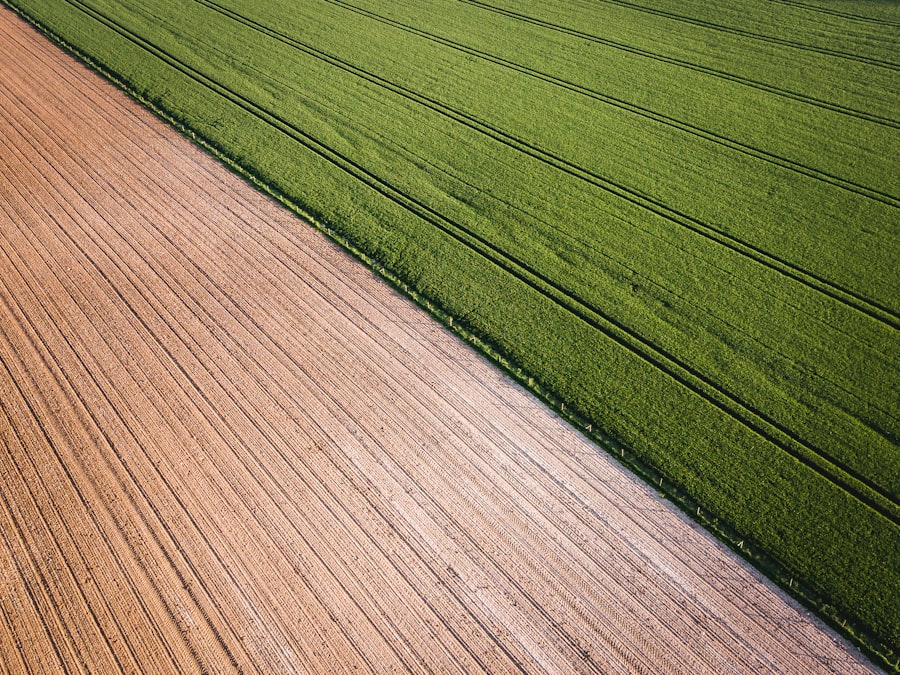
Addressing the farmland housing bubble requires a multi-faceted approach, one that acknowledges the complex interplay of economic, social, and environmental factors. You cannot simply wish this problem away; it demands deliberate and sustained policy intervention.
Land Use Planning and Zoning Reform: Drawing the Lines
Effective land use policies are your primary tools for safeguarding agricultural land and managing development. You must prioritize the preservation of productive farmland.
- Agricultural Land Preservation Programs: You see initiatives like agricultural easements and purchase of development rights (PDR) programs as crucial. These programs compensate landowners for agreeing to keep their land in agricultural use permanently, preventing its conversion to other uses.
- Strict Zoning and Growth Boundaries: Implementing and enforcing strict zoning regulations that designate specific areas for agriculture and limit development can create a clear boundary between urban and rural landscapes. You must resist the constant pressure to expand these boundaries without careful consideration of the long-term consequences.
- Incentives for Infill Development: Rather than sprawling outwards, you can encourage smart growth by incentivizing development within existing urban and suburban areas. This reduces the pressure on surrounding agricultural lands and promotes more efficient use of infrastructure.
Financial and Investment Regulations: Reining in Speculation
To mitigate the speculative forces driving this bubble, you must consider regulatory measures that differentiate between productive investment and mere speculation.
- Taxation on Non-Agricultural Land Transfers: You could explore implementing higher transfer taxes on agricultural land sold for non-agricultural purposes. This would create a disincentive for speculative buying solely for development potential.
- Preferential Funding for Young Farmers: Providing accessible and affordable loans, grants, and subsidies to aspiring and young farmers can help them compete in a market skewed by high land prices. You need to level the playing field, ensuring that those who want to farm can actually afford to do so.
- Transparency in Land Ownership: Requiring greater transparency regarding beneficial land ownership, especially for large corporate or institutional buyers, can shed light on the true nature of investment flows and identify potential speculative activity. You deserve to know who owns the land that feeds you.
The Future You Face: Choices and Consequences
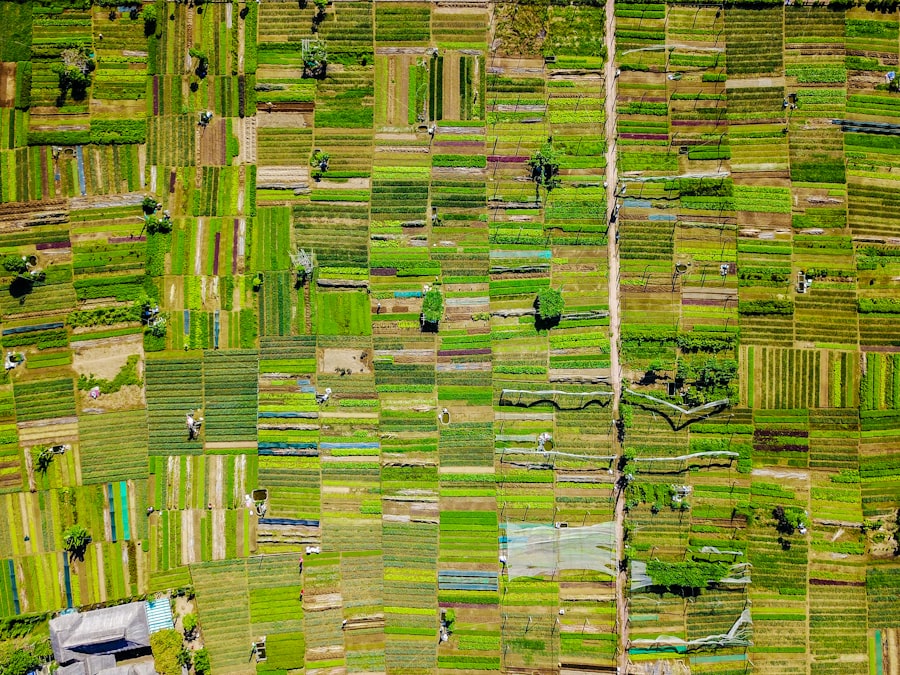
You are at a critical juncture. The trajectory of the farmland housing bubble is not predetermined; it is a direct consequence of the collective decisions made by policymakers, investors, and consumers alike. If left unchecked, this bubble, like a pressure cooker without a release valve, will eventually lead to significant economic and social instability.
You have the power to influence this outcome. By understanding the forces at play, advocating for sensible policies, and supporting local, sustainable agricultural practices, you can contribute to a future where farmland is valued for its life-sustaining productivity, not merely as a speculative asset. The choice is yours: to stand idly by and watch the agricultural landscape be transformed beyond recognition, or to actively engage in shaping a more resilient and equitable food system for generations to come. The health of your future, both literally and economically, hinges on the decisions you make today.
FAQs
What factors are driving the increase in farmland prices?
Farmland prices are rising due to a combination of factors including increased demand for agricultural products, limited availability of arable land, low interest rates, and investment interest from non-traditional buyers such as real estate investors and institutional funds.
How does farmland compare to traditional housing markets in terms of investment risk?
Farmland is generally considered a stable long-term investment because it produces tangible assets and income through crop production. However, like housing markets, farmland prices can be subject to speculative bubbles, influenced by market sentiment, credit availability, and economic conditions.
Why is farmland being referred to as a “new housing bubble”?
Farmland is being called the “new housing bubble” because prices have surged rapidly in some regions, driven by speculative buying and easy credit, similar to the dynamics that led to the housing bubble. This raises concerns about overvaluation and potential price corrections.
What impact could a farmland price bubble have on the agricultural sector?
A farmland price bubble could make it more difficult for farmers to afford land, potentially pushing smaller or new farmers out of the market. If prices correct sharply, it could also affect lenders and investors exposed to farmland assets, leading to financial instability in the sector.
Are there any indicators that suggest a farmland bubble might burst soon?
Indicators include rapid price increases disconnected from agricultural income growth, rising interest rates that increase borrowing costs, and increased speculative activity. Monitoring these factors alongside economic conditions can help assess the risk of a price correction in farmland markets.