
Agricultural land prices have risen significantly in recent years, attracting attention from both traditional farmers and institutional investors seeking stable returns. This increase raises important questions about whether current valuations are sustainable or represent an unsustainable bubble. Several factors drive farmland price increases, including historical trends, government policies, and global agricultural demand.
These elements combine to create conditions that encourage speculation and investment activity. The consequences of potential overvaluation extend beyond financial markets to affect food security, rural economic development, and the viability of farming operations. Analyzing farmland market dynamics requires examining how supply and demand, policy decisions, and international commodity markets influence land values.
Understanding these relationships is essential for assessing whether current price levels reflect genuine agricultural productivity and long-term value, or whether they indicate excessive speculation that could destabilize the sector.
Key Takeaways
- Agricultural land prices have surged due to increased global demand and investor interest.
- Government policies significantly influence farmland price trends and accessibility for farmers.
- Farmers face challenges acquiring land amid rising prices driven by speculative investments.
- The farmland bubble poses risks including market instability and reduced affordability for genuine agricultural use.
- Technology offers potential solutions to help farmers adapt to and mitigate the impact of high land costs.
Historical Trends in Agricultural Land Prices
To grasp the current state of farmland prices, it is essential to look back at historical trends. Over the past few decades, agricultural land has experienced significant fluctuations in value. In the late 20th century, for instance, land prices were relatively stable, but the turn of the millennium marked a shift.
You may notice that from around 2000 onwards, there was a pronounced increase in land values, driven by various economic factors and changing agricultural practices. As you analyze these historical trends, consider how external events such as economic recessions, technological advancements, and shifts in consumer preferences have influenced land prices. For example, the 2008 financial crisis initially led to a dip in prices, but subsequent recovery efforts and increased demand for biofuels and organic produce propelled values to new heights.
This historical context is crucial for understanding the current farmland bubble and its potential implications for the future. Investing in farmland investment can provide sustainable returns and long-term growth opportunities.
Factors Contributing to the Surge in Agricultural Land Prices
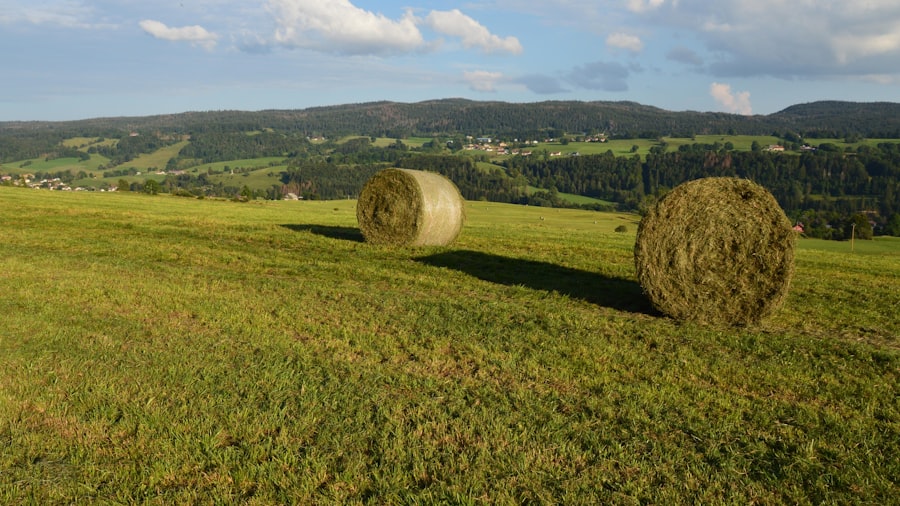
Several key factors have converged to drive up agricultural land prices in recent years. One of the most significant contributors is the increasing global demand for food. As the world’s population continues to grow, so does the need for agricultural production.
You may find it interesting that this demand is not only driven by population growth but also by changing dietary preferences in emerging economies. The shift towards more protein-rich diets has placed additional pressure on agricultural systems, leading to heightened competition for arable land. Another factor worth considering is the low-interest-rate environment that has persisted since the global financial crisis.
With borrowing costs at historic lows, investors have been more inclined to purchase farmland as a means of diversifying their portfolios. This influx of capital into the agricultural sector has further fueled price increases, creating a cycle where rising prices attract even more investment. As you reflect on these factors, it becomes clear that the surge in agricultural land prices is not merely a localized phenomenon but rather a complex interplay of global economic forces.
Impact of Government Policies on Farmland Prices
Government policies play a pivotal role in shaping farmland prices and can either exacerbate or mitigate the effects of a bubble. Subsidies and incentives aimed at promoting agricultural production can lead to increased demand for land, driving prices higher. For instance, programs that support biofuel production or conservation efforts can create a sense of urgency among farmers and investors alike to acquire more land.
You might consider how these policies can inadvertently contribute to speculative behavior in the market. Conversely, regulatory measures aimed at curbing speculation can help stabilize farmland prices. Zoning laws and land-use regulations can limit the amount of land available for purchase, thereby controlling price inflation.
As you examine these policies, think about how they can create a delicate balance between encouraging agricultural growth and preventing unsustainable price surges. The role of government in this context is multifaceted and requires careful consideration of both short-term and long-term impacts on the agricultural landscape.
Effects of Global Demand for Agricultural Products
| Metric | Description | Example Value | Relevance to Farmland Bubble |
|---|---|---|---|
| Farmland Price Growth Rate | Annual percentage increase in farmland prices | 8-12% | Rapid price increases may indicate a bubble |
| Farmland Price to Income Ratio | Ratio of farmland price to average farm income | 15-25 | High ratios suggest overvaluation |
| Farmland Price to Crop Yield Ratio | Ratio of farmland price to annual crop yield value | 20-30 | Higher ratios may signal speculative pricing |
| Interest Rates | Cost of borrowing money for farmland purchase | 3-5% | Low rates can fuel farmland price increases |
| Investment Demand | Percentage of farmland purchased by investors vs. farmers | 30-40% | High investor demand can inflate prices beyond fundamentals |
| Farmland Rental Rates | Annual rental income per acre | Variable by region | Disparity between rental rates and land prices may indicate bubble |
| Credit Availability | Ease of obtaining loans for farmland purchase | High | Easy credit can contribute to price inflation |
The global demand for agricultural products is a driving force behind rising farmland prices. As you explore this topic, consider how international trade agreements and market access influence local farming practices and land values. Countries that are able to export their agricultural goods often see increased investment in their farming sectors, leading to higher land prices as farmers seek to expand their operations to meet global demand.
Moreover, you may find it intriguing that emerging markets are becoming increasingly influential in shaping global agricultural trends. Nations such as China and India are not only expanding their domestic production but are also looking to secure food supplies through investments in foreign farmland. This trend creates a competitive landscape where local farmers must navigate not only domestic pressures but also international market dynamics that can significantly impact land values.
Role of Investors in Driving Up Farmland Prices

Investors have emerged as key players in the farmland market, contributing significantly to rising prices. You may notice that institutional investors, pension funds, and private equity firms are increasingly viewing farmland as a stable asset class with potential for long-term appreciation. This influx of capital has led to heightened competition for available land, pushing prices upward.
As you consider the motivations behind this investment trend, think about how factors such as inflation hedging and diversification strategies play into investors’ decisions. Farmland is often perceived as a safe haven during economic uncertainty, making it an attractive option for those looking to protect their wealth. However, this investor interest can create challenges for traditional farmers who may struggle to compete with deep-pocketed buyers willing to pay premium prices for land.
Challenges Faced by Farmers in Acquiring Agricultural Land
For many farmers, acquiring agricultural land has become increasingly challenging due to rising prices and competitive pressures from investors. You might empathize with the plight of new entrants into farming who face significant barriers when trying to secure land for their operations. The escalating costs can deter young farmers from entering the industry altogether, leading to concerns about the future sustainability of agriculture.
Additionally, established farmers may find themselves at a crossroads as they consider expanding their operations or passing down their farms to the next generation. The financial strain associated with purchasing additional land can create uncertainty about the viability of their businesses. As you reflect on these challenges, it becomes evident that access to affordable farmland is critical not only for individual farmers but also for the overall health of the agricultural sector.
Potential Risks and Consequences of the Farmland Bubble
The emergence of a farmland bubble carries inherent risks that could have far-reaching consequences for both farmers and investors alike. You may ponder what might happen if land prices were to suddenly decline due to market corrections or shifts in demand. Such a scenario could leave many investors facing significant losses while also jeopardizing the financial stability of farmers who have over-leveraged themselves in pursuit of expansion.
Moreover, the social implications of a farmland bubble cannot be overlooked. As prices soar, there is a risk that small-scale farmers will be pushed out of business, leading to increased consolidation within the agricultural sector. This trend could result in fewer family-owned farms and greater reliance on large agribusinesses, which may not align with community values or sustainable practices.
As you contemplate these potential risks, consider how they could reshape the agricultural landscape for generations to come.
Strategies for Farmers to Navigate the Agricultural Land Price Surge
In light of rising farmland prices, farmers must adopt strategic approaches to navigate this challenging environment effectively. One potential strategy involves exploring alternative financing options that allow them to acquire land without overextending themselves financially. You might find it beneficial for farmers to collaborate with local cooperatives or community organizations that can provide support in securing funding or accessing shared resources.
Additionally, diversifying income streams can help mitigate risks associated with fluctuating land prices. Farmers may consider incorporating value-added products or agritourism into their operations as a means of generating additional revenue. By thinking creatively about their business models, farmers can enhance their resilience in an increasingly competitive market while also positioning themselves for long-term success.
The Role of Technology in Mitigating the Impact of Rising Farmland Prices
Technology has emerged as a powerful tool that can help farmers adapt to rising farmland prices and improve their overall efficiency. You may be intrigued by how advancements in precision agriculture enable farmers to optimize their use of resources while maximizing yields on existing land. By leveraging data analytics and innovative farming techniques, farmers can enhance productivity without necessarily needing to acquire additional acreage.
Furthermore, technology can facilitate better access to information regarding market trends and pricing dynamics. Farmers who stay informed about current conditions are better equipped to make strategic decisions regarding land acquisition or expansion plans. As you explore this intersection between technology and agriculture, consider how embracing innovation can empower farmers to thrive even amidst rising costs.
Future Outlook for the Agricultural Land Market
Looking ahead, the future outlook for the agricultural land market remains uncertain yet filled with potential opportunities and challenges. As you contemplate what lies ahead, consider how ongoing global trends such as climate change and shifting consumer preferences will continue to shape demand for agricultural products and subsequently influence land prices. Moreover, you may find it essential to monitor government policies and regulatory changes that could impact farmland values in both positive and negative ways.
The interplay between market forces and policy decisions will be crucial in determining whether we are heading toward a sustainable equilibrium or if we are on a trajectory toward further price volatility. In conclusion, understanding the complexities surrounding the farmland bubble requires careful consideration of historical trends, economic factors, and social implications. As you navigate this intricate landscape, remember that both challenges and opportunities exist within this dynamic market—an awareness that will serve you well as you engage with the future of agriculture.
The concept of the farmland bubble has garnered significant attention in recent years, particularly as investors seek stable assets in an uncertain economic climate. For a deeper understanding of the factors contributing to this phenomenon, you can read a related article that explores the dynamics of agricultural investments and their implications for the market. Check it out here: howwealthgrows.
com/sample-page/’>Understanding the Farmland Bubble.
WATCH THIS! The Gold Rush is Over. Now, the Dirt Rush is ON. 🚜💰
FAQs
What is the farmland bubble?
A farmland bubble refers to a situation where the prices of agricultural land increase rapidly and to levels that are not supported by the underlying economic fundamentals, such as crop yields, commodity prices, or rental income. This can lead to an unsustainable market condition that may eventually correct sharply.
What causes a farmland bubble?
A farmland bubble can be caused by factors such as increased demand for agricultural land, low interest rates, speculative investment, government policies, and rising commodity prices. When these factors drive prices beyond the land’s productive value, a bubble may form.
How can you identify a farmland bubble?
Indicators of a farmland bubble include rapid and sustained increases in land prices, prices significantly outpacing agricultural income or rental returns, increased speculative buying, and a disconnect between land values and agricultural productivity.
What are the risks associated with a farmland bubble?
Risks include a sudden drop in land prices, financial losses for investors and farmers, reduced access to affordable land for new farmers, and potential negative impacts on the agricultural economy and rural communities.
Has there been a farmland bubble in recent history?
Yes, certain regions have experienced farmland bubbles at various times, often linked to commodity booms or speculative investment trends. The specifics vary by country and market conditions.
How does a farmland bubble affect farmers?
A farmland bubble can make it more expensive for farmers to buy or lease land, increasing their financial burden. If the bubble bursts, farmers who purchased land at inflated prices may face significant losses.
Can farmland bubbles impact food prices?
Indirectly, yes. If a bubble leads to reduced agricultural production due to high land costs or financial instability among farmers, it can affect food supply and potentially increase food prices.
What measures can prevent or mitigate farmland bubbles?
Measures include improved market transparency, regulation of speculative land purchases, policies supporting sustainable land values, and financial tools that align land prices with agricultural productivity.