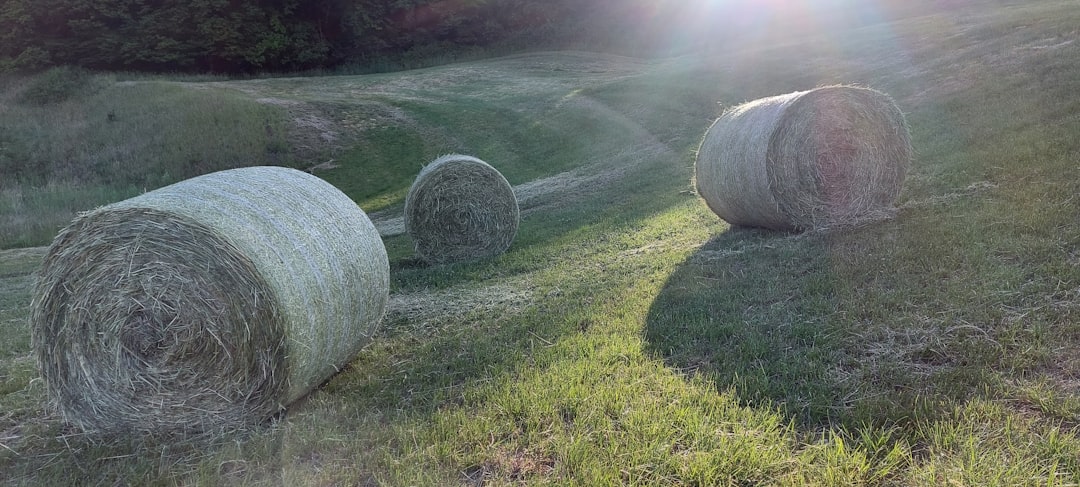
The farmland bubble occurs when agricultural land prices rise beyond sustainable levels due to speculation and demand that exceeds the land’s intrinsic value. This creates a gap between the actual productivity of farmland and its market price, raising concerns about the long-term viability of agricultural investments. The farmland bubble affects farmers, consumers, and the broader economy.
The farmland bubble is characterized by inflated land prices that do not align with underlying economic fundamentals. Several factors contribute to this phenomenon, including low interest rates, increased agricultural investment, and speculative purchasing. These dynamics create a precarious situation where landowners may face financial distress if prices decline, potentially causing widespread disruption throughout the agricultural sector.
Investing in farmland investment can provide sustainable returns and long-term growth opportunities.
Key Takeaways
- The farmland bubble refers to the rapid and unsustainable increase in farmland prices driven by various economic and policy factors.
- Key contributors include low interest rates, increased investment demand, and government subsidies.
- The bubble has led to higher costs for farmers, impacting agricultural production and food prices.
- Small-scale farmers face significant challenges due to inflated land prices, risking their viability.
- Addressing the bubble requires policy reforms, improved market transparency, and support for sustainable farming practices.
How did the farmland bubble develop?
The development of the farmland bubble can be traced back to a combination of economic trends and shifts in agricultural practices. In recent years, you may have noticed a surge in interest in agricultural investments, driven by a growing global population and increasing demand for food. This heightened interest has led to a significant influx of capital into the agricultural sector, with investors seeking to capitalize on rising land values.
As more money flowed into farmland, prices began to escalate rapidly, creating an environment ripe for speculation. Additionally, advancements in technology and farming practices have contributed to the allure of farmland as an investment. You might have observed how innovations in precision agriculture and biotechnology have increased crop yields, making farmland seem like a more attractive asset.
However, this perception can be misleading, as it often overlooks the inherent risks associated with agricultural production, such as climate change and market volatility. As these factors converged, they laid the groundwork for the farmland bubble to take shape.
Factors contributing to the farmland bubble
Several key factors have played a role in fueling the farmland bubble. One of the most significant contributors is the availability of cheap credit. With interest rates at historic lows, you may have noticed that borrowing costs for purchasing land have decreased dramatically.
This has encouraged both individual investors and institutional players to enter the market, driving up demand and consequently prices. The ease of access to financing has created an environment where speculative buying can thrive. Another factor is the increasing institutional investment in agriculture.
You might be aware that pension funds, private equity firms, and other large investors have begun to view farmland as a stable asset class that can provide consistent returns. This influx of institutional capital has further intensified competition for available land, pushing prices higher. Additionally, global economic trends, such as rising commodity prices and increased interest in sustainable agriculture, have also contributed to the perception that farmland is a sound investment.
Effects of the farmland bubble on the agricultural industry
The effects of the farmland bubble on the agricultural industry are multifaceted and can be both positive and negative. On one hand, rising land prices can lead to increased wealth for existing landowners, allowing them to reinvest in their operations or expand their holdings. You may see some farmers using their increased equity to upgrade equipment or adopt new technologies that enhance productivity.
This can create a cycle of growth within certain segments of the agricultural sector.
As land prices soar, many aspiring farmers or small-scale operators find it increasingly difficult to enter the market.
You might empathize with those who dream of owning their own farm but are priced out due to inflated land values. This can lead to a consolidation of farms into larger operations, reducing diversity within the agricultural landscape and potentially stifling innovation from smaller players.
Impact of the farmland bubble on food prices
| Metric | Description | Example Value | Impact on Farmland Bubble |
|---|---|---|---|
| Farmland Price Growth Rate | Annual percentage increase in farmland prices | 15% | Rapid growth can indicate a bubble forming |
| Interest Rates | Cost of borrowing money to buy farmland | 5% | Higher rates reduce demand, increasing crash risk |
| Rental Yield | Annual rental income as a percentage of farmland price | 2% | Low yields suggest prices are overvalued |
| Farmland Debt Levels | Amount of debt farmers use to finance land purchases | High | High debt increases vulnerability to price drops |
| Commodity Prices | Prices of crops produced on farmland | Moderate to Low | Lower commodity prices reduce farmland profitability |
| Supply of Farmland | Amount of farmland available for sale | Increasing | More supply can lead to price declines |
| Investor Speculation | Level of non-farmer investment in farmland | High | Speculation can inflate prices beyond fundamentals |
The relationship between the farmland bubble and food prices is complex and often indirect. As you consider this connection, it becomes clear that rising land prices can lead to increased production costs for farmers. When land becomes more expensive, farmers may need to charge higher prices for their products to maintain profitability.
This can ultimately translate into higher food prices for consumers like yourself. Moreover, if the farmland bubble bursts and land values decline sharply, you may witness a wave of financial distress among farmers who are unable to cover their debts. This could lead to reduced production capacity and supply chain disruptions, further exacerbating food price volatility.
The interconnectedness of these factors highlights how fluctuations in farmland values can ripple through the entire food system, affecting everything from farm gate prices to grocery store shelves.
The role of government policies in the farmland bubble
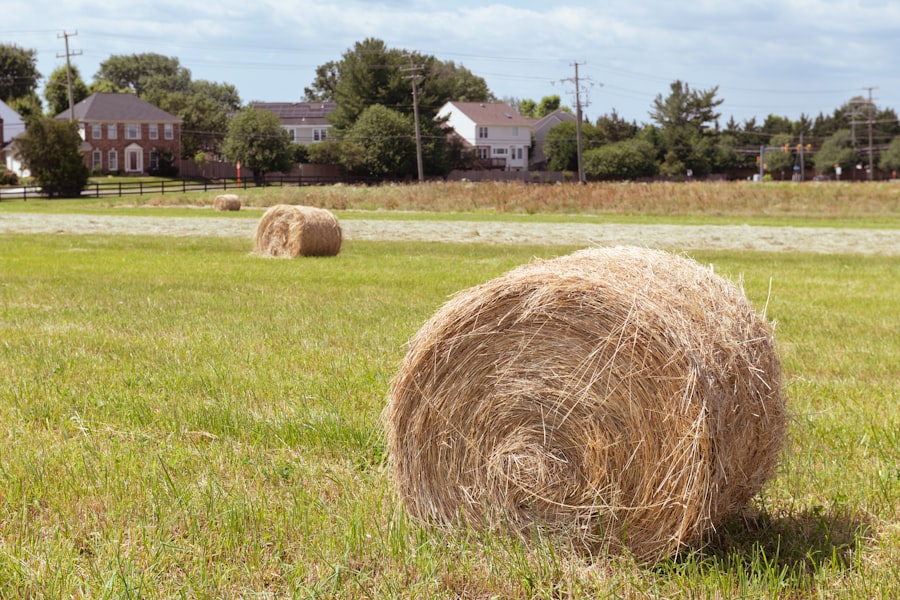
Government policies play a crucial role in shaping the dynamics of the farmland market. You may have noticed that subsidies and incentives aimed at promoting agricultural production can inadvertently contribute to rising land prices. For instance, programs designed to support farmers may encourage more investment in land, driving up demand and consequently prices.
This creates a paradox where well-intentioned policies can exacerbate the very issues they seek to address. Additionally, zoning regulations and land use policies can influence how farmland is valued. If you live in an area where agricultural land is under pressure from urban development, you might see land values soar as investors anticipate future growth potential.
This speculation can further inflate prices beyond what is sustainable for actual agricultural use. Understanding these policy implications is essential for grasping how government actions can either mitigate or exacerbate the farmland bubble.
Risks associated with the farmland bubble
Investing in farmland during a bubble carries inherent risks that you should be aware of. One significant risk is market correction; when prices eventually adjust to more realistic levels, many investors could face substantial losses. If you were to invest in farmland at inflated prices, you might find yourself in a precarious financial situation if values decline sharply.
As you consider the future of agriculture, it’s important to recognize that extreme weather events and changing climate patterns can impact crop yields and land productivity. If you were an investor banking on high returns from farmland during a bubble, unexpected environmental challenges could jeopardize your investment’s viability.
How the farmland bubble affects small-scale farmers
Small-scale farmers often bear the brunt of the consequences stemming from a farmland bubble. As land prices escalate, you may find that these farmers struggle to compete with larger operations or institutional investors who have greater financial resources at their disposal. This dynamic can lead to a concentration of land ownership among a few large entities while pushing smaller farmers out of business.
Moreover, small-scale farmers may face increased pressure to sell their land as they encounter rising costs associated with leasing or purchasing additional acreage. You might empathize with those who have dedicated their lives to farming but find themselves unable to sustain their operations due to inflated land values. The loss of small farms not only impacts individual livelihoods but also threatens rural communities and local food systems.
Potential solutions to address the farmland bubble
Addressing the challenges posed by the farmland bubble requires a multifaceted approach that considers both market dynamics and social equity. One potential solution is implementing policies that promote affordable access to land for aspiring farmers. You might support initiatives such as community land trusts or cooperative ownership models that allow multiple individuals to share resources and collectively invest in farmland.
Additionally, enhancing financial literacy among farmers could empower them to make informed decisions regarding land purchases and investments. By providing education on sustainable farming practices and financial management, you could help small-scale farmers navigate the complexities of an inflated market while fostering resilience within their operations.
The farmland bubble and its connection to the housing market
The connection between the farmland bubble and the housing market is an intriguing aspect worth exploring. As urban areas expand and populations grow, you may notice that demand for housing often encroaches upon agricultural land. This competition for space can drive up land prices across both sectors, creating a feedback loop where rising housing costs further inflate farmland values.
Moreover, speculative investment in both housing and agriculture can lead to similar patterns of price escalation driven by investor sentiment rather than fundamental value. If you were to analyze these trends closely, you might find that fluctuations in one market can significantly impact the other, highlighting the interconnectedness of real estate markets.
The future of the farmland bubble and its implications for the agricultural sector
Looking ahead, the future of the farmland bubble remains uncertain but carries significant implications for the agricultural sector as a whole. As you consider potential scenarios, it becomes clear that continued speculation could lead to further price inflation or even a catastrophic market correction if investor confidence wanes. In this context, fostering sustainable agricultural practices and promoting equitable access to land will be crucial for ensuring long-term stability within the sector.
You might envision a future where policies prioritize small-scale farmers and encourage responsible investment strategies that align with community needs rather than short-term profits. Ultimately, addressing the challenges posed by the farmland bubble will require collaboration among stakeholders across various sectors to create a more resilient agricultural landscape for generations to come.
The farmland bubble crash is a complex issue that can be better understood by exploring related economic factors and trends. For a simplified explanation of how these dynamics work, you can read more in this article: Understanding Economic Bubbles and Their Impact on Farmland. This resource breaks down the key elements contributing to the farmland market fluctuations and offers insights into the potential consequences of a bubble burst.
WATCH THIS! The Gold Rush is Over. Now, the Dirt Rush is ON. 🚜💰
FAQs
What is a farmland bubble?
A farmland bubble occurs when the prices of agricultural land rise rapidly and to levels that are unsustainable based on the land’s actual productive value or income potential. This can be driven by speculation, low interest rates, or increased demand for farmland.
What causes a farmland bubble to crash?
A farmland bubble crash happens when the inflated land prices suddenly drop, often due to changes in economic conditions such as rising interest rates, reduced demand for farmland, lower commodity prices, or tighter credit availability. This leads to a sharp decline in land values.
How does a farmland bubble affect farmers?
During a bubble, farmers may face higher costs to purchase or lease land, which can reduce profitability. If the bubble crashes, farmers who bought land at high prices may experience financial losses, increased debt, or difficulty refinancing loans.
Can a farmland bubble impact the broader economy?
Yes, a farmland bubble crash can affect the broader economy by reducing wealth for landowners, decreasing agricultural investment, and potentially leading to loan defaults that impact banks and lenders involved in agricultural financing.
How can investors identify a farmland bubble?
Investors can look for signs such as rapid and unsustainable increases in land prices, prices that far exceed the land’s income-generating potential, increased speculative buying, and changes in lending standards that make borrowing easier.
What measures can help prevent a farmland bubble crash?
Preventive measures include careful lending practices, monitoring land price trends relative to agricultural income, promoting transparency in land transactions, and policies that discourage speculative buying.
Is farmland a safe investment during a bubble?
Farmland can be risky during a bubble because prices may be artificially high and subject to sudden declines. Investors should assess the underlying fundamentals and be cautious of market conditions that suggest a bubble.
How does farmland value relate to agricultural commodity prices?
Farmland values often correlate with commodity prices because higher crop prices can increase farm income and land profitability, supporting higher land values. Conversely, falling commodity prices can reduce land values.
What role do interest rates play in farmland bubbles?
Low interest rates can encourage borrowing and increase demand for farmland, driving up prices. When interest rates rise, borrowing costs increase, which can reduce demand and trigger a price correction or crash.
Can farmland bubbles occur globally or are they region-specific?
Farmland bubbles can occur in any region where land prices become disconnected from agricultural fundamentals. However, the causes and impacts may vary depending on local economic conditions, policies, and market dynamics.