
In recent years, a significant transformation has occurred in mid-market housing, a segment traditionally serving diverse income levels. This shift represents broader economic trends and societal changes reshaping urban landscapes globally. As cities evolve, demand for affordable and accessible housing has intensified, creating a complex interplay of factors affecting mid-market home availability and affordability.
Understanding these dynamics is essential for comprehending urban living patterns and housing futures. The mid-market housing sector currently faces tension between increasing demand and decreasing supply. This imbalance is intensified by external factors including gentrification, technology company expansion, and restrictive zoning regulations.
Each factor significantly influences mid-market housing development, necessitating thorough analysis of their implications. Examining these elements provides valuable insights into the challenges and opportunities facing mid-market housing and its residents.
Key Takeaways
- Mid-market housing is shrinking due to gentrification and rising demand from tech employees.
- Zoning laws and short-term rentals reduce the availability of mid-market housing units.
- Low-income residents face displacement as mid-market neighborhoods become less affordable.
- The loss of mid-market housing negatively impacts local businesses and community diversity.
- Preserving affordable mid-market housing requires strategic policies addressing both supply and demand.
The Impact of Gentrification on Mid-Market Housing
Gentrification has emerged as a double-edged sword in the realm of mid-market housing. On one hand, it can lead to revitalization and investment in neighborhoods that have long been overlooked. You might witness new businesses opening, parks being renovated, and public services improving as wealthier residents move in.
However, this influx often comes at a steep price for existing residents, particularly those from lower-income backgrounds. As property values rise, so too do rents, pushing many long-time residents out of their homes and altering the very fabric of the community. The impact of gentrification on mid-market housing is particularly pronounced in urban areas where demand for housing is high.
You may find that neighborhoods once considered affordable are now becoming exclusive enclaves for higher-income individuals. This shift not only displaces low-income families but also erodes the diversity that makes these neighborhoods vibrant.
Rising Demand: The Influence of Tech Companies and Employees
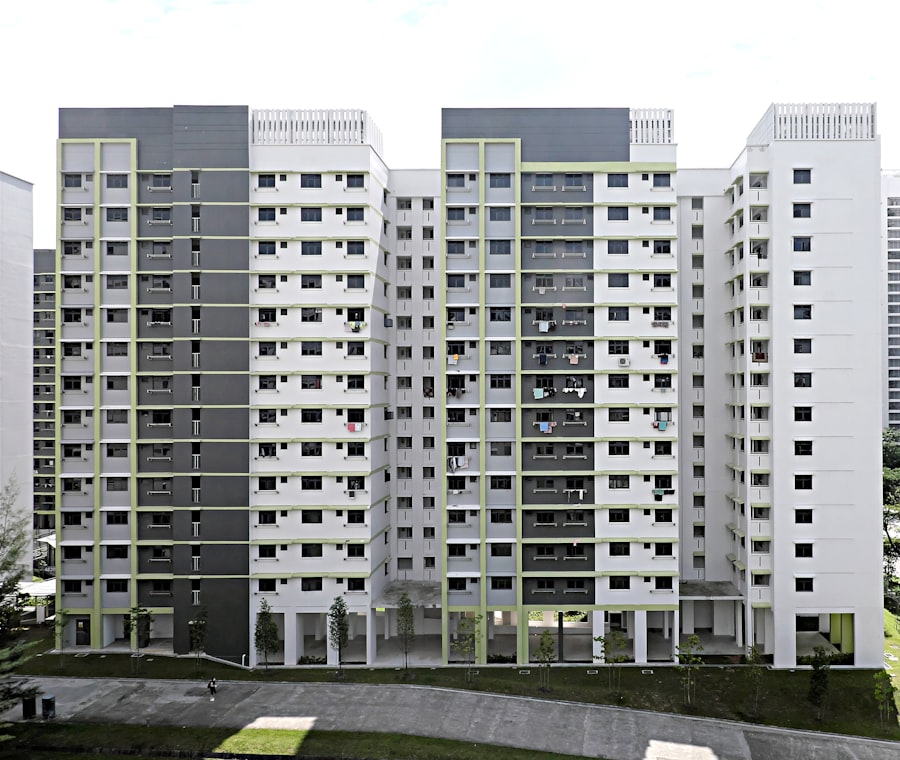
The rise of tech companies has significantly influenced the demand for mid-market housing in urban areas. As these companies expand and attract a highly skilled workforce, you may notice an influx of employees seeking housing options that fit their budgets yet offer proximity to work. This demand has created a competitive market where mid-market housing becomes increasingly sought after, often leading to bidding wars and inflated prices.
The tech industry’s growth has not only changed the economic landscape but has also reshaped the demographics of neighborhoods, as young professionals flock to areas with vibrant social scenes and convenient amenities. As you observe this trend, it’s essential to recognize that the influence of tech companies extends beyond mere employment opportunities. These firms often bring with them a culture that prioritizes innovation and modern living, which can lead to a demand for housing that reflects these values.
You might find that developers are responding by creating high-end apartments or luxury condos rather than focusing on mid-market options. This shift can leave many potential residents struggling to find suitable housing within their financial means, further exacerbating the challenges faced by those seeking affordable options in an increasingly competitive market.
Decreasing Supply: The Challenges of Building Mid-Market Housing
The challenges associated with building mid-market housing are multifaceted and deeply rooted in economic realities. You may be aware that construction costs have risen dramatically in recent years due to factors such as labor shortages, increased material prices, and regulatory hurdles. These rising costs make it difficult for developers to create housing that remains affordable for middle-income families while still being financially viable for themselves.
As a result, many developers may opt to build luxury units instead, which promise higher returns on investment. Moreover, the lengthy approval processes required for new construction can deter potential developers from pursuing mid-market projects altogether. You might find that zoning regulations and community opposition often complicate efforts to build new housing units.
These barriers can lead to a stagnation in supply, leaving many individuals and families without viable options in the mid-market segment. As you consider these challenges, it becomes evident that addressing the supply issue requires innovative solutions and collaboration among various stakeholders, including government entities, developers, and community organizations.
The Role of Zoning Laws in Mid-Market Housing Disappearance
| Factor | Description | Impact on Mid-Market Housing | Example Metrics |
|---|---|---|---|
| Rising Construction Costs | Increased prices for materials and labor | Developers build fewer affordable homes, focusing on luxury or low-income housing | Material cost increase: 15% per year; Labor cost increase: 10% per year |
| Zoning and Land Use Regulations | Restrictions on density and building types | Limits on mid-sized developments reduce mid-market housing supply | Average lot size minimum: 7,000 sq ft; Max units per acre: 4 |
| Market Demand Shifts | Higher demand for luxury and affordable housing segments | Mid-market homes become less profitable and less available | Luxury home sales growth: 12%; Affordable housing demand growth: 8% |
| Investor Preferences | Preference for high-end or subsidized housing investments | Mid-market housing projects receive less funding | Investment in luxury housing: 60%; Investment in mid-market: 20% |
| Income Inequality | Widening gap between high and low-income households | Reduced middle-income population shrinks mid-market housing demand | Middle-income households decline: 10% over 5 years |
Zoning laws play a critical role in shaping the availability of mid-market housing in urban areas. These regulations dictate how land can be used and what types of buildings can be constructed, often prioritizing single-family homes or high-density luxury developments over more affordable options. You may find that restrictive zoning laws limit the ability to build multi-family units or mixed-use developments that could provide much-needed mid-market housing.
This situation creates a bottleneck effect where demand continues to rise while supply remains stagnant. As you explore this issue further, it becomes clear that reforming zoning laws could be a key strategy for addressing the mid-market housing crisis. By allowing for greater flexibility in land use and encouraging diverse housing types, cities could foster an environment where mid-market options thrive.
You might also consider how community engagement in the zoning process can lead to more equitable outcomes, ensuring that the voices of current residents are heard and considered in decisions that affect their neighborhoods.
The Effect of Short-Term Rentals on Mid-Market Housing Availability
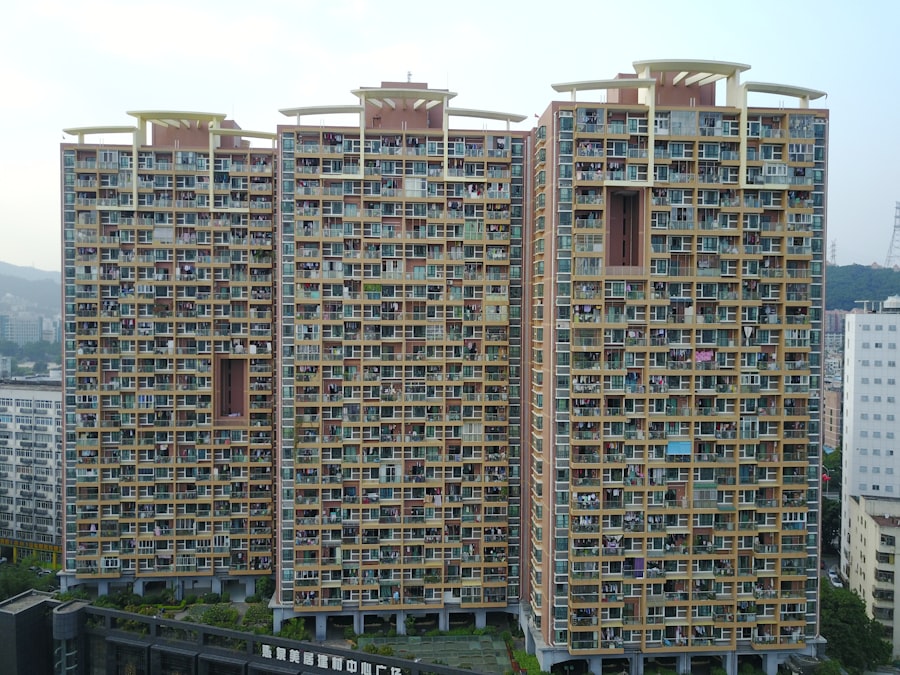
The rise of short-term rental platforms like Airbnb has introduced another layer of complexity to the mid-market housing landscape. You may have noticed that many property owners are opting to convert their homes into short-term rentals rather than renting them out long-term. This trend can significantly reduce the availability of mid-market housing options for residents seeking stable living arrangements.
As more properties are taken off the long-term rental market, you might find it increasingly challenging to secure affordable housing in desirable neighborhoods.
As you consider the implications of this trend, it becomes evident that regulating short-term rentals could be an essential step toward preserving mid-market housing stock.
By implementing policies that encourage responsible short-term rental practices while protecting long-term rental availability, cities can strike a balance between tourism and resident needs.
The Displacement of Low-Income Residents in Mid-Market Neighborhoods
The displacement of low-income residents from mid-market neighborhoods is one of the most pressing consequences of the ongoing housing crisis. As property values rise due to gentrification and increased demand from higher-income individuals, you may witness long-time residents being forced out of their homes due to skyrocketing rents or property taxes. This displacement not only disrupts families but also erodes community ties and cultural heritage, leaving behind neighborhoods that lack diversity and inclusivity.
As you reflect on this issue, it’s important to recognize the human cost associated with displacement. Families who have lived in these neighborhoods for generations often find themselves uprooted and struggling to find affordable alternatives elsewhere. This situation can lead to increased stress and instability for those affected, as they navigate the challenges of relocation while trying to maintain their livelihoods.
Addressing displacement requires a multifaceted approach that includes tenant protections, affordable housing initiatives, and community support systems designed to help those at risk.
The Consequences of Mid-Market Housing Disappearance on Local Businesses
The disappearance of mid-market housing has far-reaching consequences not only for residents but also for local businesses that rely on a stable customer base. As you observe neighborhoods undergoing rapid change, you may notice that many small businesses struggle to survive amid rising rents and shifting demographics. When long-time residents are displaced, they take with them their patronage and support for local shops, restaurants, and services that have been integral to the community’s identity.
Moreover, as higher-income individuals move into these areas, you might find that local businesses begin catering primarily to this new demographic rather than maintaining their focus on serving existing residents. This shift can lead to a homogenization of local commerce, where unique shops are replaced by chain stores or luxury boutiques that do not reflect the needs or preferences of the original community members. To preserve the vibrancy of local economies, it is essential to consider how mid-market housing policies can support both residents and businesses alike.
Strategies for Preserving Mid-Market Housing Stock
Preserving mid-market housing stock requires innovative strategies that address both supply and demand challenges while ensuring equitable access for all residents. One approach could involve incentivizing developers to create affordable units through tax credits or grants aimed at reducing construction costs. You might also consider how public-private partnerships can facilitate the development of mixed-income communities that include a range of housing options catering to different income levels.
Additionally, implementing policies that protect existing tenants from displacement is crucial for maintaining stability within mid-market neighborhoods. Rent control measures or tenant protection laws can help safeguard vulnerable populations from sudden rent increases while providing them with greater security in their living situations. As you explore these strategies further, it becomes clear that collaboration among government agencies, community organizations, and private developers is essential for creating sustainable solutions that benefit everyone involved.
The Importance of Affordable Housing in Mid-Market Neighborhoods
Affordable housing plays a vital role in maintaining the health and diversity of mid-market neighborhoods. You may recognize that when individuals and families have access to stable housing options within their financial means, they are better positioned to contribute positively to their communities. Affordable housing fosters social cohesion by allowing people from various backgrounds to coexist and share resources while promoting economic stability through increased consumer spending.
Moreover, affordable housing can serve as a buffer against displacement caused by gentrification or rising property values. By ensuring that a portion of available units remains accessible to low- and middle-income families, cities can help preserve the character and vibrancy of neighborhoods while supporting local businesses and services. As you consider the importance of affordable housing within mid-market areas, it becomes evident that prioritizing these initiatives is essential for fostering inclusive communities where everyone has an opportunity to thrive.
Addressing the Supply and Demand Dilemma in Mid-Market Housing
In conclusion, addressing the supply and demand dilemma in mid-market housing requires a comprehensive understanding of the various factors at play. From gentrification and rising demand driven by tech companies to decreasing supply due to construction challenges and zoning laws, each element contributes to an increasingly complex landscape. As you reflect on these issues, it becomes clear that collaborative efforts among stakeholders—government officials, developers, community organizations, and residents—are essential for creating sustainable solutions.
By prioritizing policies that promote affordable housing development while protecting existing residents from displacement, cities can work toward preserving the diversity and vibrancy of mid-market neighborhoods. As you engage with this topic further, consider how your own community can take proactive steps toward addressing these challenges while fostering an environment where everyone has access to safe and affordable housing options. The future of mid-market housing depends on our collective commitment to finding innovative solutions that balance supply with demand while ensuring equitable access for all residents.
The phenomenon of mid-market housing disappearing has been a topic of increasing concern, as it impacts affordability and accessibility for many families. A related article that delves into the factors contributing to this trend can be found at How Wealth Grows. This resource provides insights into the economic and social dynamics that are reshaping the housing market, making it essential reading for anyone interested in understanding the complexities of mid-market housing.
WATCH THIS! They’re Hiding This From You About Your Rent 🏢
FAQs
What is mid-market housing?
Mid-market housing refers to residential properties that are priced between affordable housing and luxury homes. These homes are typically targeted at middle-income buyers who do not qualify for subsidized housing but cannot afford high-end real estate.
Why is mid-market housing disappearing?
Mid-market housing is disappearing due to several factors, including rising construction costs, increased land prices, zoning restrictions, and a focus on either high-end developments or affordable housing subsidies. These factors reduce the incentives for developers to build homes in the mid-price range.
How do zoning laws affect mid-market housing availability?
Zoning laws can limit the types and densities of housing that can be built in certain areas. Restrictive zoning often favors single-family homes or luxury developments, making it difficult to create more affordable, mid-market housing options.
What role do construction costs play in the decline of mid-market housing?
Rising costs for materials, labor, and land increase the overall expense of building homes. Developers may find it financially unfeasible to build mid-market homes because the profit margins are smaller compared to luxury properties, leading to fewer mid-market units being developed.
How does the disappearance of mid-market housing impact communities?
The loss of mid-market housing can lead to increased economic segregation, reduced diversity, and longer commutes for middle-income workers who must live farther from job centers. It can also strain affordable housing resources and contribute to housing market imbalances.
Are there policy solutions to preserve or increase mid-market housing?
Yes, potential solutions include revising zoning laws to allow for higher-density and mixed-use developments, offering incentives or subsidies to developers for mid-market projects, and implementing land-use reforms to reduce costs and barriers to construction.
Is the disappearance of mid-market housing a global issue?
While the extent varies by region, many urban areas worldwide face challenges in maintaining mid-market housing due to similar economic and regulatory pressures, making it a common concern in housing policy discussions.