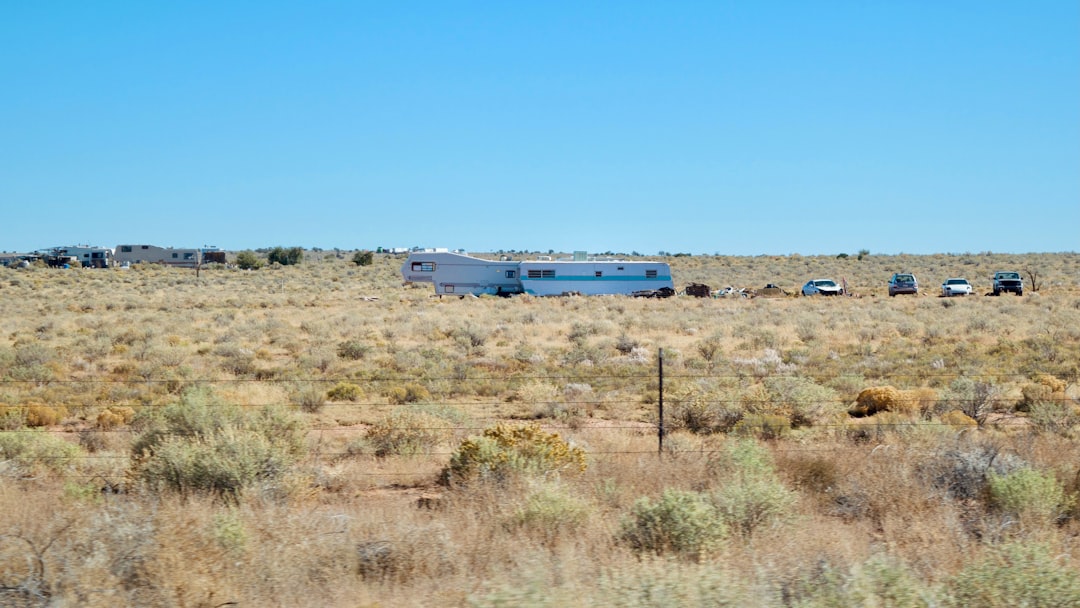
You’ve likely driven past them, a cluster of manufactured housing nestled on the outskirts of town, perhaps a patchwork of neatly kept lawns and a few slightly weathered facades. These are your mobile home parks, once a vibrant segment of the housing market, offering accessible and affordable homes to a significant portion of the population. Yet, a chilling wind of decline is sweeping through these communities, and the root cause, for the most part, is a stark and persistent lack of investment.
To understand the present decay, you must first appreciate the past vitality. Mobile home parks, or manufactured housing communities as they are more formally known, emerged as a crucial response to housing shortages and affordability crises throughout the 20th century. They offered a more attainable path to homeownership than traditional stick-built houses, particularly for lower and middle-income families. Imagine them as sturdy lifeboats, launched to rescue those struggling to stay afloat in the turbulent seas of housing costs.
The Post-War Boom and the Rise of Manufactured Housing
Following World War II, a burgeoning population and a demand for housing of all types fueled the growth of the manufactured housing industry. These homes, factory-built with greater efficiency and at lower costs, found a natural home in dedicated parks. These parks provided the necessary infrastructure – roads, utilities, and a sense of community – making the purchase of a mobile home a practical and appealing choice. You could, in essence, buy a home without the overwhelming burden of expensive land acquisition in many areas.
Economic Shifts and Changing Demographics
As the decades progressed, economic shifts and changing demographic trends continued to influence the mobile home park landscape. While the fundamental appeal of affordability remained, societal perceptions and the availability of alternative housing options also played a role. The vinyl siding and aluminum roofs, once emblematic of modern convenience, sometimes began to be viewed through a different lens as the market evolved.
The decline in the construction of new mobile home parks can be attributed to various factors, including zoning regulations, rising land costs, and community opposition. These challenges create significant barriers for developers looking to establish new mobile home communities. For a deeper understanding of the economic and regulatory issues affecting the mobile home industry, you can read a related article that discusses these topics in detail at this link.
The Vicious Cycle of Underinvestment
The current predicament of many mobile home parks is a textbook example of a vicious cycle fueled by a deficit of capital. When parks are not adequately maintained or improved, their appeal diminishes, leading to lower occupancy rates and reduced revenue. This, in turn, discourages further investment, perpetuating the downward spiral. It’s akin to a garden that hasn’t been watered or weeded; eventually, the once-vibrant plants wither and die, leaving behind barren soil.
Deferred Maintenance: The Silent Killer
Perhaps the most visible symptom of underinvestment is deferred maintenance. Roads become pothole-ridden, playgrounds fall into disrepair, and common areas are neglected. When you see cracked asphalt and rusting playground equipment, it’s not just an aesthetic problem; it’s a sign that essential upkeep has been sidestepped, often due to a lack of funds or a reluctance to spend. This neglect erodes the very fabric of the community, making it less desirable for both existing residents and potential new ones.
Aging Infrastructure: A Looming Crisis
Beneath the surface, the aging infrastructure of parks presents an even more significant challenge. Water and sewer lines, electrical systems, and storm drainage can all reach the end of their service life. Replacing these critical components requires substantial capital outlay, and without it, parks become vulnerable to service disruptions and costly emergency repairs. You might not see these pipes and wires, but their functionality is the lifeblood of the community.
Outdated Home Stock: A Double-Edged Sword
The homes themselves are also part of this equation. While manufactured homes are designed for longevity, many in older parks are decades old. Without investment in renovations or incentives for residents to upgrade, the overall quality and desirability of the housing stock can decline. This, in turn, can make it harder for park owners to attract younger families or those seeking more modern amenities, contributing to an aging resident population and further stagnating the park’s potential.
The Investor’s Perspective: Risk vs. Reward

Understanding why investors are hesitant to pour capital into mobile home parks requires stepping into their shoes and examining the risk-reward calculus. For many, the perceived risks outweigh the potential returns, leading them to seek opportunities in more conventional real estate sectors.
Perceived Risk and Low Profit Margins
Historically, mobile home parks have often been associated with lower profit margins compared to other real estate ventures like apartment buildings or commercial properties. This perception, whether entirely accurate or not, deters many institutional investors and well-capitalized private equity firms. Imagine trying to convince someone to invest in a high-stakes game where the odds are perceived to be stacked against them.
Regulatory Hurdles and NIMBYism
Navigating the regulatory landscape can also be a deterrent. Zoning laws, environmental regulations, and local ordinances can add layers of complexity and cost to park development and operation. Furthermore, you might encounter “Not In My Backyard” (NIMBY) sentiment, where residents of surrounding areas resist the development or improvement of mobile home parks, fearing a decline in property values. This can create a hostile environment for investment.
Tenant Stability and Economic Vulnerability
The economic vulnerability of many residents in mobile home parks can also be a concern for investors. If a significant portion of the tenant base experiences financial hardship, it can lead to increased delinquency and vacancy rates. This economic fragility, while a reflection of broader societal issues, can translate into perceived instability for investors looking for predictable cash flows.
The Emergence of Corporate Ownership and Its Consequences

In recent years, you’ve seen a shift in ownership patterns. While independent owners once dominated the landscape, large corporate entities and private equity firms have increasingly acquired mobile home parks. This consolidation, while sometimes bringing capital, has also brought a new set of challenges and concerns.
Profit Maximization and Rent Increases
The primary driver for many of these new corporate owners is profit maximization. This often manifests in aggressive rent increases, sometimes far exceeding inflation or the improvements made to the park. For residents, this can feel like a direct assault on their already strained budgets, transforming their once-affordable homes into a source of financial anxiety. It can feel like the lifeboats are suddenly being holed by their very captains.
Reduced Community Services and Amenities
In pursuit of cost savings, corporate owners may also reduce services and amenities that were once valued by residents. This could include cutting back on groundskeeping, reducing the frequency of trash collection, or discontinuing community programs. When the shared spaces, the very heart of the community, begin to shrink or disappear, it further erodes the sense of belonging and well-being for the residents.
The “Land Lease” Model and Resident Vulnerability
A critical aspect of many mobile home parks is the “land lease” model. Residents own their homes but rent the land the home sits on. When park owners increase rents significantly or fail to maintain the common areas, residents are often trapped. Selling their homes can be difficult due to the park’s deteriorating condition, and moving a manufactured home is often prohibitively expensive. This leaves them vulnerable to the decisions of their absentee landlords.
The decline in the construction of new mobile home parks can be attributed to various factors, including zoning regulations, rising land costs, and the stigma associated with mobile home living. These challenges have led to a significant decrease in available affordable housing options, making it increasingly difficult for low-income families to find suitable places to live. For a deeper understanding of the economic implications surrounding this issue, you can read a related article that explores the broader context of housing affordability and investment opportunities in the current market. Check it out here.
The Path Forward: Reinvestment and Community Preservation
| Factor | Description | Impact on New Mobile Home Parks | Example Metrics |
|---|---|---|---|
| Land Costs | High prices for land suitable for mobile home parks | Increases initial investment, discouraging development | Average land price per acre: 50,000 – 150,000 |
| Zoning Restrictions | Local regulations limiting where mobile home parks can be built | Reduces available sites and increases approval time | Percentage of municipalities with restrictive zoning: 60% |
| Infrastructure Costs | Expenses for utilities, roads, and sewage systems | Raises development costs significantly | Average infrastructure cost per unit: 10,000 – 20,000 |
| Financing Challenges | Difficulty obtaining loans for mobile home park projects | Limits capital availability for new developments | Loan approval rate for mobile home parks: 40% |
| Community Opposition | Resistance from local residents and groups | Delays or blocks project approvals | Percentage of projects delayed due to opposition: 35% |
| Market Demand | Perceived or actual demand for mobile home living | Influences developer interest and investment | Vacancy rate in existing parks: 5-10% |
| Regulatory Compliance | Costs and complexity of meeting safety and environmental standards | Increases time and money needed for development | Average compliance cost per unit: 3,000 – 7,000 |
Despite the grim picture, the decline of mobile home parks is not an irreversible fate. A concerted effort towards reinvestment and community preservation can help revitalize these vital segments of the housing market. It requires a shift in perspective and a willingness to prioritize long-term sustainability over short-term gains.
Public-Private Partnerships and Incentives
Governments at local, state, and federal levels can play a crucial role by developing policies and incentives that encourage responsible investment in mobile home parks. This could include tax breaks for park owners who invest in infrastructure upgrades or offer affordable rent increases. Public-private partnerships could also be explored to fund essential community improvements. Think of these as carefully tended irrigation systems, designed to nurture growth.
Resident Ownership and Cooperatives
Empowering residents to have a stake in their communities is another promising avenue. Resident-owned communities (ROCs) and housing cooperatives allow residents to collectively purchase and manage their parks. This model gives residents a voice in decision-making and ensures that investments are directed towards improving the quality of life for everyone. It’s about putting the tiller of the lifeboat into the hands of those aboard.
Innovative Financing and Investment Models
Exploring innovative financing models can attract a broader range of investors. This might involve creating specialized investment funds focused on affordable housing solutions or developing community land trusts that preserve land for affordable housing in perpetuity. The goal is to open the gates to investors who are motivated by more than just the quickest profit.
A Call for Responsible Stewardship
Ultimately, the future of mobile home parks hinges on responsible stewardship. It requires a recognition that these are not just collections of homes, but communities where people live, raise families, and build lives. A shift from treating them as mere investment vehicles to recognizing their social and economic importance is paramount. Without this fundamental change in perspective, the vibrant lifeboats of yesterday will continue to drift further into the sea of decline. You have the power to choose a different course.
FAQs
Why are new mobile home parks not being built?
New mobile home parks are not being built primarily due to rising land costs, zoning restrictions, and community opposition. Additionally, developers often find it more profitable to build other types of housing, and there are regulatory challenges that make mobile home park development less attractive.
How do zoning laws affect the construction of new mobile home parks?
Zoning laws can limit where mobile home parks can be developed by restricting land use to certain types of housing or requiring extensive permits. Many municipalities have strict zoning regulations that either prohibit or heavily regulate mobile home parks, making it difficult to find suitable locations.
What role does community opposition play in the lack of new mobile home parks?
Community opposition, often referred to as NIMBYism (“Not In My Backyard”), can significantly hinder the development of new mobile home parks. Residents may have concerns about property values, aesthetics, or perceived social issues, leading to resistance against new park proposals.
Are there financial challenges associated with building new mobile home parks?
Yes, financial challenges include high land acquisition costs, infrastructure development expenses, and limited financing options. These factors can make the return on investment for mobile home parks less attractive compared to other real estate developments.
What impact does the shortage of new mobile home parks have on affordable housing?
The shortage of new mobile home parks reduces affordable housing options for low- and moderate-income families. Mobile home parks often provide a more affordable alternative to traditional housing, so their limited development contributes to the broader affordable housing crisis.