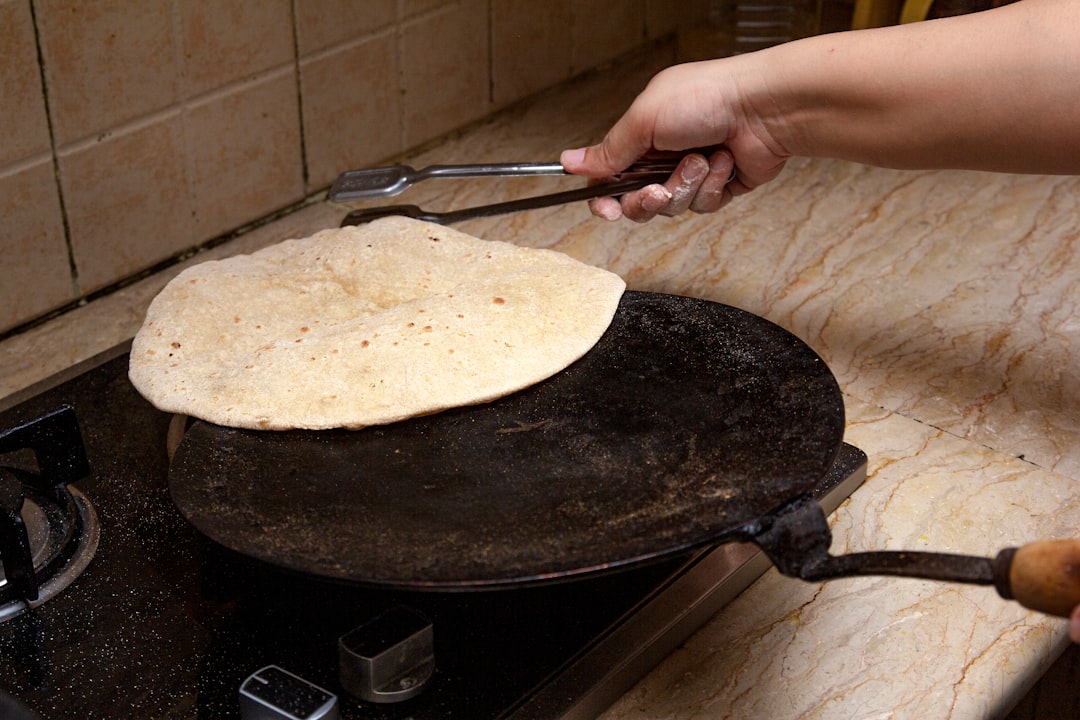
Nonstick pans have transformed cooking practices by providing surfaces from which food easily releases, reducing the necessity for additional oils and fats. This functionality simplifies the cooking process and can contribute to lower-fat meal preparation. Nonstick cookware is particularly useful for preparing delicate foods such as eggs and fish, while also reducing post-cooking cleanup requirements.
The practical benefits of nonstick cookware have led to widespread adoption in domestic and professional kitchens globally. The effectiveness of nonstick cookware stems from specific coating materials. Most traditional nonstick pans utilize polytetrafluoroethylene (PTFE), marketed under the brand name Teflon.
While PTFE coatings are generally recognized as safe when used according to manufacturer guidelines, scientific and regulatory attention has focused on per- and polyfluoroalkyl substances (PFAS), which may be present in certain nonstick products. Understanding the composition of nonstick cookware is important for making informed decisions regarding potential health and environmental implications.
Key Takeaways
- Nonstick pans often contain PFAS chemicals, which have raised health and environmental concerns.
- PFAS exposure is linked to various health risks, including hormonal disruptions and cancer.
- Identifying PFAS-free cookware is essential for safer cooking and reducing contamination.
- Alternatives to traditional nonstick pans include ceramic and stainless steel options.
- Proper use, care, and awareness of regulations help minimize PFAS exposure in the home.
The Rise of PFAS Contamination
In recent years, PFAS contamination has emerged as a significant public health concern. These synthetic chemicals, often referred to as “forever chemicals,” are notorious for their persistence in the environment and human body. They do not break down easily, leading to their accumulation over time.
As you learn more about PFAS, you may be surprised to discover that they are found in a wide range of products, including nonstick cookware, water-repellent fabrics, and even food packaging.
The rise of PFAS contamination can be attributed to their extensive use in industrial applications and consumer products since the mid-20th century.
As you consider the implications of this contamination, it’s important to recognize that PFAS can enter your home through various channels. From contaminated drinking water to household items like nonstick pans, these chemicals can infiltrate your daily life without your knowledge. Understanding the sources of PFAS exposure is crucial for taking proactive steps to protect yourself and your family.
Health Risks Associated with PFAS Exposure

The health risks associated with PFAS exposure are becoming increasingly evident as research continues to unveil their potential dangers. Studies have linked these chemicals to a range of adverse health effects, including immune system dysfunction, hormonal imbalances, and even certain types of cancer. As you reflect on your own exposure to PFAS, it’s essential to consider how these risks may impact your long-term health.
The cumulative nature of PFAS means that even low-level exposure over time can lead to significant health concerns. Moreover, vulnerable populations such as pregnant women and children may be at an even greater risk from PFAS exposure. Research suggests that these chemicals can affect fetal development and childhood growth, leading to developmental delays and other health issues.
As a responsible consumer, you should be aware of these risks and take steps to minimize your exposure to PFAS in your everyday life. By understanding the potential health implications, you can make informed decisions about the products you choose for your home and kitchen.
Environmental Impact of PFAS Contamination
The environmental impact of PFAS contamination is profound and far-reaching. These chemicals have been detected in water supplies across the globe, leading to widespread concerns about their effects on ecosystems and wildlife. As you consider the implications of PFAS on the environment, it’s important to recognize that they can disrupt natural processes and harm aquatic life.
Fish and other organisms exposed to PFAS may experience reproductive issues and developmental abnormalities, which can have cascading effects on entire ecosystems. Additionally, the persistence of PFAS in the environment poses challenges for remediation efforts. Traditional methods of water treatment often fall short in removing these chemicals, leading to ongoing contamination issues.
As a result, communities are grappling with the long-term consequences of PFAS pollution, including potential restrictions on water use and fishing in affected areas. By understanding the environmental impact of PFAS contamination, you can appreciate the urgency of addressing this issue and advocate for cleaner alternatives in both your personal choices and broader community initiatives.
The Connection Between Nonstick Pans and PFAS
| Metric | Value | Unit | Notes |
|---|---|---|---|
| PFAS Concentration in Nonstick Pan Surface | 5-20 | ng/cm² | Measured levels of PFAS on new nonstick pans |
| PFAS Release During Cooking | 0.1-1.5 | ng/min | Estimated release rate at typical cooking temperatures |
| Common PFAS Types Found | PFOS, PFOA, PFHxA | N/A | Perfluorooctane sulfonate, perfluorooctanoic acid, perfluorohexanoic acid |
| Detection Limit of PFAS in Pan Testing | 0.05 | ng/cm² | Analytical detection limit for surface PFAS |
| Regulatory Limit for PFAS in Food Contact Materials | 20 | ng/cm² | Proposed or existing limits in some jurisdictions |
| Estimated Daily PFAS Exposure from Nonstick Cookware | 0.5-2 | ng/day | Based on typical cooking and usage patterns |
The connection between nonstick pans and PFAS is a critical aspect of understanding the safety of your cookware. Many traditional nonstick coatings contain PFAS compounds that contribute to their nonstick properties. While these coatings have made cooking easier for decades, growing awareness of their potential health risks has prompted consumers like you to seek safer alternatives.
As you explore your options for nonstick cookware, it’s essential to be aware of which products contain these harmful substances. Manufacturers have begun responding to consumer concerns by developing PFAS-free nonstick coatings that offer similar performance without the associated risks. As you shop for new cookware, look for labels that explicitly state “PFAS-free” or “non-toxic” to ensure that you are making a safer choice for your kitchen.
By being informed about the connection between nonstick pans and PFAS, you can take proactive steps to protect your health while still enjoying the convenience that nonstick cookware provides.
How to Identify PFAS-Free Nonstick Cookware
Identifying PFAS-free nonstick cookware can be a daunting task given the myriad options available on the market today. However, there are several key indicators that can help you make informed choices when selecting new pans for your kitchen. First and foremost, look for products that are labeled as “PFAS-free” or “PFOA-free.” These labels indicate that the cookware does not contain harmful perfluoroalkyl substances commonly associated with traditional nonstick coatings.
Additionally, consider researching brands that prioritize safety and transparency in their manufacturing processes. Many companies now provide detailed information about their materials and production methods on their websites or product packaging. As you evaluate different options, pay attention to customer reviews and third-party certifications that can further validate a product’s safety claims.
By taking these steps, you can confidently choose nonstick cookware that aligns with your health-conscious values.
Alternatives to Nonstick Pans
If you’re concerned about the potential risks associated with traditional nonstick pans, there are several alternatives available that can still meet your cooking needs without compromising safety. One popular option is stainless steel cookware, which offers excellent heat conductivity and durability without the use of harmful chemicals. While food may stick more than it would in a nonstick pan, proper preheating and oiling techniques can help create a natural nonstick surface.
Another alternative is cast iron cookware, which has been used for centuries due to its versatility and longevity. Cast iron pans develop a natural nonstick coating over time when seasoned correctly, making them an excellent choice for everything from frying eggs to baking cornbread. Additionally, ceramic-coated cookware has gained popularity as a safer alternative to traditional nonstick options.
These pans are often free from PFAS and provide a smooth cooking surface without compromising performance. By exploring these alternatives, you can find cookware that suits your cooking style while prioritizing safety.
Regulations and Guidelines for PFAS in Cookware
As awareness of PFAS contamination grows, regulatory bodies are beginning to establish guidelines aimed at reducing exposure to these harmful substances in consumer products. In recent years, several countries have implemented stricter regulations regarding the use of PFAS in cookware and other household items. As a consumer, it’s essential to stay informed about these regulations as they evolve over time.
In the United States, organizations such as the Environmental Protection Agency (EPA) are working towards developing comprehensive strategies to address PFAS contamination across various sectors. These efforts include setting limits on acceptable levels of PFAS in drinking water and encouraging manufacturers to phase out harmful chemicals from their products. By keeping abreast of these developments, you can better understand how regulations may impact your choices when purchasing cookware and other household items.
The Importance of Proper Use and Care of Nonstick Pans
Even when using high-quality nonstick pans free from harmful chemicals like PFAS, proper use and care are crucial for ensuring their longevity and safety.
Instead, opt for silicone or wooden utensils that are gentle on your cookware while still allowing you to cook effectively.
Additionally, be mindful of cooking temperatures when using nonstick pans. High heat can degrade the nonstick coating over time, potentially releasing harmful fumes or compromising its effectiveness. Cooking on medium or low heat is generally recommended for optimal performance while preserving the lifespan of your pans.
By following these guidelines for proper use and care, you can enjoy the benefits of nonstick cookware while minimizing any potential risks associated with its use.
Addressing PFAS Contamination in the Home
Addressing PFAS contamination in your home requires a proactive approach that encompasses various aspects of daily life. Start by evaluating the products you currently use in your kitchen and throughout your home. Consider replacing any items known to contain PFAS with safer alternatives—this includes not only cookware but also cleaning supplies, food packaging, and personal care products.
Furthermore, if you’re concerned about water quality in your area, consider investing in a water filtration system designed to remove PFAS contaminants from drinking water. Regularly testing your water supply can also provide valuable insights into potential contamination levels. By taking these steps to address PFAS contamination in your home environment, you can create a safer living space for yourself and your family.
Making Informed Choices for Safer Cooking Practices
In conclusion, navigating the world of nonstick cookware requires careful consideration of both safety and performance factors. As you become more aware of the potential risks associated with PFAS contamination, it’s essential to make informed choices that prioritize your health and well-being. By seeking out PFAS-free options and exploring alternative cookware materials like stainless steel or cast iron, you can enjoy cooking without compromising safety.
Moreover, staying informed about regulations surrounding PFAS in consumer products empowers you to advocate for safer practices within your community. Remember that proper use and care of your cookware play a significant role in maintaining its effectiveness while minimizing any potential risks associated with its use. Ultimately, by making conscious decisions about the products you bring into your home, you can foster a healthier cooking environment for yourself and those you love.
Recent concerns have emerged regarding PFAS contamination in nonstick cookware, highlighting the potential health risks associated with these chemicals. For a deeper understanding of the implications of PFAS in everyday products, you can read more in this related article on wealth management and consumer safety. Check it out here: How Wealth Grows.
WATCH THIS! 💰 STOP Apps Are Stealing $1,000 From You Every Year—Here’s Proof & The 30-Day Fix
FAQs
What are PFAS and why are they used in nonstick pans?
PFAS (per- and polyfluoroalkyl substances) are a group of man-made chemicals used for their water, grease, and stain-resistant properties. They are commonly used in the manufacturing of nonstick cookware coatings to provide a smooth, durable, and easy-to-clean surface.
How can PFAS contaminate nonstick pans?
PFAS can be present in the chemical coatings applied to nonstick pans. During manufacturing or over time with use, these chemicals may degrade or leach out, potentially contaminating food or the environment.
Are all nonstick pans contaminated with PFAS?
Not all nonstick pans contain PFAS. Some manufacturers produce PFAS-free nonstick cookware using alternative materials or coatings. It is important to check product labels or manufacturer information to confirm whether PFAS are used.
Is PFAS contamination from nonstick pans harmful to health?
Exposure to certain PFAS has been linked to health concerns such as hormonal disruption, immune system effects, and increased risk of some cancers. However, the level of exposure from typical use of nonstick pans is generally considered low. More research is ongoing to fully understand the risks.
How can I reduce PFAS exposure from nonstick cookware?
To reduce exposure, consider using PFAS-free cookware, avoid overheating nonstick pans, replace damaged or scratched pans, and follow manufacturer care instructions. Using alternatives like stainless steel or cast iron cookware can also minimize PFAS exposure.
Are there regulations regarding PFAS in nonstick cookware?
Some countries and regions have started regulating or restricting the use of certain PFAS chemicals in consumer products, including cookware. Regulations vary widely, so it is advisable to stay informed about local guidelines and product safety standards.
Can PFAS from nonstick pans contaminate the environment?
Yes, PFAS are persistent in the environment and can accumulate over time. Improper disposal or degradation of nonstick cookware containing PFAS can contribute to environmental contamination, affecting water sources and wildlife.
How can I identify if my nonstick pan contains PFAS?
Check the product packaging, labels, or manufacturer’s website for information on the materials and chemicals used. Some products are explicitly labeled as PFAS-free or PFOA-free (a specific type of PFAS). Contacting the manufacturer directly can also provide clarity.