You’ve decided to declutter. Perhaps your attic is groaning under the weight of forgotten treasures, or your garage has become a repository for items you “might need someday.” Whatever the reason, the solution is often a storage unit. You’ve found the perfect space, the contract is signed, and now comes the final hurdle: acquiring a lock. Then, a slight confusion arises. The storage facility, which you’re already paying for, also wants to charge you for a lock. This may seem like an unnecessary nickel-and-dime tactic, another small cost added to an already significant expense. However, understanding the rationale behind this charge reveals layers of operational necessity, risk mitigation, and a commitment to the overall security of your belongings. It’s not simply about the metal and mechanism; it’s about how that lock becomes a vital cog in the complex machinery of storage security.
The lock on your storage unit isn’t merely a decorative accessory; it’s the primary barrier between the outside world and the personal effects you’ve entrusted to the facility. Think of it as the sentinel standing guard at your unit’s entrance, the silent protector of your possessions. This initial fortification is crucial, and its effectiveness directly impacts the security of everything you’ve stored.
The Individual Responsibility Nexus
Storage unit facilities operate on a model where individual responsibility for unit security is a cornerstone. While the facility provides the physical space and overarching site security, the final seal is placed by you, the tenant. This model is an efficient way to manage security across a large number of disparate units.
Shared Burden, Shared Benefit
The facility’s overarching security measures, such as perimeter fencing, lighting, and surveillance cameras, create a general deterrent and a record of events. However, a determined individual could, with enough effort, bypass these. The lock you provide is your personal contribution to this shared security. It’s a physical manifestation of your commitment to protecting your own goods. When every tenant takes this responsibility seriously, the collective security of the entire facility is enhanced.
Preventing the Cascade Effect
Imagine a scenario where a unit is left unlocked or secured with a flimsy, easily defeated lock. This presents an immediate vulnerability. It’s like leaving a vulnerable flank exposed in a military formation. A breach in one unit could potentially create an easier pathway or a distraction for further intrusions. By requiring tenants to use their own, robust locks, facilities aim to prevent a single weak link from compromising the entire chain.
The Lock as a Signal of Intent
The presence of a properly secured lock on your unit is a visual cue. It signals to potential opportunists that gaining access will require effort and tools, thereby increasing the risk of detection. This simple act of securing your unit acts as a passive deterrent.
The Deterrent Effect in Action
A brightly lit facility with security cameras is one layer of deterrence. But when coupled with the visible presence of your own lock, it sends a stronger message. It’s a clear indication that this unit is occupied and protected. A quick glance might reveal rows of securely locked doors, making the facility appear more challenging to infiltrate than one with obvious vulnerabilities.
The “Low-Hanging Fruit” Principle
Criminals, like most people, often look for the easiest opportunity. The “low-hanging fruit” principle suggests that they’ll target what appears to be the least resistant. A unit with a flimsy padlock or none at all is far more appealing than one secured with a high-security disc lock. The cost of a lock, therefore, is an investment in making your unit less attractive to such individuals.
Many people wonder why storage units charge for locks, as it seems like an additional expense on top of the rental fees. This practice is often linked to the security measures that storage facilities implement to ensure the safety of their customers’ belongings. For a deeper understanding of this topic, you can read a related article that discusses various aspects of storage unit costs and security features. Check it out here: Why Do Storage Units Charge for Locks?.
Beyond the Physical: The Operational Costs of Security
While the lock itself is a physical object, its presence and the associated policies are tied to a broader operational framework focused on maintaining a secure environment. The fees you encounter are not solely for the lock’s intrinsic value but also for the systems and practices that necessitate its use.
Facility-Wide Security Infrastructure
Storage facilities are not simply empty buildings. They represent significant investments in infrastructure designed to protect a multitude of valuable possessions. The cost of these broad security measures is amortized across all tenants, and the lock plays its part in this ecosystem.
Surveillance Systems and Monitoring
Many modern self-storage facilities invest heavily in surveillance systems. High-resolution cameras are strategically placed to cover entrances, exits, common areas, and sometimes even individual unit doors (though this is rarer for privacy reasons). These systems require installation, maintenance, and sometimes ongoing monitoring by a security service. The lock on your unit helps ensure that any recorded footage of unauthorized access is clearly identifiable as such, and not simply someone forgetting to close their door.
Perimeter Security and Access Control
Securing the perimeter of a storage facility is paramount. This can involve robust fencing, controlled entry gates that require codes or keycards, and well-lit grounds. The effectiveness of these systems is amplified when each individual unit is also secured. A breached perimeter is bad, but a breached perimeter and an unsecured unit is far worse.
Staff and Training
While self-storage facilities often emphasize a “self-service” model, they still require staff. These individuals are responsible for maintaining the property, responding to issues, and ensuring that security protocols are followed. Training these staff members on security best practices, emergency procedures, and how to identify suspicious activity is an ongoing cost.
Insurance and Risk Management
The storage industry, like any business dealing with valuable assets, faces insurance costs and the need for robust risk management strategies. The fees associated with locks contribute to mitigating these risks.
Tenant Insurance and Liability
While storage facilities often offer their own insurance or recommend tenant insurance, your own lock plays a role in their liability. If a theft occurs and it can be proven that the unit was not properly secured by the tenant, the facility may have less liability. This can, in turn, influence their insurance premiums.
Minimizing Claims and Disputes
A properly locked unit helps to minimize the likelihood of false claims or disputes. When a tenant asserts that their belongings were stolen, the presence of a functioning lock, and the type of lock, can be important evidence in an investigation. This reduces the administrative burden and potential costs associated with investigating and resolving such issues.
The Lock as a Standardized Element: Operational Efficiency
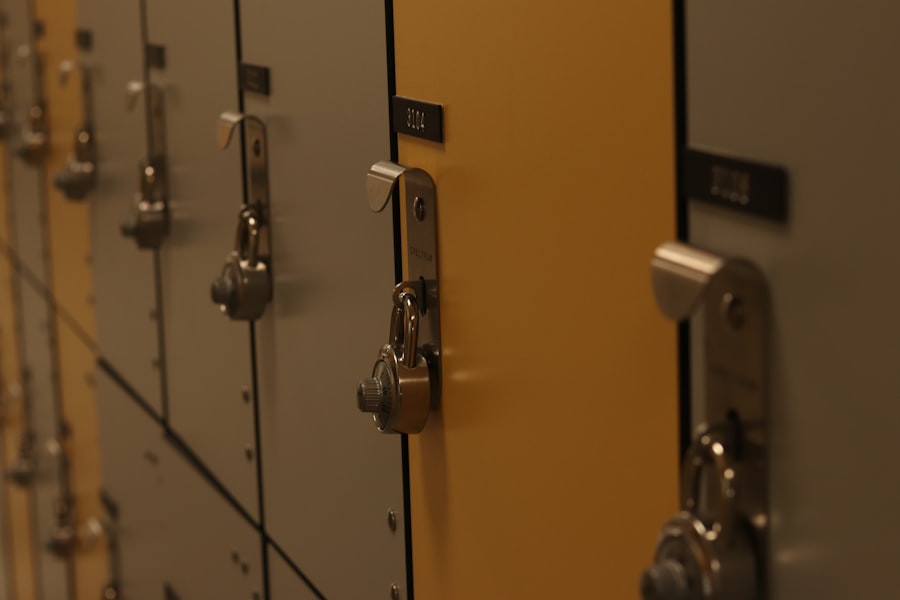
The requirement for tenants to provide their own locks, and often to purchase them on-site, is a deliberate operational choice. It streamlines processes and ensures a certain level of consistency across units, which is beneficial for the facility’s management.
The “Bring Your Own” vs. “Facility Provided” Dilemma
While some facilities might offer the option of renting a lock, the prevalent model is for tenants to purchase one. This decision is rooted in several operational considerations that ultimately benefit the overall efficiency of the facility.
Avoiding Lock Management Overhead
If a facility were to provide locks to every tenant, it would introduce a significant logistical challenge. They would need to track which lock belongs to which unit, manage replacements for lost or broken locks, and deal with the eventual obsolescence of lock mechanisms. Requiring tenants to supply their own lock offloads this burden.
Standardizing for Predictability
While you can choose your own lock, there’s often a recommended type or a minimum security standard. This standardization, even within a range of choices, helps the facility predict the general level of security across their property. It simplifies maintenance and troubleshooting if a lock-related issue arises (though the responsibility for the lock itself remains with you).
The “Last Mile” of Security
Think of the facility’s security as a journey your belongings take from their original location to their secure resting place. The perimeter, the cameras, the lighting – these are all essential steps. However, the lock on your unit represents the “last mile” of that journey, the final, crucial segment that you control.
Ensuring Fit and Functionality
When you purchase a lock on-site, the facility can, in theory, ensure it’s appropriate for the unit’s hasp and meets their minimum security requirements. While you have autonomy, the on-site purchase is often tailored to their specific hardware. This prevents situations where a tenant brings a lock that is incompatible or fundamentally inadequate, thus undermining the facility’s security posture.
The Lock as a Tangible Asset
When you purchase a lock from the facility, it becomes a tangible asset that you own. This transfer of ownership clarifies responsibility. The facility’s obligation is to provide the space and the general security, but the lock’s integrity and functionality are your domain.
The Value of an Uncompromised Security Ecosystem
The fee for a lock is not an arbitrary charge. It’s a small contribution that reinforces the integrity of the entire storage facility’s security ecosystem. When every part of this ecosystem functions as intended, the collective benefit is a safer environment for everyone’s stored goods.
The Collective Security Advantage
Imagine a busy ant colony. Each ant has a role, and their individual actions contribute to the survival and prosperity of the whole. The lock on your unit is your individual ant’s contribution to the colony’s security.
Preventing the “Domino Effect”
A single compromised unit can, in rare but possible situations, lead to further issues. If a thief gains access and finds valuable items, or even if they simply create a disturbance, it can impact the entire facility. By ensuring each unit is individually secured, you help prevent a domino effect of potential security breaches.
Enhancing Overall Perceived Security
A facility with a reputation for strong security is attractive to potential tenants. Highlighting the fact that all units are securely locked contributes to this positive perception. The lock, therefore, plays a role in the marketability and overall value of the storage facility itself.
The “Peace of Mind” Premium
Ultimately, the cost of a lock is a small price to pay for the intangible benefit of peace of mind. Knowing that your belongings are as secure as possible within the storage environment allows you to focus on other aspects of your life.
The Psychological Factor
The psychological impact of knowing your possessions are protected cannot be overstated. While the facility provides the physical shell, your lock is the final safeguard. This sense of security is a valuable commodity in itself.
The Investment in Your Possessions
The items you store are not just objects; they represent memories, necessities, and investments. The cost of a lock is a minor investment in protecting those larger values. It’s ensuring that the physical form of your possessions remains intact and accessible when you need it.
When considering the costs associated with storage units, one often overlooked aspect is the charge for locks. Many facilities require tenants to purchase their own locks or pay an additional fee for a lock provided by the company. This practice not only ensures security but also helps the storage facility manage liability and maintain control over access. For a deeper understanding of the financial implications of storage units, you can read a related article that explores various costs and factors influencing storage fees at How Wealth Grows.
Conclusion: A Small Price for Substantial Protection
| Reason for Charging | Description | Typical Cost Range | Benefit to Customer |
|---|---|---|---|
| Security Assurance | Locks ensure the safety of stored items and reduce liability for the facility. | 5 – 20 | Provides peace of mind and protection against theft. |
| Quality Control | Facility-approved locks meet security standards and prevent unauthorized access. | 10 – 25 | Ensures customers use reliable locks that fit unit requirements. |
| Convenience | Offering locks on-site saves customers time and effort in sourcing their own. | 5 – 15 | Easy access to locks when renting a unit. |
| Revenue Stream | Lock sales provide additional income for the storage facility. | Varies | Helps maintain facility operations and security upgrades. |
| Replacement Costs | Charging for locks covers costs of lost or damaged locks replaced by the facility. | 10 – 30 | Ensures availability of locks for all customers. |
The charge for a lock at a storage facility, while sometimes perceived as an additional annoyance, is a multifaceted component of responsible asset management. It signifies your active participation in protecting your belongings, contributes to the facility’s operational efficiency and security infrastructure, and plays a vital role in the overall safety of the storage environment. When you consider the potential consequences of inadequate security – theft, damage, or loss – the cost of a lock appears not as a burden, but as a wise and necessary investment. It’s the simple, yet profound, act of securing your own space, a fundamental principle that underpins the entire concept of self-storage.

WATCH NOW ▶️ WARNING: Why Wall Street Just Locked Your Basement
FAQs
Why do storage units require customers to have locks?
Storage units require customers to have locks to ensure the security and privacy of the stored belongings. Locks prevent unauthorized access and help protect against theft or damage.
Do storage facilities provide locks, or do customers need to bring their own?
Many storage facilities require customers to bring their own locks, although some may offer locks for sale on-site. This policy allows customers to choose the type and quality of lock they prefer.
Why do storage units charge for locks if customers provide their own?
Some storage units charge for locks when they provide them as part of the rental agreement or as an added service. This fee covers the cost of the lock and sometimes includes maintenance or replacement services.
Are there specific types of locks recommended for storage units?
Yes, storage facilities often recommend using high-quality disc or cylinder locks because they are more resistant to cutting and tampering compared to standard padlocks.
Can storage units charge extra fees related to locks besides the initial purchase?
Yes, storage units may charge additional fees for lock-related services such as lock replacement, cutting off unauthorized or abandoned locks, or providing lock upgrades for enhanced security.