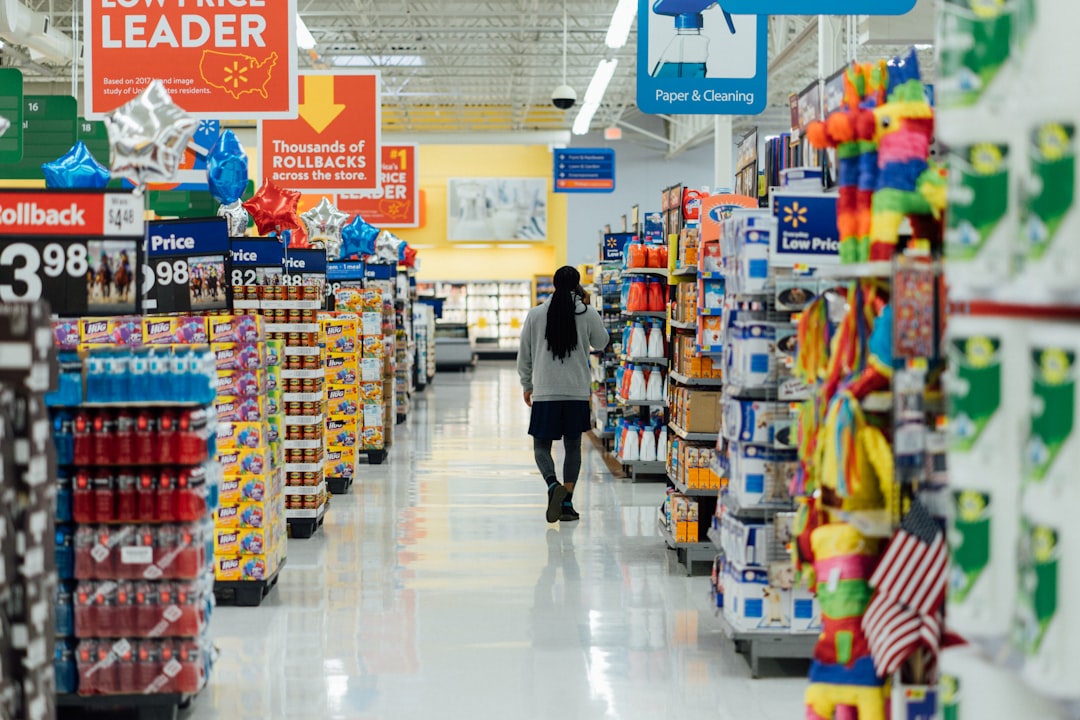
You’re standing in the checkout line, the familiar hum of scanners and plastic bags a constant backdrop. You’ve done your best, meticulously comparing prices, opting for store brands, and perhaps even bringing your own reusable bags. Yet, as the total flashes on the screen, a familiar sense of mild exasperation washes over you. The grocery bill, it seems, has a stubborn floor beneath which it refuses to sink. This isn’t some abstract economic phenomenon; it’s your reality, a recurring expense that impacts your budget and influences your daily choices. Understanding this cost floor, the irreducible minimum you can expect to spend on food, is crucial for effective budgeting and for navigating the ever-shifting landscape of food prices.
You might see a loaf of bread, a carton of eggs, or a pound of chicken as individual items with their own price tags. However, the cost floor of your grocery bill isn’t simply the sum of these individual prices. It’s a complex interplay of factors that collectively push the baseline cost of feeding yourself and your family upwards, often beyond what seems reasonable. This erosion of affordability is a gradual process, and its effects are deeply felt when you’re trying to stretch your dollars.
The Foundation of Staples: Where the Price Truly Starts
At the most basic level, your grocery bill is built upon essential staples – the items you rely on daily or weekly to form the bedrock of your meals. These are the things you can’t easily substitute without significant dietary changes or a drastic shift in your cooking habits.
Grains and Carbohydrates: The Daily Bread and Its Rising Cost
Think about your breakfast cereal, your pasta, your rice, your bread. These aren’t luxury items; they are fundamental to most American diets. You’ve likely noticed how the prices of these seemingly simple commodities have crept up over time. Whether it’s a slight increase in the cost of wheat or a more significant jump in the global price of rice, these fluctuations directly impact your ability to purchase the grains you need at a price that feels manageable. You might have shifted from premium artisanal loaves to more basic white bread, or you might meticulously hunt for sales on pasta. Still, the price continues to be a significant component, and you can’t eliminate it without fundamentally altering your diet.
Proteins: The Sustaining Power and Its Premium
Chicken, beef, pork, eggs, and even plant-based proteins like beans and lentils represent a substantial portion of your grocery expenditure. While you can opt for cheaper cuts of meat or rely more heavily on beans, the cost of protein remains a formidable element of your food budget. You might find yourself buying chicken thighs instead of breasts, or choosing ground beef over sirloin. Even vegetarian options, while often cheaper per pound than meat, are not immune to price hikes. The sheer necessity of protein for a balanced diet means that its cost forms a non-negotiable floor.
Dairy and Alternatives: From Milk to Your Plant-Based Choices
Whether you’re buying a gallon of milk, a block of cheese, yogurt, or opting for almond, soy, or oat milk, dairy and its alternatives contribute to your overall bill. You’ve seen the price changes on these items, perhaps experimenting with different brands or shopping around for the best deal. The production of dairy is resource-intensive, and shifts in feed costs, energy prices, and even climate can influence the price at your local supermarket. Similarly, the growing popularity of plant-based alternatives has seen increased demand, and while competition can sometimes drive prices down, widespread adoption can also lead to price increases as production scales up.
The rising cost of groceries in America has become a significant concern for many households, prompting discussions about the implications of a cost floor on grocery bills. A related article that delves deeper into this topic can be found at How Wealth Grows, where it explores the economic factors influencing food prices and the potential impact on consumers. Understanding these dynamics is crucial for navigating the challenges of budgeting in today’s economy.
The Hidden Costs of Convenience and Choice
Beyond the basic staples, the cost floor of your grocery bill is also shaped by factors you might not immediately consider. These are the choices we make, the habits we’ve developed, and the way the modern food system is structured, all of which contribute to a higher baseline cost.
Processed Foods: The Allure and the Expense
You know the appeal of pre-packaged meals, frozen dinners, and ready-to-eat snacks. They save you time and effort, especially on busy weeknights. However, this convenience comes at a price. The processing, packaging, and transportation involved in bringing these items to your cart all add to their cost. You might find yourself begrudgingly paying a premium for a bag of pre-cut vegetables or a box of frozen pizza, recognizing that the time saved might be worth it, but also aware that you are paying more than you would for the raw ingredients.
Packaged Goods: The Illusion of Value
Many of the items you buy come in elaborate packaging designed to attract your eye and protect the product. While some packaging is essential, much of it is an added expense. You might notice that a brand of cereal in a brightly colored box costs more than a similar product in a plainer bag, or that individually wrapped snacks are significantly more expensive per serving than buying a larger, bulk item and dividing it yourself. The cost of the materials, the design, and the manufacturing of this packaging is ultimately passed on to you, contributing to the price floor.
Brand Loyalty vs. Generic Options: Where the Real Savings Lie, and Don’t
This is a constant negotiation for you. You might have a favorite brand of coffee or sauce, a product you trust and enjoy. However, you also recognize that the generic or store-brand equivalent is often significantly cheaper. The decision to stick with a name brand or switch to a more economical option can feel like a small victory or a justifiable indulgence, but the cumulative effect of choosing name brands on a consistent basis adds to your grocery bill’s irreducible minimum. You’ve likely experimented, finding that some generic brands are perfectly acceptable, while others fall short, forcing you to make a calculated choice each time you reach for an item.
Impulse Buys at the Register: The Temptation Tax
The strategically placed candy bars, magazines, and small gadgets at the checkout counter are designed to entice you. You might go in with a strict list, but you’ve likely found yourself adding a small treat or a forgotten item at the last minute. These impulse purchases, while often small individually, can add up. They are a testament to the psychological pricing strategies employed by supermarkets and contribute to the mental burden of keeping your grocery bill in check.
The Shifting Tides of Food Production and Distribution
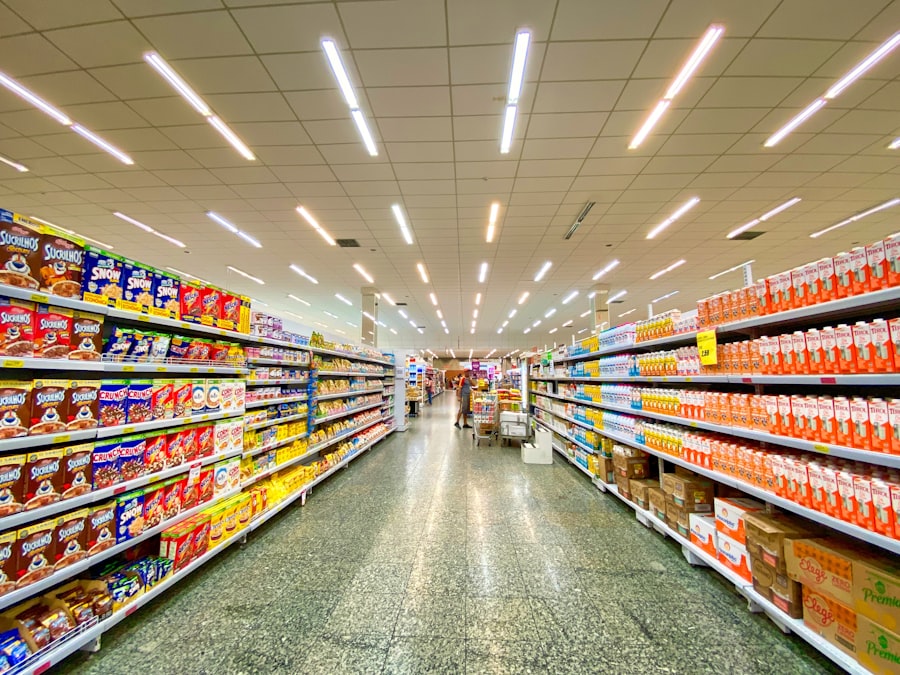
The cost of what you put in your cart is not solely determined by what you choose to buy. The entire system of getting food from the farm to your table has its own inherent costs, and these are consistently reflected in the prices you see.
The Cost of Labor: From Field to Shelf
From the farmworkers who cultivate the crops to the truck drivers who transport the goods, and the cashiers who scan your items, labor is a fundamental cost in the food supply chain. As minimum wages rise, or as labor shortages occur, these increased costs are inevitably passed on to consumers. You might not directly interact with a farm laborer, but their wages are a part of the price of that apple or head of lettuce. You understand that fair wages are important, but you also see how they contribute to the overall cost you bear.
Transportation and Fuel: Moving the Miles
The food you buy has likely traveled a considerable distance to reach your local grocery store. The cost of fuel for trucks, trains, and ships is a significant factor in food pricing, especially in a country as vast as the United States. Fluctuations in global oil prices have a direct and often immediate impact on your grocery bill. You see this when gas prices spike, and you can almost guarantee that your next grocery run will be more expensive, even if you haven’t changed your shopping habits.
The Impact of Globalization: More Than Just Exotic Fruits
While globalization has brought an abundance of choices, including out-of-season produce, it also means that many of your staple foods are subject to international market forces. Trade policies, global demand, and even geopolitical events can influence the price of ingredients that are grown or processed abroad. You might not realize that the price of your everyday yogurt is influenced by international dairy markets, but it is, and this contributes to the complex cost floor you navigate.
Agricultural Subsidies and Their Double-Edged Sword
You might not be aware of it, but government subsidies play a significant role in shaping the cost of certain agricultural products, particularly corn, soy, and wheat. These subsidies can depress the market price of these commodities, making them appear cheaper than they might otherwise be. While this can benefit consumers in the short term, critics argue that it can also lead to overproduction, encourage the reliance on less nutritious processed foods, and have unintended consequences for small farmers and more diverse agricultural systems. You benefit from the lower price of corn syrup in your soda or the affordability of feed for livestock, but you also understand that this system has its complexities and potential downsides.
The Economic Climate: Inflation and Its Unrelenting Grip
Perhaps the most pervasive and frustrating factor contributing to your grocery bill’s cost floor is the general economic climate, specifically inflation. It’s a concept you hear about on the news, and you experience its effects directly every time you shop.
The Silent Rise of Prices: The Cumulative Effect of Inflation
Inflation is the gradual increase in the general price level of goods and services in an economy over a period of time. When inflation is high, your money buys less than it did before. You’ve felt this keenly at the grocery store. That same basket of goods you bought last year now costs significantly more. You find yourself having to allocate more of your overall budget to food, often at the expense of other priorities. You might have had to cut back on discretionary spending in other areas to compensate for the rising cost of groceries.
Adapting Your Budget: The Constant Rebalancing Act
Your grocery budget is not a static figure. You have to constantly re-evaluate and adjust it to keep pace with rising prices. This means making difficult choices, perhaps reducing the quantity of certain items, seeking out cheaper alternatives, or even skipping some meals or opting for less nutritious, but more filling, options to stretch your dollars. You’re in a perpetual state of rebalancing, trying to make your food dollars go as far as possible.
The Grocer’s Markup: The Business of Selling Food
Of course, the grocery store itself needs to make a profit. They purchase goods from distributors, pay for their facilities, staff, utilities, and marketing. A portion of every item’s price contributes to this markup. While you understand the necessity of businesses operating profitably, you also recognize that this markup adds to the final cost you pay. You might try to shop at stores with consistently lower markups or take advantage of sale prices to mitigate this factor.
The rising cost of groceries in America has become a significant concern for many households, prompting discussions about the factors influencing these prices. A related article explores the implications of a cost floor on the American grocery bill, shedding light on how government policies can affect food prices and consumer behavior. For a deeper understanding of this topic, you can read more about it in this insightful piece on wealth management and economic trends at How Wealth Grows. This resource provides valuable insights into the broader economic landscape affecting everyday expenses.
The Future of Your Grocery Bill: Navigating the Uncharted Waters
| Category | Cost Floor |
|---|---|
| Produce | 5 |
| Dairy | 3 |
| Meat | 6 |
| Grains | 4 |
| Canned Goods | 2 |
Looking ahead, it’s clear that the cost floor of your American grocery bill is unlikely to disappear. The factors contributing to it are multifaceted and often beyond your individual control. However, understanding these components can empower you to make more informed decisions and to better navigate the economic realities of feeding yourself and your family.
The Growing Demand: A World of More Mouths to Feed
As the global population continues to grow, the demand for food will inevitably increase. This increased demand, coupled with any disruptions to food production, can put upward pressure on prices. You are a consumer in a global market, and the need to feed billions will always be a significant factor in the cost of your food.
Climate Change and Its Culinary Consequences
The changing climate presents a growing challenge to agricultural systems worldwide. Extreme weather events, such as droughts, floods, and heatwaves, can disrupt crop yields, impact livestock, and increase the cost of farming. You’ve likely noticed how certain produce items become more expensive or even unavailable due to weather-related issues, and this trend is expected to continue, adding another layer of uncertainty and potential cost to your grocery bill.
The Evolving Food Landscape: Innovation and Its Price Tag
The food industry is constantly innovating, with new products and technologies emerging regularly. While some innovations aim to reduce costs or improve sustainability, others can be expensive to develop and implement, potentially leading to higher prices for consumers. You might see exciting new plant-based meats or lab-grown produce, but you also understand that the initial cost of these advancements will likely be higher before they become more accessible.
Ultimately, the cost floor of your American grocery bill is a reflection of a complex global system. You are a participant in this system, making daily decisions that are influenced by its economics. By understanding the forces at play, you can become a more strategic shopper, better equipped to manage your budget and ensure that you can continue to access the food you need, even as prices fluctuate and challenges arise.
FAQs
What is the cost floor of the American grocery bill?
The cost floor of the American grocery bill refers to the minimum amount of money that a household typically spends on groceries each month. This can vary depending on factors such as location, family size, and dietary preferences.
What factors contribute to the cost floor of the American grocery bill?
Several factors contribute to the cost floor of the American grocery bill, including the price of food items, household income, inflation, and changes in food preferences and dietary needs.
How does the cost floor of the American grocery bill impact households?
The cost floor of the American grocery bill can impact households by influencing their monthly budget and spending habits. It can also affect food security and access to nutritious food for lower-income families.
What are some strategies for managing the cost floor of the American grocery bill?
Some strategies for managing the cost floor of the American grocery bill include meal planning, buying in bulk, using coupons and discounts, shopping at affordable stores, and growing your own produce.
How does the cost floor of the American grocery bill compare to other countries?
The cost floor of the American grocery bill can vary significantly compared to other countries due to differences in food prices, income levels, and government policies related to food and agriculture.