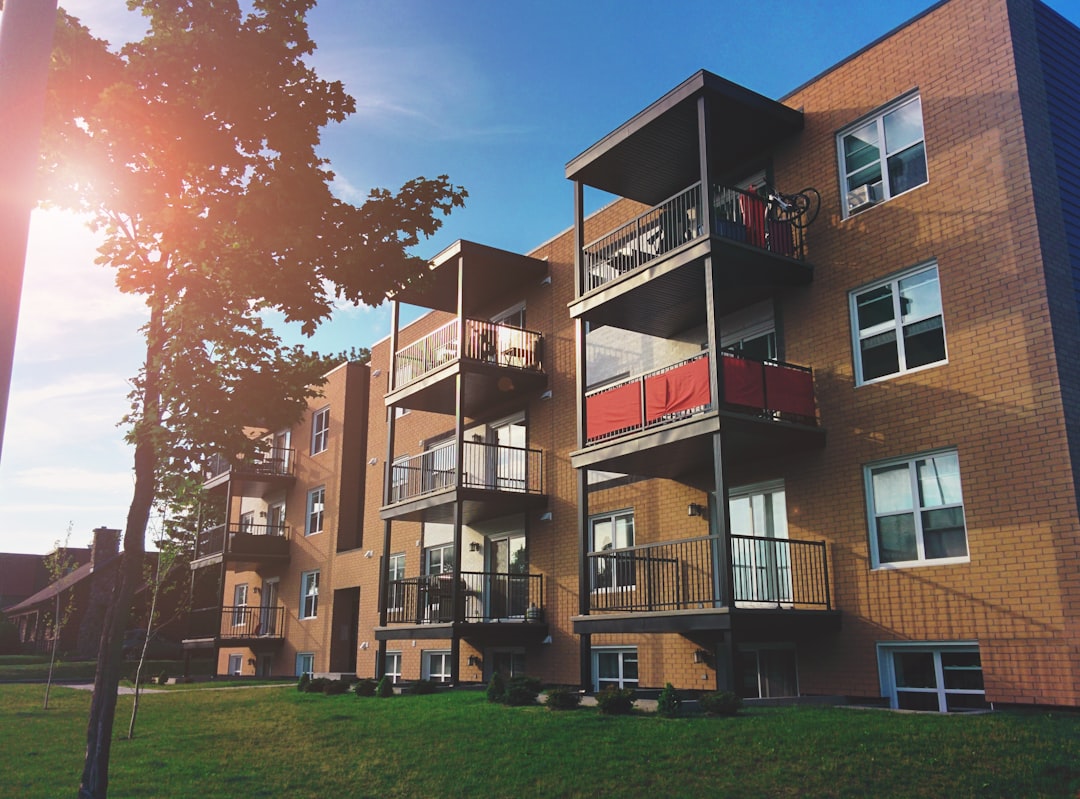
As urban areas evolve, the housing market has experienced a notable transformation. Affordable housing demand has increased substantially in recent years due to population growth, economic changes, and demographic shifts. Many individuals and families now find themselves unable to afford market-rate housing, creating an urgent need for affordable alternatives.
This trend represents a tangible challenge affecting numerous households seeking stable, reasonably priced living accommodations. This situation has significant consequences. Communities are experiencing the effects of housing costs that frequently exceed wage growth rates.
This imbalance necessitates affordable housing solutions capable of serving diverse populations, including low-income households, elderly residents, and essential workers. The challenge extends beyond simply increasing housing supply to ensuring that implemented solutions promote sustainability and equity across all demographic groups.
Key Takeaways
- Affordable housing demand is increasing amid limited land and zoning challenges.
- Rising construction costs and gentrification exacerbate displacement of low-income residents.
- Government funding and support for affordable housing remain insufficient.
- Community opposition and regulatory barriers hinder housing development efforts.
- Collaborative and innovative solutions are essential to address homelessness and housing insecurity.
Limited Land Availability and Zoning Restrictions
As you delve deeper into the issue of affordable housing, you may encounter the significant barriers posed by limited land availability and zoning restrictions. In many urban areas, available land is scarce, often leading to fierce competition among developers and investors. This scarcity drives up land prices, making it increasingly difficult to develop affordable housing projects.
You might find that the very land that could be used for new housing developments is often tied up in existing uses or held by entities that have no intention of selling. Zoning laws further complicate the situation. These regulations dictate how land can be used and often favor single-family homes over multi-family units or mixed-use developments.
As you consider the implications of these restrictions, it becomes clear that they can stifle innovation and limit the types of housing that can be built. You may wonder how communities can adapt to these challenges while still preserving their character and ensuring that all residents have access to affordable housing options.
Rising Construction and Land Costs
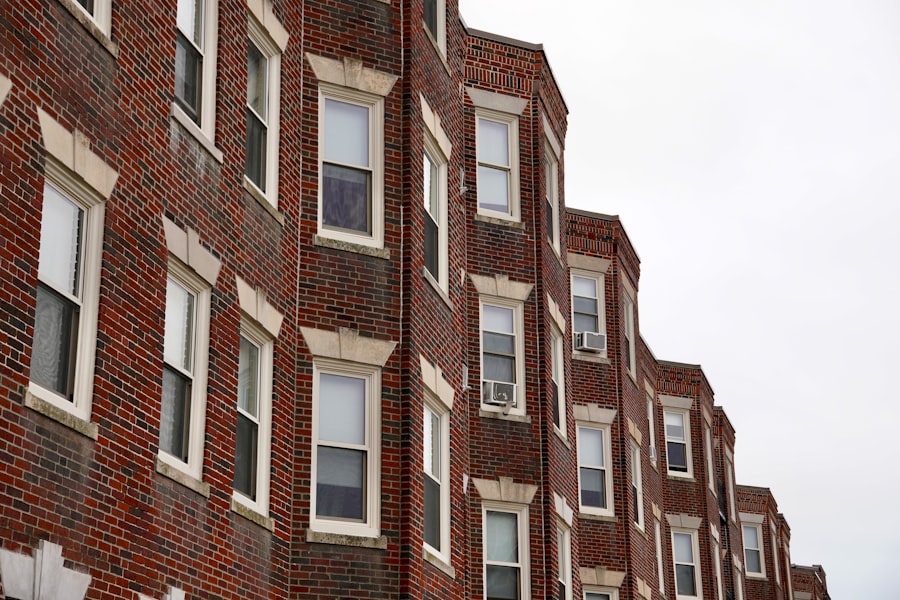
In your exploration of the affordable housing crisis, you cannot overlook the impact of rising construction and land costs. The expenses associated with building new homes have escalated significantly in recent years, driven by factors such as increased material costs, labor shortages, and supply chain disruptions. As you reflect on these challenges, it becomes evident that developers face a daunting task when attempting to create affordable housing within these financial constraints.
When construction costs soar, developers often pass those expenses onto buyers or renters, further exacerbating the affordability crisis. This cycle creates a challenging environment where the very people who need affordable housing the most are left with fewer options as prices continue to climb.
Gentrification and Displacement of Low-Income Residents
As you observe neighborhoods undergoing transformation, you may witness the phenomenon of gentrification firsthand. While revitalization can bring positive changes to a community, it often comes at a steep price for low-income residents who find themselves displaced as property values rise. This displacement can lead to a loss of community ties and cultural identity, leaving many feeling marginalized in their own neighborhoods.
You might find it disheartening to see long-time residents forced to leave their homes due to rising rents and property taxes. The social fabric of these communities is often disrupted, leading to increased homelessness and housing insecurity among those who can no longer afford to live where they once called home. As you consider the implications of gentrification, it becomes clear that addressing this issue requires a delicate balance between development and preserving the rights and needs of existing residents.
Lack of Government Funding and Support
| Factor | Description | Impact on Affordable Housing | Example Metric |
|---|---|---|---|
| Zoning Restrictions | Local laws that limit building types and densities | Reduces the number of affordable units that can be built | 70% of urban land zoned for single-family homes only |
| High Land Costs | Expensive land prices in urban areas | Increases overall development costs, limiting affordable projects | Average land price per acre: 500,000 |
| Construction Costs | Rising prices for labor and materials | Raises the cost to build affordable units | Construction cost per square foot: 250 |
| Regulatory Delays | Lengthy permitting and approval processes | Delays projects and increases carrying costs | Average permit approval time: 12 months |
| Community Opposition (NIMBYism) | Resistance from local residents to affordable housing projects | Leads to project cancellations or downscaling | 40% of proposed projects face significant opposition |
| Limited Public Funding | Insufficient government subsidies and incentives | Restricts the number of affordable units developers can build | Only 15% of housing budget allocated to affordable housing |
| Profitability Constraints | Affordable housing often yields lower returns for developers | Discourages private investment in affordable projects | Affordable units generate 30% less profit than market-rate units |
In your quest for understanding the affordable housing crisis, you may come across the critical role that government funding and support play in addressing this issue. Unfortunately, many local and state governments struggle to allocate sufficient resources toward affordable housing initiatives. Budget constraints and competing priorities often result in inadequate funding for programs designed to assist low-income families in securing stable housing.
You might feel frustrated by the lack of comprehensive policies aimed at addressing the root causes of housing insecurity. Without robust government support, non-profit organizations and community groups often bear the burden of providing assistance to those in need. As you reflect on this reality, it becomes evident that a coordinated effort involving various stakeholders is essential to create lasting change in the affordable housing landscape.
Inadequate Infrastructure and Services

As you consider the broader context of affordable housing, it’s important to recognize the role of infrastructure and services in supporting sustainable communities. In many areas where affordable housing is needed most, infrastructure such as public transportation, schools, and healthcare facilities may be lacking or underfunded. This inadequacy can deter potential residents from moving into these neighborhoods, perpetuating cycles of poverty and isolation.
You may find it concerning that without adequate infrastructure, even newly developed affordable housing units may struggle to attract residents. Access to essential services is a critical factor in determining whether individuals and families can thrive in their communities. As you contemplate potential solutions, it becomes clear that addressing infrastructure needs must go hand-in-hand with efforts to increase affordable housing availability.
NIMBYism and Community Opposition
As you engage with discussions about affordable housing development in your community, you may encounter resistance from local residents—a phenomenon often referred to as NIMBYism (Not In My Backyard). While community members may have valid concerns about changes in their neighborhoods, this opposition can hinder progress toward creating more affordable housing options. You might find it frustrating that fear of change often outweighs empathy for those struggling with housing insecurity.
Understanding the motivations behind NIMBYism can help foster more productive conversations about affordable housing. Many residents fear that new developments will lead to increased traffic, strain on local resources, or a decline in property values. As you navigate these discussions, it’s essential to emphasize the benefits of diverse housing options for the entire community while addressing legitimate concerns through open dialogue and collaboration.
Regulatory Barriers and Red Tape
In your exploration of affordable housing solutions, you may become acutely aware of the regulatory barriers and red tape that often impede progress. The process of obtaining permits and approvals for new developments can be lengthy and cumbersome, deterring potential investors from pursuing affordable housing projects. You might find it disheartening that these bureaucratic hurdles can delay much-needed housing solutions for years.
As you consider potential reforms, it becomes clear that streamlining regulatory processes could significantly enhance the ability to develop affordable housing quickly and efficiently. By reducing unnecessary delays and simplifying approval procedures, communities can create an environment more conducive to innovative housing solutions that meet the needs of their residents.
Insufficient Affordable Housing Policies and Programs
As you delve deeper into the policy landscape surrounding affordable housing, you may recognize a significant gap in effective programs designed to address this crisis. While some initiatives exist at local, state, and federal levels, they often fall short of meeting the growing demand for affordable options. You might feel frustrated by the lack of comprehensive strategies that prioritize long-term solutions over temporary fixes.
To create meaningful change, it’s essential for policymakers to develop robust affordable housing policies that encompass various approaches—such as inclusionary zoning, rent control measures, and funding for non-profit developers. As you reflect on these possibilities, it becomes clear that a multifaceted approach is necessary to ensure that all individuals have access to safe and affordable housing.
Homelessness and Housing Insecurity
As you confront the realities of homelessness and housing insecurity in your community, you may feel a sense of urgency to address these pressing issues. The lack of affordable housing directly contributes to rising rates of homelessness, leaving many individuals without stable shelter or support systems. You might find it heartbreaking to witness families living in cars or shelters while waiting for access to permanent housing solutions.
Understanding the complex interplay between homelessness and affordable housing can help inform your perspective on potential solutions. It’s crucial to recognize that addressing homelessness requires not only increasing the availability of affordable units but also providing supportive services such as mental health care, job training, and access to healthcare resources.
The Need for Collaborative Solutions and Innovative Approaches
As you reflect on the multifaceted challenges surrounding affordable housing, it’s clear that collaborative solutions and innovative approaches are essential for creating lasting change. Engaging various stakeholders—including government agencies, non-profit organizations, community members, and private developers—can foster a more inclusive dialogue about addressing housing needs effectively. You might feel inspired by examples of successful partnerships that have led to creative solutions tailored to specific community contexts.
Innovation also plays a crucial role in addressing the affordable housing crisis. From utilizing modular construction techniques to exploring alternative financing models such as social impact bonds, there are numerous opportunities for reimagining how we approach housing development. As you consider these possibilities, it becomes evident that embracing creativity and collaboration will be key in overcoming the barriers currently hindering progress toward affordable housing solutions.
In conclusion, as you navigate through these complex issues surrounding affordable housing, it’s essential to remain engaged and informed about potential solutions. By advocating for collaborative efforts and innovative approaches, you can contribute to creating a more equitable future where everyone has access to safe and affordable housing.
The challenge of building affordable housing in urban areas is a complex issue influenced by various factors, including zoning laws, land costs, and community opposition. For a deeper understanding of the economic dynamics at play, you can explore the article on wealth accumulation and its impact on housing markets at How Wealth Grows. This resource provides valuable insights into how wealth disparities contribute to the housing crisis, shedding light on why cities struggle to provide affordable options for their residents.
WATCH THIS! They’re Hiding This From You About Your Rent 🏢
FAQs
Why is affordable housing important in cities?
Affordable housing is crucial in cities to ensure that low- and moderate-income residents can live near employment, schools, and services. It helps reduce homelessness, supports economic diversity, and promotes social stability.
What are the main barriers cities face in building affordable housing?
Cities often face barriers such as high land and construction costs, restrictive zoning laws, lengthy permitting processes, community opposition (NIMBYism), and limited funding or subsidies for affordable housing projects.
How do zoning laws affect affordable housing development?
Zoning laws can limit the types and densities of housing that can be built, often restricting affordable housing by requiring large lot sizes, banning multi-family units, or imposing height limits. These restrictions reduce the supply and increase the cost of affordable housing.
What role does community opposition play in affordable housing development?
Community opposition, often called NIMBYism (“Not In My Backyard”), can delay or block affordable housing projects due to concerns about property values, neighborhood character, or increased traffic. This opposition can make it difficult for cities to approve new affordable housing.
How do construction and land costs impact affordable housing?
High land prices and construction costs increase the overall expense of building housing, making it challenging to develop affordable units without subsidies or incentives. These costs are often higher in urban areas where demand is greatest.
What funding mechanisms are available to support affordable housing?
Cities can use federal and state grants, tax credits (such as the Low-Income Housing Tax Credit), bonds, inclusionary zoning policies, and public-private partnerships to finance affordable housing development.
Can changes in policy help cities build more affordable housing?
Yes, policy changes such as relaxing zoning restrictions, streamlining permitting processes, increasing funding, and encouraging mixed-income developments can facilitate the construction of more affordable housing.
Why can’t market forces alone solve the affordable housing crisis?
Market forces often prioritize higher-profit luxury or market-rate housing, which does not meet the needs of low-income residents. Without intervention, the supply of affordable units remains insufficient due to lower profitability.
How does affordable housing benefit the broader community?
Affordable housing supports economic growth by enabling workers to live near jobs, reduces traffic congestion and pollution by shortening commutes, and fosters diverse, inclusive communities.
What are some examples of successful affordable housing initiatives?
Successful initiatives include inclusionary zoning policies requiring developers to include affordable units, community land trusts that maintain long-term affordability, and public housing programs supported by government funding.