
You might be surprised to learn that some of the most significant players in the real estate market are casting their gaze not just on soaring skyscrapers or sprawling commercial complexes, but on something far more fundamental: land with direct access to water. These aren’t small-time speculators; you’re dealing with institutional investors – the pension funds, sovereign wealth funds, and large asset managers that wield considerable financial power. Their interest in water-linked land, from coastal properties to riparian estates, is a calculated move, driven by a dual appreciation for its enduring value and its increasing resilience in an era defined by climate change. This isn’t a fleeting trend; it’s a strategic recalibration of investment priorities, recognizing that water, in its various forms and associated land, represents a tangible and increasingly scarce asset.
The traditional metrics for real estate investment often revolve around economic growth, population density, and potential for development. However, a confluence of factors is pushing institutional investors to broaden their horizons and consider assets that might have been overlooked in the past. The burgeoning awareness of climate change and its projected impacts on global stability is a primary driver. You can no longer afford to ignore the potential for increased volatility in traditional markets.
Climate Change as a Catalyst
The undeniable reality of a changing climate has moved beyond academic discourse and into the realm of tangible risk assessment for investors. You’re seeing the direct effects: more frequent and intense extreme weather events, shifting precipitation patterns, and rising sea levels. These aren’t abstract future scenarios; they are current realities that directly impact property values, infrastructure, and the viability of various industries. Institutional investors, with their long-term investment horizons, are compelled to factor these risks into their decision-making.
Understanding Climate Risk in Real Estate
- Physical Risks: This encompasses direct damage from floods, hurricanes, droughts, wildfires, and rising sea levels. Properties in vulnerable locations face a demonstrably higher risk of significant capital loss.
- Transition Risks: As the world transitions to a lower-carbon economy, assets tied to fossil fuels or industries with high carbon footprints may depreciate. Conversely, assets contributing to climate solutions could appreciate.
- Liability Risks: This involves potential legal claims arising from a failure to adequately address climate change impacts or disclose associated risks.
The Institutional Investor’s Calculus
For large institutional investors, the responsibility extends beyond mere profit maximization. They are stewards of public and private funds, entrusted with the financial security of millions. This fiduciary duty necessitates a rigorous evaluation of long-term sustainability and risk mitigation. Consequently, you’re seeing a proactive approach to identifying and acquiring assets that are not only financially sound but also possess inherent resilience against anticipated future challenges.
The Enduring Value of Scarce Resources
Water itself is a finite resource, and land that offers reliable access to it is becoming increasingly precious. In many regions, water scarcity is already a pressing issue, impacting agriculture, industry, and even daily life. As populations grow and climate change exacerbates water stress, the value of land associated with these vital resources is only likely to increase.
Water as a Strategic Asset
- Agricultural Productivity: Land with access to irrigation or situated in regions with stable rainfall is crucial for food production. As global food demand rises, the value of such land will likely follow suit.
- Industrial Water Needs: Many industries, from manufacturing to energy production, require significant water resources. Reliable access to water can be a decisive factor in site selection and operational efficiency.
- Recreational and Tourism Potential: Waterfront properties often hold significant appeal for tourism and recreational activities, creating consistent revenue streams.
The Scarcity Premium
The basic economic principle of supply and demand applies here. As the demand for water and water-linked land increases, and the readily available supply diminishes, you naturally create a scarcity premium. This premium translates into higher asset values and a more attractive investment proposition for those who can secure it.
Institutional investors are increasingly turning their attention to water-linked land as a strategic asset, driven by the growing recognition of water scarcity and its implications for agriculture and real estate. A related article discusses the motivations behind this trend, highlighting how the demand for sustainable resources is reshaping investment strategies. For more insights on this topic, you can read the article here: How Wealth Grows.
Water-Linked Land: A Multifaceted Asset Class
When you think of water-linked land, your mind might immediately go to beachfront properties or riverfront estates. While these are certainly part of the picture, the appeal of water for institutional investors is far broader and encompasses a range of diverse land types, each with its own unique value proposition.
Coastal Properties with Strategic Advantages
The allure of the coast is undeniable, but for institutional investors, the consideration goes beyond aesthetics. They are looking at coastal areas with established infrastructure, diversified economies, and potential for growth that is not unduly threatened by immediate sea-level rise.
Ports and Logistics Hubs
- Access to Global Markets: Coastal locations are often home to major ports, serving as critical nodes in international trade. Land adjacent to these ports offers direct access to global supply chains, a significant advantage for logistics and warehousing investments.
- Infrastructure Synergies: The presence of established port facilities, transportation networks (rail, road), and industrial zones creates an ecosystem that supports further development and economic activity.
Tourism and Hospitality Infrastructure
- Established Demand: Many coastal regions already have a well-developed tourism industry, indicating consistent demand for accommodation, entertainment, and related services.
- Resilience Planning: Sophisticated investors are considering properties where developers have implemented robust coastal defense measures or where the natural topography offers a degree of protection.
Riparian Land and Inland Waterways
The value of land bordering rivers, lakes, and canals extends beyond mere scenic beauty. These inland water bodies offer unique advantages for transportation, resource management, and industrial development.
Transportation and Connectivity
- Barge and Shipping Access: Inland waterways provide a cost-effective and environmentally friendly means of transporting bulk goods. Land with direct access to navigable rivers and canals can be highly valuable for industries reliant on such transport.
- Intermodal Hubs: The intersection of water transport with rail and road networks creates strategic locations for logistics and distribution centers.
Water Resource Management and Agriculture
- Irrigation and Water Supply: Riparian land offers direct access to water for irrigation, supporting agricultural operations, particularly in water-scarce regions.
- Hydroelectric Potential: Areas with suitable river flows may also present opportunities for hydroelectric power generation, a renewable energy source that aligns with sustainability goals.
Wetlands and Conservation Easements
While seemingly less developed, even wetlands and land designated for conservation can hold significant appeal. These areas often play a crucial role in environmental regulation and can offer unique investment opportunities.
Ecological Services and Mitigation Banking
- Habitat Preservation: Wetlands are vital ecosystems supporting biodiversity and offering essential ecological services, such as flood control and water purification.
- Mitigation Banking: Investors can acquire land for wetland mitigation banking, where the preservation and restoration of wetlands create credits that can be sold to developers who need to offset unavoidable environmental impacts from their projects. This represents a direct financial return on conservation efforts.
Carbon Sequestration Potential
- Blue Carbon: Coastal wetlands, particularly mangroves and salt marshes, are highly effective at sequestering “blue carbon.” This natural carbon capture process is gaining traction as a valuable environmental service.
Industrial Waterfronts and Redevelopment Opportunities
Many older industrial areas are situated along waterfronts, remnants of historical trade routes. These sites often present opportunities for transformation and redevelopment, blending industrial heritage with modern needs.
Brownfield Redevelopment
- Synergy with Existing Infrastructure: These sites often retain access to existing transportation networks and utilities, reducing the upfront investment required for redevelopment.
- Strategic Locations: Their historical placement often means they are in proximity to urban centers or key logistical corridors, making them attractive for new commercial or mixed-use developments.
The Economic Rationale: Long-Term Value Appreciation and Income Generation
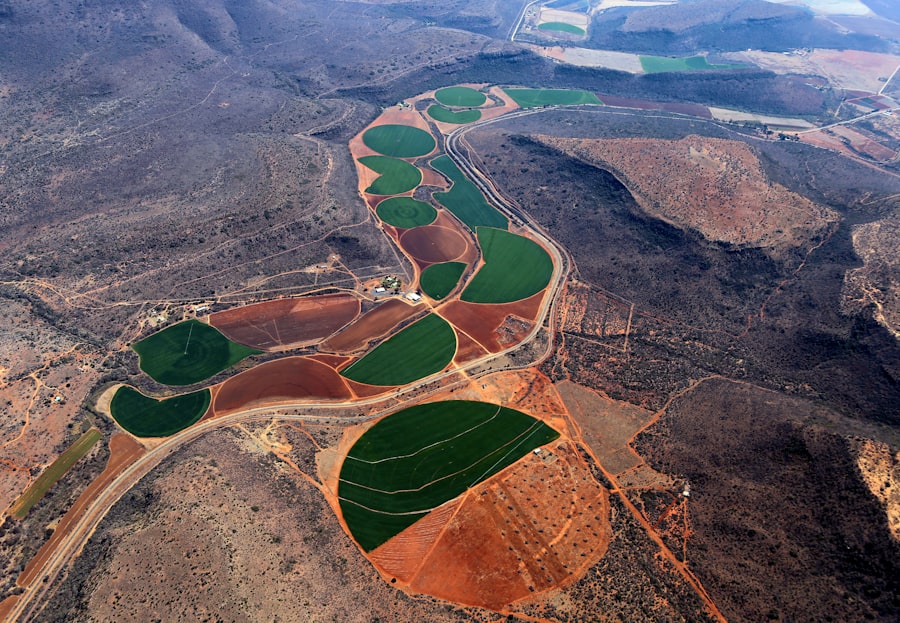
The primary driver for institutional investors is, of course, financial returns. Water-linked land offers a compelling proposition for both capital appreciation and stable income generation, particularly when viewed through a long-term lens.
Capital Appreciation Dynamics
The intrinsic value of water-linked land is inherently tied to its essentiality and the increasing pressures on water resources. As these pressures mount, so too does the potential for significant capital appreciation.
Scarcity and Demand Fundamentals
- Finite Resource Value: Water, and by extension the land that controls access to it, is not a renewable commodity in the same way that many manufactured goods are. Its finite nature inherently supports its long-term value.
- Growing Global Needs: A growing global population and expanding economies will continue to drive demand for water across all sectors – agriculture, industry, and domestic use. This sustained demand underpins asset value.
Infrastructure and Development Leverage
- Enabling Development: Access to water is a prerequisite for many types of development. Land with water access becomes a more attractive and valuable site for new projects, driving up its price.
- Government Investment: In many cases, governments invest in water infrastructure (dams, pipelines, treatment plants) that can directly enhance the value of adjacent or connected land.
Income Generation Through Diverse Avenues
Beyond simple appreciation, water-linked land provides numerous opportunities for generating consistent income streams, making it an attractive component of a diversified investment portfolio.
Agricultural Leases and Royalties
- Securing Food Supply: Leasing land to agricultural producers who rely on water access provides a stable, recurring income. The long-term nature of food production creates predictable revenue.
- Water Rights and Usage Fees: In regions with formalized water rights, investors may be able to derive income from licensing water usage to third parties.
Industrial and Commercial Leases
- Strategic Site Value: Businesses that require water for their operations (e.g., manufacturing, processing, energy) are willing to pay a premium for land with reliable water access.
- Port and Logistics Operations: Leasing land to port operators, logistics companies, and warehousing facilities can generate substantial rental income, especially in strategically important waterfront locations.
Tourism and Hospitality Revenue
- Recreational Land Use: Leasing land for recreational purposes, such as marinas, campgrounds, or eco-tourism ventures, can generate significant revenue, particularly in desirable waterfront locations.
- Development of Resorts and Hotels: Investing in or partnering with developers of waterfront resorts and hotels leverages the inherent appeal of water-linked properties for the hospitality sector.
Resilience in the Face of Climate Change: A Strategic Imperative

The increasing frequency and intensity of climate-related events are forcing a re-evaluation of investment risk. Water-linked land, when strategically chosen, offers a unique form of resilience that is becoming increasingly attractive to sophisticated investors.
Reduced Vulnerability to Certain Climate Impacts
While no asset is entirely immune, certain types of water-linked land can exhibit a remarkable resilience to specific climate challenges. This resilience is a key differentiator in today’s investment landscape.
Coastal Defenses and Elevation
- Natural Buffers: Some coastal land, particularly areas with natural marshlands or mangrove forests, can act as natural buffers against storm surges and coastal erosion, offering a degree of protection to inland areas.
- Higher Ground Opportunities: Within coastal zones, investors can strategically acquire land on higher elevations, providing a natural safeguard against rising sea levels and flooding.
Water Scarcity Mitigation
- Reliable Water Sources: Land with direct access to stable groundwater aquifers or reliable river systems is inherently more resilient to drought conditions than land dependent on unpredictable rainfall.
- Water Management Infrastructure: Investments in water storage, purification, and efficient irrigation systems can further enhance the resilience of water-linked agricultural land during periods of scarcity.
Diversification Benefits and Risk Mitigation
For institutional investors, diversification is not merely an option; it is a cornerstone of risk management. Water-linked land can offer valuable diversification benefits by providing exposure to an asset class that may behave differently from traditional investments during certain economic or climate-related downturns.
Correlation with Other Asset Classes
- Counter-Cyclical Potential: In times of economic recession or significant climate-related disruption to other sectors (e.g., technology, conventional real estate), essential resources like water and the land that provides them may exhibit more stable or even appreciating values.
- Inflation Hedge: Assets tied to tangible resources like land and water can often act as a hedge against inflation, as their value is not solely dependent on monetary policy.
Portfolio Stability and Fiduciary Duty
- Long-Term Stability: The long-term, essential nature of water-linked assets contributes to the overall stability of and investor’s portfolio, aligning with their fiduciary duty to protect capital over extended periods.
- Meeting Stakeholder Expectations: As stakeholders increasingly demand sustainable and resilient investments, portfolios that incorporate water-linked land can better meet these expectations.
Institutional investors are increasingly turning their attention to water-linked land as a strategic asset in response to growing concerns about water scarcity and climate change. This trend is driven by the recognition that access to clean water is becoming a critical resource, making such investments not only environmentally sustainable but also financially lucrative. For a deeper understanding of this phenomenon, you can explore a related article that discusses the implications of these investments and their potential impact on the market. Check it out here.
The Future Outlook: Growing Demand and Evolving Strategies
| Reasons | Metrics |
|---|---|
| Scarcity of water resources | Decreasing water availability per capita |
| Increasing demand for water | Rising global population and industrial usage |
| Potential for profit | Opportunity for long-term investment and development |
| Risk diversification | Adding water-linked assets to investment portfolios |
The current interest in water-linked land is not a temporary phenomenon. Projections indicate that this trend will continue to grow as the challenges of water scarcity and climate change become more pronounced. Institutional investors are adapting their strategies to capitalize on this evolving landscape.
The Growing Importance of Water Security
As global water security becomes an increasingly pressing concern for governments and populations alike, the strategic importance of land with reliable water access will only amplify. This translates directly into increased investment demand.
Geopolitical Implications of Water Scarcity
- Resource Competition: In regions facing acute water stress, competition for this vital resource can lead to geopolitical tensions. Land with assured water access becomes a strategically valuable asset in such environments.
- National Security Considerations: For some nations, controlling and securing access to water resources is increasingly viewed as a matter of national security, influencing investment policies.
Innovation in Water Management and Technology
- Smart Water Solutions: Advances in water technology, such as desalination, water recycling, and precision irrigation, will continue to enhance the value and utility of water-linked land, making previously marginal areas more viable.
- Data-Driven Investment: Sophisticated investors are increasingly leveraging data analytics and geospatial technology to identify prime water-linked land assets, assess risks, and optimize their investments.
Evolving Investment Vehicles and Strategies
Institutional investors are employing a range of increasingly sophisticated vehicles and strategies to access and manage water-linked land investments.
Direct Ownership Versus Managed Funds
- Direct Investment: Some of the largest institutional investors may opt for direct ownership of significant water-linked land holdings, allowing for greater control and customization of management strategies.
- Specialized Funds: The emergence of specialized investment funds focused on natural resources, sustainable agriculture, and climate-resilient real estate provides accessible avenues for a broader range of institutional investors to participate in this market.
Public-Private Partnerships and Collaboration
- Infrastructure Development: Collaboration between institutional investors and public entities can lead to the development of essential water infrastructure (e.g., reservoirs, pipelines), which in turn enhances the value of surrounding land.
- Conservation Initiatives: Partnerships focused on conservation and sustainable land management can unlock new revenue streams through mechanisms like carbon credits and ecological service markets.
The Long-Term Vision: Water as the New Gold
The phrase “water is the new gold” is becoming increasingly apt. While gold has historically served as a store of value, water is fundamental to life itself and to economic activity. Institutional investors, with their long-term perspectives, are recognizing this profound truth. They are not simply buying land; they are investing in a fundamental resource whose value is poised to appreciate significantly in the coming decades, driven by necessity, scarcity, and the undeniable realities of a changing planet. Your strategic acquisition of water-linked land is a clear indicator of this foresight, a calculated bet on an asset that is as essential as it is increasingly valuable.
FAQs
1. What is driving institutional investors to buy up water-linked land?
Institutional investors are buying up water-linked land due to increasing concerns about water scarcity and the potential for water to become a valuable commodity in the future. They see water-linked land as a strategic investment to capitalize on the growing demand for water resources.
2. How are institutional investors approaching water-linked land investments?
Institutional investors are approaching water-linked land investments by acquiring properties with access to water sources such as rivers, lakes, and aquifers. They are also investing in water infrastructure and technology to improve water management and conservation on these properties.
3. What are the potential implications of institutional investors buying up water-linked land?
The potential implications of institutional investors buying up water-linked land include increased competition for water resources, potential impacts on local communities and ecosystems, and the commodification of water. There are also concerns about the long-term control and ownership of water resources by private entities.
4. How does the trend of institutional investors buying up water-linked land impact agriculture and food production?
The trend of institutional investors buying up water-linked land can impact agriculture and food production by influencing water access and pricing. This could potentially lead to changes in farming practices, crop selection, and food supply chains as water becomes a more valuable and contested resource.
5. What are the regulatory and ethical considerations surrounding institutional investors’ involvement in water-linked land investments?
Regulatory and ethical considerations surrounding institutional investors’ involvement in water-linked land investments include concerns about water rights, environmental stewardship, and the equitable distribution of water resources. There is a need for transparent and responsible investment practices to ensure the sustainable management of water-linked land and its associated resources.