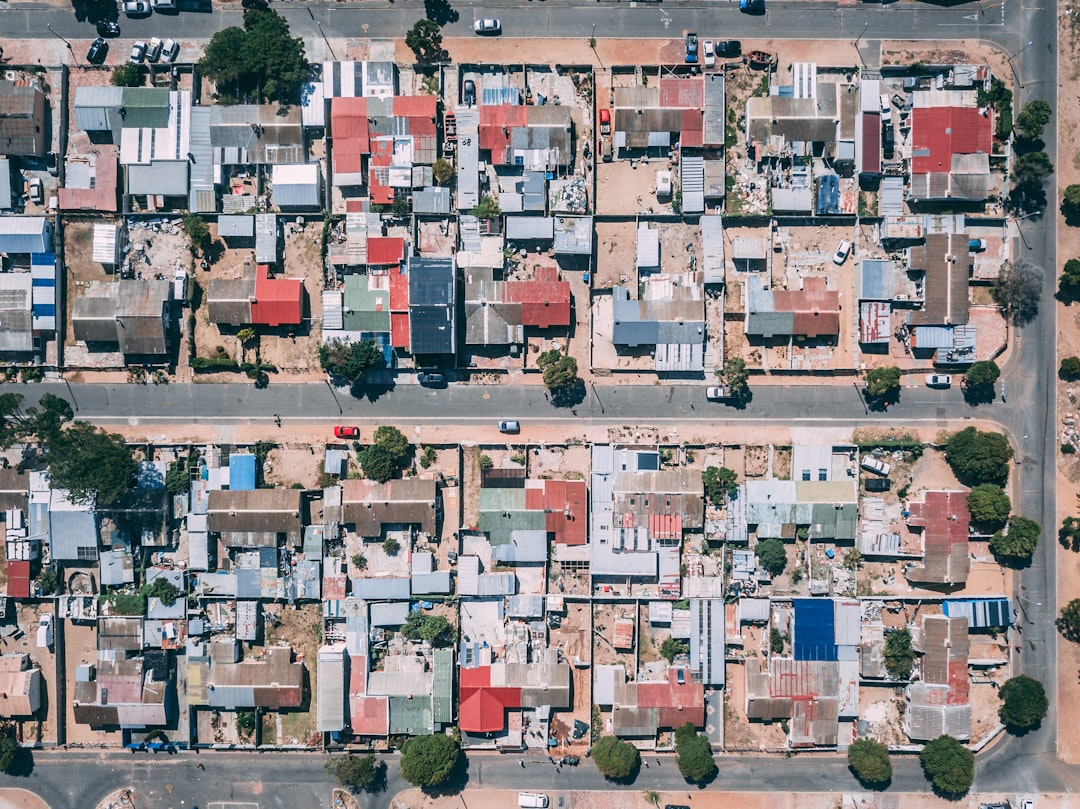
In recent years, the cost of housing has surged dramatically across many urban and suburban areas, creating a significant burden for individuals and families alike. This increase can be attributed to a variety of factors, including a booming economy, low unemployment rates, and a growing population that has intensified demand for housing. In cities like San Francisco, New York, and Seattle, the median home prices have skyrocketed, often outpacing wage growth and leaving many potential buyers priced out of the market.
The National Association of Realtors reported that the median existing-home price in the United States reached an all-time high in 2021, reflecting a trend that has continued into subsequent years. Moreover, the rising cost of housing is not limited to purchasing homes; rental prices have also seen a steep incline.
S.
Department of Housing and Urban Development (HUD), rental prices have increased by over 30% in some metropolitan areas since 2015. This escalation is exacerbated by a shortage of available housing units, as new construction often fails to keep pace with demand. The combination of high demand and limited supply has created a perfect storm, making it increasingly difficult for individuals and families to secure affordable housing options.
Key Takeaways
- Housing costs are increasing, severely affecting low-income families and leading to displacement.
- There is a significant shortage of affordable housing options, exacerbating homelessness and housing insecurity.
- Government policies, developers, and landlords play crucial roles in shaping housing availability and affordability.
- Community advocacy highlights racial and economic disparities, pushing for equitable housing solutions.
- Innovative strategies and initiatives are essential for creating sustainable, affordable housing in the future.
Impact on Low-Income Families
The rising cost of housing has had a particularly devastating impact on low-income families, who often find themselves at the mercy of an unforgiving market. As housing costs consume a larger portion of their income, these families are forced to make difficult choices between essential needs such as food, healthcare, and education. The U.S. Census Bureau reports that nearly 30% of American households are considered “cost-burdened,” meaning they spend more than 30% of their income on housing. For low-income families, this burden can be even more pronounced, leading to increased financial stress and instability. Additionally, the financial strain caused by high housing costs can have long-term consequences for children in low-income families. Studies have shown that children who grow up in unstable housing situations are more likely to experience negative educational outcomes, including lower academic performance and higher dropout rates. The lack of stable housing can also contribute to mental health issues, as families grapple with the anxiety and uncertainty that comes with housing insecurity. As such, the rising cost of housing not only affects immediate financial stability but also has far-reaching implications for future generations.
Displacement and Gentrification

As neighborhoods undergo gentrification—where wealthier individuals move into historically lower-income areas—long-time residents often face displacement. This phenomenon is particularly evident in cities experiencing rapid economic growth, where rising property values and rents push out those who can no longer afford to live there. Gentrification can lead to a loss of cultural identity and community cohesion, as established residents are replaced by newcomers who may not share the same values or history.
The displacement caused by gentrification is not merely an economic issue; it also raises significant social and ethical questions. For instance, in neighborhoods like Harlem in New York City or the Mission District in San Francisco, long-time residents have been forced to relocate due to skyrocketing rents and property taxes. This displacement can fracture communities and disrupt social networks that have existed for generations.
Furthermore, it often leads to increased tensions between new residents and those who have been displaced, creating a divide that can be difficult to bridge.
Lack of Affordable Housing Options
The lack of affordable housing options is a critical issue that compounds the challenges faced by low-income families and individuals. Many cities have seen a decline in the availability of affordable units due to various factors, including zoning laws that favor high-end developments over affordable housing projects. In many cases, developers are incentivized to build luxury apartments or condominiums because they yield higher profits compared to affordable units.
This trend has resulted in a significant gap between the supply of affordable housing and the demand for it. Moreover, the existing affordable housing stock is often in disrepair or located in less desirable areas, further limiting options for those in need. According to HUD, there is a shortage of approximately 7 million affordable rental homes available for extremely low-income renters.
This scarcity forces many families to live in substandard conditions or seek housing in areas with limited access to essential services such as transportation, healthcare, and education. The lack of affordable options not only exacerbates economic disparities but also perpetuates cycles of poverty that are difficult to escape.
Government Policies and Initiatives
| Metric | Value | Unit | Notes |
|---|---|---|---|
| Percentage of Income Spent on Housing | 30-50 | % | Common range for cost-burdened households |
| Number of Cost-Burdened Households | 20 million | Households | Households spending more than 30% of income on housing |
| Affordable Housing Units Needed | 7 million | Units | Estimated shortage in the US |
| Median Rent Increase (Last 5 Years) | 15 | % | Average increase in urban areas |
| Homeless Population | 580,000 | People | Estimated number in the US |
| Average Waiting Time for Affordable Housing | 2-5 | Years | Varies by region |
| Percentage of Low-Income Renters Facing Severe Cost Burden | 40 | % | Spending more than 50% of income on rent |
In response to the growing crisis of affordable housing, various government policies and initiatives have been proposed and implemented at both local and federal levels. Programs such as the Low-Income Housing Tax Credit (LIHTC) have been instrumental in encouraging private developers to create affordable housing units by providing tax incentives. Additionally, some cities have adopted inclusionary zoning laws that require developers to set aside a percentage of new units for low- and moderate-income residents.
However, while these initiatives represent steps toward addressing the affordable housing crisis, they often fall short of meeting the overwhelming demand. Critics argue that many government programs are underfunded or poorly designed, leading to limited effectiveness in alleviating housing insecurity. Furthermore, bureaucratic hurdles can delay the construction of new affordable units, leaving many families waiting for relief that may never come.
As such, while government intervention is crucial in tackling the affordable housing crisis, it must be accompanied by comprehensive strategies that address the root causes of the issue.
Homelessness and Housing Insecurity

The rising cost of housing has also contributed significantly to the increase in homelessness and housing insecurity across the United States. As more individuals and families find themselves unable to afford stable housing, they are at greater risk of becoming homeless or living in temporary accommodations such as shelters or motels. According to the U.S. Interagency Council on Homelessness, on any given night in January 2020, over 580,000 people were experiencing homelessness in America—a number that has likely increased due to the economic fallout from the COVID-19 pandemic. Housing insecurity manifests in various forms, from individuals living paycheck to paycheck without a safety net to families doubling up with relatives or friends due to financial strain. This precarious situation can lead to a cycle of instability that is difficult to break. For instance, children who experience homelessness are more likely to face educational disruptions and health issues, compounding their challenges as they grow older. Addressing homelessness requires not only immediate solutions such as emergency shelters but also long-term strategies aimed at increasing access to affordable housing.
The Role of Developers and Landlords
Developers and landlords play a pivotal role in shaping the landscape of affordable housing—or lack thereof—in communities across the nation. While some developers are committed to creating affordable units as part of their projects, others prioritize profit margins over community needs. This profit-driven approach can lead to an oversaturation of luxury developments while neglecting the pressing demand for affordable housing options.
Landlords also contribute to the affordability crisis through practices such as rent increases and evictions. In many cases, landlords may raise rents significantly after a tenant’s lease expires or may choose not to renew leases altogether when they see an opportunity to rent at a higher rate. Such actions can displace long-term tenants who may have established roots in their communities.
Furthermore, predatory practices by some landlords can exacerbate housing insecurity among vulnerable populations, making it essential for policymakers to implement regulations that protect tenants’ rights.
Community Advocacy and Activism
In response to the challenges posed by rising housing costs and displacement, community advocacy and activism have emerged as powerful forces for change. Grassroots organizations and coalitions have mobilized residents to advocate for policies that promote affordable housing development and tenant protections. These groups often work tirelessly to raise awareness about the impact of gentrification and displacement on local communities while pushing for legislative reforms at various levels of government.
One notable example is the “Homes Guarantee” campaign launched by organizations like People’s Action and other grassroots groups across the country. This initiative calls for comprehensive policies aimed at ensuring safe and affordable housing for all individuals regardless of income level. Activists have organized protests, town hall meetings, and public forums to engage community members in discussions about their housing needs and rights.
Through these efforts, community advocacy has become an essential component of the broader movement for social justice and equity in housing.
Racial and Economic Disparities in Housing
Racial and economic disparities are deeply entrenched in the fabric of American housing policy and practice. Historically marginalized communities—particularly Black, Indigenous, and people of color—have faced systemic barriers that limit their access to affordable housing opportunities. Discriminatory practices such as redlining have contributed to significant wealth gaps between racial groups, making it more challenging for these communities to secure stable housing.
The consequences of these disparities are evident in many urban areas where predominantly minority neighborhoods experience higher rates of displacement due to gentrification. As property values rise, long-time residents are often pushed out in favor of wealthier newcomers who may not have any ties to the community. This cycle perpetuates inequality and reinforces existing social divides based on race and class.
Addressing these disparities requires not only targeted policies aimed at increasing access to affordable housing but also broader efforts to dismantle systemic racism within housing markets.
Solutions and Strategies for Affordable Housing
To effectively tackle the affordable housing crisis, a multifaceted approach is necessary—one that combines policy reform with innovative solutions at local levels. One promising strategy is the development of community land trusts (CLTs), which allow communities to collectively own land while ensuring long-term affordability for residents. By removing land from speculative markets, CLTs can provide stable housing options for low- and moderate-income families while preserving community control over development decisions.
Another potential solution lies in increasing funding for public housing initiatives and rental assistance programs such as Housing Choice Vouchers (formerly known as Section 8). These programs can help bridge the gap between income levels and rising rental costs by providing financial support directly to tenants. Additionally, expanding access to supportive housing for individuals experiencing homelessness or those with special needs can create pathways toward stability while addressing immediate crises.
The Future of Affordable Housing
The future of affordable housing hinges on our collective ability to confront systemic challenges head-on while fostering innovative solutions that prioritize equity and accessibility. As cities continue to grow and evolve, it is crucial for stakeholders—including government officials, developers, community organizations, and residents—to collaborate on strategies that address both current needs and long-term sustainability. Emerging trends such as modular construction techniques offer exciting possibilities for reducing building costs while increasing efficiency in creating new units.
Additionally, leveraging technology through platforms that connect tenants with available resources can empower individuals facing housing insecurity by providing them with vital information about their rights and available assistance programs. Ultimately, creating a future where affordable housing is accessible requires a commitment from all sectors of society—one that recognizes housing as a fundamental human right rather than merely a commodity subject to market forces. By prioritizing inclusive policies that address historical injustices while fostering community engagement at every level, we can work toward building resilient neighborhoods where everyone has a place they can call home.
The affordable housing crisis continues to be a pressing issue in many urban areas, exacerbated by rising costs and stagnant wages. For a deeper understanding of the economic factors contributing to this crisis, you can read the insightful article on wealth accumulation and its impact on housing markets at How Wealth Grows. This resource provides valuable context on how wealth disparities influence access to affordable housing and the broader implications for communities.
FAQs
What is the affordable housing crisis?
The affordable housing crisis refers to the widespread shortage of housing options that are affordable to low- and moderate-income individuals and families. This shortage leads to increased housing costs, overcrowding, and homelessness in many communities.
What causes the affordable housing crisis?
Several factors contribute to the affordable housing crisis, including rising construction costs, limited availability of land, zoning restrictions, increased demand due to population growth, and insufficient government funding for affordable housing programs.
Who is most affected by the affordable housing crisis?
Low-income families, seniors on fixed incomes, people with disabilities, and essential workers are among the groups most affected by the affordable housing crisis. These populations often struggle to find safe, stable, and affordable housing.
How does the affordable housing crisis impact communities?
The crisis can lead to increased homelessness, overcrowding, and housing instability. It also affects economic growth, as workers may be unable to live near their jobs, and can strain public services and infrastructure.
What are common solutions to address the affordable housing crisis?
Solutions include increasing funding for affordable housing development, revising zoning laws to allow for more diverse housing types, incentivizing private developers to build affordable units, and expanding rental assistance programs.
How can individuals help alleviate the affordable housing crisis?
Individuals can support local affordable housing initiatives, advocate for policy changes, volunteer with organizations that assist homeless or low-income populations, and raise awareness about the importance of affordable housing.
Is the affordable housing crisis a global issue?
Yes, many countries around the world face challenges related to affordable housing, though the severity and specific causes can vary depending on local economic, social, and political factors.