
Navigating the contemporary food landscape can feel like charting an ocean, vast and often opaque. As an eco-conscious consumer, you’re likely seeking currents that lead to a more sustainable future, and supporting local sustainable farming is a significant one. This article will guide you through the practicalities of becoming a more effective advocate for these agricultural practices, offering actionable advice and insights into the ‘why’ behind your choices.
Learn more about corporate control by watching this insightful video corporate control.
Before you can effectively support, you must first understand what you’re supporting. Local sustainable farming is not merely about proximity; it’s a tapestry woven with ecological, social, and economic threads, each contributing to a resilient and responsible food system.
Defining “Local”
- Geographic Proximity: While often debated, “local” typically refers to food produced within a specific radius of consumption, ranging from 50 to 400 miles. This reduction in food miles inherently lowers the carbon footprint associated with transportation.
- Direct Relationships: More profoundly, “local” often implies a direct relationship between producer and consumer. This transparency allows you to inquire about farming methods, animal welfare, and labor practices directly at the source.
Defining “Sustainable”
- Environmental Stewardship: Sustainable farming prioritizes ecological balance. This includes practices like crop rotation, cover cropping, reduced synthetic pesticide and fertilizer use, water conservation, and biodiversity preservation. It works with nature, not against it, aiming to replenish the soil and protect surrounding ecosystems.
- Economic Viability: A farm cannot be sustainable if it cannot sustain itself. This aspect involves fair pricing for farmers, access to markets, and diversified income streams that allow the farm to thrive economically over the long term.
- Social Equity: Sustainable farming also considers the well-being of farm workers and communities. This encompasses fair wages, safe working conditions, and equitable access to nutritious food within the community. It’s about a just supply chain from field to fork.
Why These Distinctions Matter to You
Your understanding of these definitions empowers you to make informed decisions. When you encounter a product labeled “local,” you’re equipped to ask further questions about its sustainability bona fides. Is the farm merely nearby, or does it also embody ethical and ecological principles? Your discernment becomes a crucial tool for vetting the claims you encounter.
Supporting local sustainable farming is crucial for fostering community resilience and promoting environmental health. One effective way to get involved is by educating yourself on the various methods and practices that contribute to sustainable agriculture. For more insights and practical tips on how to support local farmers and enhance sustainable practices in your area, you can check out this informative article at How to Support Local Sustainable Farming. By engaging with these resources, you can make a positive impact on your local food system and help create a more sustainable future.
Identifying Local Sustainable Farmers and Products
The quest to find local sustainable food can sometimes feel like a treasure hunt, but with the right tools and strategies, you can unearth valuable sources. Your objective is not just to buy food, but to forge connections with the people who grow it.
Farmers’ Markets: Your Primary Hub
- Direct Interaction: Farmers’ markets are arguably your most potent entry point. Here, you can speak directly with farmers, asking about their cultivation methods, soil health practices, pest management strategies, and more. This direct dialogue builds trust and offers unparalleled transparency.
- Seasonal Awareness: Visiting a farmers’ market regularly will inherently attune you to seasonal eating. You’ll learn what grows when, fostering an appreciation for the natural rhythms of agriculture and reducing your reliance on out-of-season produce flown in from distant lands.
- Supporting Small Businesses: Your purchases at farmers’ markets directly inject capital into local economies, supporting small and medium-sized agricultural enterprises that often struggle against the scale of industrial agriculture.
Community Supported Agriculture (CSA) Programs
- Shared Risk and Reward: A CSA membership is a commitment, a subscription to a farm’s harvest. You typically pay upfront for a season, receiving a weekly or bi-weekly box of seasonal produce. This model provides farmers with crucial early-season capital and allows you to share in the bounty – and occasionally, the vagaries – of the harvest.
- Deep Connection to the Farm: CSAs often foster a deeper connection, with newsletters from the farmer, farm tours, and sometimes even opportunities to volunteer. You become intimately familiar with the farm that feeds you.
- Reduced Food Waste: CSAs often help reduce food waste as farmers harvest what is needed for their members, rather than speculating on market demand. You, in turn, are encouraged to utilize all contents of your box.
Local Food Co-ops and Specialty Stores
- Curated Selection: Many food co-ops and independent grocery stores prioritize sourcing from local and sustainable farms. They often have established relationships with producers and can provide information about their practices.
- Wider Product Range: While farmers’ markets excel in produce, co-ops and specialty stores often offer a broader range of sustainable local products, including dairy, meats, baked goods, and pantry staples.
- Look for Certifications and Information: While not always definitive, certifications like “Organic” (though not inherently “local”) or labels indicating regional sourcing can guide your choices. More importantly, look for detailed signage or staff who can speak to the provenance of the products.
Online Directories and Apps
- Virtual Mapping: Websites like LocalHarvest.org, Eat Well Guide, and others offer searchable databases of local farms, CSAs, and farmers’ markets. These digital tools can serve as your compass, guiding you through the local food landscape.
- Filtering Options: Many platforms allow you to filter by specific criteria, such as organic certification, animal welfare practices, or types of products offered. Utilize these features to align your search with your values.
Your proactive engagement with these resources is key. Don’t just browse; reach out, ask questions, and visit. Each interaction strengthens the local food web.
Making Informed Choices: Beyond the Label
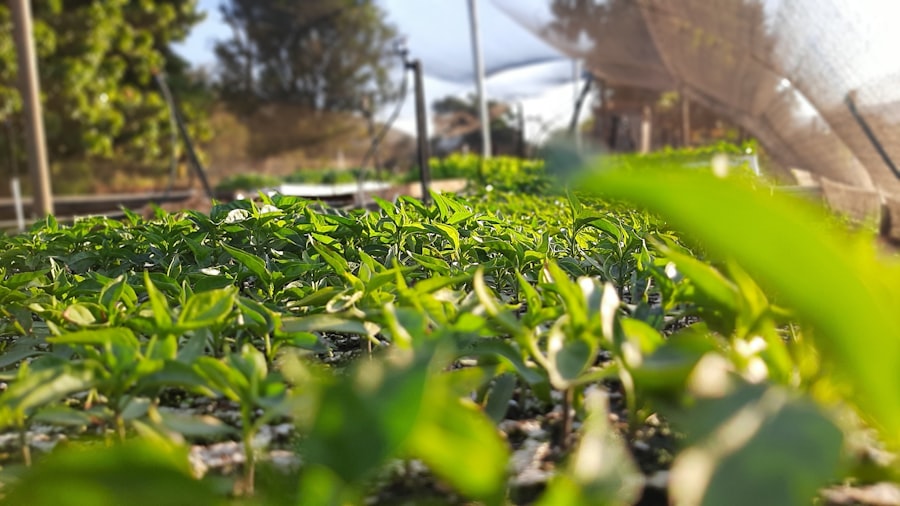
The path to supporting local sustainable farming isn’t always paved with clear labels. Often, it requires you to become a detective, sifting through information and engaging in thoughtful inquiry. Your purchasing power is a vote, and you want to ensure it’s cast wisely.
Understanding Labels and Certifications
- Organic Certification: While generally a positive indicator for environmental practices, “organic” does not inherently mean “local.” An organic avocado from California is still less local to a New York consumer than conventionally grown apples from a nearby orchard. Understand the nuances.
- Local-Specific Labels: Some regions or states have their own “local” certification programs. Familiarize yourself with any such initiatives in your area.
- Beyond Certified Organic: Many small, sustainable farms practice organic or even biodynamic methods but cannot afford the costly and time-consuming certification process. This is where direct communication with the farmer becomes invaluable. Ask about their pest management, fertilization, and soil health practices.
Asking the Right Questions
- “Do you use synthetic pesticides/herbicides/fertilizers?” This directly addresses the chemical input aspect of sustainability.
- “How do you manage soil health?” Responses about cover cropping, compost, and crop rotation indicate a commitment to long-term soil fertility, the foundation of sustainable agriculture.
- “What are your animal welfare practices?” If purchasing meat or dairy, inquire about pasture access, feed sources, and living conditions of the animals. Humane treatment is a cornerstone of ethical farming.
- “Do you employ fair labor practices?” This acknowledges the social dimension of sustainability, recognizing the vital role of farm workers.
- “Where exactly is your farm located?” This confirms the “local” aspect and helps you visualize the journey of your food.
Beware of Greenwashing
- Vague Language: Be wary of terms like “natural” or “farm fresh” that lack concrete definitions or certifications. These can be marketing tools intended to evoke sustainability without genuinely practicing it.
- Misleading Imagery: Pastoral scenes on packaging do not always accurately reflect the farming practices behind the product. Your critical eye is your best defense against superficial claims.
Your discernment separates a truly sustainable choice from mere marketing rhetoric. Invest the time to understand the practices behind your food, and your support will carry more weight.
Integrating Local Sustainable Foods into Your Lifestyle

Adopting a local sustainable food diet doesn’t require an overnight transformation. It’s a gradual journey of conscious choices, leading to a more engaged and often more flavorful culinary experience. Treat it as an evolving recipe, adapting to your circumstances.
Prioritizing Seasonal Eating
- Embrace Variety: Eating seasonally encourages culinary creativity. Instead of demanding tomatoes year-round, you learn to appreciate berries in summer and root vegetables in winter. This attunes you to the natural cycle of food production.
- Peak Flavor and Nutrition: Produce harvested at its peak season, travel-weary and waiting for refrigeration or artificial ripening, offers superior flavor and nutritional value. It’s the difference between a sun-ripened berry and a pale, acidic import.
- Cost-Effectiveness: Seasonal produce is often more abundant and therefore more affordable. It’s a pragmatic way to support local while managing your budget.
Cooking and Preservation
- Batch Cooking: When you receive a bounty of seasonal produce, consider batch cooking and preserving. Freezing, canning, pickling, and dehydrating allow you to extend the lifespan of your local harvest, enjoying it even when out of season.
- Creative Usage: Experiment with new recipes that feature seasonal ingredients. Cookbooks focused on seasonal eating or online resources can be invaluable here. Don’t be afraid to try an unfamiliar vegetable from the farmers’ market; it’s an opportunity for discovery.
- Reducing Food Waste at Home: By planning meals around your local purchases and employing preservation techniques, you actively reduce food waste in your own kitchen, further enhancing the sustainability of your diet.
Budgeting for Sustainable Choices
- Re-prioritize Spending: Sustainable local food may sometimes carry a higher price tag than industrially produced alternatives. Consider reallocating parts of your food budget. Perhaps you reduce spending on highly processed convenience foods, freeing up resources for higher-quality, ethically produced staples.
- Understanding True Cost: The “true cost” of industrial food often doesn’t account for environmental degradation, worker exploitation, or public health impacts. While local sustainable food might cost more at the register, it often represents a more honest price, internalizing these externalized costs.
- Cooking from Scratch: By cooking more meals at home using whole, local ingredients, you often save money compared to eating out or purchasing pre-made items, even if the primary ingredients are slightly more expensive.
Your lifestyle choices, from how you cook to how you allocate your budget, are powerful determinants of your impact. Each small adjustment contributes to a larger shift.
Supporting local sustainable farming is essential for promoting environmental health and boosting local economies. One effective way to get involved is by purchasing produce directly from farmers’ markets or joining a community-supported agriculture (CSA) program. These initiatives not only provide fresh, seasonal food but also strengthen the connection between consumers and local growers. For more insights on how to support sustainable practices in your community, you can read this informative article on local initiatives at How Wealth Grows. Engaging with these resources can help you make a positive impact while enjoying the benefits of locally sourced food.
Advocacy and Community Engagement
| Support Method | Description | Impact Metric | Example Actions |
|---|---|---|---|
| Buy Directly from Farmers | Purchasing produce directly from local farmers reduces intermediaries and supports their income. | Increases farmer revenue by up to 30% | Visit farmers’ markets, join CSA programs |
| Participate in Community Supported Agriculture (CSA) | Consumers subscribe to receive regular shares of farm produce, providing farmers with upfront capital. | Improves farm cash flow stability by 40% | Subscribe to local CSA boxes |
| Advocate for Local Food Policies | Support policies that promote sustainable farming practices and local food systems. | Increases local farm land protection by 15% | Engage in community meetings, support local food legislation |
| Reduce Food Waste | Minimizing waste helps farmers by ensuring more of their produce is consumed. | Reduces food waste by 20-30% | Plan meals, compost scraps |
| Support Organic and Regenerative Practices | Encourage farming methods that improve soil health and biodiversity. | Enhances soil carbon sequestration by 10-15% | Choose certified organic produce, learn about regenerative farms |
Your support for local sustainable farming extends beyond your purchasing decisions. You also become a voice, a link in the chain that strengthens the entire local food movement. Your actions can inspire others and foster a more resilient, community-centric food system.
Spreading the Word
- Educate Friends and Family: Share your knowledge and enthusiasm with those around you. Explain the benefits of local sustainable food, the stories behind the farms you support, and the positive impact of their choices.
- Social Media Advocacy: Utilize your social media platforms to highlight local farms, share recipes using seasonal produce, and promote farmers’ markets or CSA programs. Your authentic engagement can be highly influential.
- Host a Local Food Gathering: Organize a potluck featuring dishes made from local ingredients. This can be a delicious and engaging way to introduce others to the flavors and philosophy of local sustainable eating.
Volunteering and Participation
- Farm Volunteer Days: Many local farms welcome volunteers for specific tasks, from planting to harvesting. This offers a hands-on experience, deepens your understanding of farming, and provides invaluable support to the farmer.
- Community Gardens: Participate in or support a local community garden. These initiatives often foster a sense of community, provide access to fresh produce, and educate participants about growing food sustainably.
- Food Policy Councils: If your community has a food policy council or similar organization, consider getting involved. These groups work to shape policies that support local food systems, food access, and agricultural land preservation.
Support Local Food Initiatives
- Donate to Food Banks Sourcing Local: Many food banks are now making efforts to source from local farms to provide fresher, more nutritious food to those in need. Inquire about such programs and consider donating if they align with your values.
- Advocate for Supportive Policies: Engage with your local representatives to advocate for policies that support small farms, protect agricultural land, and improve local food infrastructure. This could include zoning changes, funding for farmers’ markets, or incentives for sustainable practices.
Your involvement is not merely transactional; it’s transformative. By actively participating in and advocating for your local food system, you become an integral part of its growth and resilience, helping to cultivate a future where healthy, sustainably produced food is accessible to all. The journey of transforming the food system is a collective one, and your role is both significant and indispensable.
FAQs
What is local sustainable farming?
Local sustainable farming refers to agricultural practices that prioritize environmental health, economic profitability, and social equity within a specific community or region. It focuses on growing food locally using methods that conserve resources, reduce pollution, and support biodiversity.
Why is supporting local sustainable farming important?
Supporting local sustainable farming helps reduce the carbon footprint associated with long-distance food transportation, promotes healthier soil and ecosystems, strengthens local economies, and provides fresher, more nutritious food to communities.
How can consumers support local sustainable farmers?
Consumers can support local sustainable farmers by purchasing produce at farmers’ markets, joining community-supported agriculture (CSA) programs, shopping at local co-ops, and choosing products labeled as sustainably grown or organic from nearby farms.
What are some common sustainable farming practices?
Common sustainable farming practices include crop rotation, organic fertilization, integrated pest management, water conservation techniques, reduced tillage, and maintaining natural habitats to encourage beneficial insects and wildlife.
Are local sustainable farms more expensive than conventional farms?
Local sustainable farms may sometimes have higher prices due to smaller scale operations and labor-intensive practices. However, many consumers find the benefits of fresher, healthier food and environmental stewardship justify the cost.
How does local sustainable farming benefit the environment?
Local sustainable farming reduces soil erosion, conserves water, lowers greenhouse gas emissions by minimizing transportation, enhances biodiversity, and decreases reliance on synthetic chemicals that can harm ecosystems.
Can supporting local sustainable farming improve food security?
Yes, supporting local sustainable farming can improve food security by creating resilient local food systems that are less dependent on global supply chains and better able to withstand disruptions.
What role do community-supported agriculture (CSA) programs play?
CSA programs connect consumers directly with local farmers by allowing members to purchase shares of a farm’s harvest in advance. This provides farmers with upfront capital and consumers with fresh, seasonal produce, fostering a stronger local food economy.
How can schools and institutions support local sustainable farming?
Schools and institutions can support local sustainable farming by sourcing food from local farms for their cafeterias, incorporating farm-to-school programs, educating students about sustainable agriculture, and hosting farm visits or workshops.
Where can I find local sustainable farms near me?
You can find local sustainable farms through online directories, farmers’ markets, agricultural extension offices, local food co-ops, and community organizations focused on sustainable agriculture. Many regions also have websites dedicated to connecting consumers with local farms.