
In the field of space exploration, launch anticipation generates significant excitement among engineers, scientists, and enthusiasts who eagerly await missions designed to expand human knowledge. However, delays in space launch vehicles (SLVs) frequently temper this enthusiasm. These postponements arise from various factors, and comprehending them is essential for anyone following space exploration developments.
SLV delays extend beyond mere inconvenience, potentially impacting mission objectives, financial planning, and international partnerships. Launching spacecraft involves extraordinary complexity, requiring numerous sophisticated systems and technologies to function in precise coordination. Each launch represents the culmination of years of planning, research, and development efforts.
Despite thorough preparation, delays remain a persistent challenge in the aerospace industry. Examining the common causes of these delays provides insight into the obstacles faced by space exploration organizations. Recognizing these factors enhances appreciation for the extensive work involved and highlights the adaptability required to manage the inherent uncertainties of space missions.
Key Takeaways
- Space launch vehicle delays are caused by technical, environmental, supply chain, and regulatory challenges.
- Weather conditions and manufacturing issues significantly contribute to postponements.
- Delays impact mission timelines, increase costs, and affect international partnerships.
- Public confidence in space programs can be influenced by frequent launch postponements.
- Mitigation strategies focus on improving technology, supply chains, and regulatory processes for future reliability.
Common Causes of Space Launch Vehicle Delays
When examining the reasons behind SLV delays, you will find that they often fall into several broad categories. One of the most prevalent causes is technical issues. The development of a space launch vehicle involves cutting-edge technology that is constantly evolving.
As engineers work to innovate and improve upon existing designs, unforeseen complications can arise. These technical challenges may include software malfunctions, hardware failures, or integration problems that require extensive troubleshooting and testing before a launch can proceed. Another significant factor contributing to SLV delays is the intricate nature of project management within aerospace organizations.
Coordinating various teams, each with its own set of responsibilities and timelines, can be a daunting task. You may find that miscommunication or misalignment between departments can lead to setbacks in the launch schedule. Additionally, as projects progress, changes in scope or requirements can necessitate adjustments that further complicate timelines.
The interplay between technical challenges and project management issues creates a landscape where delays are often inevitable.
Technical Issues and Challenges

Diving deeper into technical issues, you will discover that they encompass a wide range of potential problems. For instance, propulsion systems are critical components of any launch vehicle, and even minor discrepancies in their performance can lead to significant delays. If engineers identify a flaw during testing, they must conduct thorough analyses and implement corrective measures before proceeding with a launch.
This process can be time-consuming and may require redesigning components or re-evaluating testing protocols. Moreover, software plays an increasingly vital role in modern space missions. As you consider the complexity of onboard systems that control navigation, communication, and telemetry, it becomes clear that software bugs or integration issues can halt progress.
The need for rigorous testing and validation means that even small errors can lead to substantial delays. In an industry where precision is paramount, addressing these technical challenges is essential to ensure mission success.
Weather and Environmental Factors
While technical issues are often at the forefront of discussions about SLV delays, environmental factors also play a crucial role. You may be surprised to learn that weather conditions can significantly impact launch schedules. Launch windows are often tightly constrained by specific atmospheric conditions required for safe liftoff and ascent.
High winds, thick clouds, or lightning can all lead to postponements as safety remains the top priority. Additionally, environmental factors extend beyond immediate weather conditions. You might consider how seasonal variations or natural phenomena such as hurricanes or wildfires can disrupt operations at launch facilities.
For instance, if a hurricane is forecasted to impact a launch site, preemptive measures may necessitate delaying a launch to ensure the safety of personnel and equipment. Understanding these environmental influences adds another layer of complexity to the already challenging landscape of space launches.
Supply Chain and Manufacturing Delays
| Launch Vehicle | Planned Launch Date | Actual Launch Date | Delay Duration (Days) | Primary Cause of Delay | Mission |
|---|---|---|---|---|---|
| Falcon 9 Block 5 | 2023-11-15 | 2023-11-22 | 7 | Weather Conditions | Starlink Deployment |
| Ariane 5 | 2024-01-10 | 2024-01-25 | 15 | Technical Anomaly | Satellite Launch |
| Atlas V 401 | 2023-12-05 | 2023-12-12 | 7 | Range Availability | GPS Satellite |
| Long March 5 | 2024-02-20 | 2024-03-05 | 13 | Engine Testing Issues | Lunar Probe |
| Vega C | 2024-03-15 | 2024-03-18 | 3 | Payload Integration Delay | Earth Observation |
As you explore further into the causes of SLV delays, supply chain and manufacturing issues emerge as significant contributors. The aerospace industry relies on a vast network of suppliers for components ranging from engines to avionics systems. Disruptions in this supply chain can have cascading effects on production schedules.
Moreover, as you consider the global nature of supply chains in aerospace, you will recognize that geopolitical factors can also play a role. Trade disputes or restrictions may impact the availability of essential materials or components needed for SLVs.
In an industry where precision and reliability are paramount, any disruption in the supply chain can lead to significant delays that ripple through entire projects.
Regulatory and Compliance Issues
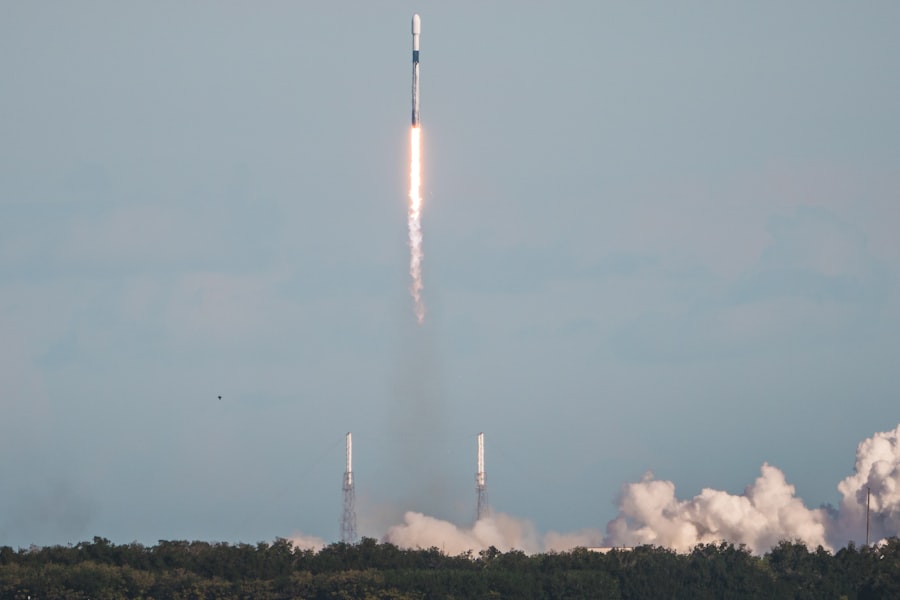
Navigating regulatory frameworks is another critical aspect that can lead to SLV delays. You may find it fascinating how space launches are subject to stringent regulations imposed by national and international bodies. These regulations are designed to ensure safety, security, and environmental protection during launches.
However, compliance with these regulations often requires extensive documentation and review processes that can extend timelines. For instance, obtaining necessary permits for a launch involves coordination with various government agencies, each with its own requirements and timelines. If any discrepancies arise during this process or if additional information is requested, it can lead to further delays.
As you consider the regulatory landscape surrounding space launches, it becomes evident that while these measures are essential for safety and accountability, they can also introduce complexities that impact launch schedules.
Impact of Space Launch Vehicle Delays on Space Missions
The ramifications of SLV delays extend far beyond mere inconvenience; they can significantly impact the success of space missions themselves. You might consider how a delay in launching a satellite could affect its intended purpose—whether it be for communication, weather monitoring, or scientific research. Each mission is meticulously planned with specific timelines in mind; thus, any delay can disrupt data collection schedules or operational readiness.
Furthermore, delays can have cascading effects on subsequent missions as well. If one launch is postponed, it may necessitate rescheduling other missions that rely on its success or data collection. This interconnectedness within mission planning underscores how critical timely launches are for maintaining momentum in space exploration efforts.
Economic and Financial Implications
The economic implications of SLV delays are profound and multifaceted. As you delve into this aspect, you will find that delays can lead to increased costs for aerospace companies and government agencies alike. Extended timelines often result in additional expenditures related to personnel, equipment maintenance, and facility operations.
These unforeseen costs can strain budgets and necessitate reallocating resources from other projects. Moreover, you might consider how delays can impact investor confidence in aerospace companies. When launches are postponed repeatedly or fail to meet projected timelines, stakeholders may question the viability of ongoing projects or future endeavors.
This erosion of confidence can have long-term consequences for funding opportunities and partnerships within the industry.
Impact on International Collaboration and Partnerships
In an era where international collaboration is increasingly vital for advancing space exploration goals, SLV delays can strain partnerships between nations and organizations. You may find it interesting how collaborative missions often involve multiple countries working together toward a common objective. When delays occur in one partner’s launch schedule, it can disrupt the entire mission timeline and create friction among collaborators.
Additionally, as countries invest heavily in their own space programs, competition may arise alongside collaboration. If one nation consistently experiences delays while others achieve timely launches, it could lead to shifts in alliances or partnerships as countries seek more reliable collaborators for future missions.
Public Perception and Confidence in Space Programs
Public perception plays a crucial role in shaping support for space programs. As you consider this aspect, you will recognize that frequent SLV delays can lead to frustration among enthusiasts and taxpayers alike.
Moreover, you might reflect on how media coverage of delays can influence public sentiment toward space exploration as a whole. Negative portrayals of setbacks may overshadow the remarkable achievements made by scientists and engineers working tirelessly behind the scenes. Maintaining transparency about challenges faced during missions is essential for fostering public trust and enthusiasm for future endeavors.
Mitigation Strategies and Future Outlook
As you contemplate potential solutions to address SLV delays, several mitigation strategies come to mind. One approach involves investing in advanced technologies that enhance reliability during testing phases. By utilizing simulations and predictive analytics, organizations can identify potential issues earlier in the development process—ultimately reducing the likelihood of last-minute delays.
Additionally, fostering open communication channels among teams involved in project management can help streamline coordination efforts and minimize misalignment between departments. Emphasizing collaboration across disciplines ensures that everyone remains informed about project timelines and potential challenges. Looking ahead at the future outlook for SLVs reveals both challenges and opportunities for growth within the industry.
As technology continues to evolve rapidly—enabling more efficient designs and manufacturing processes—there is hope that many common causes of delays will be mitigated over time. By embracing innovation while remaining adaptable amidst uncertainties inherent in space exploration endeavors, organizations can work toward achieving timely launches that inspire generations to come. In conclusion, understanding the complexities surrounding space launch vehicle delays provides valuable insights into an industry characterized by ambition and resilience.
As you reflect on these factors—from technical challenges to regulatory hurdles—you gain a deeper appreciation for those who dedicate their lives to exploring our universe despite obstacles along the way. The journey may be fraught with delays; however, it is also filled with promise as humanity continues its quest for knowledge beyond our planet’s boundaries.
Recent delays in space launch vehicles have raised concerns within the aerospace community, highlighting the challenges of meeting tight schedules in an increasingly competitive market. For a deeper understanding of the factors contributing to these delays, you can read a related article that discusses the implications of such setbacks on future missions and the overall space industry. Check it out here: How Wealth Grows.
FAQs
What are space launch vehicle delays?
Space launch vehicle delays refer to the postponements or rescheduling of planned rocket launches due to various technical, environmental, or logistical issues.
What are common causes of space launch vehicle delays?
Common causes include technical malfunctions, weather conditions, supply chain disruptions, regulatory approvals, and safety concerns.
How do weather conditions affect space launch schedules?
Adverse weather such as high winds, lightning, or heavy rain can pose risks to the rocket and crew, leading to launch postponements until conditions improve.
Can technical problems cause launch delays?
Yes, issues with rocket components, software glitches, or ground support equipment failures often require troubleshooting and repairs, resulting in delays.
How do regulatory approvals impact launch timelines?
Launches must comply with government regulations and obtain necessary permits; delays in approvals can push back scheduled launch dates.
Are supply chain issues a factor in launch delays?
Yes, delays in manufacturing or delivering critical parts and materials can slow down vehicle assembly and testing, causing launch schedule changes.
What is the impact of launch delays on space missions?
Delays can increase mission costs, affect satellite deployment timelines, and disrupt coordination with other space activities.
How do space agencies communicate about launch delays?
Agencies typically issue official statements, updates on websites, and social media posts to inform the public and stakeholders about changes in launch schedules.
Can launch delays improve mission safety?
Yes, postponing a launch to address issues or wait for better conditions helps ensure the safety of the crew, payload, and equipment.
Are launch delays common in the space industry?
Yes, given the complexity and risks involved, delays are a routine part of space launch operations and are often necessary to ensure mission success.