
Space collapse refers to the potential catastrophic chain reaction known as the Kessler Syndrome, where increasing density of objects in Earth’s orbit leads to collisions between satellites and debris. These collisions generate additional debris fragments, which can trigger further collisions, creating a cascading effect that could render certain orbits unusable for generations. This concept highlights the vulnerability of our current space environment and emphasizes the urgent need for effective management strategies.
The implications of space collapse present tangible threats to our technological infrastructure and future space endeavors. With thousands of satellites being launched annually, collision risks increase exponentially. Currently, thousands of debris pieces orbit Earth, elevating the likelihood of a catastrophic event.
This situation necessitates critical thinking about sustainable space utilization practices that can protect the orbital environment for future generations.
Key Takeaways
- Space collapse poses significant risks to astronomical research and space exploration efforts.
- The space industry faces substantial economic losses due to disruptions caused by space collapse.
- Satellite communication and global positioning systems are critically affected, impacting daily life and security.
- Environmental consequences and challenges in managing space debris are major concerns linked to space collapse.
- Mitigation strategies are essential to address threats to national security, space tourism, and sustainable space activities.
Impact on Astronomical Research
The ramifications of space collapse on astronomical research are profound and multifaceted. As you ponder the implications, consider how the increasing clutter in space can obstruct telescopes and other observational instruments. The presence of debris can create light pollution and interfere with the clarity of images captured by ground-based and space-based telescopes.
This interference can hinder your ability to study celestial phenomena, ultimately stifling advancements in our understanding of the universe. Moreover, as you reflect on the future of astronomical research, it becomes evident that a compromised orbital environment could limit access to space for new observatories. The construction and deployment of advanced telescopes, such as those designed to observe distant galaxies or exoplanets, may become increasingly challenging.
The potential for collisions with debris could deter investment in new projects, leading to a stagnation in scientific progress. As you consider these factors, it becomes clear that addressing space collapse is not just a matter of preserving our current capabilities; it is essential for fostering future discoveries that could reshape our understanding of the cosmos.
Economic Losses in Space Industry

The economic implications of space collapse are staggering and warrant serious consideration. As you analyze the financial landscape of the space industry, it becomes apparent that the potential for loss is significant. The costs associated with satellite replacements, insurance premiums, and mitigation strategies can escalate rapidly in a scenario where collisions become commonplace.
For companies investing billions in satellite technology, the threat of space collapse translates into a precarious business environment where returns on investment are jeopardized. Furthermore, as you contemplate the broader economic impact, consider how a decline in satellite functionality could disrupt various sectors reliant on space technology. Industries such as telecommunications, weather forecasting, and navigation depend heavily on satellites for their operations.
If space collapse leads to widespread satellite failures, you may witness a ripple effect across these sectors, resulting in economic downturns and job losses. The interconnectedness of our global economy underscores the urgency of addressing space collapse to safeguard not only the space industry but also the myriad sectors that rely on its advancements.
Environmental Consequences of Space Collapse
The environmental consequences of space collapse extend beyond the immediate realm of technology and economics; they also encompass broader ecological concerns. As you reflect on the potential fallout from increased debris in orbit, consider how this situation could impact Earth’s atmosphere and space environment. The fragmentation of satellites and other objects can release harmful materials into space, contributing to pollution that may have unforeseen consequences for both terrestrial and extraterrestrial ecosystems.
Moreover, as you think about the long-term effects of space collapse, consider how it could hinder efforts to address climate change and environmental degradation. Satellites play a crucial role in monitoring Earth’s climate, tracking deforestation, and assessing natural disasters. If these vital tools become compromised due to debris collisions or increased risks associated with space collapse, your ability to gather critical data may be severely limited.
This limitation could impede global efforts to combat environmental challenges and protect our planet for future generations.
Disruption of Satellite Communication
| SPAC Name | Average Loss (%) | Time Period (Months) | Market Sector | Notes |
|---|---|---|---|---|
| SPAC Alpha | 35 | 12 | Technology | Post-merger decline |
| SPAC Beta | 42 | 9 | Healthcare | Regulatory delays |
| SPAC Gamma | 28 | 15 | Consumer Goods | Market volatility impact |
| SPAC Delta | 50 | 6 | Energy | Failed merger attempt |
| SPAC Epsilon | 33 | 10 | Financial Services | Sector downturn |
The disruption of satellite communication is one of the most immediate concerns associated with space collapse. As you contemplate this issue, think about how much you rely on satellite technology in your daily life. From GPS navigation to television broadcasting and internet connectivity, satellites are integral to modern communication systems.
A significant increase in orbital debris could lead to communication blackouts or degraded service quality, affecting millions worldwide. In addition to personal inconveniences, the disruption of satellite communication can have far-reaching implications for businesses and governments alike. Industries that depend on real-time data transmission may face operational challenges if satellites become compromised or destroyed due to collisions.
As you consider these potential disruptions, it becomes clear that safeguarding our orbital environment is not just about preserving technology; it is about ensuring that society can continue to function smoothly in an increasingly interconnected world.
Threat to Space Exploration
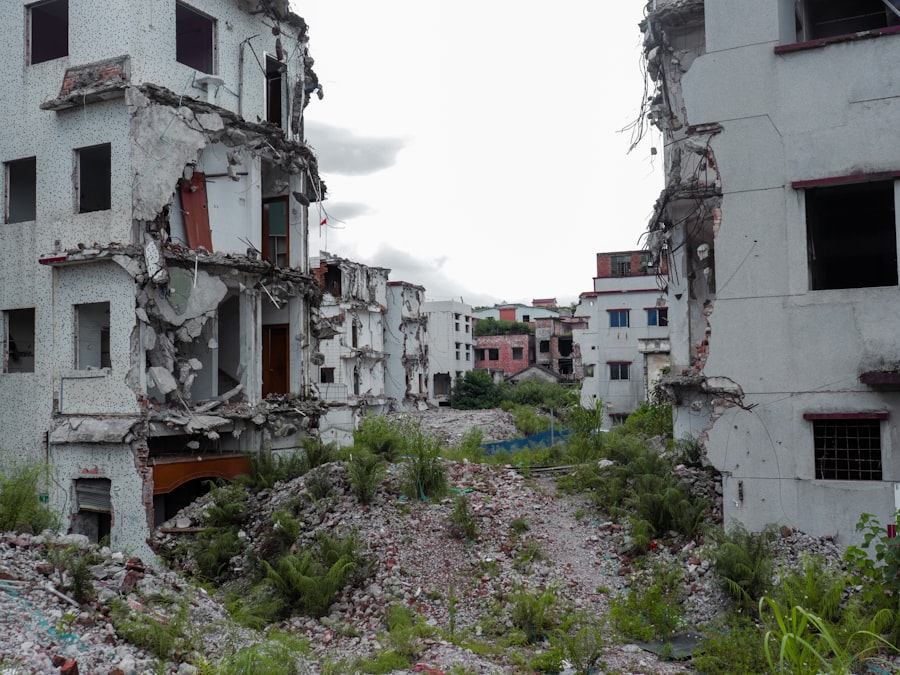
The threat posed by space collapse to future exploration endeavors cannot be overstated. As you envision humanity’s aspirations to explore Mars, establish lunar bases, or venture beyond our solar system, consider how a compromised orbital environment could hinder these ambitions. The risk of collisions with debris could deter missions from launching or force them to adopt more costly and complex trajectories to avoid hazardous zones.
Moreover, as you reflect on the long-term vision for space exploration, think about how international collaboration may be affected by concerns over space collapse. Countries may become hesitant to share resources or technology if they perceive an increased risk associated with launching missions into a cluttered orbital environment. This reluctance could stifle innovation and slow progress toward ambitious goals such as crewed missions to Mars or asteroid mining initiatives.
The interconnected nature of global exploration efforts underscores the need for proactive measures to mitigate space collapse and foster a collaborative spirit among nations.
Implications for National Security
The implications of space collapse extend into the realm of national security, where the stakes are particularly high. As you consider the strategic importance of satellites for military operations and intelligence gathering, it becomes evident that a compromised orbital environment poses significant risks. The potential for collisions could disrupt critical communication channels and surveillance capabilities, leaving nations vulnerable during times of conflict or crisis.
Furthermore, as you reflect on the geopolitical landscape, think about how nations may respond to increased risks associated with space collapse. Countries may invest heavily in developing anti-satellite technologies or enhancing their own satellite constellations to mitigate vulnerabilities. This arms race in space could escalate tensions between nations and lead to an unstable security environment.
As you contemplate these dynamics, it becomes clear that addressing space collapse is not only vital for technological advancement but also essential for maintaining global stability.
Challenges for Space Debris Management
Managing space debris presents a formidable challenge that requires innovative solutions and international cooperation. As you explore this issue further, consider the complexities involved in tracking and removing debris from orbit. Current technologies may not be sufficient to address the growing problem effectively; thus, new methods must be developed to identify and mitigate risks associated with existing debris.
Moreover, as you think about the role of international collaboration in debris management, consider how different countries may have varying priorities and capabilities when it comes to addressing this issue. Establishing a unified approach will require diplomacy and consensus-building among nations that share access to space. As you reflect on these challenges, it becomes clear that effective debris management is essential for ensuring a sustainable future in space exploration and utilization.
Effects on Global Positioning Systems
The effects of space collapse on Global Positioning Systems (GPS) are particularly concerning given their integral role in modern navigation and location-based services. As you contemplate your reliance on GPS technology for everything from driving directions to emergency response coordination, consider how an increase in orbital debris could jeopardize these systems’ accuracy and reliability. Collisions or disruptions caused by debris could lead to signal degradation or loss, impacting countless users worldwide.
The interconnectedness of GPS with various sectors underscores the urgency of addressing space collapse to ensure that navigation systems remain functional and reliable for all users.
Risks to Space Tourism
As you envision the future of space tourism—a burgeoning industry poised for growth—the risks associated with space collapse become increasingly relevant. The prospect of sending civilians into orbit or beyond is thrilling; however, safety concerns related to orbital debris must be addressed before this industry can flourish. The potential for collisions poses a significant risk not only to tourists but also to spacecraft designed for commercial travel.
Moreover, as you reflect on public perception regarding space tourism, consider how incidents related to debris collisions could deter potential travelers from embarking on such journeys. If safety concerns overshadow the excitement surrounding space tourism, it may hinder investment and growth within this sector. Addressing the risks associated with space collapse is essential for fostering public confidence in commercial space travel and ensuring its long-term viability.
Mitigating Space Collapse: Potential Solutions
To mitigate the risks associated with space collapse effectively, a multifaceted approach is necessary—one that encompasses technological innovation, policy development, and international collaboration. As you explore potential solutions, consider how advancements in tracking technologies can enhance our ability to monitor debris in real-time. Improved tracking systems can help operators avoid collisions and facilitate better decision-making regarding satellite launches and operations.
Additionally, as you reflect on policy measures that could support debris mitigation efforts, think about how international agreements can establish guidelines for responsible satellite design and end-of-life disposal practices. By fostering cooperation among nations and encouraging adherence to best practices in satellite management, we can collectively work toward preserving our orbital environment for future generations. In conclusion, addressing the challenges posed by space collapse requires a concerted effort from governments, industries, scientists, and individuals alike.
By understanding the implications of this phenomenon across various domains—from astronomical research to national security—we can take proactive steps toward ensuring a sustainable future in space exploration and utilization. Your engagement in this critical dialogue is essential for shaping policies and practices that will safeguard our shared cosmic heritage.
In exploring the implications of space collapse and its average loss, it’s insightful to consider the broader context of wealth management and investment strategies.