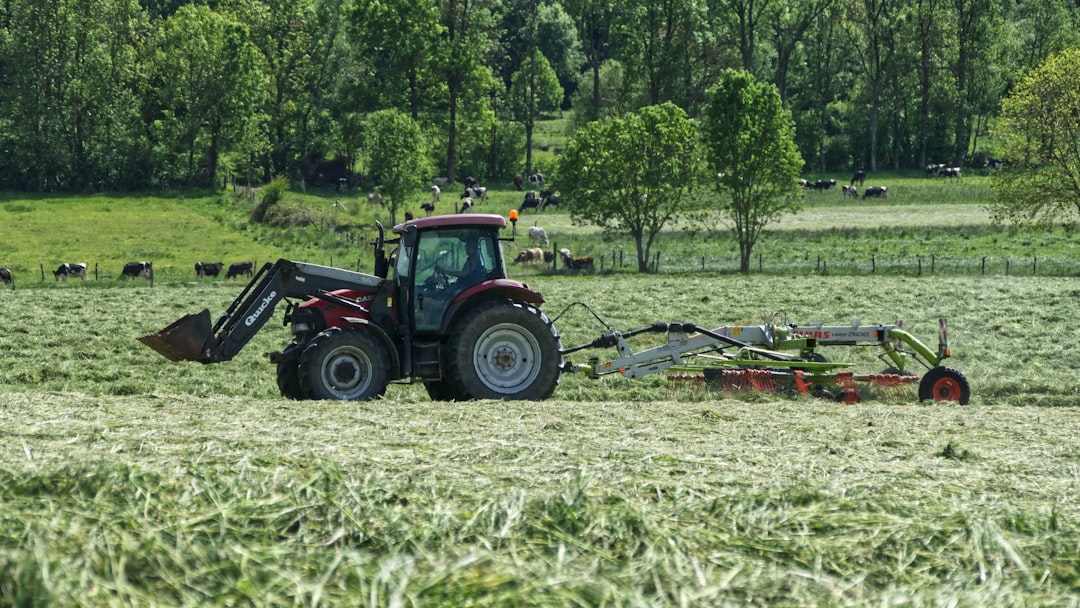
You stand at a crossroads in the American agricultural narrative. The soil beneath your feet, once a seemingly endless canvas for family farms, is undergoing a profound transformation. This isn’t just about what you grow, but who owns the land, who makes the decisions, and who reaps the benefits. The future of American farming ownership is a mosaic of evolving trends, economic pressures, and societal shifts, a landscape where familiar landmarks are eroding and new ones are rising from the dust.
You’ve likely observed it – the slow, inexorable march of larger entities swallowing smaller operations. This isn’t a new phenomenon, but its pace and scale are accelerating, reshaping the very contours of agricultural ownership. Learn more about the financialization of American agriculture and its impact on the economy.
Economies of Scale and Technological Imperatives
For you, the appeal of larger farms is clear: greater purchasing power for inputs, more efficient use of expensive machinery, and the ability to negotiate better deals with processors. This drives expansion.
- Machinery Investment: Modern agricultural machinery, from GPS-guided tractors to automated harvesters, represents substantial capital outlays. Spreading these costs across thousands of acres makes more financial sense than across a few hundred.
- Input Discounts: Bulk buying of seeds, fertilizers, and pesticides offers significant cost savings, providing a competitive edge you might find difficult to match on a smaller scale.
- Data-Driven Decisions: Large operations can better afford and utilize sophisticated farm management software and data analytics, allowing for optimized planting, fertilization, and harvesting strategies.
The Retreat of the Small and Mid-Sized Farm
As large farms expand, you witness a corresponding decline in the number of small and mid-sized operations. This isn’t necessarily due to poor management, but often a struggle to compete within a system that increasingly favors size.
- Succession Challenges: You face the reality that fewer younger generations are choosing to take over the family farm, leading to sales to larger operators or development for non-agricultural uses.
- Market Access Barriers: Smaller farms often struggle to secure contracts with major buyers, who prefer the consistency and volume offered by larger producers.
- Regulatory Burden: The increasing complexity of agricultural regulations can disproportionately impact smaller farms with fewer resources to manage compliance.
As discussions around the future of American farming ownership continue to evolve, a related article that provides valuable insights is available at this link: How Wealth Grows. This article explores the changing dynamics of agricultural ownership, highlighting trends such as the rise of corporate farming and the impact of technology on traditional farming practices. By examining these factors, it sheds light on the potential challenges and opportunities that lie ahead for farmers and landowners across the United States.
The Rise of Non-Operating Landowners: A Disconnected Reality
Imagine a vast chessboard where the players are not the farmers themselves, but distant investors and trusts. This is the reality of non-operating landownership, a trend that is decoupling land ownership from active farming.
Investment Vehicles and Institutional Holdings
You’re seeing land, once solely a working asset, increasingly viewed as an investment. This has profound implications for how land is valued and managed.
- Pension Funds and Endowments: Large institutional investors are increasingly allocating portions of their portfolios to agricultural land, viewing it as a stable asset with potential for long-term appreciation and inflation hedging.
- Real Estate Investment Trusts (REITs): Specialized agricultural REITs allow you to invest in farmland without directly owning or managing it, further democratizing and financializing land ownership.
- Foreign Investment: While often scrutinized, foreign entities also contribute to the pool of non-operating landowners, driven by global food security concerns or investment diversification.
The Tenant Farmer: A Different Kind of Stewardship
If you are a farmer, you might find yourself leasing land from distant owners, transforming your role from owner-operator to tenant. This shift alters incentives and responsibilities.
- Lease Agreements and Flexibility: You negotiate terms that dictate your farming practices, often with shorter-term leases that can limit your willingness to invest in long-term soil health or infrastructure improvements.
- Land Management Practices: The landowner’s priorities, whether focused on maximizing short-term returns or long-term sustainability, directly influence how you manage the land.
- The Landowner-Tenant Dynamic: This relationship can be productive, but it can also introduce tensions over land use, maintenance, and profit sharing.
New Entrants and Alternative Models: Seeds of Change
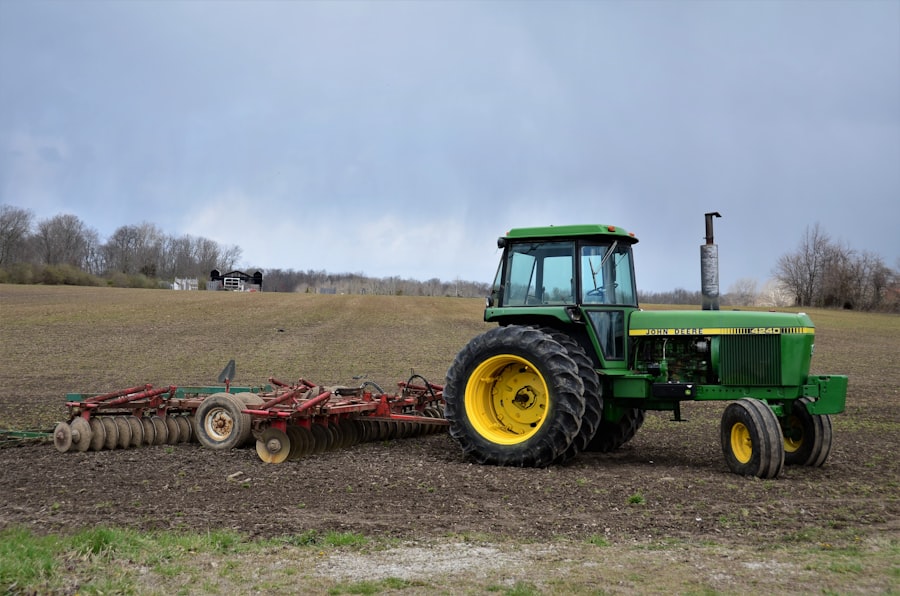
Despite the pressures, you also observe green shoots emerging – new models of ownership and farming that defy the dominant trends.
Diverse Ownership Structures
Innovation isn’t just in the fields; it’s in the balance sheets. You’re seeing creative approaches to land access and ownership.
- Community-Supported Agriculture (CSA) Farms: You, as a consumer, can directly support local farms by pre-purchasing shares of their harvest, providing upfront capital and a guaranteed market for smaller operations.
- Farmer Cooperatives: By banding together, you and other farmers can collectively own land, share resources, and negotiate better terms with buyers, achieving some economies of scale without individual consolidation.
- Community Land Trusts: These non-profit organizations acquire land and hold it in perpetuity, leasing it to farmers at affordable rates, ensuring long-term access and affordability for agricultural use.
The Resurgence of Niche Markets and Local Food Systems
You’re a consumer seeking connection to your food and a farmer seeking independence. Niche markets offer a path for smaller-scale operations to thrive.
- Organic and Sustainable Farming: You and others are increasingly willing to pay a premium for food grown without synthetic pesticides or fertilizers, creating a viable market for smaller, environmentally conscious farms.
- Direct-to-Consumer Sales: Farmers’ markets, roadside stands, and online platforms allow you to bypass traditional distribution channels, retaining a larger share of the profit margin.
- Specialty Crops and Livestock: Focusing on high-value, unique crops or heritage livestock breeds can allow smaller farms to carve out profitable niches where larger operations may not compete.
Policy, Legislation, and the Guiding Hand: Shaping the Future
The future isn’t predetermined; it’s shaped by decisions made today. You, as a citizen and stakeholder, have a role in the policy landscape that governs agricultural ownership.
Legacy of Farm Bills and Subsidies
You recognize that government policies have long influenced the structure of American agriculture.
- Commodity Programs: Historically, farm subsidies have often favored large-scale producers of staple crops, inadvertently contributing to consolidation by making big operations more financially secure.
- Conservation Programs: While beneficial for the environment, you might find that some conservation programs are easier for larger farms to access due to their administrative capacity.
- Estate Taxes: For multi-generational farms, estate taxes can be a significant burden, sometimes forcing the sale of land to cover liabilities, which accelerates the loss of family farms.
Proposed Solutions and Emerging Initiatives
You are not without recourse. There are ongoing efforts to address the challenges of land ownership.
- Beginning Farmer and Rancher Development Program: This program provides you and other new and aspiring farmers with training, education, and technical assistance, helping to overcome barriers to entry.
- Land Access Programs: State and local initiatives are emerging to connect aspiring farmers with available land, sometimes through incubators or mentorship programs.
- Tax Incentives for Conservation Easements: You can utilize these incentives to encourage landowners to voluntarily limit future development on their land, preserving it for agricultural use.
As discussions about the future of American farming ownership continue to evolve, many are looking at innovative models that could reshape the landscape of agriculture. One insightful article that delves into these emerging trends can be found at How Wealth Grows, where the potential for new ownership structures and investment opportunities in farming is explored. This resource highlights the importance of adapting to changing economic conditions and the role of technology in enhancing productivity and sustainability in farming practices.
Environmental Stewardship and Equitable Access: Two Sides of the Same Coin
| Metric | Current Value (2024) | Projected Value (2034) | Notes |
|---|---|---|---|
| Average Age of Farm Owners | 58 years | 62 years | Trend shows aging farmer population with fewer young entrants |
| Percentage of Farms Owned by Millennials | 12% | 25% | Increasing interest in sustainable and tech-driven farming |
| Number of Family-Owned Farms | 2.1 million | 1.8 million | Decline due to consolidation and urbanization |
| Percentage of Corporate-Owned Farms | 15% | 25% | Growth driven by investment firms and agribusinesses |
| Average Farm Size (acres) | 444 acres | 520 acres | Farm consolidation leading to larger average sizes |
| Adoption Rate of Smart Farming Technologies | 35% | 70% | Increased use of AI, drones, and IoT in farm management |
| Percentage of Minority Farm Owners | 7% | 12% | Efforts to increase diversity and inclusion in farming |
Finally, you stand at the intersection of economic viability and ecological responsibility. The future of American farming ownership must also address the health of the land and the fairness of access.
The Sustainability Imperative
You are acutely aware that land ownership comes with a profound responsibility to the environment.
- Soil Health and Biodiversity: The choices of landowners and operators directly impact soil quality, water resources, and the health of local ecosystems. You see the benefits of healthy soils in resilient crops and reduced input needs.
- Climate Change Adaptation: As climate change intensifies, you recognize that sustainable land management practices are not just environmentally sound, but also economically prudent for long-term farm viability.
- Pressure on Natural Resources: Consolidation can sometimes lead to intensified farming practices that place greater stress on water sources and nutrient cycles, requiring careful regulatory oversight.
Addressing Inequities in Land Access
You also observe that access to agricultural land is not equally distributed, perpetuating historical disadvantages.
- Racial Disparities in Land Ownership: Decades of discriminatory practices have resulted in immense disparities in agricultural land ownership for Black, Indigenous, and other farmers of color. You understand that addressing this systemic injustice is critical for a truly equitable food system.
- Affordability for New Farmers: The rising cost of farmland, fueled by both agricultural expansion and non-agricultural investment, creates a significant barrier for you if you’re a new or aspiring farmer.
- Support for Underrepresented Groups: Programs specifically designed to assist you and other historically marginalized groups in acquiring and successfully operating farms are vital for creating a more diverse and resilient agricultural sector.
The trajectory of American farming ownership is not a straight line, but a winding river, constantly carving new paths and depositing new sediments. You are part of this landscape, whether as a consumer, a farmer, an investor, or a policy advocate. Your understanding and engagement are critical to shaping a future where the soil remains vibrant, the food supply secure, and the opportunities for ownership are fairer and more accessible to all.
WATCH THIS! ⚠️💰🌾 Why Wall Street Is Buying Up America’s Farmland (And Why It Should Terrify You)
FAQs
What is the current state of American farming ownership?
American farming ownership is characterized by a mix of family-owned farms, corporate farms, and increasingly, new entrants such as young farmers and minority groups. Family farms still make up a significant portion, but consolidation and corporate ownership have grown over recent decades.
What trends are shaping the future of American farming ownership?
Key trends include technological advancements, increased interest from younger and more diverse farmers, shifts toward sustainable and organic farming, and changes in land ownership patterns due to economic pressures and urbanization.
How is technology impacting farming ownership in the U.S.?
Technology is enabling more efficient farm management, precision agriculture, and data-driven decision-making. This can lower barriers to entry for new farmers but also requires investment, which may influence ownership structures and partnerships.
Are younger generations becoming more involved in farming ownership?
Yes, there is a growing movement of younger farmers entering the industry, often bringing innovative practices and a focus on sustainability. However, challenges such as access to land and capital remain significant hurdles.
What role do minority and women farmers play in the future of American farming ownership?
Minority and women farmers are increasingly recognized as vital contributors to the agricultural sector. Efforts to support these groups through grants, education, and policy changes aim to diversify farm ownership and promote equity.
How does land access affect the future of farming ownership?
Access to affordable farmland is a critical issue, with rising land prices and competition from non-agricultural buyers making it difficult for new farmers to acquire land. Innovative leasing arrangements and land trusts are some solutions being explored.
What impact do government policies have on farming ownership?
Government policies, including subsidies, tax incentives, and conservation programs, significantly influence farming ownership patterns by affecting profitability, land use, and the viability of small and family farms.
Is corporate farming expected to increase or decrease in the future?
Corporate farming is expected to continue growing due to economies of scale and market pressures, but there is also a counter-movement supporting local, sustainable, and family-owned farms, which may balance this trend.
How does sustainability influence the future of American farming ownership?
Sustainability is becoming a priority, with many farmers adopting practices that protect the environment and ensure long-term productivity. This shift may influence ownership by encouraging models that prioritize stewardship and community involvement.
What challenges do future American farmers face in terms of ownership?
Challenges include high land and equipment costs, access to capital, regulatory compliance, climate change impacts, and market volatility. Addressing these issues is crucial for maintaining diverse and resilient farm ownership in the future.