Payment method security has become a critical issue in the digital economy, affecting both businesses and consumers. The growth of e-commerce and mobile payment platforms has created new vulnerabilities that require careful attention to financial data protection. Understanding payment security fundamentals is necessary for maintaining safe transaction practices.
Online transactions present various security challenges as cybercriminals continuously develop new methods to exploit payment systems. The frequency and sophistication of fraud attempts have increased alongside the expansion of digital payment options. Effective payment security requires knowledge of current threats and implementation of appropriate protective measures.
This analysis examines key components of payment method security, providing information on risk mitigation strategies and security best practices. The following sections cover essential security protocols, common vulnerabilities, and methods for protecting financial information during digital transactions.
Key Takeaways
- Secure payment methods and encryption are essential to protect sensitive payment data.
- Two-factor authentication significantly reduces the risk of unauthorized access.
- Continuous monitoring and fraud detection tools help identify and prevent payment fraud.
- Educating employees and customers enhances overall payment security awareness.
- Having a clear response plan ensures quick action in case of payment security breaches.
Understanding the Risks of Payment Fraud
When you make a payment online, you expose yourself to various risks associated with payment fraud. One of the most common threats is identity theft, where cybercriminals steal your personal information to make unauthorized purchases or access your financial accounts. This can happen through phishing attacks, where you might unknowingly provide sensitive information to a fraudulent website or email.
Understanding these risks is the first step in safeguarding your financial well-being. Another significant risk is credit card fraud, which occurs when someone uses your credit card information without your consent. This can happen through data breaches at retailers or online platforms where your payment details are stored.
As you shop online, it’s essential to be aware of these vulnerabilities and take proactive measures to protect yourself. By recognizing the potential threats, you can make informed decisions about how and where to share your payment information.
Choosing Secure Payment Methods
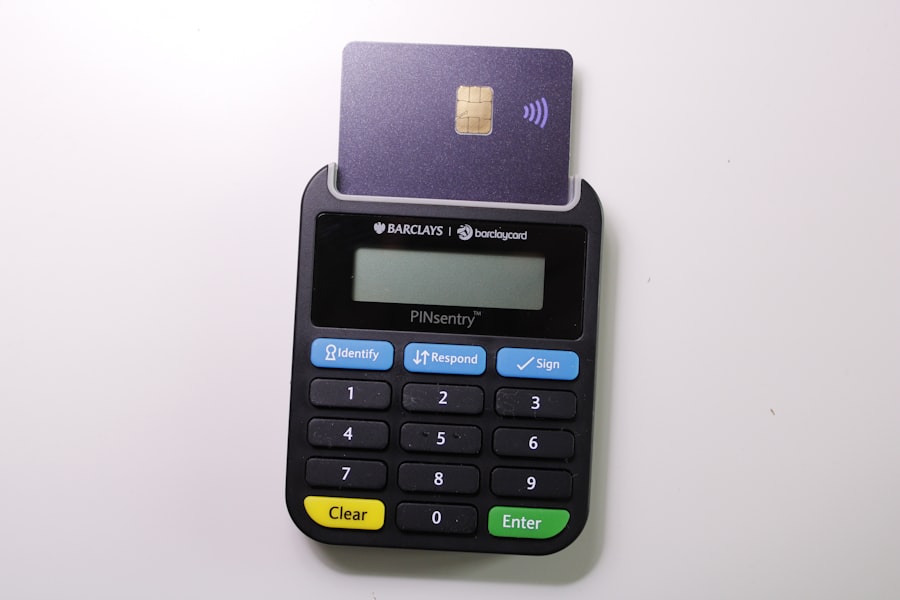
Selecting secure payment methods is a critical aspect of protecting your financial information. As you explore various options, consider using credit cards over debit cards for online transactions. Credit cards often come with better fraud protection features, allowing you to dispute unauthorized charges more easily.
Additionally, many credit card companies offer zero-liability policies, meaning you won’t be held responsible for fraudulent transactions if you report them promptly. Another secure option is digital wallets, such as PayPal or Apple Pay. These services act as intermediaries between your bank account and the merchant, adding an extra layer of security by not directly sharing your financial details with the seller.
When choosing a payment method, always look for those that offer encryption and other security features. By being selective about how you pay, you can significantly reduce your risk of falling victim to fraud.
Implementing Two-Factor Authentication
Two-factor authentication (2FA) is an essential security measure that adds an extra layer of protection to your online accounts. When you enable 2FA, you will need to provide two forms of identification before accessing your account or completing a transaction. This typically involves something you know, like a password, and something you have, such as a mobile device that receives a verification code.
By implementing 2FA, you can significantly enhance the security of your payment methods. As you set up 2FA for your accounts, be sure to choose methods that are convenient yet secure. For instance, using an authenticator app can provide a more reliable form of verification than SMS codes, which can be intercepted by hackers.
By taking this extra step in securing your accounts, you not only protect your financial information but also gain peace of mind knowing that your transactions are less susceptible to unauthorized access.
Utilizing Encryption for Payment Data
| Tip | Description | Benefit | Recommended Tools/Practices |
|---|---|---|---|
| Use Strong Passwords | Create complex passwords for payment accounts to prevent unauthorized access. | Reduces risk of account hacking. | Password managers, multi-factor authentication (MFA). |
| Enable Two-Factor Authentication (2FA) | Adds an extra layer of security by requiring a second form of verification. | Prevents unauthorized transactions even if password is compromised. | Authenticator apps, SMS codes, hardware tokens. |
| Use Secure Networks | Only make payments over trusted and encrypted Wi-Fi connections. | Protects sensitive data from interception. | VPNs, HTTPS websites. |
| Monitor Account Activity | Regularly check payment accounts for suspicious or unauthorized transactions. | Early detection of fraud or breaches. | Bank alerts, transaction notifications. |
| Keep Software Updated | Ensure payment apps and devices have the latest security patches. | Fixes vulnerabilities that could be exploited. | Automatic updates, security patches. |
| Avoid Saving Payment Information | Do not store card details on websites or apps unless necessary. | Limits exposure if the platform is compromised. | Use guest checkout, virtual cards. |
| Use Virtual or Disposable Cards | Generate temporary card numbers for online transactions. | Minimizes risk of card number theft. | Bank-issued virtual cards, payment apps. |
| Verify Merchant Legitimacy | Confirm the authenticity of merchants before making payments. | Prevents scams and fraudulent charges. | Check reviews, official websites, secure payment gateways. |
Encryption plays a vital role in securing payment data during transactions. When you enter your payment information on a website, encryption ensures that this data is converted into a code that is unreadable to anyone who might intercept it. This means that even if a cybercriminal manages to capture your data during transmission, they will not be able to decipher it without the proper decryption key.
As you engage in online transactions, look for websites that utilize Secure Socket Layer (SSL) encryption. You can identify these sites by checking for “https://” in the URL and a padlock icon in the address bar. By prioritizing encrypted websites for your transactions, you can significantly reduce the risk of your payment information being compromised during transmission.
Monitoring and Reporting Suspicious Activity

Monitoring your financial accounts regularly is crucial in detecting any suspicious activity early on. As you review your bank statements and transaction history, keep an eye out for any unauthorized charges or unfamiliar transactions. If something seems amiss, report it immediately to your bank or credit card company.
Quick action can help mitigate potential losses and prevent further fraudulent activity. In addition to monitoring your accounts, consider setting up alerts for transactions over a certain amount or for any international purchases. Many banks offer customizable alerts that notify you via text or email whenever there’s activity on your account.
By staying vigilant and proactive in monitoring your financial activity, you can better protect yourself against payment fraud.
Educating Employees and Customers on Payment Security
If you run a business, educating both employees and customers about payment security is essential in creating a culture of awareness around fraud prevention. Conduct training sessions that cover best practices for handling sensitive payment information and recognizing potential threats like phishing scams. By empowering your employees with knowledge, they will be better equipped to protect both themselves and your customers from fraud.
Additionally, consider providing resources for customers on how to secure their payment methods when shopping with your business.
By fostering an environment where everyone is informed about payment security, you contribute to a safer transaction experience for all parties involved.
Regularly Updating and Patching Payment Systems
Keeping your payment systems updated is crucial in maintaining their security integrity. Software developers frequently release updates that address vulnerabilities and enhance security features. As you manage your payment systems, ensure that all software is regularly updated and patched to protect against known threats.
Neglecting updates can leave your systems exposed to cyberattacks that exploit outdated software vulnerabilities. Set up automatic updates whenever possible or establish a routine schedule for manual updates. By prioritizing system maintenance, you can significantly reduce the risk of security breaches that could compromise sensitive payment information.
Using Fraud Detection and Prevention Tools
Incorporating fraud detection and prevention tools into your payment processes can provide an additional layer of security against potential threats. These tools utilize advanced algorithms and machine learning techniques to analyze transaction patterns and identify anomalies that may indicate fraudulent activity. By implementing such systems, you can proactively detect and prevent fraud before it impacts your business or customers.
As you explore available tools, consider those that offer real-time monitoring and alerts for suspicious transactions. This allows you to respond quickly to potential threats and take necessary actions to protect both your business and customers from financial loss. Investing in robust fraud detection solutions can ultimately save you time and resources while enhancing overall payment security.
Securing Mobile Payment Methods
With the increasing popularity of mobile payments, securing these methods has become more critical than ever. As you use mobile wallets or apps for transactions, ensure that they have strong security features in place, such as biometric authentication or encryption protocols. These measures help protect your financial information from unauthorized access while providing convenience during transactions.
Additionally, be cautious when connecting to public Wi-Fi networks while making mobile payments. Public networks are often less secure and can expose your data to potential interception by cybercriminals. Whenever possible, use a secure Wi-Fi connection or cellular data when conducting financial transactions on your mobile device.
By taking these precautions, you can enjoy the benefits of mobile payments while minimizing the associated risks.
Creating a Response Plan for Payment Security Breaches
Despite taking all necessary precautions, there may still be instances where a payment security breach occurs. Having a well-defined response plan in place is essential for mitigating damage and restoring trust with customers. As part of this plan, outline clear steps for identifying the breach’s source, containing its impact, and notifying affected parties promptly.
Your response plan should also include guidelines for communicating with customers about the breach transparently and honestly. Providing them with information on how they can protect themselves moving forward demonstrates accountability and commitment to their security. By preparing for potential breaches in advance, you can respond effectively and minimize the long-term consequences of such incidents.
In conclusion, understanding payment method security is vital in today’s digital economy where risks are ever-present. By being proactive in choosing secure payment methods, implementing robust security measures like two-factor authentication and encryption, monitoring suspicious activity, educating stakeholders, regularly updating systems, utilizing fraud detection tools, securing mobile payments, and having a response plan ready for breaches, you can significantly enhance your protection against payment fraud. Your vigilance not only safeguards your financial assets but also contributes to a safer online environment for everyone involved in digital transactions.
When it comes to ensuring the security of your payment methods, it’s essential to stay informed about best practices. A helpful resource on this topic can be found in the article titled “Payment Method Security Tips” on How Wealth Grows. You can read it by following this link: Payment Method Security Tips. This article provides valuable insights into protecting your financial information while making online transactions.
WATCH THIS! 💰 STOP Apps Are Stealing $1,000 From You Every Year—Here’s Proof & The 30-Day Fix
FAQs
What are common payment methods that require security precautions?
Common payment methods include credit and debit cards, mobile payment apps, online banking, and digital wallets. Each method requires specific security measures to protect against fraud and unauthorized access.
How can I protect my credit or debit card information?
To protect your card information, avoid sharing your card details over unsecured or public networks, regularly monitor your account statements for unauthorized transactions, use strong PINs, and consider enabling transaction alerts.
Are mobile payment apps safe to use?
Mobile payment apps can be safe if you use official apps from trusted providers, keep your device’s software updated, enable biometric or PIN authentication, and avoid using public Wi-Fi when making payments.
What should I do if I suspect fraudulent activity on my payment account?
If you suspect fraud, immediately contact your bank or card issuer to report the suspicious activity, freeze or block your card if necessary, and review recent transactions to identify unauthorized charges.
How can I ensure secure online payments?
Ensure secure online payments by using websites with HTTPS encryption, avoiding saving payment information on shared devices, using strong and unique passwords, and enabling two-factor authentication where available.
Is it safe to save payment information on websites or apps?
Saving payment information can be convenient but may pose risks if the website or app is compromised. Only save payment details on trusted platforms with strong security measures and consider using virtual or single-use card numbers when available.
What role does two-factor authentication (2FA) play in payment security?
Two-factor authentication adds an extra layer of security by requiring a second form of verification, such as a text message code or biometric scan, making it harder for unauthorized users to access your payment accounts.
How can I protect my payment information on public Wi-Fi?
Avoid making payments over public Wi-Fi networks. If necessary, use a virtual private network (VPN) to encrypt your internet connection and prevent hackers from intercepting your data.
What are the signs of a phishing attempt related to payment methods?
Phishing attempts often involve unsolicited emails or messages asking for payment details, urgent requests to verify account information, suspicious links, or poor grammar and spelling. Always verify the sender’s identity before responding.
Can using virtual or disposable cards improve payment security?
Yes, virtual or disposable cards provide temporary card numbers for online transactions, reducing the risk of your actual card details being stolen or misused. They are especially useful for one-time or infrequent purchases.