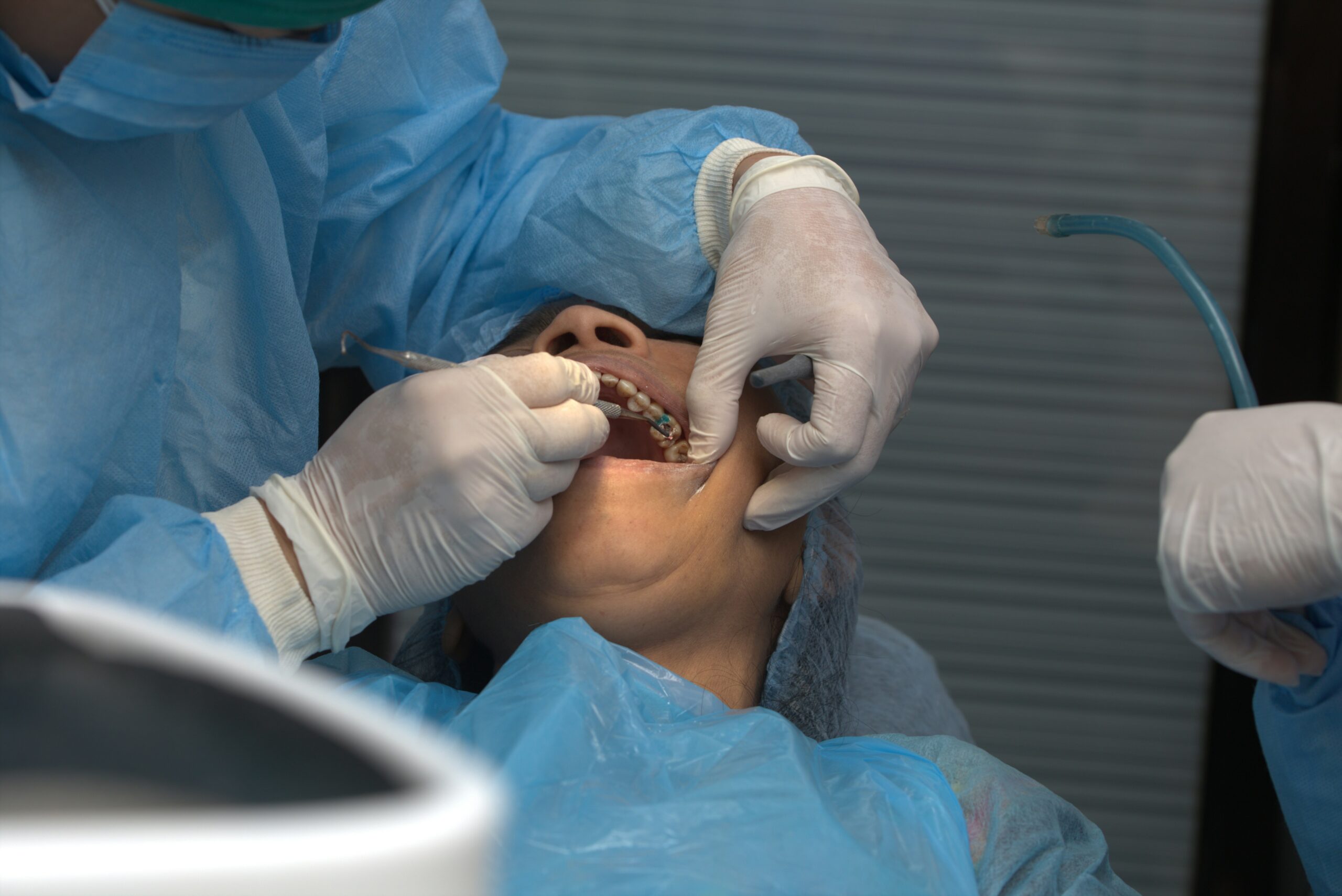
You’ve been told you need a dental procedure. The dentist, a trusted professional, presents a diagnosis and a treatment plan, often accompanied by a significant price tag. This is the moment where the seed of doubt, or at least careful consideration, might begin to sprout. You’re standing at a crossroads, faced with a decision that impacts your oral health and finances. Seeking a second opinion is not an act of distrust; rather, it’s a prudent step in navigating the often-complex landscape of costly dental treatments. Think of it as checking the blueprints before beginning a major construction project. You want to be sure the foundation is sound and the design is optimal.
You might feel a jolt when the dental assistant reveals the total cost of the proposed treatment. It’s not uncommon for procedures like root canals, crowns, implants, or extensive cosmetic work to represent a substantial financial investment. This isn’t to say these procedures are inherently unnecessary or that dentists are always overcharging. However, as with any significant expenditure, a measured approach is advisable. You are the steward of your health and your wallet.
Understanding the Factors Driving Dental Costs
You’ve probably wondered what exactly makes a dental procedure cost so much. It’s a multifaceted issue, a confluence of various elements that contribute to the final figure you see on the estimate.
Advanced Technology and Materials
You wouldn’t expect a modern car to be built with the same tools and materials as a Model T. Similarly, dentistry has evolved. The diagnostic tools, such as digital X-rays, intraoral scanners, and 3D cone-beam CT scans, offer greater precision but come with a higher initial investment and ongoing maintenance costs. The materials themselves, from high-strength ceramics for crowns to biocompatible titanium for implants, are often expensive due to their research, development, and manufacturing processes.
Specialist Training and Expertise
You wouldn’t ask a general practitioner to perform open-heart surgery. Likewise, complex dental procedures often require dentists with specialized training and years of experience in areas like periodontics (gums), endodontics (root canals), or oral surgery. This advanced education and skill set are reflected in their fees.
Overhead and Operational Expenses
You might not see it, but the dental office is a business. Rent, utilities, staff salaries (hygienists, assistants, administrative personnel), insurance, sterilization equipment, and continuing education all contribute to the operational costs that are inevitably factored into treatment pricing.
Time and Complexity of Procedures
You can see how a quick filling differs from a multi-hour implant surgery. The more intricate and time-consuming the procedure, the greater the labor costs involved. This complexity also necessitates a higher level of focus, specialized instruments, and potentially sedation, all of which add to the overall expense.
When considering expensive dental work, seeking a second opinion can be a crucial step in ensuring you make the best decision for your oral health and finances. A related article that discusses the importance of obtaining a second opinion before committing to costly procedures can be found at this link. This resource provides valuable insights into how a second opinion can help you explore alternative treatments and potentially save you money.
When is a Second Opinion Most Crucial?
Not every dental visit necessitates a detour for a second opinion. However, certain situations raise a red flag, prompting you to seek additional counsel before committing significant resources. You are the ultimate decision-maker in these scenarios, and an informed decision is your strongest asset.
Diagnoses of Major or Expensive Treatments
You’ve been told you need a root canal, a crown, one or more implants, a bridge, or a significant amount of restorative work. These are not minor fixes. They represent substantial interventions and financial outlays. If the initial diagnosis feels uncertain or the treatment plan seems overly aggressive, this is precisely when external validation becomes invaluable.
Uncertainty About the Diagnosis
Did the dentist seem hesitant? Were the X-rays unclear? Did you receive conflicting information from different dentists in the same practice? If you have any lingering doubts about the accuracy of the diagnosis itself, a second opinion can provide clarity and confirm, or refute, the initial assessment.
Highly Invasive or Costly Procedures
You’re looking at a bill that could well be in the thousands. Procedures like multiple implants, full mouth reconstructions, or extensive periodontal surgery fall into this category. The stakes are high, both for your oral health and your bank account. A second opinion acts as a safeguard against potentially unnecessary or overly burdensome treatment.
Recommendations Involving Multiple Steps or Long Treatment Plans
You’ve been presented with a roadmap that stretches over several months or even years. Complex cases often involve phases: initial treatment, healing periods, follow-up appointments, and potential further interventions.
Phased Treatment Plans
If your dentist suggests a multi-stage approach, a second opinion can help you understand the necessity of each phase and whether there are alternative, perhaps more streamlined, approaches. It allows you to compare perspectives on the overall strategy.
Long-Term Commitments and Costs
You might be presented with a plan that has implications for your oral health for years to come. Understanding the various options and their long-term efficacy and cost is crucial. A second opinion can offer a different perspective on the longevity and predictability of different treatment modalities.
When the Initial Diagnosis or Treatment Plan Feels Excessive
You’ve heard the phrase “if it ain’t broke, don’t fix it.” While this isn’t always applicable to preventative dentistry, you might feel that the proposed treatment is disproportionate to the problem identified.
“Watchful Waiting” vs. Immediate Intervention
In some instances, a dentist might recommend observation rather than immediate intervention. If your dentist is strongly advocating for immediate, costly treatment where you believe observation might be appropriate, a second opinion can help you gauge the urgency and necessity.
Exploring Less Invasive Options
You might be wondering if there are less drastic, less expensive ways to achieve a similar outcome. A second opinion can bring to light alternative treatments you may not have considered.
How to Obtain a Valuable Second Opinion
You’ve decided to seek another perspective. Excellent. Now, you need to approach this process strategically to ensure you get the most benefit from this additional consultation. Think of it as gathering intelligence before a critical negotiation.
Choosing the Right Dentist for Your Second Opinion
Not all dentists are created equal, and for a specific issue, finding someone with relevant expertise is key. You wouldn’t ask a general contractor to fix your car.
Seeking Referrals from Trusted Sources
You can ask your general dentist for a referral to a specialist, even if it’s for a second opinion. Many dentists are open to this and recognize its value. You can also seek recommendations from friends, family, or your medical doctor.
Researching Specialists’ Credentials and Experience
When you identify potential dentists, take a moment to research their credentials. Are they board-certified specialists in the relevant field? How long have they been practicing? Do they have experience with the specific procedure you’re questioning?
Looking for Dentists Not Directly Affiliated with the First Practice
This ensures a truly independent assessment. While your dentist might refer you to a colleague, it’s often best to find someone entirely outside of that immediate network for a completely fresh perspective.
Preparing for Your Second Opinion Appointment
You want to make the most of your time and the dentist’s expertise. Coming prepared will enable a more efficient and informative consultation.
Gathering All Previous Records and Imaging
This is crucial. Bring all your X-rays, digital scans, treatment plans, and any other relevant documentation from your initial consultation. This allows the second dentist to review the existing information without having to redo everything from scratch, saving you time and money.
Writing Down Your Questions and Concerns
Before the appointment, jot down everything you want to ask. What are your specific doubts? What are you hoping to achieve with treatment? What are your financial concerns? Having these questions ready will ensure you cover all your bases.
Being Objective and Open-Minded
You are seeking information, not validation of your pre-existing beliefs. Be prepared to listen to what the second dentist has to say, even if it differs from your initial expectations or the first dentist’s opinion.
What to Expect During the Consultation
You’re entering a new dental chair. Understand what the process will entail so you can gauge the thoroughness of the examination and consultation.
A Comprehensive Examination
You should expect a thorough examination of your oral health, similar to your initial visit. This will likely include checking your teeth, gums, bite, and other relevant structures.
Review of Your Previous Records and Imaging
The dentist will review the materials you brought. They may also take new X-rays or scans if they deem them necessary for a proper assessment.
A Clear Explanation of Their Diagnosis and Treatment Recommendations
You want to leave with a clear understanding of their findings. They should explain their diagnosis, their proposed treatment plan (if any), the rationale behind it, and the potential outcomes.
Analyzing and Comparing Treatment Options
You have now heard from two different professionals. The next step is not to rush but to carefully consider and dissect the information you’ve gathered. This is where critical thinking comes into play.
Understanding the Nuances of Each Recommendation
No two dentists are identical, and their approaches to treatment can vary. You need to look beyond the surface-level recommendations.
Identifying Similarities and Differences in Diagnoses
Do both dentists agree on the fundamental problem? Or are there discrepancies in what they believe is ailing your oral health? Major differences in diagnosis are a strong indicator that further investigation or discussion might be needed.
Evaluating Contrasting Treatment Approaches
You might find that one dentist suggests a crown while the other recommends a veneer, or one proposes an implant while the other suggests a bridge. Understand the pros and cons of each approach, including their invasiveness, longevity, and aesthetics.
Considering the Dentist’s Rationale for Their Recommendations
You are not merely looking at what they recommend but why. Ask yourself: Does the dentist’s explanation make sense? Do they articulate clear reasons for their chosen course of action?
Weighing the Costs and Benefits of Each Plan
The financial aspect is undeniably a significant factor. However, it shouldn’t be the sole determinant. You need to consider the overall value proposition.
Estimating the Financial Impact of Each Option
Ensure you have clear, itemized cost breakdowns for each proposed treatment. Factor in not just the immediate procedure costs but also any potential future maintenance or follow-up expenses.
Assessing the Long-Term Prognosis and Durability
A cheaper option today might prove more expensive in the long run if it fails prematurely or requires more frequent repairs. Consider which treatment is likely to last the longest and maintain your oral health effectively over time.
Understanding the Risk of Complications for Each Procedure
Every dental procedure carries some degree of risk. Discuss the potential complications associated with each recommended treatment and how likely they are to occur.
Making an Informed Decision Based on Your Priorities
Ultimately, this decision rests with you. It’s a balancing act between your oral health needs, your financial situation, and your personal comfort level.
Prioritizing Your Oral Health and Well-being
Your mouth is a vital part of your overall health. While cost is important, don’t compromise your long-term oral health compromises for short-term financial relief if it’s not a viable option.
Considering Your Financial Capabilities and Insurance Coverage
Be realistic about what you can afford. Understand your insurance benefits thoroughly. If cost is a major barrier, discuss financing options or phased treatment with your chosen dentist.
Trusting Your Gut Feeling and Comfort Level
After gathering all the information, you will have a sense of which dentist and which treatment plan feels right for you. Don’t discount this feeling. It’s a reflection of your comfort and confidence in the proposed care.
When considering expensive dental work, seeking a second opinion can be a crucial step in ensuring that you make the best decision for your oral health and finances. Many patients find themselves overwhelmed by the costs and recommendations from their primary dentist, which is why exploring additional perspectives can provide clarity and peace of mind. For more insights on the importance of obtaining a second opinion in dental care, you can read this informative article on how to navigate these decisions effectively at How Wealth Grows.
Signs of Potential Red Flags in Dental Recommendations
| Metric | Description | Typical Value/Range | Importance |
|---|---|---|---|
| Cost Difference | Percentage difference in cost between first and second opinion | 10% – 40% | High |
| Diagnosis Agreement Rate | Percentage of cases where both opinions agree on treatment necessity | 60% – 80% | Medium |
| Treatment Plan Variation | Percentage of cases with different treatment plans suggested | 20% – 40% | High |
| Patient Satisfaction | Percentage of patients satisfied after receiving a second opinion | 85% – 95% | High |
| Time to Second Opinion | Average time in days to get a second opinion appointment | 3 – 10 days | Medium |
| Insurance Coverage | Percentage of insurance plans covering second opinions for dental work | 50% – 70% | Medium |
| Reduction in Unnecessary Procedures | Percentage decrease in unnecessary dental procedures after second opinion | 25% – 50% | High |
While most dental professionals are ethical and dedicated, it’s wise to be aware of certain warning signs that might indicate you should proceed with increased caution or seek further opinions. Like a crack in the foundation, these are indicators that something might not be entirely sound.
Pressure to Undergo Immediate or Unnecessary Treatment
You’ve felt pushed into a decision. A dentist who creates a sense of urgency, especially for elective or non-emergency procedures, without providing adequate time for you to consider your options, should be a cause for concern.
High-Pressure Sales Tactics
You don’t want to feel like you’re buying a used car. If the focus is on selling you the most expensive treatment without a clear medical justification, take a step back.
Lack of Explanation for Urgency
Is there a genuine, well-articulated reason why the treatment needs to be done tomorrow? If not, it might be a tactic to prevent you from seeking a second opinion.
Vague or Incomplete Explanations of Procedures and Costs
You’ve left the office feeling more confused than when you arrived. A professional should be able to clearly explain the procedure, its purpose, potential risks, alternatives, and the associated costs.
Unclear Treatment Plans
If the treatment plan is not detailed or lacks specificity, it can be difficult to understand what is actually going to be done.
Hidden or Unexplained Fees
You expect a transparent billing process. Any fees that are not clearly outlined and explained should be clarified before proceeding.
Recommendations That Seem Out of Proportion to the Problem
You’ve been told you need major surgery for a minor issue. While preventative care is important, a recommendation for extensive and costly treatment for a seemingly small problem warrants careful scrutiny.
Over-Treatment or Unnecessary Procedures
This is where a second opinion is most valuable. It can help determine if a less invasive or even non-treatment approach is more appropriate.
Focusing Solely on Cosmetic Solutions When Functional Issues Exist
If the primary focus is on aesthetics when there are underlying functional problems, it might indicate a misaligned set of priorities.
The Long-Term Benefits of Seeking Second Opinions
You might see seeking a second opinion as an inconvenience, an added step. However, the advantages it offers can ripple outwards, impacting your health and financial well-being for years to come. It’s an investment in your future.
Ensuring Optimal Oral Health Outcomes
The ultimate goal of any dental treatment is to improve or maintain your oral health. A second opinion can help ensure that the chosen path is indeed the most effective and beneficial for your long-term well-being.
Avoiding Misdiagnosis or Inappropriate Treatment
You’re safeguarding against the possibility of receiving treatment that isn’t truly needed or is not the best approach for your specific condition.
Maximizing the Longevity and Success of Dental Work
By confirming the best course of action, you increase the likelihood that the treatment will be successful and last for its intended duration.
Making Financially Prudent Decisions
Dental work can be a significant financial commitment. Making informed choices can prevent you from spending money unnecessarily or making decisions that will lead to more costly problems down the line.
Preventing Unnecessary Expenses
You avoid paying for treatments that might be optional or for which less expensive, equally effective alternatives exist.
Identifying Potential Cost Savings or More Affordable Options
A second opinion can sometimes reveal less expensive treatment paths that still achieve the desired outcomes, or identify opportunities to spread costs over time.
Empowering Yourself Through Knowledge and Control
Knowledge is power, especially when it comes to your health. Understanding your options and feeling confident in your decisions is a profoundly empowering experience.
Gaining Confidence in Your Treatment Plan
When you have a second opinion that aligns with or thoughtfully diverges from the first, you can proceed with greater certainty and less anxiety.
Fostering a Stronger Patient-Dentist Relationship
By actively participating in your healthcare decisions, you foster a more collaborative and trusting relationship with your dental providers. You become an informed partner in your own care.
You are the guardian of your smile and your financial well-being. When faced with costly dental procedures, remember that seeking a second opinion is not a sign of distrust, but an act of responsible self-advocacy. It’s about ensuring you are on the right path, with the best possible care, at a price that is both fair and manageable.
FAQs
Why is it important to get a second opinion for expensive dental work?
Getting a second opinion can help confirm the diagnosis and treatment plan, ensure the recommended procedures are necessary, and potentially identify less costly or less invasive alternatives. It provides peace of mind and helps patients make informed decisions about their dental care.
How do I find a qualified dentist for a second opinion?
You can ask your current dentist for a referral, check with your dental insurance provider for in-network dentists, or search for licensed dentists with good reviews and credentials in your area. It’s important to choose a dentist who is experienced in the specific treatment you need.
Will my dental insurance cover a second opinion consultation?
Coverage for second opinions varies by insurance plan. Some dental insurance plans cover consultations for second opinions, while others may not. It’s best to check directly with your insurance provider to understand your benefits and any out-of-pocket costs.
What should I bring to my second opinion appointment?
Bring all relevant dental records, X-rays, treatment plans, and any notes from your original dentist. Providing complete information helps the second dentist accurately assess your condition and offer an informed opinion.
Can a second opinion delay necessary dental treatment?
While seeking a second opinion may add some time before starting treatment, it generally does not cause significant delays. If the dental issue is urgent, inform both dentists so they can prioritize timely care. Getting a second opinion is a valuable step to ensure appropriate and effective treatment.