
You’re standing in the checkout line, your cart overflowing with staples. You know the drill: the beep, the scan, the growing total on the screen. You’ve become intimately familiar with that number, and frankly, it’s a number that’s been steadily climbing. The simple act of buying groceries, once a predictable expense, has transformed into a source of mounting anxiety. You’re not alone. The global economic shifts are hitting your pantry directly, and understanding why your grocery bill seems destined to climb is crucial for navigating your personal finances. This isn’t a temporary blip; it’s a multifaceted challenge with deep roots, and frankly, you’re unlikely to see those prices retreat to their pre-inflationary levels any time soon.
The food on your table doesn’t magically appear. It travels, often vast distances, through a complex web of production, processing, transportation, and distribution. When this intricate system falters, your wallet feels the pinch. The era of cheap, readily available goods is being fundamentally reshaped, and understanding these disruptions is key to grasping why your grocery bill is perpetually on the rise.
The Fragility Exposed: Pandemic-Induced Disruptions
You remember the early days of the pandemic, the empty shelves, the hushed anxieties about what was available. While we’ve largely moved past the most severe shortages, the underlying fragilities in global supply chains were laid bare. Lockdowns, labor shortages in processing plants, and shipping bottlenecks created ripple effects that continue to influence the cost of the food you buy.
Labor Shortages: From Farm to Fork
Think about the journey of a single apple. It starts with the farmworkers who pick it. Then, there are the workers in packing facilities, the truck drivers who transport it, and the individuals who stock the shelves in your local supermarket. Wherever you look in this chain, labor shortages have been a persistent problem. You’ve likely experienced this in your own life, facing longer wait times or fewer available staff when you’re out and about. This scarcity drives up wages as companies compete for a limited pool of workers, and those increased labor costs are inevitably passed on to you.
Transportation Bottlenecks: The Cost of Movement
The cost of moving goods has skyrocketed. Container ships are still grappling with port congestion, leading to delays and increased demurrage charges. Fuel prices, a significant component of transportation costs, have also seen dramatic swings. Imagine the cost of transporting your groceries across continents – every delay, every spike in fuel, translates directly into a higher price tag for you at checkout. You’re not just paying for the food; you’re paying for its journey, and that journey is becoming increasingly expensive.
Geopolitical Tensions: More Than Just Headlines
The news frequently discusses global conflicts and trade disputes, and while these might seem distant, they have a very tangible impact on the food in your refrigerator. International relations directly influence the availability and cost of essential agricultural commodities.
The Impact of Conflict Zones on Food Production
Regions that are major exporters of crucial ingredients can be disrupted by war or political instability. Consider the impact of conflicts in the Black Sea region on global grain and sunflower oil supplies. When these key production areas are affected, it creates a shortfall in the global market, pushing prices up for everyone, including you, even if you’re thousands of miles away.
Trade Policies and Protectionism: A Barrier to Entry
Governments, in an effort to protect domestic industries or exert political influence, can impose tariffs or trade restrictions. These policies make imported goods more expensive, forcing consumers to either pay the higher price or switch to less desirable, potentially more costly, domestic alternatives. You might notice this when certain imported products are no longer readily available or have significantly increased in price.
As inflation continues to rise and supply chain issues persist, many consumers are left wondering if their grocery bills will ever decrease again. A related article discusses the various factors contributing to this trend, highlighting how changes in agricultural practices, transportation costs, and global demand are all playing a role in driving prices upward. For more insights on this pressing issue, you can read the full article here: Why Your Grocery Bill Will Never Go Down Again.
The Persistent Shadow of Rising Input Costs
Beyond the journey of your food, the very act of producing it has become significantly more expensive. Farmers and food manufacturers are facing escalating costs for the fundamental resources they need to bring products to your table.
Fertilizers: The Expensive Fuel for Growth
Your vegetables, grains, and fruits rely heavily on fertilizers to enrich the soil and maximize yields. The production of these fertilizers is energy-intensive, often relying heavily on natural gas. Fluctuations in global energy prices, coupled with supply chain disruptions affecting raw material availability, have sent fertilizer costs soaring. Your farmer friend is paying more to grow your food, and you, inevitably, are paying the price.
Energy Costs: Powering the Plate
From running tractors on the farm to powering processing plants and refrigerating your groceries in transit and storage, energy is a critical component of the food system. You’ve seen the news about rising energy prices, and this directly impacts the entire food supply chain. Higher electricity and natural gas bills for food producers translate into higher prices for the finished products. This is a fundamental cost that cannot be easily offloaded.
Animal Feed: The Rising Cost of Meat and Dairy
If you consume meat, dairy, or eggs, you’re also indirectly affected by the rising cost of animal feed. Grains like corn and soybeans, which form the basis of most animal feed, are subject to the same market pressures as those for human consumption. When the cost of feed goes up, it directly impacts the profitability of raising livestock, leading to higher prices for animal products. You’re paying more for feed, which means you’re paying more for the steak or the carton of milk.
The Unpredictable Influence of Climate Change
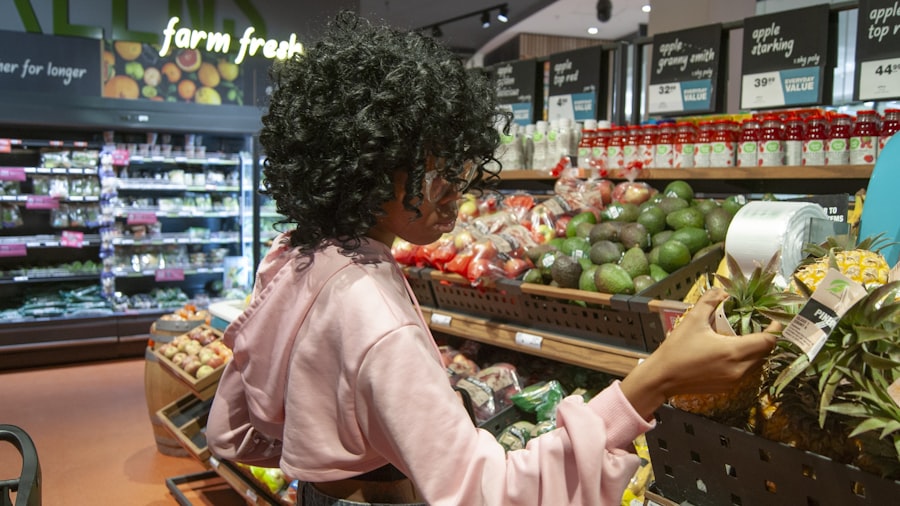
The weather has always played a role in agriculture, but the increasing frequency and intensity of extreme weather events due to climate change are creating new and persistent challenges for food production, directly impacting what you pay at the grocery store.
Extreme Weather Events: From Droughts to Floods
You’ve witnessed or experienced the impacts of more frequent and severe weather events. Prolonged droughts in key agricultural regions can devastate crops, leading to reduced yields and shortages. Conversely, sudden and intense floods can destroy farmland, damage infrastructure, and contaminate water sources. These events create immediate price spikes and can have long-term consequences on food availability.
Crop Failures and Reduced Yields: The Scarcity Factor
When crops fail due to adverse weather, the supply of those specific food items diminishes. This scarcity, in a globalized market, reverberates. Even if a particular region isn’t directly experiencing the extreme weather, the reduced global supply means fewer goods are available, pushing up prices for everyone.
Impacts on Livestock: Beyond the Fields
Climate change doesn’t just affect crops. Extreme heat can stress livestock, leading to reduced productivity (milk production, egg laying) and increased mortality. Droughts can limit the availability of grazing land and water for animals. These impacts on livestock also contribute to higher production costs and, consequently, higher prices for meat, dairy, and eggs.
Shifting Growing Seasons and Regions: Adapting to the New Normal
As temperatures and rainfall patterns change, traditional growing seasons and regions are becoming less reliable. Farmers are being forced to adapt, which can involve investing in new technologies, changing crop varieties, or even relocating their operations – all of which incur costs that are ultimately passed on to you, the consumer.
The Growing Demand of a Growing World
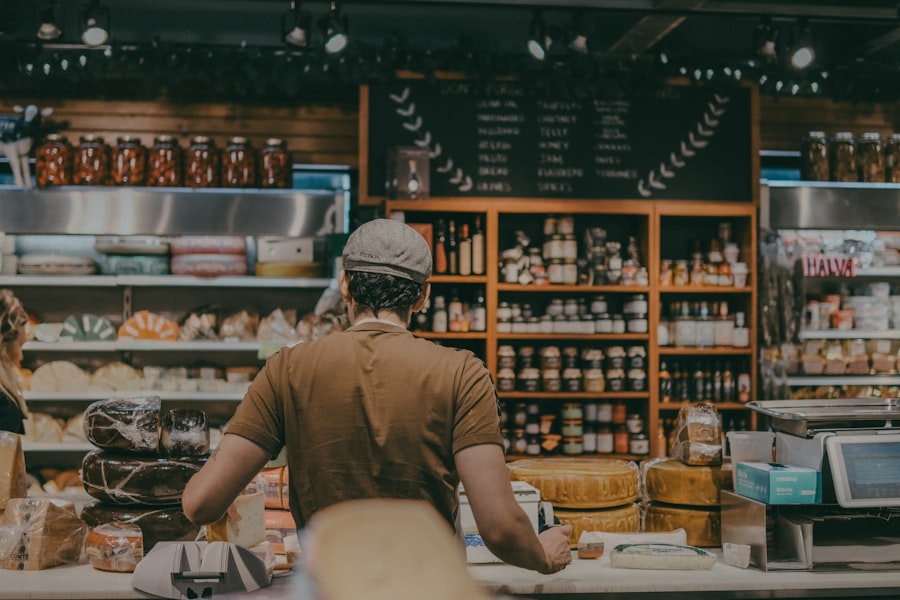
While many factors contribute to rising costs, the fundamental reality of a larger global population demanding more food exerts ongoing upward pressure on prices. This isn’t a fleeting trend; it’s a demographic reality that influences food markets.
Population Growth: More Mouths to Feed
The world’s population continues to grow, meaning there are simply more people who need to eat. This increased demand, without a corresponding and proportionate increase in food production capacity, inevitably leads to higher prices. Think of it as a basic economic principle: when demand outstrips supply, prices rise.
Rising Middle Class in Developing Nations: A Shift in Consumption
As economies develop and a larger middle class emerges in nations around the world, dietary patterns often shift. There’s a greater demand for protein-rich foods, processed goods, and products that were once considered luxuries. This evolving global demand puts additional strain on resources and production systems, further contributing to upward price pressure. You are part of this global demand, alongside billions of others.
As consumers continue to grapple with rising prices, many are left wondering if their grocery bills will ever decrease again. A recent article discusses the various factors contributing to this trend, including supply chain disruptions and inflationary pressures. For a deeper understanding of the economic forces at play, you can read more in this insightful piece on how wealth grows. The article highlights how these changes are reshaping the grocery landscape and offers practical tips for managing your budget amidst these challenges. To explore this topic further, check out the full article here.
The Economic Realities of Corporate Pricing and Profitability
| Reasons | Explanations |
|---|---|
| Inflation | The cost of goods and services continues to rise over time, leading to higher grocery prices. |
| Supply chain disruptions | Issues with transportation, production, and distribution can lead to shortages and increased prices. |
| Increased demand | As the population grows, the demand for food and groceries also increases, putting upward pressure on prices. |
| Climate change | Extreme weather events and changing climate patterns can impact crop yields and drive up food prices. |
| Rising production costs | Factors such as labor, energy, and raw material costs can contribute to higher prices for grocery items. |
While we often focus on external factors, it’s important to acknowledge the role of corporate strategies and the economic landscape in which food companies operate. They are businesses, and like all businesses, they aim for profitability, and in an inflationary environment, this can manifest in ways that directly affect your grocery bill.
The “Shrinkflation” Phenomenon: Less for the Same Price
You’ve likely noticed it – the familiar box of cereal is smaller, the bag of chips is lighter, yet the price remains the same, or even increases. This practice, known as “shrinkflation,” is a subtle way for companies to pass on increased costs without overtly raising the sticker price, effectively meaning you’re getting less product for your money.
Profit Margins and Economic Uncertainty: Protecting the Bottom Line
When companies face rising costs for their inputs, labor, and transportation, they are under pressure to maintain or even increase their profit margins to satisfy shareholders and ensure the long-term viability of their business. In an inflationary environment, this can translate into disproportionately larger price increases than what the direct cost increases might suggest. They are making strategic pricing decisions to navigate the economic storm, and you are the recipient of those decisions.
Consolidation and Market Power: Less Competition, Higher Prices
In many sectors of the food industry, there has been a significant consolidation of power. A few large corporations often dominate specific markets, giving them greater leverage to set prices. When there is less competition, there is less pressure to keep prices low, and consumers like you have fewer alternatives.
The reality is that the forces driving up your grocery bill are complex and interconnected. From global supply chain vulnerabilities and geopolitical instability to the escalating costs of production and the undeniable impact of climate change, your food is subject to a confluence of global pressures. Add to this the fundamental economic principle of increasing global demand and the strategic pricing decisions of corporations, and you have a recipe for persistently higher grocery prices. You can’t simply wish these trends away. Understanding them is the first step in adapting your own financial strategies to this new, more expensive reality. The days of expecting your grocery bill to magically shrink are, unfortunately, behind us.
FAQs
1. Why is it predicted that grocery bills will never go down again?
It is predicted that grocery bills will never go down again due to various factors such as inflation, increasing demand for certain products, and supply chain disruptions. These factors contribute to rising costs for food production and distribution, ultimately impacting the prices consumers pay at the grocery store.
2. How does inflation affect grocery prices?
Inflation can affect grocery prices by increasing the overall cost of goods and services, including food products. As the purchasing power of currency decreases, the prices of groceries and other consumer goods tend to rise, leading to higher grocery bills for consumers.
3. What role does increasing demand for certain products play in grocery prices?
Increasing demand for certain products can drive up grocery prices as suppliers and retailers may adjust prices to reflect the higher demand. Factors such as changing consumer preferences, seasonal demand, and trends can all contribute to fluctuations in demand for specific grocery items.
4. How do supply chain disruptions impact grocery prices?
Supply chain disruptions, such as transportation delays, labor shortages, and production challenges, can lead to higher grocery prices. These disruptions can affect the availability of certain products, leading to increased prices as demand outstrips supply.
5. Are there any strategies consumers can use to mitigate the impact of rising grocery prices?
Consumers can mitigate the impact of rising grocery prices by budgeting effectively, seeking out discounts and promotions, buying in bulk when possible, and exploring alternative shopping options such as farmers’ markets or online grocery delivery services. Additionally, meal planning and reducing food waste can help stretch the grocery budget.