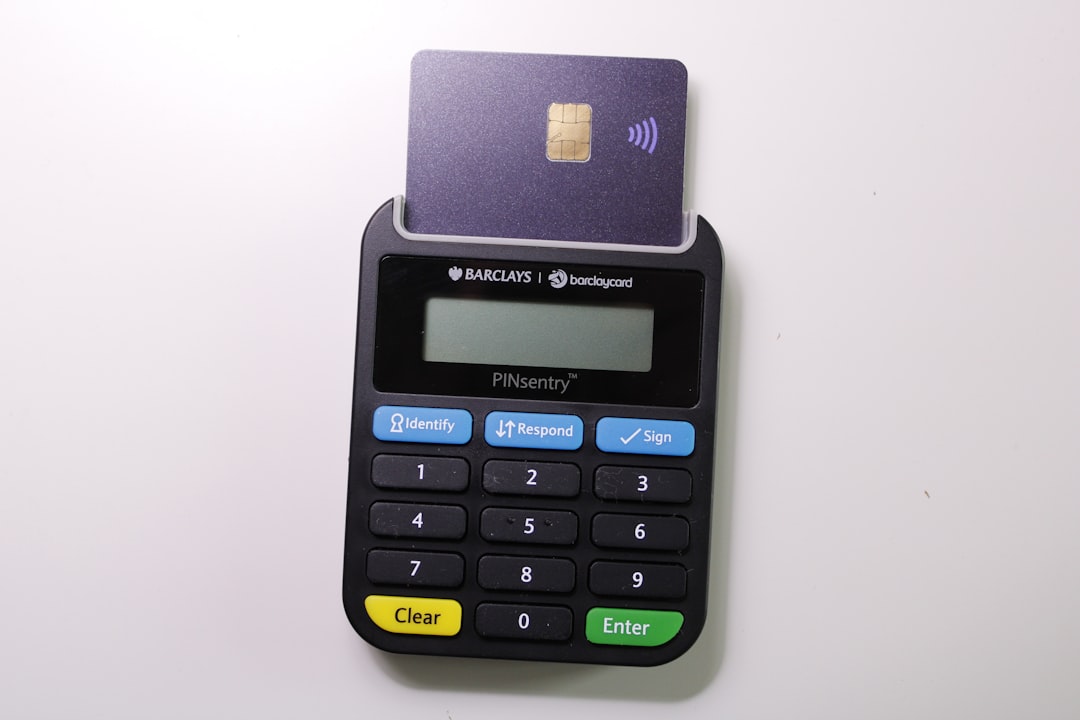
You are witnessing a seismic shift in the way we transact. The very foundations of payment technology are being re-engineered, driven by a confluence of technological innovation, evolving consumer expectations, and a persistent demand for greater efficiency and security. This isn’t a subtle evolution; it’s a revolution, reshaping how you interact with merchants, services, and even individuals. Your wallet, once a physical repository for cards and cash, is increasingly becoming a digital entity, and the mechanisms behind its contents are undergoing a profound transformation.
The convenience factor has always been a primary driver of technological adoption, and in the realm of payments, contactless and mobile solutions have capitalized on this effectively. You’ve likely experienced the ease of tapping your card or smartphone to complete a transaction, a stark contrast to the fumbling with cash or inserting a chip into a reader. This shift is not merely about speed; it’s about embedding payment capabilities into devices you already carry or use regularly.
Near-Field Communication (NFC) Technology
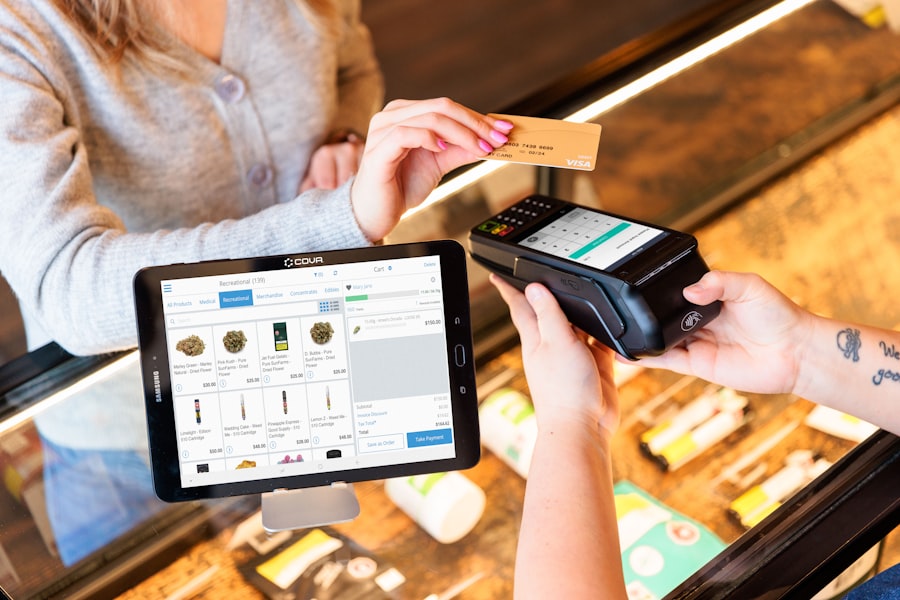
At the heart of many contactless payment systems lies Near-Field Communication (NFC). This short-range wireless technology allows for the secure exchange of data when two devices are brought into close proximity. For you, this translates to a simple tap of your credit or debit card, smartwatch, or smartphone at a compatible terminal.
Enhanced Security through Tokenization
One of the key security advancements enabling the widespread adoption of NFC payments is tokenization. Instead of your actual card number being transmitted during a transaction, a unique, randomly generated token is used. This token is useless to a fraudster if intercepted, as it cannot be used to make further purchases without the corresponding merchant and device information. You are, therefore, inherently more protected when using tokenized payment methods.
The Ubiquity of Mobile Wallets
From Apple Pay and Google Pay to Samsung Pay, mobile wallets have transformed your smartphone into a functional payment device. These platforms aggregate your payment cards, allowing for swift and secure transactions at points of sale. Beyond just retail, you’re now seeing mobile wallets being integrated into public transportation systems, ticketing platforms, and even peer-to-peer payment applications, further solidifying their role in your daily financial life.
Biometric Authentication Enhancements
The days of relying solely on PINs and passwords are gradually giving way to more sophisticated biometric authentication methods. Your fingerprint, face, or even your iris can now be used to authorize payments, offering a level of security and convenience that was once confined to science fiction.
Facial Recognition and Fingerprint Scanning
The integration of facial recognition and fingerprint scanning technology into payment-enabled devices has become commonplace. When you authorize a payment via your mobile wallet or contactless card reader, these biometric markers provide a robust layer of security, ensuring that only you can initiate a transaction. This significantly reduces the risk of unauthorized access through stolen credentials.
The Future of Continuous Authentication
While not yet mainstream for every transaction, the concept of continuous authentication is an area of active development. This involves passively monitoring your behavior – such as your typing patterns or the way you hold your device – to verify your identity throughout a session. For you, this could eventually translate into a more seamless and secure payment experience with fewer explicit authentication steps required.
As businesses continue to embrace digital transformation, the advancements in payment technology are reshaping the financial landscape. A related article that delves deeper into these innovations is available at How Wealth Grows, where you can explore the latest trends and insights on how payment systems are evolving to meet the demands of consumers and businesses alike. This resource provides valuable information on the impact of mobile payments, blockchain technology, and contactless transactions, highlighting the future of financial interactions.
The Evolving Landscape of Digital Wallets and Super Apps
Beyond simply storing payment information, digital wallets are evolving into comprehensive financial hubs. They are becoming an integrated part of “super apps” that consolidate a multitude of services, from ride-hailing and food delivery to banking and investments, all accessible from a single platform. Your engagement with these platforms is shifting from transactional to relational, with the wallet serving as the central point of interaction.
Consolidation of Financial Services
The modern digital wallet is no longer just a place to store your credit card details. You are seeing these platforms expand to include features such as budgeting tools, investment options, loyalty program management, and even cryptocurrency holdings. This consolidation aims to provide a one-stop shop for your financial needs, simplifying your financial management.
Embedded Finance Capabilities
A significant trend within this evolution is embedded finance. This means that financial services are being integrated directly into non-financial platforms. For example, you might be able to apply for a loan or purchase insurance directly within an e-commerce app, with the payment processed seamlessly through your integrated digital wallet. This removes friction and makes financial actions more contextual.
Loyalty and Rewards Integration
Many digital wallets are now designed to automatically apply loyalty points and discounts at participating retailers. You no longer need to remember to swipe a separate loyalty card or input a code. Your wallet, when linked to your accounts, can manage these benefits for you, ensuring you receive the rewards you’re entitled to and further enhancing the overall value proposition of using these platforms.
The Rise of Super Apps and Ecosystems
Platforms like WeChat and Grab have demonstrated the power of the “super app” model, where a single application encompasses a wide array of services. Your payment functionality is intrinsically linked to these ecosystems, enabling you to pay for everything from a taxi ride to your groceries, all within the same app. This creates a sticky user experience and deepens your reliance on these integrated platforms.
Cross-Platform Payment Interoperability
As digital wallets become more prevalent, the demand for interoperability across different platforms is growing. You want the convenience of using your preferred wallet regardless of the merchant or service provider. While still a developing area, efforts are being made to create more seamless transitions between various digital payment solutions.
Decentralized Applications and Web3 Integration
The nascent but rapidly growing world of Web3 and decentralized applications (dApps) is also influencing the evolution of digital wallets. As you explore decentralized finance (DeFi) and non-fungible tokens (NFTs), your digital wallet becomes the gateway to these new digital economies.
Innovations in Payment Processing and Infrastructure
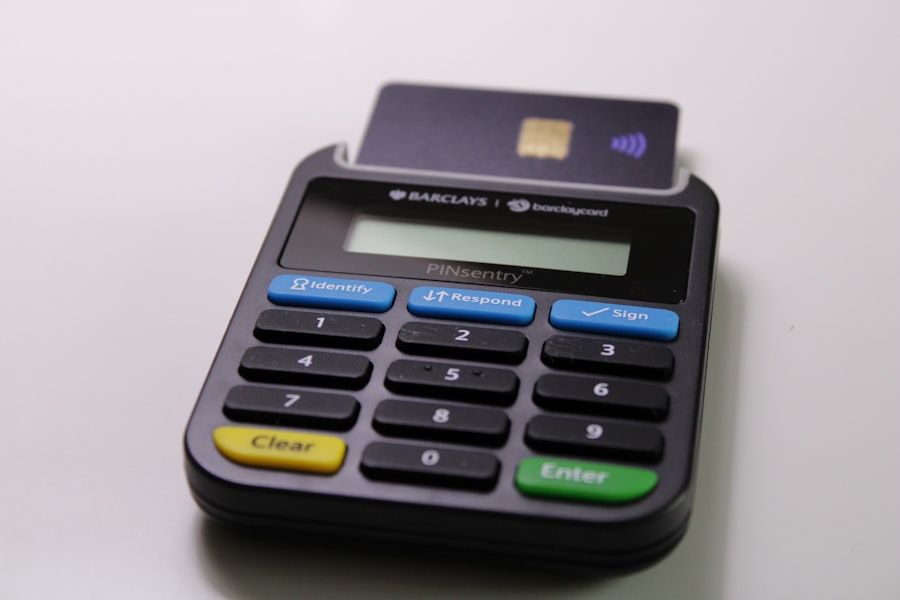
The backend systems that facilitate payments are undergoing equally significant transformations. These advancements are often less visible to you as a consumer, but they are critical for enabling the speed, security, and global reach of modern payment networks. The underlying infrastructure is being optimized for a world of instant transactions and complex data flows.
The Impact of Cloud Computing
Cloud computing has revolutionized payment processing by offering scalability, flexibility, and cost-efficiency. For payment processors, this means they can handle fluctuating transaction volumes with ease and deploy new services more rapidly. Your experience of seamless transactions, even during peak shopping periods, is a direct benefit of this cloud-based infrastructure.
Real-Time Data Processing and Analytics
Cloud environments enable real-time data processing, which is crucial for fraud detection, transaction authorization, and personalized customer experiences. The ability to analyze vast amounts of data instantaneously allows for quicker decisions and more robust security measures, ultimately protecting your transactions.
Enhanced Disaster Recovery and Uptime
Cloud infrastructure provides improved disaster recovery capabilities and higher uptime for payment systems. This ensures that payment networks remain operational even in the face of unforeseen events, minimizing disruptions to your ability to make purchases. The reliability of the payment system is paramount to your trust.
The Shift Towards APIs and Open Banking
Application Programming Interfaces (APIs) are acting as the connectors, allowing different financial systems to communicate and share data. This is particularly evident in the move towards Open Banking, where you can grant third-party providers access to your financial data, with your consent, to offer new and innovative services.
Facilitating Third-Party Integrations
APIs allow for the seamless integration of payment gateways and solutions into various applications and websites. When you see a “Pay with your bank” option on a merchant’s site, it’s often facilitated by APIs that connect the merchant’s system directly to your bank’s payment infrastructure.
Enabling Personalized Financial Experiences
Open Banking, powered by APIs, allows for the creation of personalized financial experiences. You can use budgeting apps that integrate directly with your bank accounts, providing a holistic view of your finances and enabling smarter financial decisions. This empowers you with greater control and insight.
Innovations in Cross-Border Payments
Cross-border payments have historically been slow, expensive, and opaque. However, advancements in payment technology, including blockchain and improved correspondent banking networks, are starting to address these challenges. For you, this could mean cheaper and faster international remittances and more streamlined global e-commerce.
The Blockchain Revolution and Its Payment Implications
While often associated with cryptocurrencies, blockchain technology has far-reaching implications for payment systems. Its inherent characteristics of transparency, immutability, and decentralization offer unique solutions to some of the persistent challenges in traditional finance, including the potential for novel transaction settlement methods.
Decentralized Payments and Cryptocurrencies
Cryptocurrencies like Bitcoin and Ethereum have paved the way for decentralized payment systems. While volatility and regulatory uncertainty remain, you are seeing increasing adoption for certain use cases, particularly in niche markets and as a store of value. The underlying blockchain technology offers an alternative to traditional ledger-based systems.
Faster Settlement Times
Blockchain-based payment systems, particularly those leveraging newer, more efficient protocols, can offer significantly faster settlement times compared to traditional methods that can take days to clear. This speed is a major potential advantage for global commerce.
Reduced Transaction Fees
In some decentralized payment networks, transaction fees can be substantially lower than those charged by traditional payment processors, especially for international transactions. This can be a significant cost saving for both consumers and businesses.
Increased Transparency and Auditability
The immutable and transparent nature of blockchain ensures that all transactions are recorded and can be audited by anyone on the network (depending on the blockchain’s design). This can lead to greater accountability and reduced opportunities for fraud.
Smart Contracts for Automated Payments
Smart contracts, self-executing contracts with the terms of the agreement directly written into code, are a powerful application of blockchain technology. You can envision these contracts automating payments based on predefined conditions, streamlining complex transactional processes.
Escrow Services and Conditional Payments
Smart contracts can automate escrow services, releasing funds only when specific conditions are met, such as the delivery of goods or the completion of a service. This provides a trustless mechanism for ensuring that both parties fulfill their obligations in a transaction.
Subscription Management and Recurring Payments
The automation capabilities of smart contracts can revolutionize subscription services and recurring payments. Payments can be automatically triggered and executed upon the fulfillment of agreed-upon terms, reducing the need for manual processing and minimizing payment failures.
As businesses continue to embrace innovative solutions, the landscape of payment technology advancements is evolving rapidly. A recent article highlights the transformative impact of digital wallets and contactless payments on consumer behavior, showcasing how these technologies enhance convenience and security. For further insights into the financial implications of these advancements, you can read more in this informative piece on wealth management strategies at How Wealth Grows. This exploration into payment technologies not only underscores their significance in today’s economy but also emphasizes the need for businesses to adapt to these changes.
The Future of Payments: Trends to Watch
| Advancement | Description |
|---|---|
| Mobile Wallets | Allows users to store payment information on their mobile devices for quick and secure transactions. |
| EMV Technology | Uses embedded microchips in credit and debit cards to enhance security and reduce fraud. |
| Contactless Payments | Enables users to make transactions by simply tapping their cards or mobile devices on a compatible reader. |
| Biometric Authentication | Utilizes fingerprint, facial recognition, or iris scanning for secure and convenient payment authorization. |
| Blockchain | Provides a decentralized and secure platform for digital transactions, particularly in cryptocurrency payments. |
The pace of innovation in payment technology shows no signs of slowing. You are at the cusp of further transformative shifts that will continue to redefine how you manage and move your money. Staying informed about these emerging trends is key to navigating the evolving financial landscape.
The Continued Dominance of Digital and Invisible Payments
The trend towards digital and “invisible” payments, where the transaction process is so seamless it becomes almost an afterthought, is set to continue. This includes advancements in biometric authentication and the further integration of payments into everyday objects and environments.
The Internet of Things (IoT) and Payments
As more devices become connected through the Internet of Things, you can anticipate payments becoming integrated into these devices. Imagine your smart refrigerator ordering groceries and automatically paying for them, or your car paying for parking without any manual intervention from you.
Voice-Activated Payments
The increasing sophistication of voice assistants promises to unlock new possibilities for voice-activated payments. You might be able to make purchases, pay bills, or transfer funds simply by speaking commands to your smart speaker or smartphone.
The Growing Importance of Data Privacy and Security
As payment systems become more sophisticated and handle more of your personal data, the importance of robust data privacy and security measures will only increase. You should expect a continued focus on encryption, secure authentication, and transparent data handling practices.
Regulatory Evolution and Consumer Protection
Governments and regulatory bodies worldwide are actively working to adapt to the rapid changes in payment technology. You can expect evolving regulations aimed at ensuring consumer protection, promoting fair competition, and maintaining the stability of the financial system.
The Role of Artificial Intelligence (AI) in Fraud Prevention
Artificial intelligence and machine learning are already playing a crucial role in fraud detection, and their influence will only grow. AI algorithms can analyze transaction patterns in real-time to identify and flag suspicious activity, protecting you from fraudulent transactions before they even occur.
The Global Push for Real-Time Payments
Real-time payment systems, which allow for instant transfer of funds between accounts, are gaining global traction. This shift is transforming how businesses operate and how individuals manage their money, offering immediate access to funds and reducing reliance on traditional slower payment rails.
Instant Settlement for Businesses and Consumers
For businesses, real-time payments mean improved cash flow management and the ability to settle transactions immediately. For you, it means knowing that transfers to friends or family are instantaneous, providing greater financial flexibility and certainty.
The Interoperability of Real-Time Payment Networks
A key challenge and opportunity for real-time payments lies in ensuring interoperability between different national and regional payment networks. As you engage in more cross-border transactions, seamless connectivity between these systems will become increasingly vital for a truly global real-time payment experience.
FAQs
What are some recent advancements in payment technology?
Some recent advancements in payment technology include the widespread adoption of mobile payment systems, the introduction of contactless payment methods, the development of biometric authentication for payments, and the integration of artificial intelligence and machine learning for fraud detection and prevention.
How do mobile payment systems work?
Mobile payment systems allow users to make payments using their smartphones or other mobile devices. These systems typically use near field communication (NFC) technology to enable contactless payments, and they may also incorporate digital wallets to securely store payment information.
What are contactless payment methods?
Contactless payment methods allow users to make transactions by simply tapping their payment card or mobile device on a compatible reader. This technology uses radio frequency identification (RFID) or NFC to enable quick and convenient payments without the need for physical contact with the payment terminal.
What is biometric authentication for payments?
Biometric authentication for payments involves using unique biological traits, such as fingerprints, facial recognition, or iris scans, to verify a user’s identity before authorizing a payment. This technology offers enhanced security and convenience by replacing traditional PINs or passwords.
How is artificial intelligence used in payment technology?
Artificial intelligence is used in payment technology to analyze large volumes of transaction data in real time, detect patterns indicative of fraudulent activity, and prevent unauthorized transactions. AI also powers chatbots and virtual assistants that provide customer support and personalized recommendations for users.