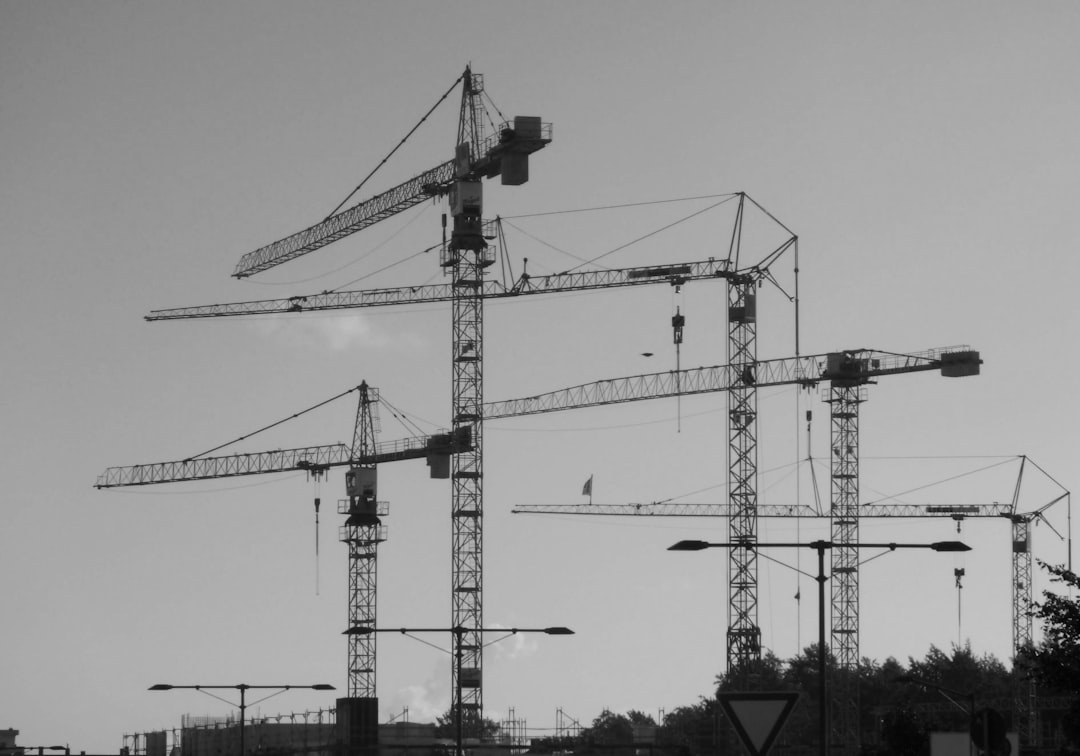
You stand at a crossroads, observing the sprawling metropolis before you. The concrete behemoths reach for the sky, their surfaces reflecting the relentless march of time. Below, a symphony of human activity unfolds – a complex organism breathing, evolving, and sometimes, faltering. This intricate tapestry is not a static painting but a dynamic sculpture, constantly being reshaped by the hands of urban development. Understanding its nuances, its triumphs, and its pitfalls, is paramount if you are to truly grasp the future of human habitation.
To comprehend the present, you must first peer into the past. Urban development is not a modern phenomenon; its roots stretch back to the dawn of civilization. Early settlements, born from the need for collective defense and agricultural efficiency, laid the rudimentary groundwork for what you now recognize as cities.
Ancient Urban Planning: From Mesopotamia to Rome
Consider the planned cities of ancient Mesopotamia, where intricate irrigation systems nurtured burgeoning populations. You see in Ur and Babylon the beginnings of organized infrastructure, albeit on a far simpler scale. The Romans, masters of engineering and administration, took this concept further, constructing vast road networks, aqueducts, and public spaces that served not just practical needs but also civic pride. Their urban centers were more than just collections of buildings; they were sophisticated machines designed for life, commerce, and governance. You can still trace their influence in the grid patterns of many modern cities.
Industrial Revolution’s Impact: Growth and Growing Pains
The Industrial Revolution served as a catalyst, propelling urban development into an unprecedented era of rapid growth. Factories became magnets, drawing populations from rural areas in search of employment. This migration, while fueling economic expansion, also brought its own set of challenges. You witnessed the proliferation of overcrowded tenements, squalid living conditions, and rampant disease. The absence of comprehensive planning led to the organic, often chaotic, sprawl that characterizes many older industrial cities to this day. Slums became festering sores on the urban landscape, a stark reminder that unchecked growth can come at a steep human cost.
Post-War Reconstruction and Modern Planning Theories
The widespread devastation of World War II provided an impetus for extensive urban regeneration. You saw the emergence of modernist planning theories, advocating for functionalism, open spaces, and efficient transportation networks. Le Corbusier’s radical visions, though controversial, profoundly influenced architectural and urban design. The latter half of the 20th century also witnessed the rise of suburbanization, fueled by increased affluence, car ownership, and a desire for more space and perceived tranquility outside the bustling city centers. This decentralization, while offering specific benefits, also posed new challenges, including increased reliance on private vehicles and the erosion of compact communities.
Urban development is a critical aspect of modern city planning, focusing on the improvement of infrastructure, housing, and public spaces to enhance the quality of life for residents. A related article that delves deeper into the implications of urban development on economic growth and community well-being can be found at this link. This resource provides valuable insights into the strategies employed by cities to foster sustainable growth while addressing the challenges posed by rapid urbanization.
The Pillars of Sustainable Urban Development
As you navigate the complexities of contemporary urban environments, you confront the imperative of sustainability. Merely building is no longer enough; you must build wisely, with an eye towards the long-term health of both the city and its inhabitants.
Economic Vitality: Fueling the Urban Engine
A city, like any complex organism, requires a robust circulatory system – its economy. Urban development plays a crucial role in fostering economic vitality. You observe how strategic infrastructure investments, such as improved transportation networks and advanced telecommunications, attract businesses and stimulate job creation. The cultivation of diverse industries, from technology hubs to creative sectors, creates an economic ecosystem resilient to fluctuations in any single market.
Attracting Investment and Fostering Innovation
You recognize that successful urban development involves creating an environment conducive to investment. This includes not only physical infrastructure but also a clear regulatory framework, an educated workforce, and a vibrant cultural scene. Cities that prioritize research and development, establish incubators for startups, and foster collaborative environments become magnets for innovation, drawing talent and capital. Think of Silicon Valley as a prime example, where a concerted effort to nurture technological advancement has created an economic powerhouse.
Job Creation and Workforce Development
The ultimate goal, for you, is often the creation of meaningful employment opportunities for the entire populace. Urban development initiatives should be tied to workforce development programs, ensuring that residents possess the skills necessary to thrive in the evolving economy. Vocational training, partnerships between educational institutions and industries, and lifelong learning initiatives are critical components in building a resilient workforce capable of adapting to technological shifts and new economic demands.
Urban development plays a crucial role in shaping the future of cities, influencing everything from infrastructure to community dynamics. For those interested in exploring the financial aspects of urban growth, a related article can provide valuable insights into how wealth is generated in urban areas. You can read more about this topic in the article on wealth accumulation and urbanization found here. Understanding these connections can help us appreciate the complexities of urban planning and its impact on economic prosperity.
Social Equity: Building Inclusive Cities
A city that thrives for some but neglects others is a city in peril. You understand that true urban development must prioritize social equity, ensuring that all residents have access to opportunities and a decent quality of life.
Affordable Housing and Community Building
The provision of affordable housing is a cornerstone of social equity. You’ve witnessed firsthand how exorbitant housing costs can displace long-term residents, fragment communities, and exacerbate social inequalities. Urban development strategies must include policies that promote the creation and retention of diverse housing options, including social housing, co-operative models, and inclusionary zoning. Furthermore, you recognize the importance of fostering strong community ties through the development of public spaces, community centers, and programs that encourage social interaction and civic engagement.
Access to Essential Services and Public Amenities
Consider the fundamental right of every citizen to access essential services. Urban development must ensure equitable distribution of high-quality healthcare facilities, educational institutions, public transportation, and recreational spaces. A well-planned city allows you to reach a doctor, attend a good school, and enjoy green spaces regardless of your socioeconomic status or postal code. The absence of such access creates barriers to opportunity and perpetuates cycles of disadvantage.
Environmental Stewardship: Green Cities for a Blue Planet
You are acutely aware that cities, while centers of human activity, exist within a larger ecological framework. Sustainable urban development acknowledges this fact and seeks to minimize the environmental footprint while enhancing the natural environment within the urban fabric.
Green Infrastructure and Biodiversity Preservation
Imagine a city laced with green veins – parks, urban forests, and green roofs – that purify the air, manage stormwater, and provide havens for wildlife. This is the essence of green infrastructure. You see the critical role urban planning plays in integrating these natural elements, not just as aesthetic embellishments, but as vital components of a healthy ecosystem. Biodiversity preservation, though often associated with remote wildernesses, is equally important within cities, where green corridors and habitat restoration can support a surprising array of flora and fauna.
Climate Resilience and Resource Management
Cities, occupying fixed geographical locations, are particularly vulnerable to the impacts of climate change. You recognize the urgency of developing climate-resilient cities, implementing strategies to mitigate the effects of extreme weather events, rising sea levels, and urban heat islands. This involves investments in renewable energy, efficient waste management systems, and water conservation initiatives. Resource management, in its broadest sense, means moving towards a circular economy where waste is minimized, and resources are reused and recycled, reducing the city’s reliance on finite virgin materials.
The Challenges of Urban Transformation
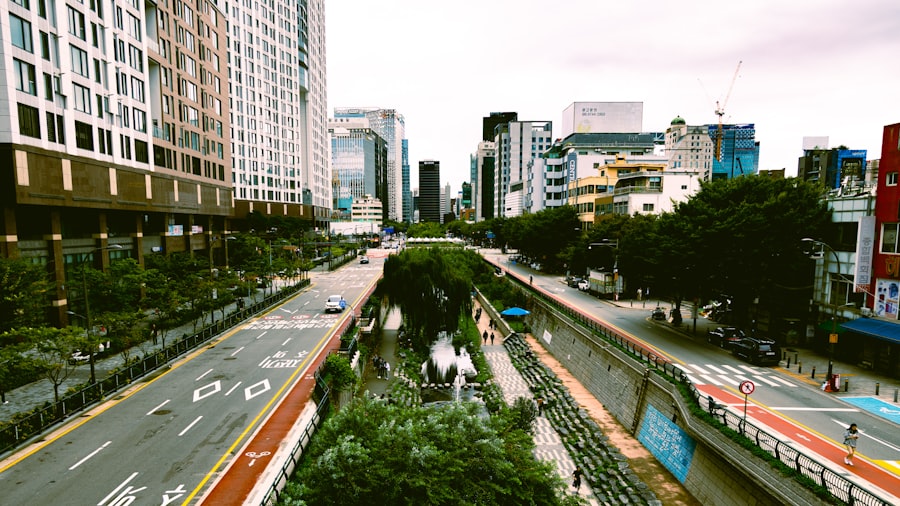
The path to revitalization is rarely smooth. You will encounter obstacles, inherent tensions, and complex dilemmas that require careful consideration and innovative solutions.
Gentrification and Displacement: The Double-Edged Sword
Gentrification, the process of wealthier residents moving into and revitalizing historically disinvested neighborhoods, presents a classic conundrum. You observe the positive aspects – increased property values, improved infrastructure, and new businesses. Yet, you also witness the darker side: rising rents and property taxes forcing out long-term residents and established businesses, leading to social dislocation and the erosion of community character.
Balancing Economic Growth with Social Equity
The challenge for you, as a planner or concerned citizen, is to strike a delicate balance. How can you harness the benefits of investment without sacrificing the social fabric of existing communities? This requires proactive policies such as rent control, community-land trusts, and affordable housing mandates, alongside robust community engagement that gives a voice to those most vulnerable to displacement. It’s like navigating a narrow gorge, ensuring the stream of progress flows without eroding the banks of existing communities.
Preserving Cultural Heritage and Community Identity
Beyond economic concerns, gentrification can threaten the unique cultural heritage and identity of neighborhoods. You understand that cities derive their richness from their diverse communities, their distinct architectural styles, and their local traditions. Urban development must incorporate strategies for heritage preservation, supporting local businesses, and empowering residents to shape the future of their own neighborhoods.
Infrastructure Decay and Funding Shortfalls: A Constant Battle
Many cities, particularly older ones, grapple with aging infrastructure – crumbling roads, deteriorating water pipes, and outdated public transportation systems. You realize that these aren’t just inconveniences; they pose significant safety risks and impede economic growth.
Innovative Financing Mechanisms
Addressing infrastructure decay requires substantial financial investment, often beyond the capacity of municipal budgets. You must explore innovative financing mechanisms, such as public-private partnerships, infrastructure bonds, and dedicated tax revenues. Creative approaches, like value capture financing where increased property values from infrastructure improvements contribute to their funding, are becoming increasingly relevant.
Prioritizing and Strategic Investment
Given finite resources, you must engage in strategic prioritization. Not every road can be fixed simultaneously, nor every pipe replaced. Data-driven decision-making, coupled with a long-term vision, allows you to allocate resources effectively, focusing on critical infrastructure that has the greatest impact on public safety, economic productivity, and quality of life.
Governance and Public Participation: The Democratic Imperative
Urban development is not a top-down exercise; it is a collective endeavor that requires effective governance and meaningful public participation. You see that decisions made in isolation often lead to unintended consequences and public backlash.
Transparency and Accountability
Imagine a city administration as a glass house, where decisions are visible and understandable to all. Transparency in planning processes, financial disclosures, and decision-making is crucial for building public trust. Accountability mechanisms, such as independent oversight bodies and avenues for citizen feedback, ensure that those in power are responsive to the needs of the populace.
Empowering Local Communities
You recognize that those closest to a problem often have the best insights into its solution. Empowering local communities through participatory planning processes, community boards, and direct engagement ensures that urban development reflects the aspirations and needs of residents. This “bottom-up” approach can lead to more equitable, sustainable, and widely accepted outcomes. A city flourishes when its citizens are active participants in its crafting.
The Future Trajectory of Urban Development: Smart Cities and Beyond
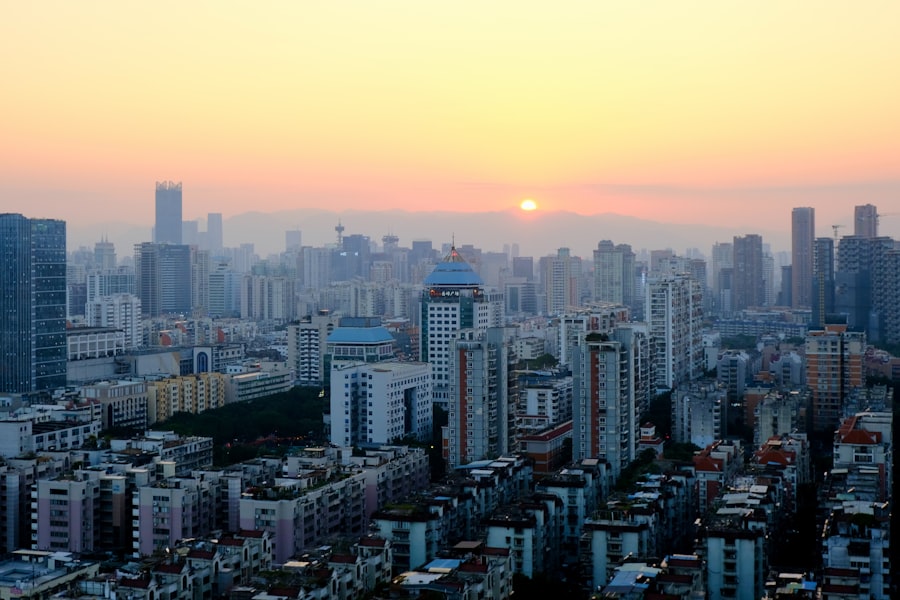
As you cast your gaze forward, you envision cities transformed by technology, driven by data, and deeply intertwined with the natural world.
Smart Technologies and Data-Driven Planning
The concept of the “smart city” is no longer futuristic; it is becoming a tangible reality. You see sensors monitoring traffic, managing waste, and optimizing energy consumption. Data analytics provides insights into urban patterns, allowing for more efficient resource allocation and proactive problem-solving. Artificial intelligence can personalize services, predict challenges, and enhance the overall urban experience.
Ethical Considerations and Digital Divide
However, you must confront the ethical implications of pervasive technology. Issues of data privacy, surveillance, and algorithmic bias demand careful attention. Furthermore, the digital divide – the gap between those with access to technology and those without – must be actively addressed to ensure that smart city initiatives benefit all residents, rather than exacerbating existing inequalities. Technology, like any powerful tool, requires responsible stewardship.
Enhancing Urban Efficiency and Quality of Life
The promise of smart cities lies in their ability to dramatically enhance urban efficiency and improve the quality of life for residents. From reducing traffic congestion through intelligent transportation systems to improving public safety with real-time incident monitoring, technology can be a powerful ally in creating more livable and responsive urban environments.
Resilient Cities in a Changing Climate
You understand that the challenges posed by climate change will only intensify. Future urban development must prioritize resilience, building cities that can withstand and adapt to environmental shocks.
Circular Economy Principles and Resource Efficiency
Embracing circular economy principles is paramount. Imagine a city where waste is seen as a resource, where materials are reused, repaired, and recycled, minimizing extraction and landfill. This shift in mindset, from a linear “take-make-dispose” model to a circular one, is not merely an environmental imperative but an economic opportunity, fostering innovation and creating new industries.
Biophilic Urbanism and Nature-Based Solutions
Biophilic urbanism, the integration of nature into urban design, will become increasingly prevalent. You envision buildings covered in living walls, expansive urban farms feeding local populations, and public spaces designed to connect residents with the natural world. Nature-based solutions, such as permeable paving for stormwater management and urban wetlands for water purification, mimic natural processes to address urban challenges, providing multiple co-benefits. It’s about letting the city breathe, allowing nature to actively participate in its functions.
In conclusion, you recognize that urban development is a continuous journey, not a fixed destination. It is a complex interplay of historical legacies, economic forces, social aspirations, and environmental imperatives. As you cast your gaze upon the cities of today and tomorrow, you are not merely observing concrete and steel; you are witnessing the ongoing evolution of human civilization, an evolution that demands your active engagement, foresight, and a steadfast commitment to building cities that are not just functional, but truly flourishing for all who call them home. The future of humanity, in many ways, is etched into the very foundations of the cities you choose to build.
FAQs
What is urban development?
Urban development refers to the process of improving and expanding cities and towns through planning, construction, and infrastructure enhancement to accommodate growing populations and economic activities.
What are the main goals of urban development?
The main goals include improving living standards, providing adequate housing, enhancing transportation systems, promoting economic growth, and ensuring sustainable use of resources.
What factors influence urban development?
Key factors include population growth, economic opportunities, government policies, availability of land, technological advancements, and environmental considerations.
How does urban development impact the environment?
Urban development can lead to habitat loss, increased pollution, and resource depletion, but sustainable practices aim to minimize negative effects through green spaces, efficient energy use, and waste management.
What role do governments play in urban development?
Governments regulate urban development through zoning laws, infrastructure investment, urban planning, and policies that guide growth, ensure public services, and promote sustainable development.