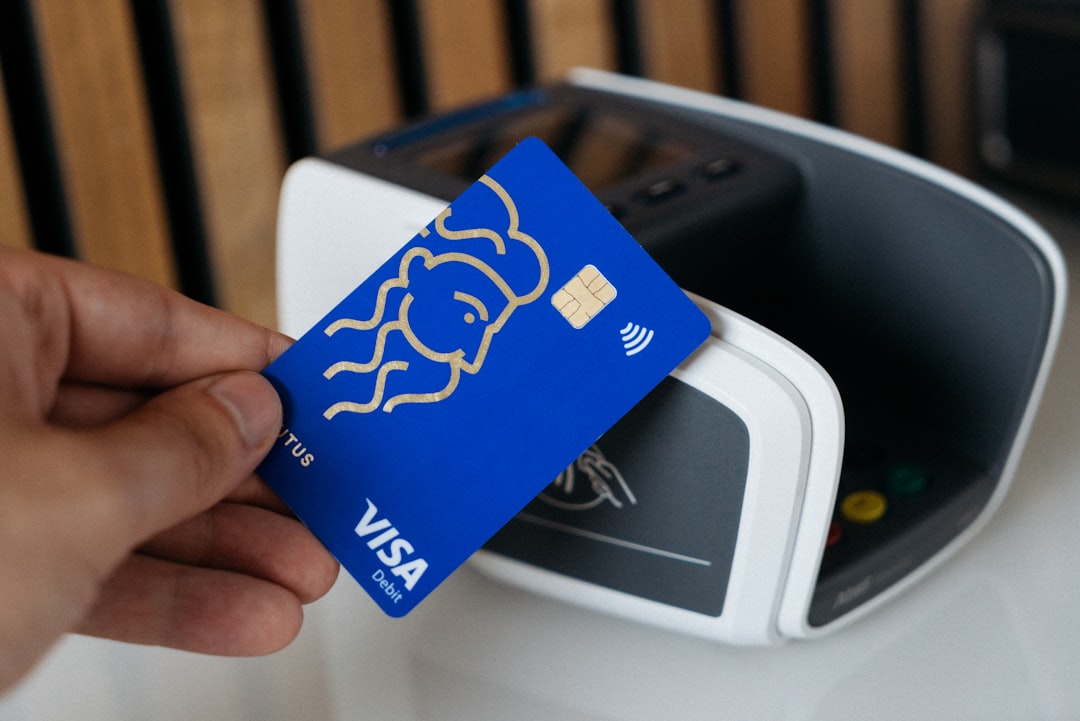
Digital transactions have become increasingly prevalent, creating heightened security concerns for consumers and financial institutions. Masked credit cards represent a security technology designed to protect financial information during online transactions. These cards address documented risks associated with identity theft and data breaches that affect millions of consumers annually.
Masked credit cards function by generating temporary, unique card numbers that connect to an existing credit card account. During transactions, merchants receive only the temporary masked number rather than the actual credit card details. This technology creates an additional security layer by preventing direct exposure of permanent account information during online purchases.
Key Takeaways
- Masked credit cards help protect your personal and financial information by generating temporary, unique card numbers for online transactions.
- They reduce the risk of identity theft and fraud by limiting exposure of your actual credit card details.
- Using masked credit cards offers convenience for recurring payments without compromising security.
- Despite their benefits, masked credit cards have limitations, such as potential merchant acceptance issues and management complexity.
- Safeguarding masked card information and understanding their use is essential for maximizing privacy and financial security.
How Masked Credit Cards Protect Your Personal Information
One of the primary advantages of using masked credit cards is their ability to shield your personal information from prying eyes. When you shop online, you often have to provide sensitive details such as your credit card number, expiration date, and CVV code. With a masked credit card, however, you can generate a unique card number for each transaction, ensuring that your actual credit card information remains hidden.
This means that even if a merchant’s database is compromised, your real card details are not exposed. Moreover, masked credit cards often come with additional security features that further protect your personal information. For instance, many providers offer transaction limits or expiration dates for the masked numbers, which can help mitigate the risk of unauthorized use.
By utilizing these features, you can maintain greater control over your financial data and reduce the likelihood of falling victim to fraud. In a world where cyber threats are increasingly sophisticated, taking proactive steps to safeguard your information is essential.
The Benefits of Using Masked Credit Cards for Online Shopping
When it comes to online shopping, convenience is key. You want to make purchases quickly and easily without having to worry about the safety of your financial information. Masked credit cards provide this convenience by allowing you to shop without exposing your actual card details.
This means you can make purchases from various retailers without the fear of compromising your financial security. Additionally, using masked credit cards can streamline your online shopping experience. Many services allow you to generate a masked number in just a few clicks, making it easy to complete transactions without having to dig out your physical card.
This efficiency can be particularly beneficial during busy shopping seasons or when you’re making last-minute purchases. By adopting masked credit cards, you can enjoy a seamless shopping experience while keeping your personal information safe.
How Masked Credit Cards Can Help Prevent Identity Theft
Identity theft is a growing concern in today’s digital landscape, and masked credit cards offer a robust defense against this threat. By using a temporary card number for each transaction, you significantly reduce the risk of having your identity stolen. If someone were to gain access to a masked number, it would be useless after the transaction is completed or if it has an expiration date set by you.
Furthermore, many masked credit card services provide real-time alerts for transactions made with the masked numbers. This means that if any suspicious activity occurs, you will be notified immediately, allowing you to take action before any significant damage is done. By leveraging these features, you can create an additional layer of protection against identity theft and ensure that your financial identity remains secure.
The Convenience of Using Masked Credit Cards for Recurring Payments
| Metric | Description | Typical Value / Range | Impact on Privacy |
|---|---|---|---|
| Masked Digits Displayed | Number of credit card digits shown after masking | 4 digits (last four) | Reduces risk of full card exposure |
| Masking Character | Character used to replace masked digits | * or X | Prevents recognition of original digits |
| Data Retention Period | Duration masked card data is stored | 30 to 90 days | Limits exposure time of sensitive data |
| PCI DSS Compliance | Adherence to Payment Card Industry Data Security Standards | Required for all merchants | Ensures proper masking and encryption |
| Masking Method | Technique used to mask card numbers | Static masking or dynamic tokenization | Dynamic methods offer higher security |
| Percentage of Transactions Masked | Proportion of transactions where card data is masked | 95% or higher in compliant systems | Improves overall data privacy |
| Access Control Level | Who can view unmasked card data | Restricted to authorized personnel only | Minimizes insider data breaches |
In addition to one-time purchases, masked credit cards can also be used for recurring payments, such as subscriptions or memberships. This feature allows you to enjoy the benefits of automated billing without exposing your actual credit card information. By using a masked number for these transactions, you can maintain control over your financial data while still enjoying the convenience of automatic payments.
Moreover, many masked credit card services allow you to set specific parameters for recurring payments, such as spending limits or expiration dates. This means that if you decide to cancel a subscription or if a service provider experiences a data breach, your actual card details remain protected. The ability to manage recurring payments with masked credit cards adds another layer of convenience and security to your financial transactions.
The Security Features of Masked Credit Cards
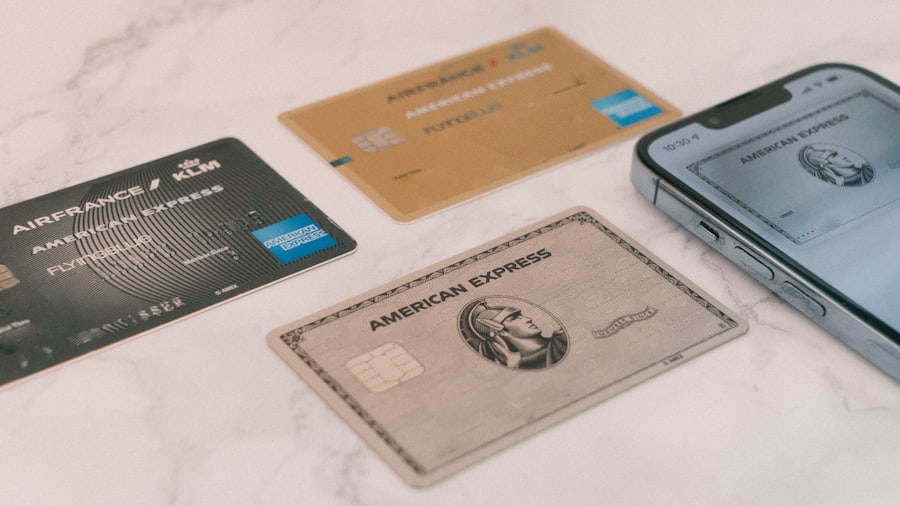
Masked credit cards come equipped with various security features designed to protect your financial information. One of the most notable features is the ability to generate unique card numbers for each transaction.
Additionally, many providers offer customizable settings that allow you to set limits on how much can be charged to a masked number or specify an expiration date for its use. These features empower you to take control of your financial security and minimize potential risks associated with online shopping. By understanding and utilizing these security features, you can enhance your overall protection while enjoying the convenience of masked credit cards.
How to Obtain and Use a Masked Credit Card
Obtaining a masked credit card is typically a straightforward process. Many banks and financial institutions now offer this service as part of their credit card offerings. To get started, you may need to sign up for an account with a provider that offers masked credit cards and link it to your existing credit card account.
Once you’ve set up your account, using a masked credit card is simple. You can generate a temporary card number through the provider’s website or app whenever you’re ready to make a purchase. After generating the number, you’ll enter it at checkout just like you would with a traditional credit card.
It’s important to keep track of any limits or expiration dates associated with the masked number to ensure smooth transactions.
The Limitations and Drawbacks of Masked Credit Cards
While masked credit cards offer numerous benefits, they are not without their limitations. One potential drawback is that not all merchants accept masked numbers, which could limit where you can shop online. Some retailers may require traditional credit card details for processing payments, making it essential to have both options available.
Additionally, there may be fees associated with using masked credit cards, depending on the provider and the specific service plan you choose. These fees could include transaction fees or monthly service charges that may not be present with traditional credit cards. It’s crucial to weigh these potential costs against the benefits of enhanced security when deciding whether to use a masked credit card.
Tips for Safeguarding Your Masked Credit Card Information
To maximize the security benefits of using masked credit cards, it’s essential to adopt best practices for safeguarding your information. First and foremost, always use strong passwords for your accounts associated with masked credit cards and enable two-factor authentication whenever possible. This adds an extra layer of protection against unauthorized access.
Additionally, regularly monitor your transactions for any suspicious activity. If you notice any discrepancies or unauthorized charges on your account, report them immediately to your provider. Staying vigilant about your financial activity will help ensure that any potential issues are addressed promptly.
How Masked Credit Cards Can Help Protect Your Financial Privacy
In today’s digital world, maintaining financial privacy is more important than ever. Masked credit cards provide an effective way to protect your financial information from being exposed during online transactions. By using temporary numbers instead of your actual card details, you can shop with greater anonymity and reduce the risk of unwanted attention from hackers or data thieves.
Moreover, using masked credit cards allows you to keep track of specific transactions without linking them directly to your primary account. This separation can help maintain privacy in your spending habits and make it easier to manage budgets or track expenses without revealing sensitive information.
The Importance of Using Masked Credit Cards for Privacy Protection
In conclusion, masked credit cards represent a significant advancement in protecting personal information during online transactions. By offering enhanced security features and convenience for both one-time purchases and recurring payments, these innovative tools empower you to shop with confidence while safeguarding your financial data from potential threats. As identity theft and data breaches continue to rise in our increasingly digital world, adopting measures like masked credit cards becomes essential for maintaining privacy and security in financial transactions.
By understanding how these cards work and implementing best practices for their use, you can take proactive steps toward protecting yourself in an ever-evolving landscape of online shopping and financial management.
Masked credit cards are becoming increasingly popular as a means to enhance privacy and security in online transactions. For those interested in exploring this topic further, you can read a related article that discusses various strategies for protecting your financial information online. Check it out here: How Wealth Grows.
WATCH THIS! 💰 STOP Apps Are Stealing $1,000 From You Every Year—Here’s Proof & The 30-Day Fix
FAQs
What are masked credit cards?
Masked credit cards are virtual or temporary card numbers that are linked to your actual credit card account but display a different number for online or remote transactions. This helps protect your real card details from being exposed.
How do masked credit cards enhance privacy?
By using a masked credit card number instead of your real card number, you reduce the risk of your actual credit card information being stolen or misused. The masked number can be limited in usage, amount, or time, adding an extra layer of security.
Can masked credit cards be used for all types of transactions?
Masked credit cards are primarily designed for online or remote transactions. They may not be accepted for in-person purchases or at ATMs, depending on the issuer’s policies.
Are masked credit cards free to use?
Many banks and credit card issuers offer masked credit card services at no additional cost, but some may charge fees depending on the provider and the features offered.
How do I get a masked credit card?
You can typically generate a masked credit card number through your bank’s online banking platform or mobile app if they offer this service. Some third-party services also provide virtual card numbers linked to your credit card.
What happens if a masked credit card number is compromised?
If a masked credit card number is compromised, you can usually deactivate or delete that specific number without affecting your actual credit card account, minimizing potential fraud.
Do masked credit cards affect my credit score?
Using masked credit cards does not directly impact your credit score since they are linked to your existing credit card account and do not represent new credit.
Can I set spending limits on masked credit cards?
Many masked credit card services allow you to set spending limits, expiration dates, or restrict usage to specific merchants, enhancing control over your transactions.
Are masked credit cards accepted internationally?
Acceptance of masked credit cards internationally depends on the card network and issuer. Generally, they work wherever the underlying credit card network is accepted for online transactions.
Do masked credit cards protect against all types of fraud?
While masked credit cards significantly reduce the risk of fraud related to card number theft, they do not protect against all types of fraud, such as phishing or identity theft involving other personal information.