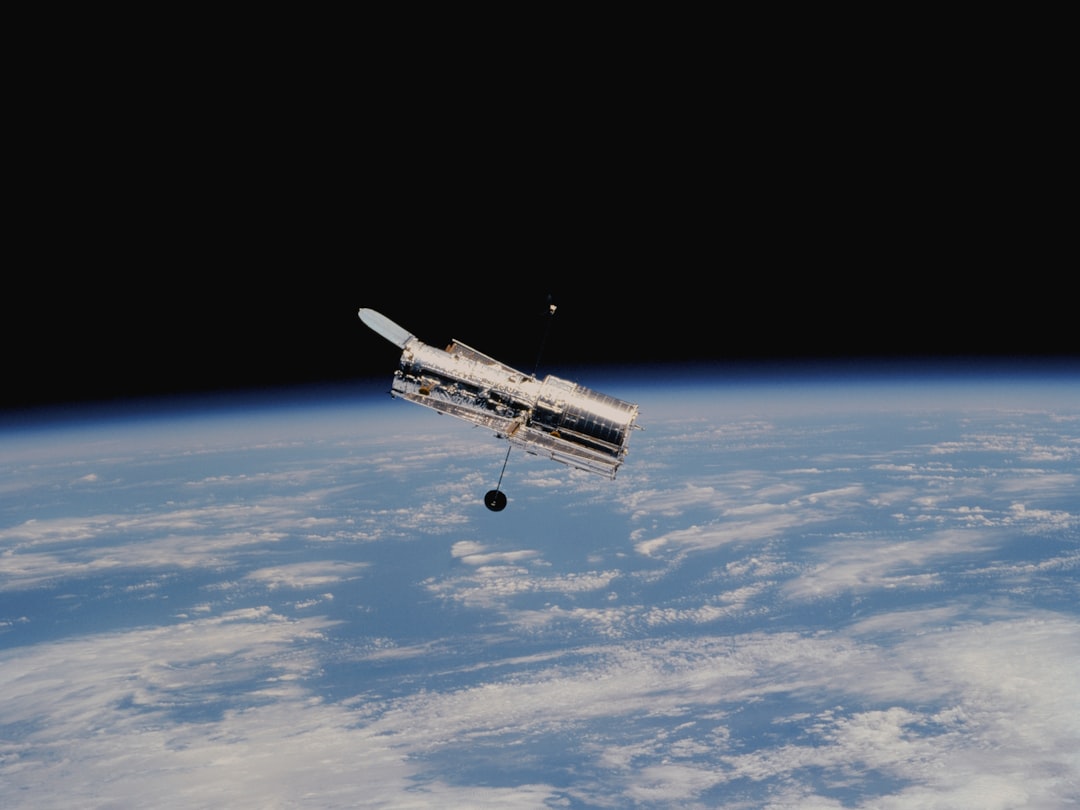
The private space industry has experienced significant growth over the past two decades, with companies such as SpaceX, Blue Origin, and Virgin Galactic developing capabilities in space tourism, satellite deployment, and launch services. These companies have achieved notable milestones, including successful crewed missions and reusable rocket technology. However, the sector has faced considerable challenges in recent years, with several companies experiencing financial difficulties, project delays, and operational setbacks.
The current difficulties in the private space industry stem from multiple interconnected factors. Regulatory compliance requirements have proven more complex and time-consuming than initially anticipated by many companies. Technical challenges in developing reliable and cost-effective space systems have led to budget overruns and schedule delays.
Additionally, some market segments have become increasingly competitive, while others have not developed as rapidly as projected. Financial management issues, including difficulties securing sustained funding and achieving profitability, have affected numerous companies across the sector. These factors collectively impact the commercial viability and growth trajectory of private space enterprises.
Key Takeaways
- The private space industry faces significant challenges including technological failures, financial mismanagement, and market saturation.
- Lack of regulation and oversight contributes to safety, security, and environmental concerns within the sector.
- Political, geopolitical factors, and public trust issues further complicate industry stability and growth.
- Lessons learned highlight the need for improved governance, sustainability, and innovation strategies.
- Future success depends on implementing strong regulations, enhancing safety measures, and rebuilding public confidence.
Lack of Regulation and Oversight
One of the most pressing issues contributing to the current state of the private space industry is the lack of regulation and oversight. As you may know, space has traditionally been governed by international treaties and agreements, but the rapid expansion of private companies has outpaced existing frameworks. This regulatory gap has allowed companies to operate with a degree of freedom that can lead to unsafe practices and untested technologies being deployed in space.
Without stringent oversight, you might find that companies are incentivized to prioritize profit over safety. The absence of a robust regulatory body means that there is little accountability for failures or accidents. This lack of regulation not only jeopardizes the safety of missions but also undermines public trust in private space endeavors.
As you consider the implications, it becomes evident that a more structured regulatory environment is essential for fostering a safe and sustainable private space industry.
Technological Failures and Limitations

Technological failures have also played a significant role in the downturn of the private space industry. While you may have been captivated by the rapid advancements in rocket technology and spacecraft design, it’s important to recognize that these innovations come with inherent risks. Many companies have faced setbacks due to technical malfunctions, which can lead to catastrophic failures during launches or missions.
You might recall high-profile incidents where rockets exploded shortly after liftoff or where spacecraft encountered critical failures during testing phases. These events not only result in financial losses but also erode public confidence in the capabilities of private space companies. Moreover, as you consider the ambitious goals set by these enterprises—such as manned missions to Mars or establishing colonies on other celestial bodies—it becomes clear that overcoming technological limitations is paramount.
The industry must invest in rigorous testing and development processes to ensure that future missions are safe and successful.
Financial Challenges and Mismanagement
Financial challenges have emerged as another significant factor contributing to the struggles of the private space industry. Many companies entered the market with grand visions but underestimated the costs associated with developing and launching space missions. As you explore this aspect, you may find that some firms have relied heavily on venture capital funding, which can create pressure to deliver quick returns rather than focusing on long-term sustainability.
Mismanagement of funds can exacerbate these financial challenges. You might be surprised to learn that some companies have faced allegations of misappropriating funds or failing to adhere to budgets, leading to project delays and increased costs. This financial instability not only threatens individual companies but also casts a shadow over the entire industry, making investors wary of committing resources to new ventures.
As you reflect on these issues, it becomes clear that sound financial management practices are essential for ensuring the viability of private space enterprises.
Competition and Market Saturation
| Metric | Value | Unit | Notes |
|---|---|---|---|
| Number of Private Space Companies | 45 | companies | Down from 70 in 2024 |
| Market Valuation Drop | 65 | percent | Average valuation decline across industry |
| Investment Funding | 1.2 | billion | Raised in 2025, down from 5.8 billion in 2024 |
| Launch Failures | 18 | incidents | Significant increase compared to previous years |
| Job Losses | 8,000 | employees | Across major private space firms |
| Government Bailouts | 3 | cases | Major firms receiving emergency funding |
| Satellite Deployment | 120 | units | Decreased from 300 units in 2024 |
The competitive landscape of the private space industry has also contributed to its current challenges. With numerous companies vying for a share of the market, you may notice that competition has intensified significantly in recent years. While healthy competition can drive innovation, it can also lead to market saturation, where too many players chase limited opportunities.
As you analyze this situation, consider how this saturation can lead to price wars and reduced profit margins for companies. In an effort to stand out, some firms may cut corners or compromise on safety standards, further exacerbating existing issues within the industry. Additionally, as you think about the long-term viability of these companies, it becomes apparent that not all will survive in such a crowded marketplace.
The potential for consolidation looms large as weaker players struggle to compete against established giants.
Safety and Security Concerns

Safety and security concerns are paramount in any discussion about space exploration, particularly when it comes to private enterprises. You may be aware that launching rockets and sending humans into space inherently involves risks; however, when private companies are involved, these risks can be magnified by profit-driven motives. The lack of stringent safety protocols can lead to dangerous situations for both crew members and payloads.
As you consider the increasing reliance on technology in space missions, it becomes evident that vulnerabilities exist that could be exploited by malicious actors. The potential for data breaches or sabotage poses significant risks not only to individual missions but also to national security interests.
Addressing these safety and security concerns is crucial for restoring public confidence in private space endeavors.
Environmental Impact and Sustainability
The environmental impact of space activities is another critical issue that cannot be overlooked. As you explore this topic, you may find that while space exploration offers exciting possibilities, it also raises questions about sustainability and ecological responsibility. The launch of rockets contributes to carbon emissions and other pollutants that can harm the atmosphere.
This debris poses risks not only to operational satellites but also to future missions. As you reflect on these environmental challenges, it becomes clear that the private space industry must prioritize sustainable practices if it hopes to maintain public support and ensure long-term viability.
Political and Geopolitical Factors
Political and geopolitical factors play a significant role in shaping the landscape of the private space industry. You may have noticed how government policies can either facilitate or hinder private ventures in space exploration. For instance, changes in administration can lead to shifts in funding priorities or regulatory approaches that impact how companies operate.
Moreover, geopolitical tensions can complicate international collaborations in space exploration. As you consider recent events, it becomes evident that national interests often take precedence over cooperative efforts among countries. This environment can stifle innovation and limit opportunities for private companies seeking partnerships or contracts with government agencies.
Understanding these political dynamics is essential for anyone looking to navigate the complexities of the private space sector.
Public Perception and Trust Issues
Public perception plays a crucial role in determining the success or failure of private space ventures. You may have observed how enthusiasm for commercial space travel has waned amid reports of accidents, financial troubles, and safety concerns. Trust is a vital currency in this industry; without it, potential customers may hesitate to invest their time or money into space tourism or other commercial endeavors.
As you reflect on this issue, consider how transparency and accountability can help rebuild trust with the public. Companies must communicate openly about their challenges and successes while demonstrating a commitment to safety and ethical practices. Engaging with communities and stakeholders can also foster goodwill and support for future initiatives.
Lessons Learned and Future Outlook
As you contemplate the current state of the private space industry, it’s essential to draw lessons from its challenges while remaining optimistic about its future potential. The setbacks experienced by various companies serve as valuable learning opportunities for both existing players and newcomers entering the market. By addressing issues related to regulation, safety, financial management, and environmental impact, you may find that the industry can emerge stronger and more resilient.
Looking ahead, there is still immense potential for innovation in space exploration through private enterprises. As technology continues to advance and new markets emerge—such as satellite internet services or lunar mining—there are opportunities for growth if companies can adapt their strategies accordingly. The key will be balancing ambition with responsibility as they navigate an increasingly complex landscape.
Recommendations for the Private Space Industry
To foster a more sustainable future for the private space industry, several recommendations can be made based on current challenges and lessons learned. First and foremost, establishing a comprehensive regulatory framework is essential for ensuring safety and accountability across all operations. You might advocate for collaboration between government agencies and private companies to create guidelines that promote best practices while allowing room for innovation.
Additionally, prioritizing transparency in operations can help rebuild public trust. Companies should openly share information about their missions, successes, failures, and safety protocols with stakeholders and potential customers alike. Engaging with communities through outreach programs can also enhance public perception.
Finally, investing in research focused on sustainable practices will be crucial as environmental concerns continue to grow. By developing eco-friendly technologies and addressing issues like space debris proactively, private companies can position themselves as responsible stewards of both Earth and outer space. In conclusion, while the private space industry faces significant challenges today, there remains hope for its future if stakeholders commit to addressing these issues head-on.
By learning from past mistakes and embracing a collaborative approach toward regulation, safety, sustainability, and public engagement, you may witness a renaissance in commercial space exploration that fulfills its promise for generations to come.
The private space industry has faced significant challenges leading to a crash in 2025, raising concerns about the sustainability of commercial space ventures. For a deeper understanding of the financial implications and the future of space exploration, you can read more in this related article on wealth management and investment strategies in the evolving market: How Wealth Grows.
FAQs
What is the private space industry crash 2025?
The private space industry crash 2025 refers to a predicted or hypothetical significant downturn or failure event within the private space sector occurring in the year 2025. This could involve financial losses, company bankruptcies, or major mission failures impacting private space companies.
What factors could contribute to a crash in the private space industry in 2025?
Potential factors include increased competition leading to unsustainable business models, regulatory challenges, technological failures, market saturation, reduced government or investor funding, and unforeseen economic downturns affecting the space sector.
Which companies are most at risk in the private space industry crash 2025?
While specific companies at risk would depend on their financial health, business strategies, and technological readiness, smaller startups with limited funding or companies heavily reliant on a single project may be more vulnerable to a crash.
How might a crash in the private space industry affect space exploration?
A crash could slow down the pace of innovation and development in space exploration, reduce the number of launches, delay planned missions, and potentially shift more responsibility back to government space agencies.
Are there any signs indicating a potential crash in the private space industry by 2025?
Signs might include declining investment levels, repeated mission failures, layoffs, company bankruptcies, or a significant drop in launch frequency. However, as of now, no definitive indicators confirm an impending crash.
What measures can private space companies take to avoid a crash in 2025?
Companies can diversify their revenue streams, focus on sustainable business models, invest in reliable technology, maintain strong investor relations, and collaborate with government agencies to mitigate risks.
How does government regulation impact the private space industry’s stability?
Government regulations can both support and challenge private space companies. Clear, supportive policies can foster growth, while restrictive or uncertain regulations may increase operational risks and costs, potentially contributing to industry instability.
What role do investors play in the private space industry’s potential crash?
Investors provide critical funding for research, development, and operations. A withdrawal or reduction in investment due to perceived risks or poor returns can lead to financial instability and contribute to a potential industry crash.
Could a technological failure trigger the private space industry crash 2025?
Yes, a major technological failure, such as a catastrophic launch accident or loss of a high-profile mission, could undermine confidence, lead to financial losses, and trigger a broader industry downturn.
Is the private space industry crash 2025 a confirmed event?
No, the private space industry crash 2025 is a speculative scenario or prediction. There is no confirmed event or consensus that such a crash will occur, and the industry continues to evolve with ongoing investments and advancements.