
Private equity firms have significantly increased their involvement in the food industry over the past decade. These investment companies typically employ strategies focused on maximizing returns within relatively short timeframes. Their acquisitions of agricultural companies and food producers have resulted in operational changes throughout the food supply chain, affecting production, processing, and distribution methods.
Private equity investments can influence food prices through several mechanisms. When these firms acquire food companies, they frequently implement cost-reduction strategies that may affect product quality and environmental sustainability standards. Such operational changes can impact farmer incomes and worker compensation while potentially affecting the affordability and accessibility of food products for consumers.
The expansion of private equity in the food sector has created measurable effects on agricultural markets and consumer pricing. Understanding these investment patterns and their consequences is important for analyzing current food price trends and supply chain dynamics.
Key Takeaways
- Private equity firms significantly influence food prices through investments and industry consolidation.
- Their financial strategies often lead to increased food costs and market volatility.
- Private equity involvement contributes to land grabs and the commodification of agriculture.
- These investments have notable ethical, social, and environmental consequences.
- Addressing private equity’s impact requires policy changes and greater regulatory oversight.
The Impact of Private Equity on Agricultural Investments
Private equity firms have increasingly turned their attention to agricultural investments, viewing them as lucrative opportunities for growth. As you explore this trend, you’ll find that these firms often target companies involved in food production, processing, and distribution. By injecting capital into these businesses, private equity aims to enhance operational efficiency and drive profitability.
However, this influx of investment can lead to significant changes in how agriculture is practiced, often prioritizing short-term gains over long-term sustainability. You might notice that the focus on maximizing returns can lead to a reduction in investment in essential areas such as research and development or sustainable farming practices. This shift can have far-reaching consequences for food production systems, as companies may opt for practices that yield immediate financial benefits rather than those that promote environmental stewardship or social responsibility.
Investing in farmland investment can provide sustainable returns and long-term growth opportunities.
How Private Equity Firms Drive Consolidation in the Food Industry

One of the most significant impacts of private equity on the food industry is the consolidation of companies within the sector. As you observe this trend, it becomes evident that private equity firms often acquire multiple businesses within the same industry, leading to a concentration of market power. This consolidation can create monopolistic or oligopolistic conditions where a few large firms control a significant share of the market.
Such dynamics can have profound implications for pricing strategies and competition. You may find that this consolidation not only affects prices but also limits consumer choices. With fewer companies dominating the market, there is less incentive for innovation and differentiation among products.
As a result, consumers may face higher prices and reduced options when it comes to selecting food products. Furthermore, this concentration can lead to increased bargaining power for these large firms over suppliers, which can further squeeze margins for farmers and producers, ultimately contributing to rising food prices.
The Effects of Private Equity’s Financial Engineering on Food Prices
Private equity firms are known for their financial engineering techniques, which can significantly impact food prices. As you explore this aspect, you’ll discover that these firms often employ strategies such as leveraging debt to finance acquisitions. While this approach can lead to short-term gains for investors, it can also create vulnerabilities within the companies they acquire.
When firms are burdened with high levels of debt, they may resort to cost-cutting measures that compromise product quality or worker wages. You might also consider how these financial maneuvers can lead to price increases for consumers. When private equity firms prioritize debt repayment over reinvestment in their businesses, they may pass on increased costs to consumers in the form of higher prices.
Additionally, the pressure to deliver quick returns can lead to decisions that prioritize immediate profitability over long-term sustainability, further exacerbating issues related to food pricing and availability.
The Role of Private Equity in Land Grabs and Agricultural Commodification
| Metric | Value | Source | Year | Notes |
|---|---|---|---|---|
| Average Food Price Increase Attributed to Private Equity | 15% | Journal of Economic Perspectives | 2022 | Estimated average increase in food prices after private equity acquisition |
| Number of Food Companies Acquired by Private Equity | 120 | PitchBook Data | 2023 | Global acquisitions in the food sector over the last 5 years |
| Increase in Consumer Food Prices Post-Acquisition | 10-20% | Harvard Business Review | 2021 | Range of price increases observed within 2 years of acquisition |
| Private Equity Share of Food Industry Market | 25% | McKinsey & Company | 2023 | Percentage of food industry revenue controlled by private equity firms |
| Average Time to Exit for Private Equity in Food Sector | 5 years | Preqin | 2022 | Typical holding period before selling acquired food companies |
The phenomenon of land grabs has become increasingly associated with private equity investments in agriculture. As you examine this issue, you’ll find that private equity firms often seek to acquire large tracts of land for agricultural production, viewing it as a stable investment opportunity. However, this practice can lead to significant social and economic consequences for local communities and smallholder farmers who may be displaced or marginalized as a result.
You may also notice that the commodification of agriculture driven by private equity can lead to a focus on cash crops rather than diverse food systems that support local populations. This shift can exacerbate food insecurity in regions where local farmers are pushed out of business by larger corporate entities backed by private equity funding. As agricultural land becomes increasingly viewed as a commodity rather than a vital resource for communities, the implications for food prices and access become even more pronounced.
Private Equity’s Influence on Food Supply Chain Management
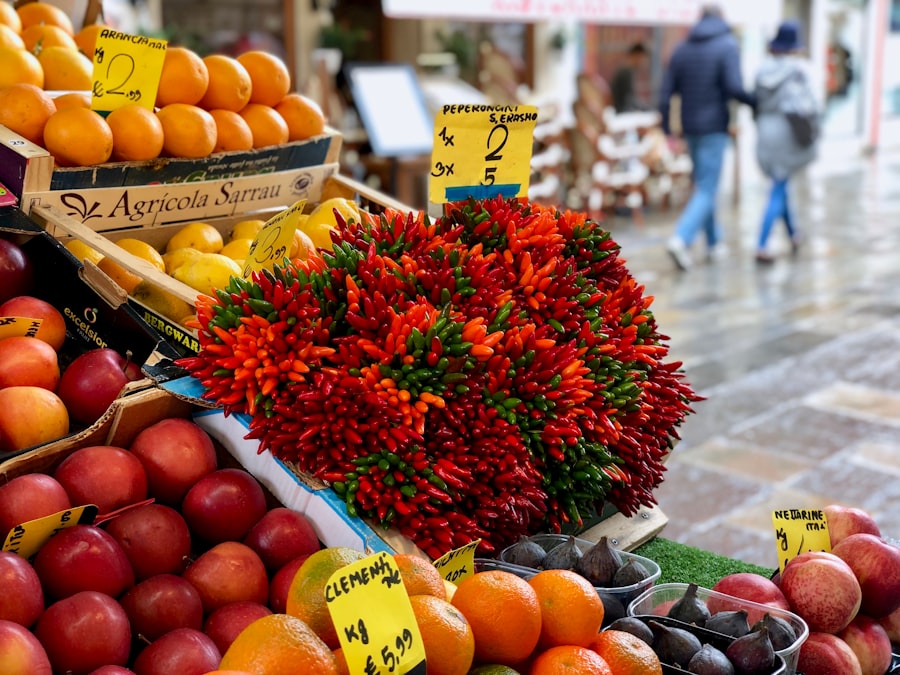
Private equity’s involvement in food supply chain management has transformed how food is produced and distributed. As you delve into this topic, you’ll see that private equity firms often seek to streamline operations and enhance efficiency within supply chains. While this can lead to cost savings for companies, it can also create vulnerabilities within the system that affect food prices.
You might find that the emphasis on efficiency often comes at the expense of resilience and sustainability. For instance, when supply chains are optimized solely for cost reduction, they may become overly reliant on a limited number of suppliers or distribution channels. This lack of diversity can lead to disruptions in the supply chain during crises or natural disasters, ultimately resulting in price spikes for consumers.
As you consider these dynamics, it becomes clear that private equity’s influence on supply chain management has far-reaching implications for food pricing stability.
The Ethical and Social Implications of Private Equity’s Role in Food Prices
The ethical considerations surrounding private equity’s role in raising food prices cannot be overlooked.
Private equity firms may prioritize financial returns over the well-being of workers, farmers, and consumers, leading to exploitative labor practices and increased inequality within the food system.
You might also consider how these ethical concerns extend beyond individual companies to impact entire communities. When private equity firms acquire agricultural businesses without regard for local needs or conditions, they can disrupt traditional farming practices and undermine local economies. This disconnection from community values can contribute to rising food prices as local producers struggle to compete with larger entities focused solely on profit maximization.
The Environmental Impact of Private Equity’s Investments in Agriculture
The environmental consequences of private equity investments in agriculture are significant and warrant careful consideration. As you explore this topic, you’ll find that many private equity firms prioritize short-term financial gains over sustainable practices that protect natural resources. This focus can lead to practices such as monoculture farming or excessive use of chemical inputs, which can degrade soil health and biodiversity.
You may also notice that these environmental impacts can have direct repercussions on food prices. When agricultural practices harm ecosystems or deplete resources, it can lead to reduced yields and increased production costs over time. As environmental degradation continues unchecked, consumers may face higher prices as producers grapple with the consequences of unsustainable practices.
Understanding these dynamics is crucial for addressing the broader implications of private equity’s role in agriculture.
How Private Equity’s Speculative Investments Contribute to Food Price Volatility
Speculative investments by private equity firms can contribute significantly to food price volatility. As you examine this phenomenon, you’ll discover that these firms often engage in trading agricultural commodities as financial assets rather than focusing on their intrinsic value as food sources. This speculative behavior can create artificial price fluctuations that do not necessarily reflect supply and demand dynamics.
You might find that such volatility poses challenges for both producers and consumers alike. Farmers may struggle to plan their production schedules when prices are subject to rapid changes driven by speculation rather than actual market conditions. Similarly, consumers may face uncertainty regarding food prices at the grocery store, making it difficult to budget for essential purchases.
The interplay between speculation and food pricing underscores the need for greater transparency and regulation within agricultural markets.
The Role of Private Equity in Shaping Government Policies Affecting Food Prices
Private equity firms wield considerable influence over government policies related to agriculture and food pricing. As you explore this relationship, you’ll see that these firms often engage in lobbying efforts aimed at shaping regulations that favor their interests. This influence can manifest in various ways, from tax incentives for agricultural investments to policies that prioritize corporate interests over smallholder farmers.
You may also consider how this lobbying can perpetuate a cycle where government policies reinforce the dominance of large corporations within the food system. When regulations favor consolidation or limit competition, it can lead to higher prices for consumers while undermining the livelihoods of smaller producers. Understanding the interplay between private equity and government policy is essential for addressing the systemic issues contributing to rising food prices.
Addressing the Challenges Posed by Private Equity’s Influence on Food Prices
As you reflect on the multifaceted role of private equity in raising food prices, it becomes clear that addressing these challenges requires a comprehensive approach. From advocating for more equitable policies to promoting sustainable agricultural practices, there are numerous avenues through which stakeholders can work together to mitigate the negative impacts of private equity on food pricing. You might consider supporting initiatives that prioritize local food systems and empower smallholder farmers as a way to counterbalance the influence of large corporations backed by private equity funding.
Additionally, advocating for greater transparency and accountability within agricultural markets can help ensure that consumers are not disproportionately affected by speculative investments or unethical practices. By engaging with these issues thoughtfully and proactively, you can contribute to a more equitable and sustainable food system for all.
Private equity firms have increasingly been scrutinized for their role in raising food prices, as their investments often lead to consolidation in the food industry, which can reduce competition and drive up costs for consumers. A related article that delves into the implications of private equity on food pricing can be found at How Wealth Grows. This piece explores the dynamics of private equity investments and their impact on the agricultural sector, shedding light on the broader economic consequences for everyday consumers.
WATCH THIS! The Gold Rush is Over. Now, the Dirt Rush is ON. 🚜💰
FAQs
What is private equity?
Private equity refers to investment funds that buy and restructure companies that are not publicly traded. These funds typically invest in businesses with the goal of improving their profitability and then selling them for a profit.
How does private equity influence food prices?
Private equity firms often acquire food companies and implement cost-cutting measures or change supply chain strategies to increase returns. These changes can sometimes lead to higher prices for consumers if costs are passed down the supply chain.
Why might private equity ownership lead to higher food prices?
Private equity owners may prioritize short-term profits, which can result in reduced investment in production efficiency or increased prices to boost margins. Additionally, consolidation under private equity can reduce competition, potentially leading to higher prices.
Are all food price increases caused by private equity?
No, food prices are influenced by multiple factors including supply and demand, weather conditions, transportation costs, and global market trends. Private equity ownership is just one of many factors that can impact prices.
What types of food companies do private equity firms typically invest in?
Private equity firms invest in a range of food-related businesses, including food processing companies, grocery chains, restaurant chains, and agricultural suppliers.
Is there evidence linking private equity to food price increases?
Some studies and reports have suggested a correlation between private equity ownership and increased food prices, particularly in sectors where private equity has consolidated market share. However, the relationship can vary depending on the specific company and market conditions.
Can private equity investment benefit the food industry?
Yes, private equity can provide capital for innovation, expansion, and improved efficiency, which can benefit the food industry and consumers. The impact on prices depends on how the investment is managed.
How can consumers respond to food price increases linked to private equity?
Consumers can compare prices, seek alternative brands or suppliers, support local producers, and advocate for greater transparency and competition in the food industry.
Are regulators involved in monitoring private equity’s impact on food prices?
Yes, regulatory agencies may review private equity acquisitions for antitrust concerns and market competition to prevent monopolistic practices that could lead to unfair price increases.