
Private equity has emerged as a significant player in the healthcare sector, reshaping the landscape of medical services and facilities. Private equity firms invest substantial capital into healthcare organizations, aiming to enhance operational efficiency and profitability. This influx of investment often leads to transformative changes, not only in the way healthcare is delivered but also in the underlying staffing models that support these services.
Understanding the implications of private equity in healthcare is crucial for anyone involved in or affected by these changes, from healthcare professionals to patients seeking quality care. The involvement of private equity in healthcare is not without controversy. While proponents argue that it brings much-needed resources and innovative practices to the industry, critics raise concerns about the potential prioritization of profit over patient care.
Various perspectives exist on how private equity influences emergency room staffing, quality of care, and overall patient experience. The dynamics at play are multifaceted, and understanding these issues requires examining the intricate relationship between financial investment and healthcare delivery.
Key Takeaways
- Private equity investment is significantly reshaping emergency room staffing models in healthcare.
- Changes driven by private equity impact quality of care, staff workload, and patient satisfaction.
- Financial pressures from private equity ownership affect staff retention, training, and development opportunities.
- Increased staffing flexibility and efficiency are balanced against regulatory and compliance challenges.
- The future outlook highlights ongoing implications for healthcare delivery, workforce stability, and patient outcomes.
Private Equity’s Influence on Emergency Room Staffing
The influence of private equity on emergency room staffing is profound and multifaceted. When private equity firms acquire emergency departments or urgent care facilities, they often implement strategies aimed at optimizing staffing levels and reducing costs. This can lead to a re-evaluation of traditional staffing models, where the focus shifts toward maximizing efficiency and minimizing overhead expenses.
As you consider these changes, it becomes evident that the implications for healthcare professionals working in these environments are significant. One of the most notable impacts of private equity on emergency room staffing is the introduction of new roles and responsibilities. With a focus on operational efficiency, private equity-backed facilities may employ advanced technologies and data analytics to streamline processes.
This can result in a shift in how staff members are utilized, with an emphasis on roles that enhance patient throughput and reduce wait times. As you reflect on this transformation, it is essential to consider how these changes affect not only the workflow within emergency rooms but also the overall experience for both staff and patients.
Changes in Staffing Models

As private equity firms seek to maximize returns on their investments, they often implement innovative staffing models that diverge from traditional practices. You may notice that these new models prioritize flexibility and adaptability, allowing facilities to respond more effectively to fluctuating patient volumes. For instance, some emergency departments may adopt a tiered staffing approach, where a core group of full-time staff is supplemented by part-time or per diem employees during peak times.
This strategy can help maintain high levels of service while controlling labor costs. Moreover, the integration of technology into staffing models cannot be overlooked. Telemedicine and remote consultations are becoming increasingly common in emergency care settings, allowing healthcare providers to extend their reach without necessitating a proportional increase in on-site staff.
As you explore these changes, consider how they might reshape the roles of healthcare professionals and the overall structure of emergency care teams. The evolution of staffing models driven by private equity investment presents both opportunities and challenges for those working within the system.
Impact on Quality of Care
The impact of private equity on the quality of care delivered in emergency rooms is a topic of considerable debate. On one hand, increased funding can lead to improved facilities, access to advanced medical technologies, and enhanced training for staff. These factors can contribute to better patient outcomes and a more efficient healthcare delivery system.
One concern is that the profit-driven motives of private equity firms may lead to cost-cutting measures that compromise the quality of care. For instance, staffing reductions or an over-reliance on temporary workers can result in burnout among remaining staff and a decline in patient care standards.
As you reflect on these dynamics, it is essential to consider how the balance between financial performance and quality care can be maintained in an environment increasingly influenced by private equity interests.
Financial Pressures on Staff
| Metric | Description | Typical Range / Value | Impact of Private Equity Involvement |
|---|---|---|---|
| Staffing Ratio (Patients per Nurse) | Number of patients assigned per nurse during a shift | 3-5 patients per nurse | May increase to improve efficiency, potentially impacting care quality |
| Average Shift Length | Duration of a typical nursing or physician shift | 8-12 hours | Shift lengths may be optimized for cost savings, sometimes leading to longer shifts |
| Turnover Rate | Percentage of staff leaving within a year | 15-25% | Private equity ownership may increase turnover due to operational changes |
| Cost per Patient Visit | Average staffing cost allocated per emergency room visit | Varies widely by region and hospital size | Private equity often aims to reduce this cost through staffing adjustments |
| Use of Contract or Locum Staff | Percentage of staffing fulfilled by temporary or contract workers | 10-30% | May increase under private equity to maintain flexibility and reduce fixed costs |
| Patient Wait Time | Average time patients wait before being seen by a provider | 30-60 minutes | Staffing changes can either improve or worsen wait times depending on management |
| Staff Satisfaction Score | Survey-based measure of staff morale and job satisfaction | 60-80 (out of 100) | May decline if staffing cuts or increased workloads occur post-acquisition |
The financial pressures exerted by private equity ownership can have a profound impact on healthcare staff working in emergency rooms. As facilities strive to meet profitability targets set by their investors, you may observe an increase in workload and expectations placed on employees. This can lead to heightened stress levels among staff members, who may feel compelled to work longer hours or take on additional responsibilities without corresponding increases in compensation.
This awareness can affect morale and job satisfaction, as employees may feel undervalued or overworked in pursuit of financial goals. As you consider these factors, it becomes clear that addressing financial pressures is crucial for maintaining a motivated and effective workforce within emergency care settings.
Staffing Flexibility and Efficiency
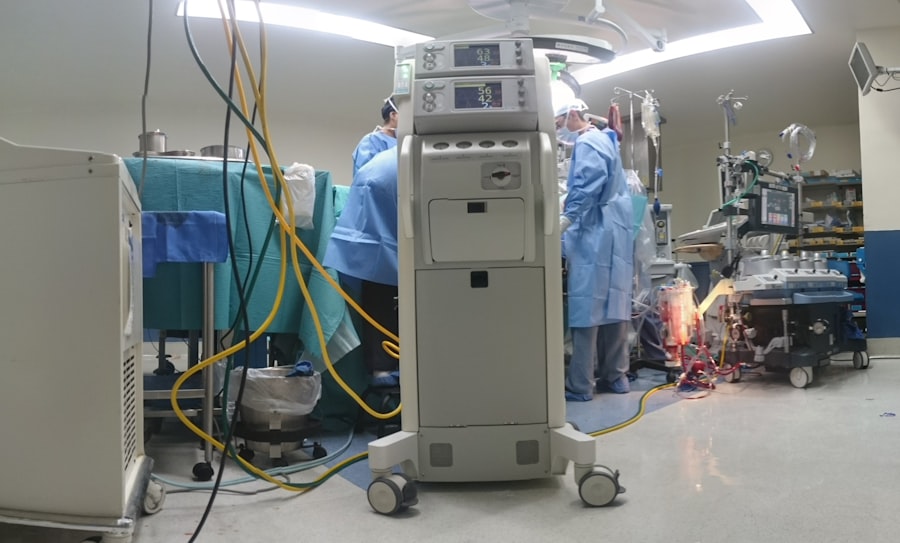
One of the key advantages associated with private equity investment in healthcare is the potential for increased staffing flexibility and efficiency. By adopting innovative staffing models and leveraging technology, emergency departments can better align their workforce with patient demand. You may find that this flexibility allows facilities to respond more effectively to surges in patient volume during peak times or public health emergencies.
For instance, some emergency rooms have begun utilizing predictive analytics to forecast patient inflow based on historical data and trends. This information enables them to adjust staffing levels proactively, ensuring that adequate personnel are available when needed most. As you explore this aspect of private equity’s influence on staffing, consider how such efficiencies can enhance not only operational performance but also the overall patient experience.
Training and Development Opportunities
In an environment shaped by private equity investment, training and development opportunities for staff can vary significantly. On one hand, increased funding may allow for enhanced training programs and professional development initiatives aimed at improving staff skills and competencies. You might find that some private equity-backed facilities prioritize ongoing education as a means of attracting and retaining top talent.
Conversely, there may be instances where financial pressures lead to cuts in training budgets or limited opportunities for professional growth. As you navigate this landscape, it is essential to recognize the importance of investing in staff development as a means of ensuring high-quality care and fostering employee satisfaction. The balance between financial constraints and the need for continuous learning is a critical consideration for healthcare organizations operating under private equity ownership.
Staff Retention and Turnover
Staff retention and turnover rates are critical indicators of organizational health within emergency departments influenced by private equity investment. High turnover rates can be detrimental not only to staff morale but also to patient care quality. As you examine this issue, you may find that financial pressures and changing staffing models contribute to an environment where employees feel less secure in their positions.
To combat turnover, some private equity-backed facilities are implementing strategies aimed at enhancing employee engagement and satisfaction. These may include competitive compensation packages, flexible scheduling options, and opportunities for career advancement. As you reflect on these initiatives, consider how they can help create a more stable workforce that ultimately benefits both staff members and patients alike.
Patient Experience and Satisfaction
The patient experience is at the heart of healthcare delivery, and understanding how private equity influences this aspect is essential for anyone involved in the industry. You may observe that increased funding from private equity firms can lead to improvements in facilities, technology, and overall service delivery—all factors that contribute positively to patient satisfaction. Enhanced waiting areas, streamlined check-in processes, and access to advanced medical equipment can significantly improve the overall experience for patients seeking emergency care.
However, it is also important to recognize that financial pressures associated with private equity ownership can have negative implications for patient experience. For instance, if staffing levels are reduced or if temporary workers are frequently utilized, patients may encounter longer wait times or less personalized care. As you consider these dynamics, it becomes clear that maintaining a focus on patient experience amidst financial considerations is crucial for healthcare organizations navigating the complexities of private equity involvement.
Regulatory and Compliance Considerations
Navigating the regulatory landscape is a critical aspect of operating within the healthcare sector, particularly for facilities influenced by private equity investment. You may find that compliance with federal and state regulations becomes increasingly complex as organizations seek to balance profitability with adherence to legal requirements. The pressure to deliver financial returns can sometimes lead to ethical dilemmas regarding compliance practices.
As you explore this topic further, consider how regulatory frameworks impact staffing decisions and operational practices within emergency departments. Ensuring compliance with regulations related to staffing ratios, patient safety standards, and billing practices is essential for maintaining both legal standing and public trust. The interplay between regulatory considerations and private equity interests presents unique challenges for healthcare organizations striving to deliver high-quality care while remaining financially viable.
Future Outlook and Implications
Looking ahead, the future of private equity in healthcare remains uncertain yet full of potential implications for emergency room staffing and patient care delivery. As you contemplate this evolving landscape, consider how ongoing trends—such as technological advancements, changing patient demographics, and shifting regulatory environments—will shape the role of private equity in healthcare. The continued integration of technology into emergency care settings may offer opportunities for improved efficiency and enhanced patient experiences.
However, it will be essential for stakeholders—including healthcare professionals, patients, and policymakers—to remain vigilant about maintaining quality standards amidst financial pressures. As you reflect on these future implications, it becomes clear that striking a balance between profitability and patient-centered care will be paramount for ensuring a sustainable healthcare system moving forward. In conclusion, your exploration of private equity’s influence on healthcare reveals a complex interplay between financial investment and service delivery dynamics.
From staffing models to quality of care considerations, each aspect presents unique challenges and opportunities that require careful navigation by all stakeholders involved in the healthcare ecosystem.
Emergency room staffing has become a focal point of concern, particularly with the increasing involvement of private equity firms in healthcare. A related article that delves into the implications of this trend can be found at How Wealth Grows, where it discusses the potential impacts on patient care and the financial motivations behind these investments. Understanding these dynamics is crucial for both healthcare professionals and patients alike.
FAQs
What is private equity involvement in emergency room staffing?
Private equity involvement in emergency room (ER) staffing refers to investment firms acquiring or funding companies that provide medical personnel to hospital emergency departments. These firms aim to improve operational efficiency and profitability while managing staffing needs.
How does private equity impact emergency room staffing?
Private equity can influence ER staffing by introducing capital for expansion, implementing standardized protocols, and optimizing workforce management. However, concerns exist about potential cost-cutting measures affecting quality of care or staff working conditions.
Why do hospitals use private equity-backed staffing companies for their emergency rooms?
Hospitals may partner with private equity-backed staffing firms to access a larger pool of qualified emergency physicians and advanced practice providers, reduce administrative burdens, and improve scheduling flexibility and coverage consistency.
Are there any risks associated with private equity ownership in ER staffing?
Potential risks include prioritizing financial returns over patient care, increased pressure on clinicians, and possible reductions in staffing levels or compensation. Regulatory scrutiny and public concern about quality and transparency are also considerations.
How does private equity ownership affect emergency room physicians?
Physicians may experience changes in employment terms, increased productivity expectations, and altered clinical autonomy. Some may benefit from improved resources and support, while others may face challenges related to corporate management styles.
Is private equity involvement in emergency room staffing a recent trend?
Yes, private equity investment in healthcare staffing, including emergency medicine, has grown significantly over the past decade as investors seek opportunities in the expanding healthcare services market.
What regulations govern private equity ownership in emergency room staffing?
Private equity firms and their portfolio companies must comply with healthcare laws and regulations, including those related to patient privacy (HIPAA), billing practices, and state medical licensing. Additionally, antitrust and corporate practice of medicine laws may apply.
How can patients be affected by private equity-backed emergency room staffing?
Patients may experience changes in care delivery models, provider continuity, and potentially wait times. While some investments can improve access and quality, concerns remain about the impact of profit-driven motives on patient outcomes.
What are the benefits of private equity investment in emergency room staffing?
Benefits can include increased capital for technology and training, improved operational efficiencies, expanded provider networks, and enhanced ability to meet fluctuating patient demand in emergency departments.
How can hospitals ensure quality care when working with private equity-backed staffing firms?
Hospitals can establish clear contractual expectations, monitor clinical outcomes, maintain oversight of staffing levels and provider credentials, and prioritize patient safety and satisfaction in partnership agreements.