
You’re likely familiar with the dentist’s office. It’s a place where you’ve probably sat in the chair, heard the whirring of the drill, and perhaps felt a twinge of unease. But behind the calm facade of the examination room, a seismic shift has been occurring, a transformation driven by powerful forces in the world of finance. You’re looking at the growing influence of private equity on Dental Support Organizations (DSOs), a confluence that is reshaping the very fabric of dental care delivery. This isn’t just about dentists owning their practices anymore; it’s about a sophisticated financial ecosystem finding fertile ground in the seemingly simple world of teeth.
Private equity firms, like seasoned prospectors, have discovered a rich vein in the dental industry. They see not just individual practices, but opportunities for consolidation, efficiency, and ultimately, profit. Dental Support Organizations, in turn, have become the primary vehicles through which this capital flows, acting as the bridge between Wall Street’s ambitions and your local dental chair. Understanding this dynamic is crucial, as it impacts everything from the affordability of your dental visits to the services offered and the relationships you have with your dental professionals. You might be wondering how these financial giants, often distant and abstract, can have such a tangible effect on something as personal as your oral health. This article aims to pull back the curtain.
You might have grown up with the image of the independent dentist, a sole proprietor building a practice through years of hard work and patient trust. This was the bedrock of dental care for a long time. However, the landscape began to change, paving the way for a new model: the Dental Support Organization.
Evolution from Solo Practitioner to Group Practice
The Rise of the Corporate Dental Practice
Understanding the Business Model of a DSO
The DSO model itself is not inherently problematic. In essence, a DSO is a business entity that provides administrative, non-clinical services to a group of dental practices. These services can include everything from billing and insurance processing to marketing, human resources, and even procurement of supplies. This allows dentists to offload the administrative burdens that often consume a significant portion of their time, freeing them up to focus on patient care. Think of it as a highly efficient back-office operation that supports multiple dental clinics.
Private Equity’s Allure to the Dental Sector
So, what makes private equity firms so interested in this particular sector? Several factors converge to make dentistry an attractive investment.
Market Stability and Demand
Recurring Revenue Streams
Consolidation Opportunities
Scalability and Efficiencies
Private equity dental support organizations (DSOs) have been gaining traction in recent years, as they offer a unique model for dental practices to thrive in a competitive market. For those interested in understanding the financial implications and growth potential of these organizations, a related article can be found at How Wealth Grows. This resource provides valuable insights into the intersection of private equity and the dental industry, highlighting trends and strategies that can benefit both investors and practitioners.
Private Equity’s Operational Impact on DSOs
Once private equity firms invest in a DSO, their influence isn’t theoretical; it’s felt at every level of operation. The pursuit of efficiency and profitability, the twin engines of private equity, often leads to significant changes within the DSO’s structure and practices. You might notice subtle, or not so subtle, shifts in your dental experience as a direct or indirect result.
Emphasis on Standardization and Efficiency
Private equity capital often arrives with a mandate for standardization. Think of it like a factory assembly line, but for dental procedures. This can lead to more predictable outcomes and potentially lower costs for routine services.
Streamlining Administrative Processes
Centralized Purchasing Power
Implementing Best-Practice Protocols
The Dentist’s Evolving Role
This is where the impact can become particularly personal for both dentists and patients. The core of dentistry has always been the doctor-patient relationship, built on trust and individual care. Private equity’s influence can alter this dynamic.
From Practice Owner to Employee Dentist
Influence on Clinical Decision-Making
Performance Metrics and Patient Volume
It’s important to understand that dentists often remain financially incentivized to maintain high standards of care. However, the pressures of a corporate structure, driven by financial objectives, can introduce new considerations into the decision-making process. You might find that certain treatments are presented more often, or that appointment times are more regimented.
Impact on Patient Experience and Access
The ultimate consumer in this equation is you, the patient. The changes within DSOs, driven by private equity, can ripple outwards to affect your access to care, the quality of your experience, and even the cost of your services.
Affordability and Cost Structures
Service Offerings and Specialization
Patient Volume and Appointment Availability
You might find that some DSOs are more aggressive with upselling services, or that appointment availability changes based on the DSO’s operational targets. Conversely, some DSOs, through efficient operations, might offer more competitive pricing for routine procedures.
Financial Engineering and Value Creation in DSOs
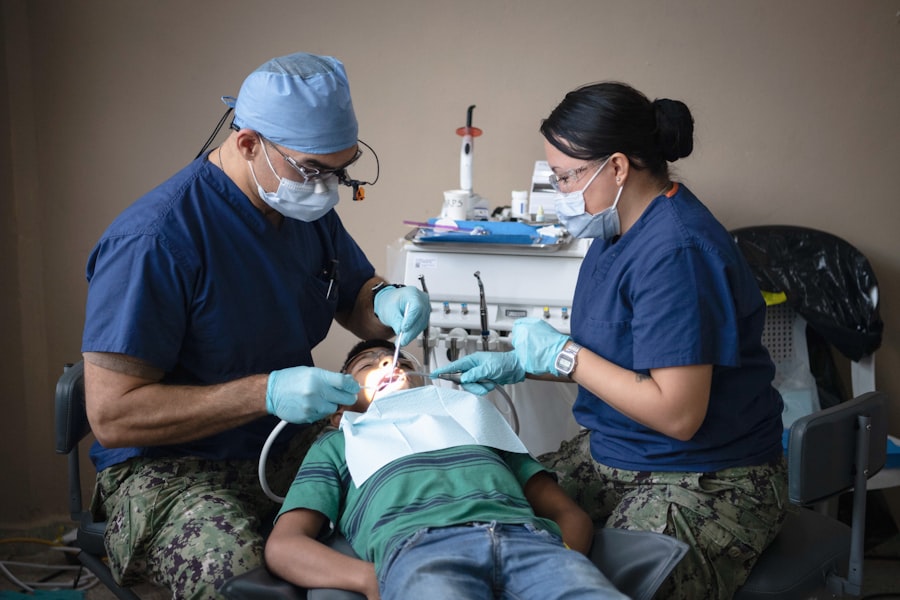
Private equity firms are not simply passive investors; they are active agents of change, employing a range of financial strategies to extract value from their investments. For DSOs, this often means leveraging financial structures and focusing on key performance indicators that signal profitability to the market.
Debt Financing and Leverage
A common tool in the private equity arsenal is debt financing. They often use borrowed money to acquire companies, a strategy known as leveraged buyouts. For DSOs, this can amplify returns but also increases financial risk.
The Role of Debt in Acquisitions
Interest Expense and Profit Margins
Risk of Financial Distress
Mergers, Acquisitions, and Roll-ups
Private equity firms often pursue a strategy of “buy and build.” This involves acquiring smaller DSOs or individual dental practices and then consolidating them into a larger entity.
Synergies and Economies of Scale
Market Dominance and Competitive Advantage
Integration Challenges and Costs
Exit Strategies: The Long Game of Private Equity
Ultimately, private equity firms are looking for an exit. This typically involves selling the DSO to another private equity firm, taking it public through an Initial Public Offering (IPO), or selling it to a strategic buyer.
IPOs vs. Secondary Buyouts
Maximizing Return on Investment
The Role of Financial Performance in Exit Value
Ethical Considerations and Potential Drawbacks
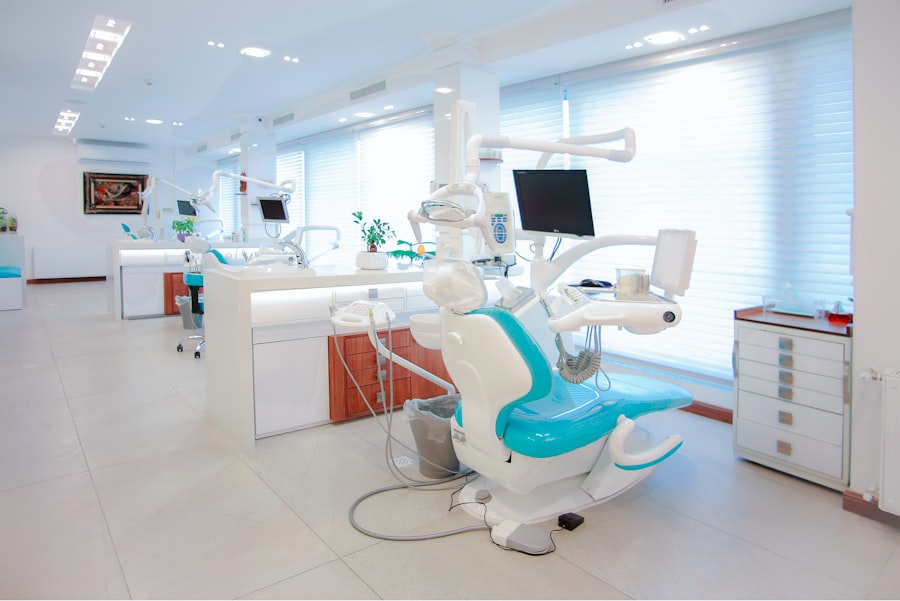
While private equity’s involvement can bring much-needed capital and operational efficiencies, it also raises significant ethical questions and potential drawbacks that directly concern you as a patient. The drive for profit, while a hallmark of capitalism, can sometimes clash with the core tenets of patient-centered care.
The Profit Motive vs. Patient Well-being
The fundamental tension lies in balancing the financial obligations of private equity investors with the ethical responsibilities of healthcare providers.
Pressure to Prioritize Revenue-Generating Procedures
Potential for Over-Treatment or Under-Treatment
Impact on Professional Autonomy
The “Teeth for Dollars” Analogy
You might have observed or heard about situations where the focus seems to shift from oral health to revenue generation. This isn’t to say that all dentists in DSOs are compromising their ethics, but the structural pressures are undeniable.
Transparency and Accountability
The complex financial structures and the often-opaque nature of private equity can make it difficult to understand who is ultimately accountable for the quality and cost of care.
Ownership Structures and Disclosure
Regulatory Scrutiny and Gaps
The Challenge of Patient Advocacy
Impact on Dental Professionals
Beyond the dentists directly employed, the broader dental workforce can also feel the ripple effects of private equity’s influence.
Stress and Burnout Among Staff
Compensation and Benefits
Erosion of Professional Culture
Private equity dental support organizations have been gaining traction in recent years as they provide essential resources and management expertise to dental practices. This trend is reshaping the landscape of the dental industry, allowing practitioners to focus more on patient care rather than administrative burdens. For a deeper understanding of how these organizations are influencing the market, you can read a related article that explores the financial implications and operational benefits of such partnerships. To learn more, visit this insightful article.
The Future Landscape: Navigating the Private Equity Era in Dentistry
| Metric | Description | Typical Range/Value | Notes |
|---|---|---|---|
| Number of DSOs Backed by Private Equity | Total count of dental support organizations with private equity investment | 50 – 100+ | Growing trend over the past decade |
| Average EBITDA Margin | Profitability measure: Earnings Before Interest, Taxes, Depreciation, and Amortization as a percentage of revenue | 20% – 30% | Varies by size and operational efficiency |
| Typical Investment Size | Range of private equity capital invested per DSO | 10 million – 200 million | Depends on DSO scale and growth stage |
| Annual Revenue Growth Rate | Year-over-year revenue increase percentage | 10% – 25% | Driven by acquisitions and organic growth |
| Number of Dental Practices per DSO | Average count of dental offices managed by a single DSO | 20 – 200+ | Large DSOs manage hundreds of practices |
| Average Patient Volume per Practice | Number of patients seen annually per dental office | 3,000 – 7,000 | Varies by location and specialty |
| Exit Multiples | Private equity exit valuation multiples (EV/EBITDA) | 12x – 18x | Reflects strong market demand for DSOs |
As private equity’s grip on DSOs tightens, the future of dental care delivery will continue to evolve. You are not a passive observer in this transformation; understanding these trends empowers you to make informed decisions and advocate for your own oral health.
Trends in DSO Consolidation and Growth
You can expect to see continued consolidation within the DSO market. Large DSOs, fueled by private equity, will likely continue to acquire smaller practices and regional groups, further centralizing control.
Dominance of Large DSO Networks
Specialization and Niche Markets
Interplay with Public Health Initiatives
The Patient’s Role in a Private Equity-Dominated Market
Your choices matter. By being an informed consumer, you can navigate this landscape effectively.
Researching Your Dentist and DSO
Understanding Your Insurance Coverage
Advocating for Your Needs
The Importance of Second Opinions
Potential Regulatory and Market Adjustments
As the impact of private equity in healthcare becomes more pronounced, there may be increased calls for regulatory oversight and market adjustments.
Increased Scrutiny of Healthcare Investments
Potential for Consumer Protection Legislation
The Long-Term Sustainability of the Model
In conclusion, private equity’s investment in Dental Support Organizations is a complex phenomenon with far-reaching implications. It’s a story of financial ambition meeting a fundamental human need. For you, the patient, it means a dental landscape that is increasingly shaped by corporate decisions and financial imperatives. By understanding the mechanics of this relationship, you are better equipped to navigate your dental care journey, ensuring that your oral health remains the paramount concern. The whirring of the drill may sound the same, but the forces orchestrating your dental experience are becoming ever more sophisticated.
FAQs
What are private equity dental support organizations?
Private equity dental support organizations (DSOs) are companies backed by private equity firms that provide non-clinical business support services to dental practices. These services can include administration, marketing, human resources, and financial management, allowing dentists to focus on patient care.
How do private equity firms benefit from investing in dental support organizations?
Private equity firms invest in DSOs because the dental industry offers stable cash flows and growth potential. By consolidating multiple dental practices under one organization, DSOs can achieve economies of scale, improve operational efficiency, and increase profitability, which benefits private equity investors.
What impact do private equity-backed DSOs have on dental practices?
Private equity-backed DSOs often provide dental practices with access to capital, advanced technology, and professional management support. This can help practices expand, improve patient services, and streamline operations. However, some critics express concerns about potential pressure to prioritize profits over patient care.
Are dentists employed by private equity dental support organizations?
Yes, dentists working within private equity-backed DSOs are typically employed by the organization rather than owning their practice. This employment model allows dentists to focus on clinical work while the DSO handles business operations and compliance.
What regulations govern private equity dental support organizations?
DSOs must comply with state and federal regulations related to healthcare, corporate practice of dentistry laws, and business operations. These regulations vary by state and are designed to ensure that clinical decisions remain under the control of licensed dentists, even when business functions are managed by DSOs.