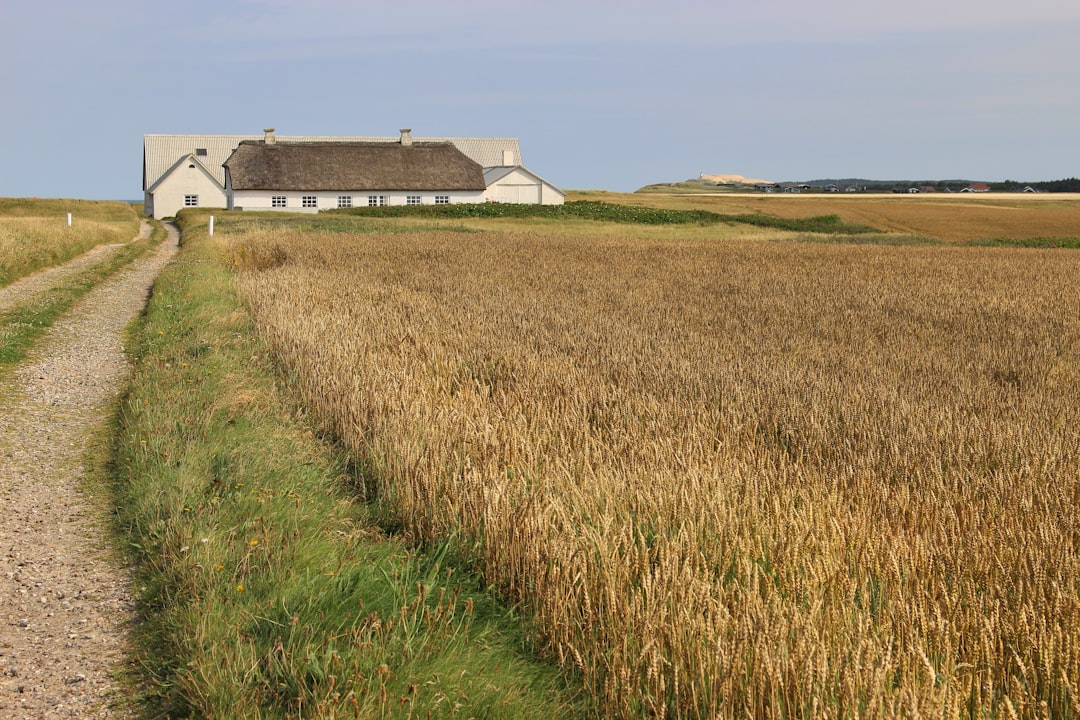
You stand at the precipice of a significant transformation in the agricultural landscape, one where the traditional family farm increasingly shares the stage with powerful, profit-driven entities. The rustic charm of rolling fields, once a symbol of generational inheritance and sustenance, is now also viewed through the sophisticated lens of financial strategists. This shift, driven largely by private equity, is not merely an interesting anomaly but a fundamental reshaping of how agricultural land is owned, managed, and valued. You, as an observer or a participant in this evolving ecosystem, must understand the intricate mechanics and far-reaching implications of private equity’s growing footprint in farmland investment.
You might wonder why private equity, typically associated with high-growth tech companies or distressed industrial giants, has turned its gaze towards the seemingly staid sector of agriculture. The answer lies in a confluence of factors that make farmland a uniquely attractive asset in their portfolios. The documentary provides an in-depth analysis of the financialization of American agriculture and its impact on rural communities.
Stability in Volatility: A Hedge Against Economic Swings
Consider farmland as a bedrock asset. When global markets judder, when inflation erodes the value of currency, or when geopolitical tensions escalate, traditional investments often reel. Farmland, however, tends to exhibit a remarkable resilience. You’ll find that its intrinsic value is tied to fundamental human needs: food production. This makes it a tangible asset, less susceptible to the speculative bubbles that can inflate and burst in other sectors. You’re essentially investing in a perpetual income-generating machine, provided the land remains productive.
Tangible Assets and Inflation Protection
Imagine holding a physical asset that not only retains its value but often appreciates with inflation. This is precisely what farmland offers. Unlike paper assets, land cannot be printed or manufactured. Its supply is inherently limited. As the global population continues to grow and demand for food intensifies, the scarcity of productive agricultural land naturally drives its value upwards. You’re not just buying dirt; you’re acquiring a strategic resource.
Diversification Beyond Traditional Portfolios
For a private equity firm, diversification is paramount. Just as you wouldn’t put all your eggs in one basket, these firms seek to spread risk across various asset classes. Farmland historically has a low correlation with other major asset classes like stocks, bonds, and real estate. This means that when one asset class performs poorly, farmland may remain stable or even appreciate, acting as a ballast for the overall portfolio. You’re adding a distinct flavor to their investment stew, one that can enhance its overall robustness.
Long-Term Growth Potential Driven by Global Demographics
Look ahead to the future, and you’ll see a world grappling with feeding an ever-expanding population. The Food and Agriculture Organization of the United Nations (FAO) consistently projects significant increases in food demand. This isn’t a fleeting trend; it’s a demographic imperative. Private equity recognizes this fundamental truth: the demand for food, and thus for the land that produces it, is unlikely to diminish. You’re investing in a secular growth story, one driven by billions of mouths to feed.
Private equity investment in farmland has gained significant attention in recent years as investors seek stable returns and diversification in their portfolios. A related article that delves deeper into this trend is available at How Wealth Grows, where you can explore the various factors driving private equity interest in agricultural assets and the potential benefits and risks associated with this investment strategy.
The Mechanisms of Entry: How Private Equity Acquires Farmland
You’ve identified the “why.” Now consider the “how.” Private equity doesn’t simply walk up to a farmer and write a check. Their entry into the agricultural sector is often a complex, multi-faceted process, involving various strategies and financial structures.
Direct Acquisition of Land Parcels
The most straightforward approach, and one you’ll encounter frequently, involves private equity funds directly purchasing individual farm properties. These acquisitions can range from small, family-owned parcels to large, contiguous tracts of land. The decision to sell often stems from factors like retirement of the farming generation, lack of heirs willing to take over, or the need for significant capital investment that the current owners cannot provide. You become the new proprietor, not of a business, but of the very ground it stands on.
Investing in Agricultural Operating Companies
Beyond simply owning the land, private equity firms also invest in, and sometimes acquire, companies that operate farms. This could involve purchasing shares in large-scale agricultural enterprises, equipment leasing companies, or businesses specializing in specific crops or livestock. By controlling the operating entity, they gain direct influence over production strategies, supply chains, and market access. You’re moving beyond the real estate itself to control the engine that runs it.
Specialized Farmland Investment Funds
A common vehicle for private equity to aggregate farmland holdings is through the creation of specialized investment funds. These funds pool capital from institutional investors such as pension funds, endowments, and high-net-worth individuals. The fund then deploys this capital to acquire a portfolio of agricultural properties, often diversifying across different regions, crop types, and production methods to mitigate risk. You’re participating in a collective approach, where many investors contribute to a larger, more diversified agricultural holding.
Leaseback Agreements and Sale-Leasebacks
In some instances, private equity firms engage in sale-leaseback transactions. Here, a farmer sells their land to the private equity firm but then leases it back, continuing to operate the farm. This provides the farmer with a significant capital infusion, which can be used to pay down debt, invest in new equipment, or fund retirement, while the private equity firm gains a steady income stream from rent and long-term land appreciation. You effectively separate the ownership of the land from its operational control.
The Operational Playbook: How Private Equity Manages Farmland Assets
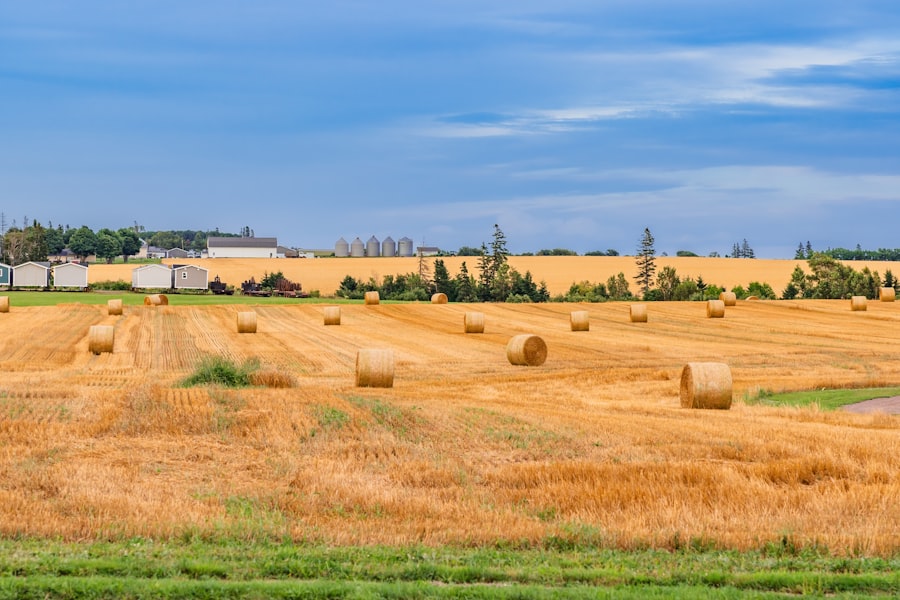
Once private equity has acquired farmland, their involvement rarely stops at mere ownership. They typically bring a distinct operational philosophy to the table, aimed at maximizing returns and optimizing efficiency. You’ll observe a shift from traditional practices to more data-driven, systematic approaches.
Implementing Modern Agricultural Technologies
Private equity firms are often early adopters of cutting-edge agricultural technologies. This includes precision agriculture techniques like GPS-guided planting and harvesting, drone-based crop monitoring, advanced irrigation systems, and data analytics platforms that optimize input usage and yield. Their substantial capital allows for investments in technologies that individual farmers might find prohibitive. You’re witnessing the industrialization of farming, driven by technological innovation.
Economies of Scale and Portfolio Management
By consolidating multiple land parcels, private equity gains significant economies of scale. They can negotiate better prices for inputs like fertilizers and seeds, spread overhead costs across a larger operational base, and achieve more efficient use of machinery and labor. Their portfolio approach allows them to manage diverse properties strategically, adjusting crop rotations and resource allocation based on regional conditions and market demands. You’re seeing the power of aggregation at work, transforming fragmented holdings into a cohesive, optimized system.
Professional Management and Optimization
Often, private equity firms bring in professional agricultural managers with expertise in large-scale operations, supply chain management, and financial optimization. These managers implement rigorous accounting practices, conduct detailed cost-benefit analyses, and focus on maximizing yields per acre while controlling expenses. This contrasts with more traditional, often generational, farming practices. You’re exchanging the intuitive wisdom of generations for the calculated precision of professional management.
Vertical Integration Strategies
Some private equity ventures extend beyond merely growing crops or raising livestock. They may pursue vertical integration, investing in upstream activities like seed production or input supply, or downstream activities like processing, packaging, and distribution. This allows them to capture a greater share of the value chain and exert more control over the quality and marketing of their agricultural products. You’re observing an attempt to control the entire journey of food from field to fork.
Socio-Economic and Environmental Implications for Farmland Communities
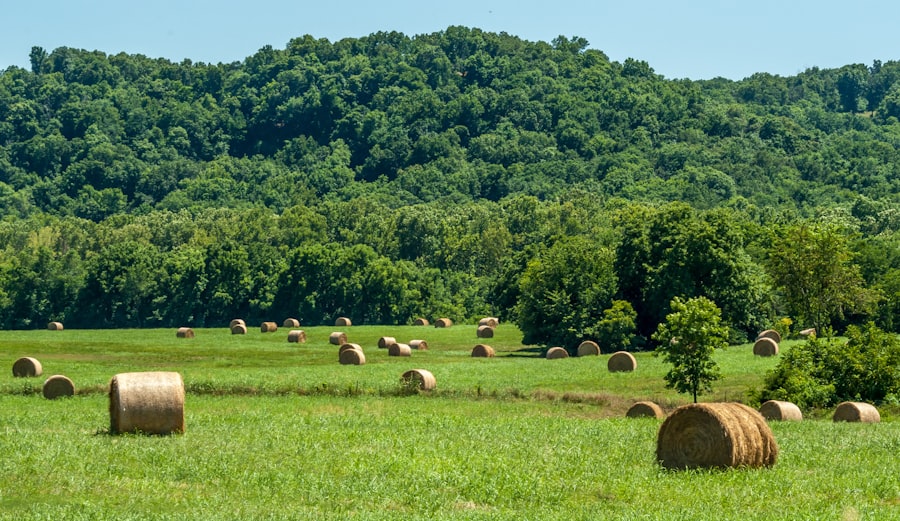
The presence of private equity in agriculture extends far beyond financial spreadsheets; it ripples through the very fabric of rural communities and the environment. As you examine this phenomenon, it’s crucial to acknowledge these broader impacts.
Impact on Local Land Markets and Land Access
One of the most noticeable effects is on local land values. When a well-capitalized private equity firm enters a market, its ability to offer competitive prices can drive up land values, making it increasingly difficult for local, often smaller, farmers to purchase or expand their holdings. This can create a chasm, separating those with access to substantial capital from those who rely on traditional financing. You’re witnessing a financial engine that can outbid traditional buyers, fundamentally altering the land access landscape.
Changing Dynamics of Rural Employment
While private equity often brings technological advancements, it can also lead to a shift in rural employment patterns. Large-scale, highly mechanized operations may require fewer laborers per acre, potentially displacing traditional farm workers. The jobs created might be more specialized, requiring different skills than those historically present in agricultural communities. You’re seeing a move from labor-intensive traditional farming to technology-intensive, potentially less labor-intensive, industrialized agriculture.
Environmental Stewardship and Sustainable Practices
The environmental impact of private equity-owned farmland is a complex issue. On one hand, private equity’s focus on efficiency and long-term asset value can encourage investments in sustainable practices, such as water conservation technologies, soil health initiatives, and renewable energy adoption, as these can reduce operational costs and enhance resilience. On the other hand, the relentless pursuit of yield optimization, driven by profit motives, could, if not carefully managed, lead to intensive farming practices that deplete soil nutrients or rely heavily on chemical inputs. You’re looking at a double-edged sword: the potential for both enhanced sustainability and intensified exploitation.
Food Security and Local Food Systems
The concentration of farmland ownership in the hands of a few large entities raises questions about food security and the resilience of local food systems. While private equity investments can boost overall agricultural output, the focus might shift towards commodity crops rather than a diverse range of foods for local consumption. This could weaken local food economies and increase reliance on global supply chains, which are susceptible to disruptions. You’re considering the consequences of a profit-driven lens on the fundamental need for food, and how it might reorient production from local sustenance to global commodities.
Private equity investment in farmland has gained significant attention as investors seek stable returns and diversification in their portfolios. A recent article explores the growing trend of institutional investors allocating capital to agricultural land, highlighting the potential benefits and risks associated with this asset class. For those interested in understanding the dynamics of this investment strategy, the article can be found here. As farmland continues to be viewed as a hedge against inflation and a means of sustainable investing, it is essential to stay informed about the latest developments in this sector.
The Future Trajectory: What to Expect Next
| Metric | Value | Year | Notes |
|---|---|---|---|
| Total Private Equity Investment in Farmland | 15 billion | 2023 | Global estimate |
| Average Annual Return | 8.5% | 2020-2023 | Net IRR for farmland PE funds |
| Top Regions for Investment | North America, Australia, Brazil | 2023 | Based on deal volume |
| Average Farmland Price per Acre | 3,200 | 2023 | USD equivalent |
| Percentage of Farmland Owned by PE Firms | 2.5% | 2023 | Global farmland area |
| Number of Active Private Equity Farmland Funds | 45 | 2023 | Focused on agriculture assets |
| Average Fund Size | 350 million | 2023 | USD equivalent |
You’ve journeyed through the present landscape; now, let’s peer into the future. The trajectory of private equity in farmland investment is not static; it’s an evolving narrative shaped by global trends, policy decisions, and market realities.
Continued Growth and Market Maturation
All indications point to a continued expansion of private equity’s role in farmland. The underlying drivers—population growth, limited land supply, and the stability of the asset class—remain robust. As the market matures, you’ll likely see more sophisticated investment vehicles, increased specialization (e.g., funds focused solely on organic farming or specific crop types), and a greater emphasis on ESG (Environmental, Social, and Governance) factors as investors demand more responsible practices. You’re anticipating a deepening and broadening of this investment trend.
Increased Regulatory Scrutiny and Public Debate
As private equity’s footprint grows, so too will public awareness and, consequently, regulatory scrutiny. Concerns about land consolidation, impacts on family farms, and environmental practices are likely to intensify. You can expect debates around foreign ownership of agricultural land, anti-trust concerns in agricultural markets, and potential policies aimed at preserving smaller farm structures or ensuring equitable land access. You’re entering an era where the silent acquisition of land becomes a prominent public discourse.
Innovation in Agri-Food Technologies and Business Models
Private equity will continue to be a significant catalyst for innovation in the agri-food sector. Their capital and strategic insight will fuel the development and adoption of new technologies, ranging from advanced genomics for crop improvement to AI-driven farm management systems and alternative protein production. You’ll witness a rapid acceleration of technological adoption, reshaping how food is produced and consumed. This includes novel business models that integrate farming with renewable energy production or carbon sequestration.
Geopolitical Dimensions and Food Sovereignty Concerns
The intersection of private equity, farmland, and global food security will increasingly take on geopolitical dimensions. Nations and even international organizations may view the control of productive agricultural land as a matter of strategic national interest or food sovereignty. You might see increased government intervention, both protectionist and collaborative, as countries navigate issues of food supply and land ownership in an interconnected world. This is a chessboard where food is not just sustenance, but also a piece in the grand game of international relations.
In conclusion, you’re not merely observing a financial trend; you’re witnessing a profound and ongoing transformation of one of humanity’s most fundamental sectors. Private equity’s venture into farmland is a powerful force, reshaping economic landscapes, influencing community structures, and redefining the very nature of food production. Your understanding of its multifaceted nature is crucial as you navigate a world where the earth beneath our feet is increasingly viewed not just as a source of life, but also as a highly sophisticated investment opportunity.
WATCH THIS! ⚠️💰🌾 Why Wall Street Is Buying Up America’s Farmland (And Why It Should Terrify You)
FAQs
What is private equity investment in farmland?
Private equity investment in farmland involves pooling capital from investors to purchase and manage agricultural land with the goal of generating financial returns through land appreciation, crop production, or leasing.
Why do private equity firms invest in farmland?
Private equity firms invest in farmland because it offers diversification, potential for steady income through crop yields or leases, inflation protection, and long-term capital appreciation.
How do private equity funds acquire farmland?
Private equity funds typically acquire farmland by purchasing large tracts of agricultural land directly from owners, through auctions, or by partnering with local operators and agricultural companies.
What are the risks associated with private equity investment in farmland?
Risks include weather variability, commodity price fluctuations, regulatory changes, land management challenges, and potential liquidity issues due to the illiquid nature of farmland assets.
How do private equity investors generate returns from farmland?
Returns are generated through a combination of land value appreciation, income from leasing land to farmers, crop production profits, and sometimes through improvements in land productivity.
Is farmland investment considered a long-term investment?
Yes, farmland investment is generally considered long-term due to the time required for land appreciation and the cyclical nature of agricultural markets.
Can individual investors participate in private equity farmland investments?
While private equity farmland investments are often structured for institutional or accredited investors, some funds and platforms offer opportunities for individual investors to participate.
What factors influence the value of farmland?
Factors include soil quality, location, water availability, climate conditions, local agricultural policies, commodity prices, and infrastructure access.
How does private equity farmland investment impact local farming communities?
Impacts can vary; private equity investment may bring capital and improved management but can also lead to changes in land ownership patterns and farming practices.
Are there environmental considerations in private equity farmland investments?
Yes, sustainable land management practices, water conservation, and environmental regulations are important considerations to ensure long-term productivity and compliance.